A Season of Learning Across Texas
Between 2025 and early 2026, I spent months attending conferences, panel discussions, networking gatherings, volunteer events, and community meetups connected to sustainability and environmental innovation across Central Texas.
Some of these experiences were formal conferences with expert speakers and structured presentations. Others were smaller meetups or volunteer opportunities happening behind the scenes at community events. Each event focused on a different topic: water conservation, circular economy systems, electric mobility, soil ecosystems, climate innovation, and more.
Individually, they were interesting snapshots of specific sustainability challenges. But when viewed together, they formed something bigger: a cross-section of the people, organizations, and ideas shaping the sustainability ecosystem in Texas today.
What struck me most during this stretch of time was the diversity of the sustainability community. The people working on these issues include scientists, engineers, entrepreneurs, nonprofit leaders, policymakers, educators, activists, and volunteers. Each group approaches environmental challenges from a different perspective, yet they often share a common goal: building healthier and more resilient communities.
These experiences also reinforced something that is easy to forget when reading about environmental issues in the news: Sustainability is not just an abstract concept or policy debate. It is a network of real people doing real work in their communities every day.
Exploring Sustainability Across Different Sectors
One of the most interesting aspects of attending multiple events over several months was seeing how sustainability conversations shift depending on the audience and professional sector involved.
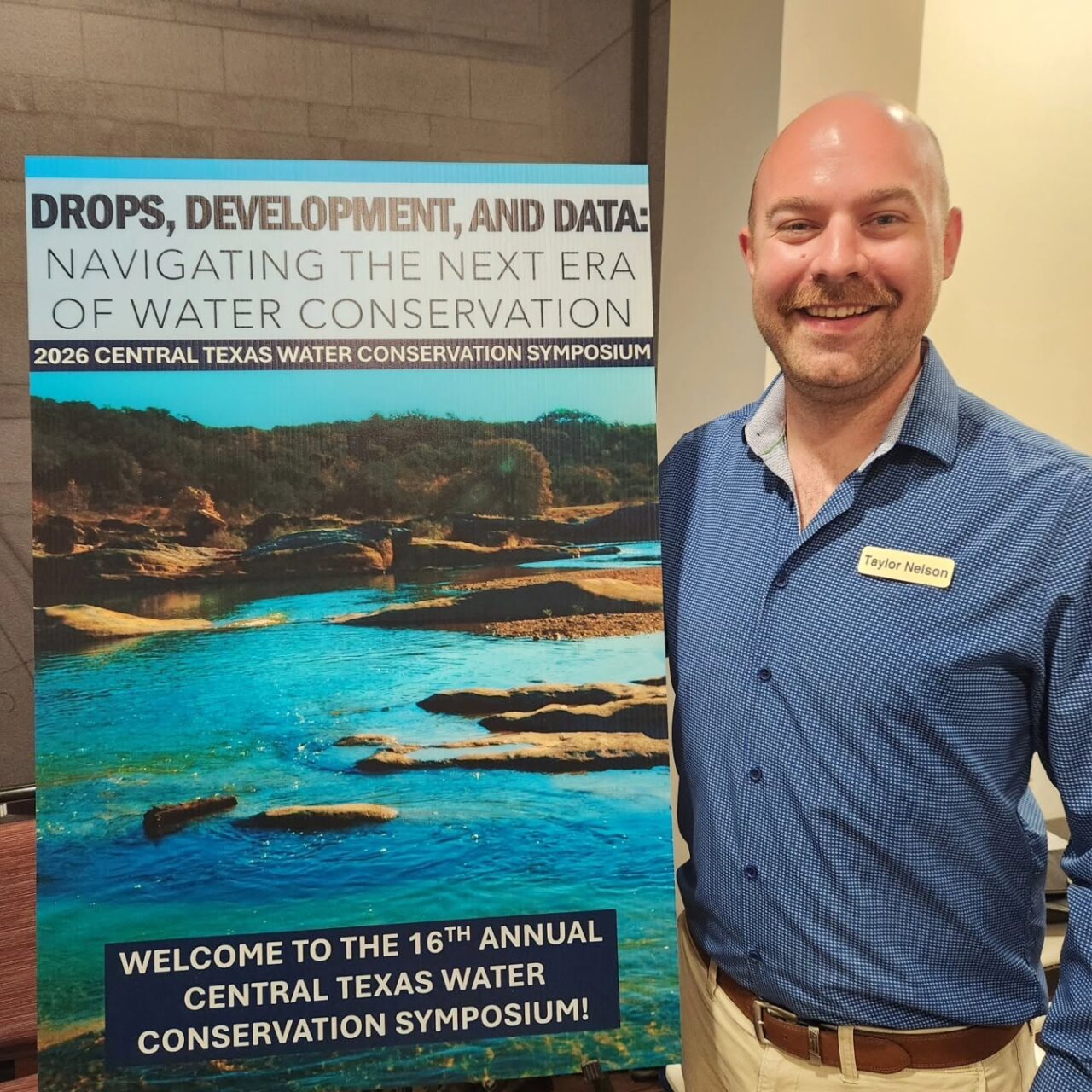
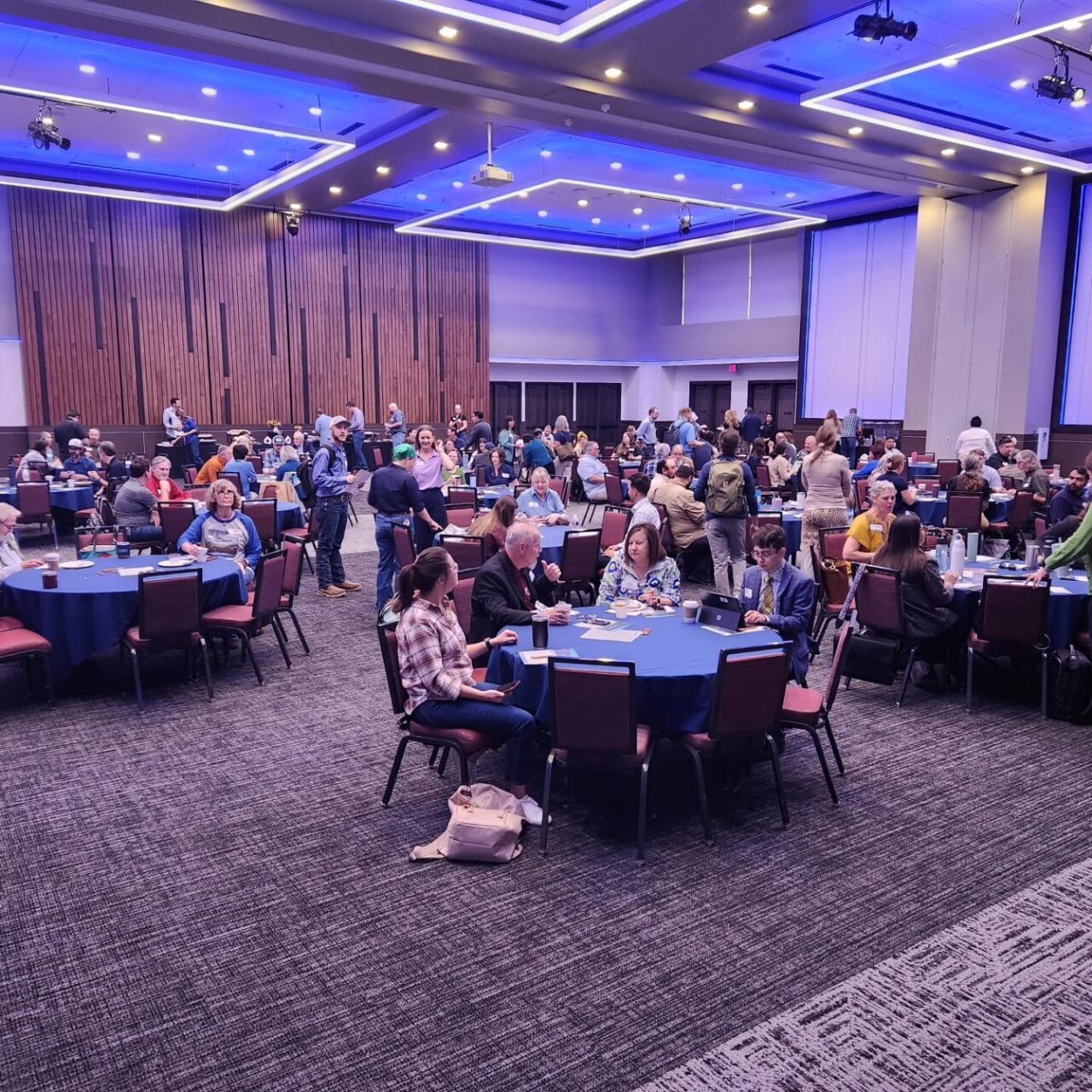
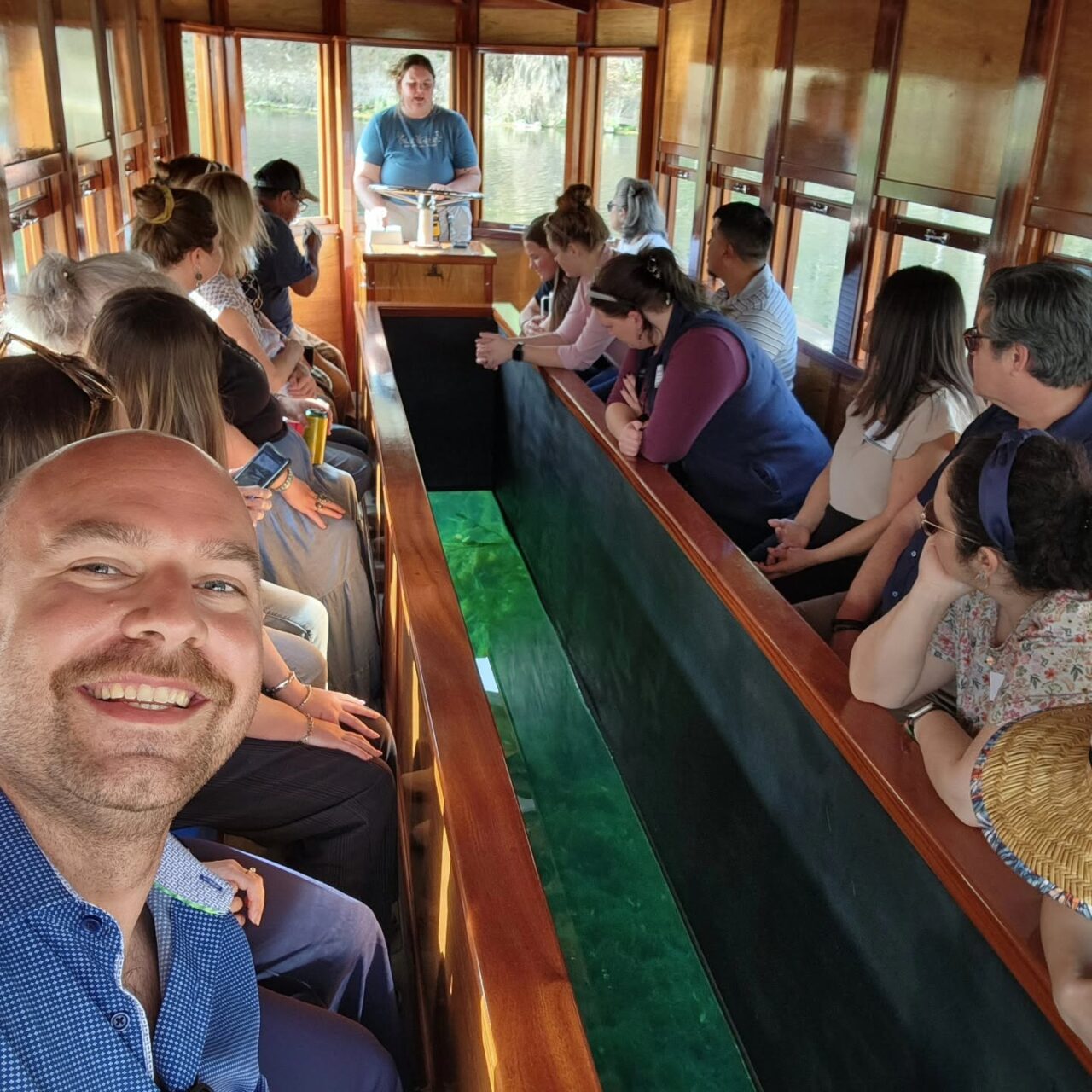
At the Central Texas Water Conservation Symposium, discussions focused heavily on regional water resources and how population growth is affecting aquifers, rivers, and spring systems.
Central Texas is one of the fastest-growing regions in the United States, and water managers are increasingly working to balance conservation with rising demand. Experts spoke about strategies such as:
- Improved water infrastructure
- Conservation incentive programs
- Water reuse technologies
- Behavioral outreach campaigns
These initiatives are designed to help residents understand how everyday water use connects to the broader ecosystem.
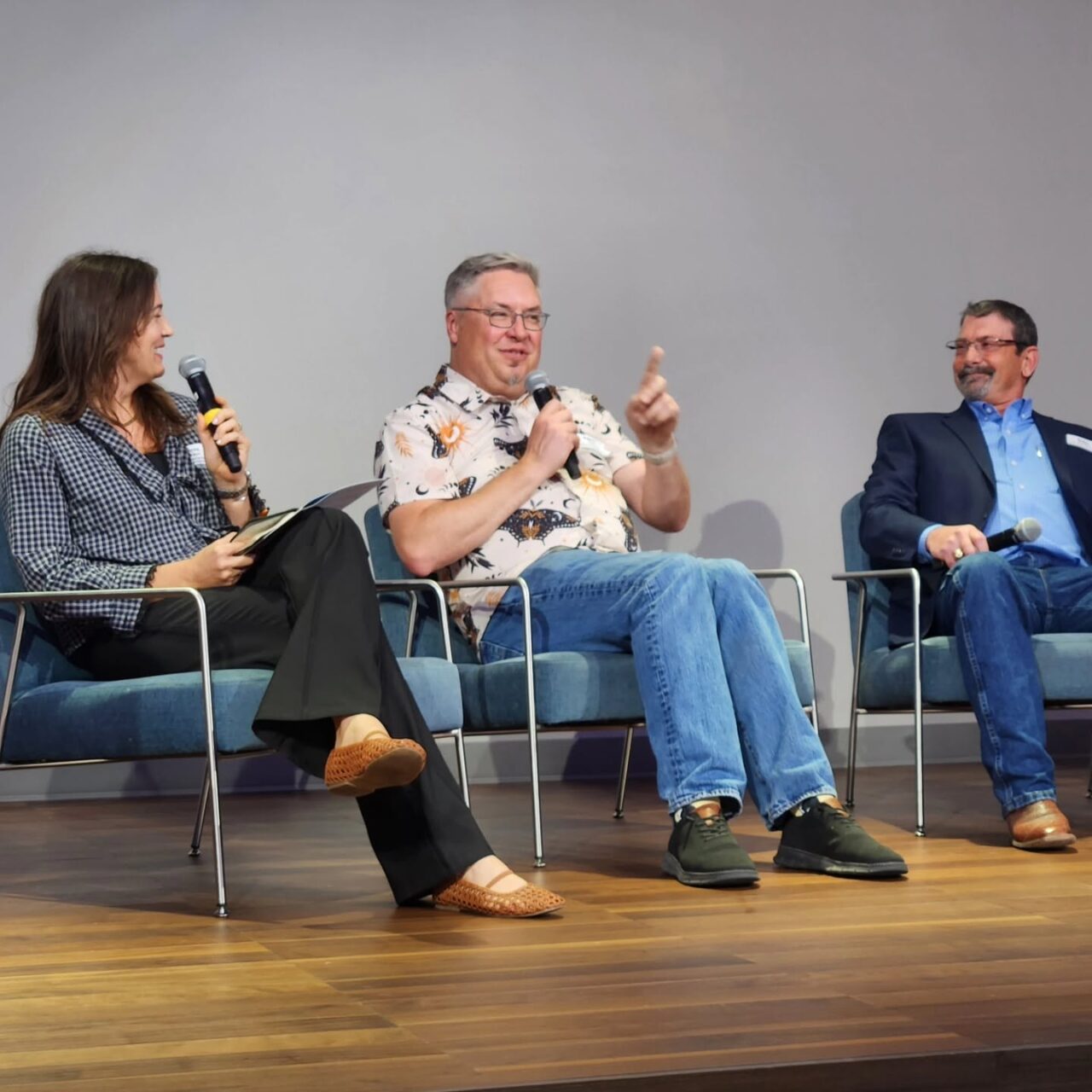
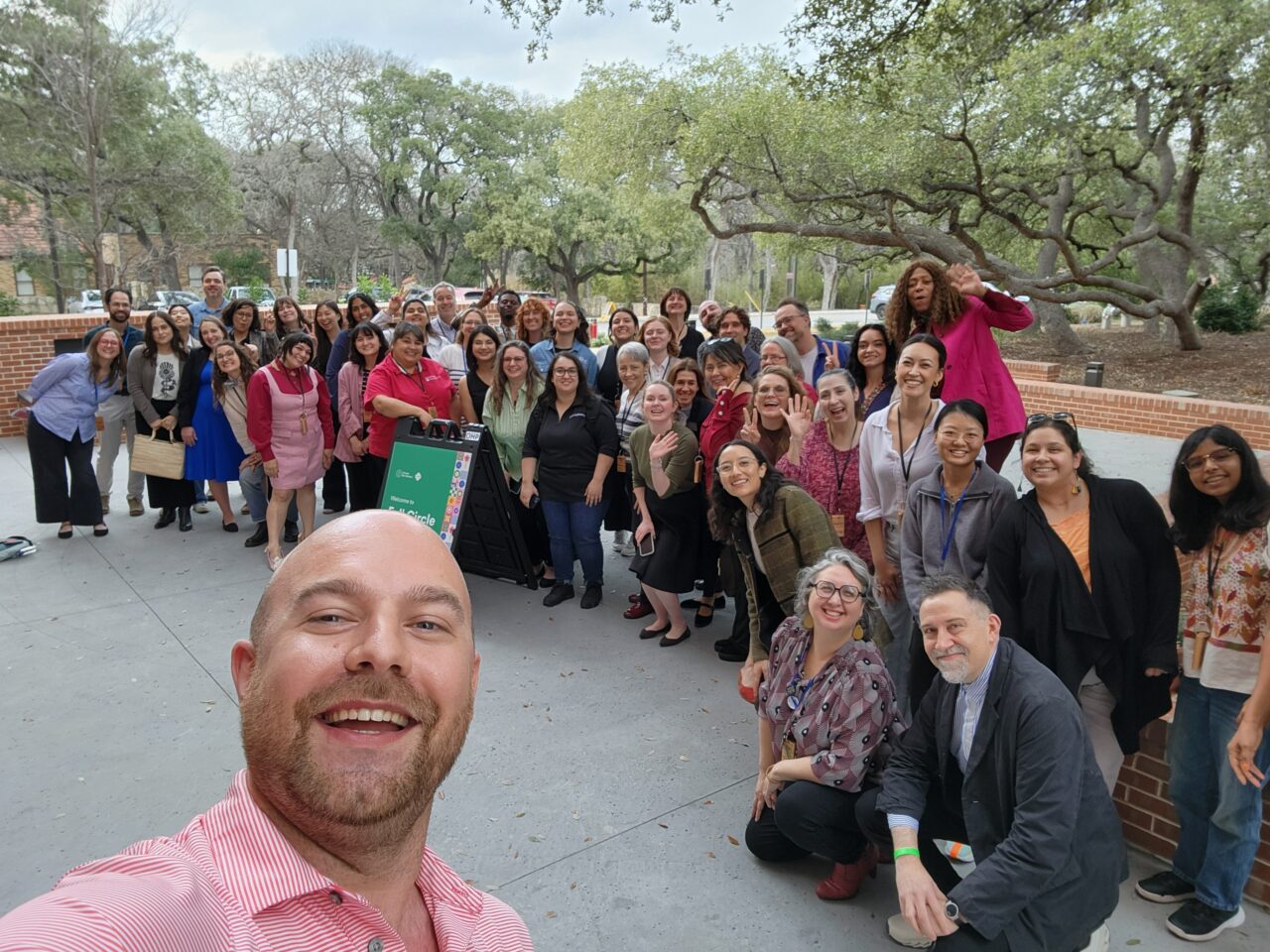
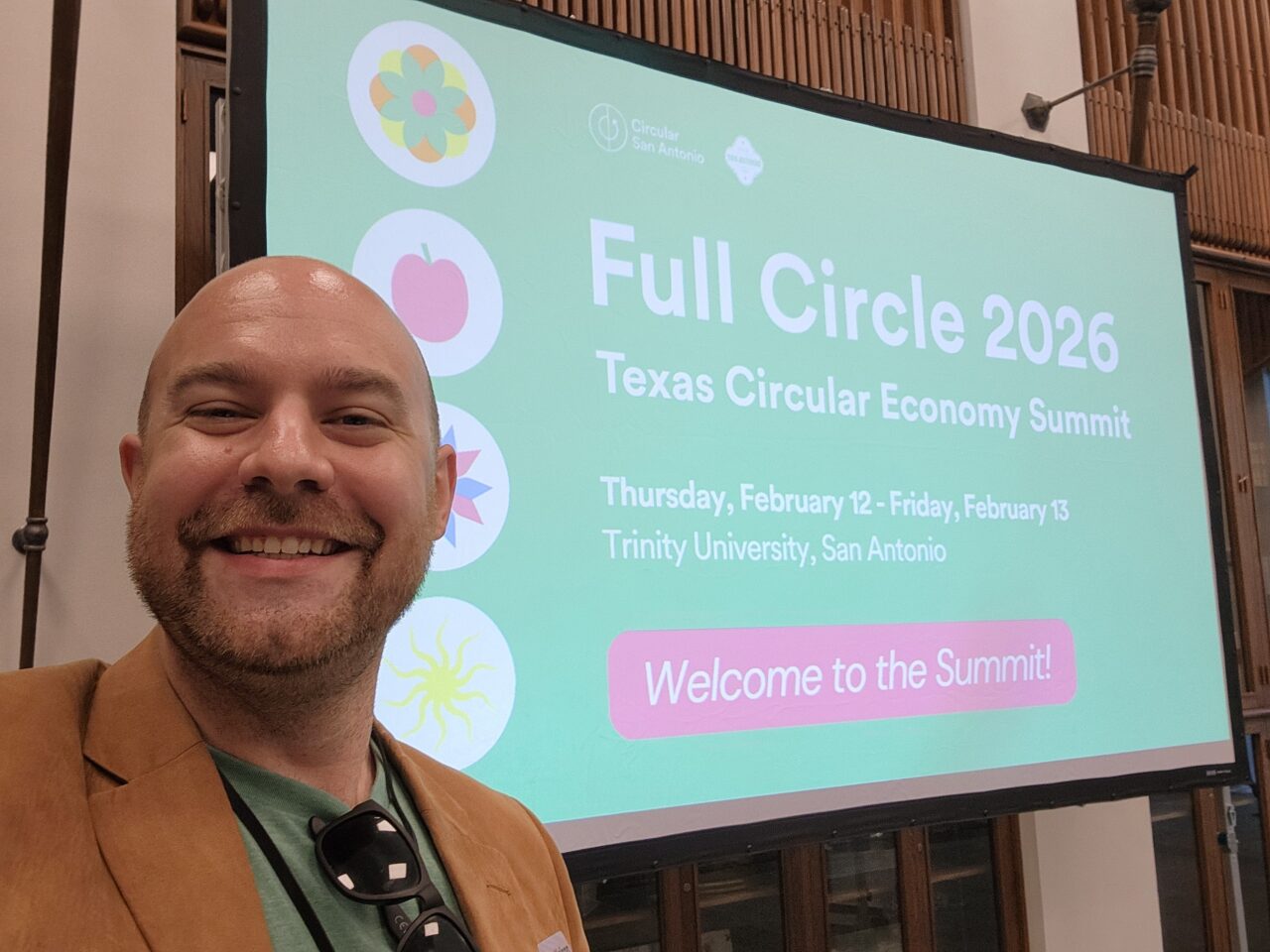
At the Full Circle Summit in San Antonio, the focus shifted to the circular economy = a framework that challenges traditional “take, make, waste” economic models by prioritizing reuse, repair, and material recovery.
Speakers discussed ideas such as:
- Adaptive reuse of buildings
- Construction material recovery hubs
- Designing products for disassembly
- Systems that keep materials circulating within local economies instead of sending them to landfills
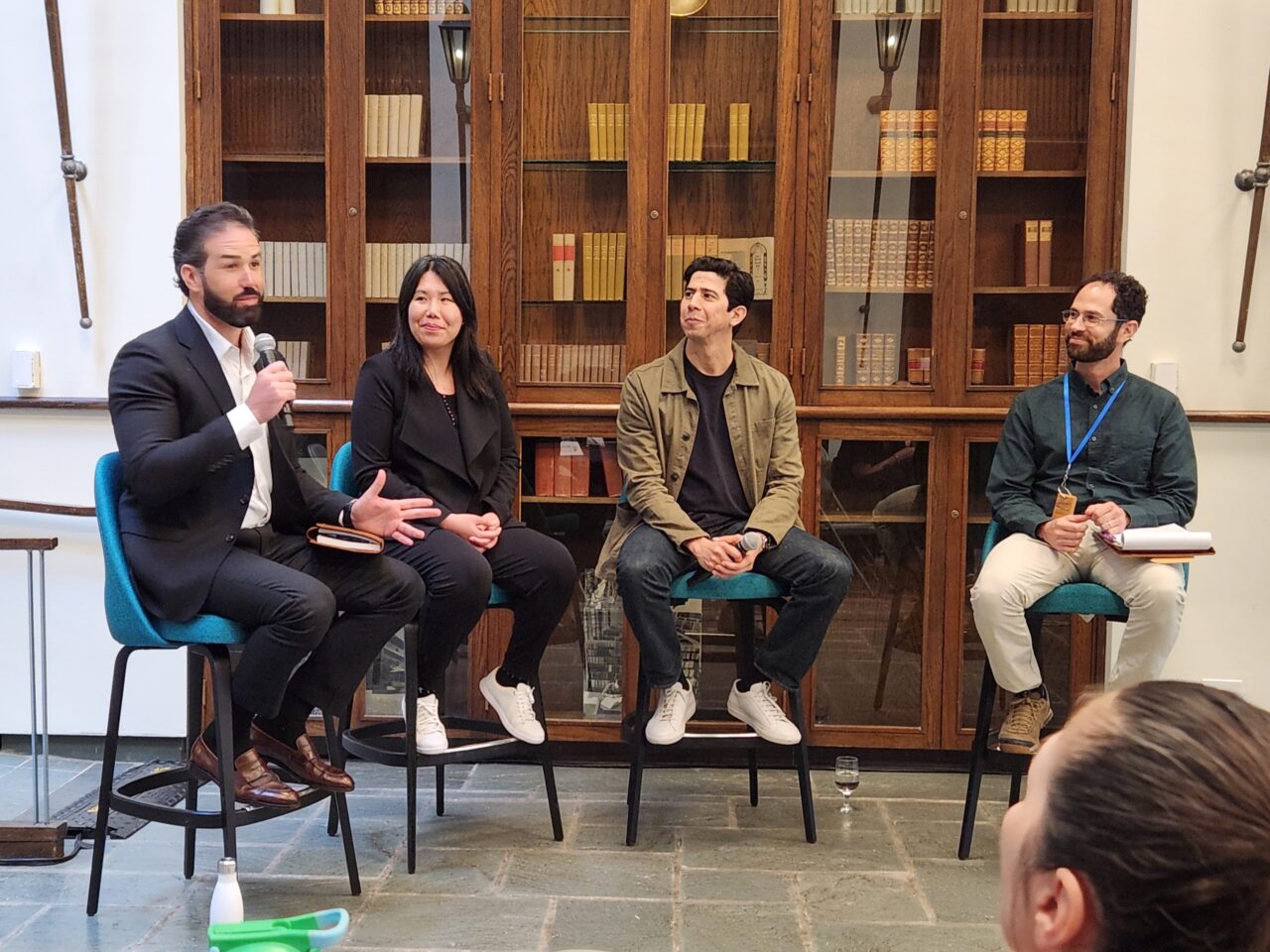
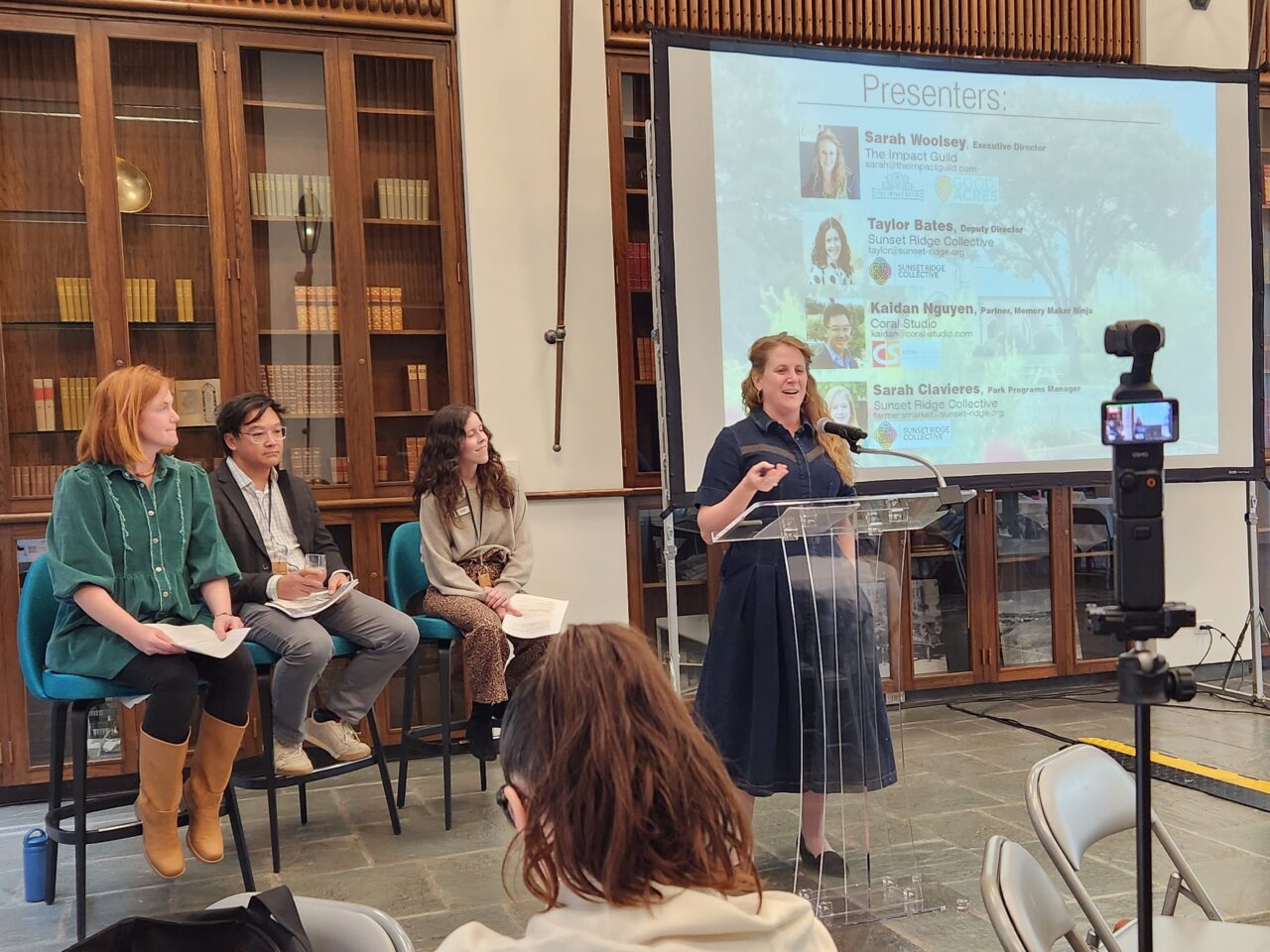
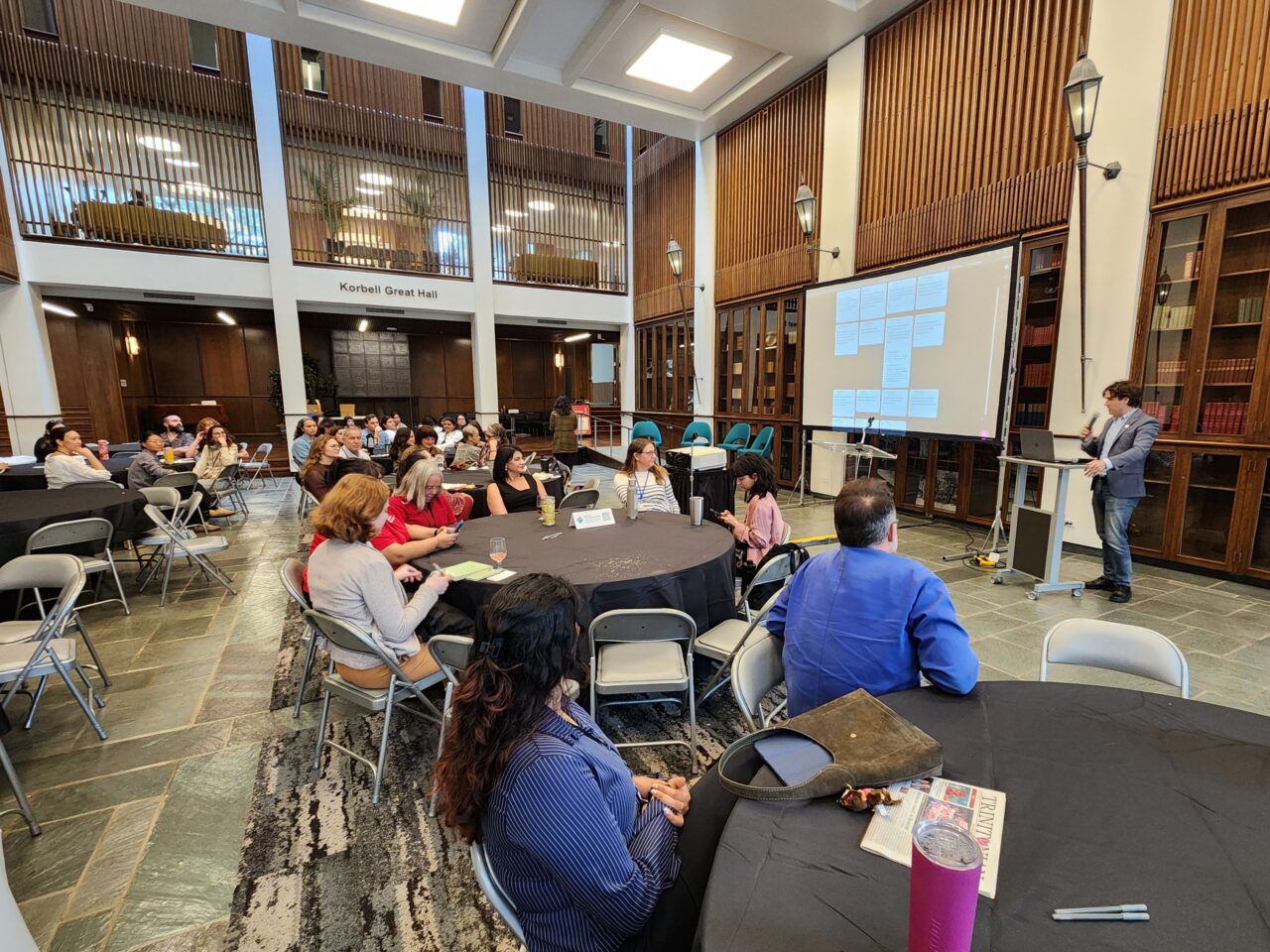
Meanwhile, discussions at the Electrification of Mobility panel explored how electric vehicles are transforming transportation and energy systems.
Panelists explained how EVs could soon function as part of the power grid itself, storing electricity in vehicle batteries and feeding energy back into the grid during periods of peak demand.
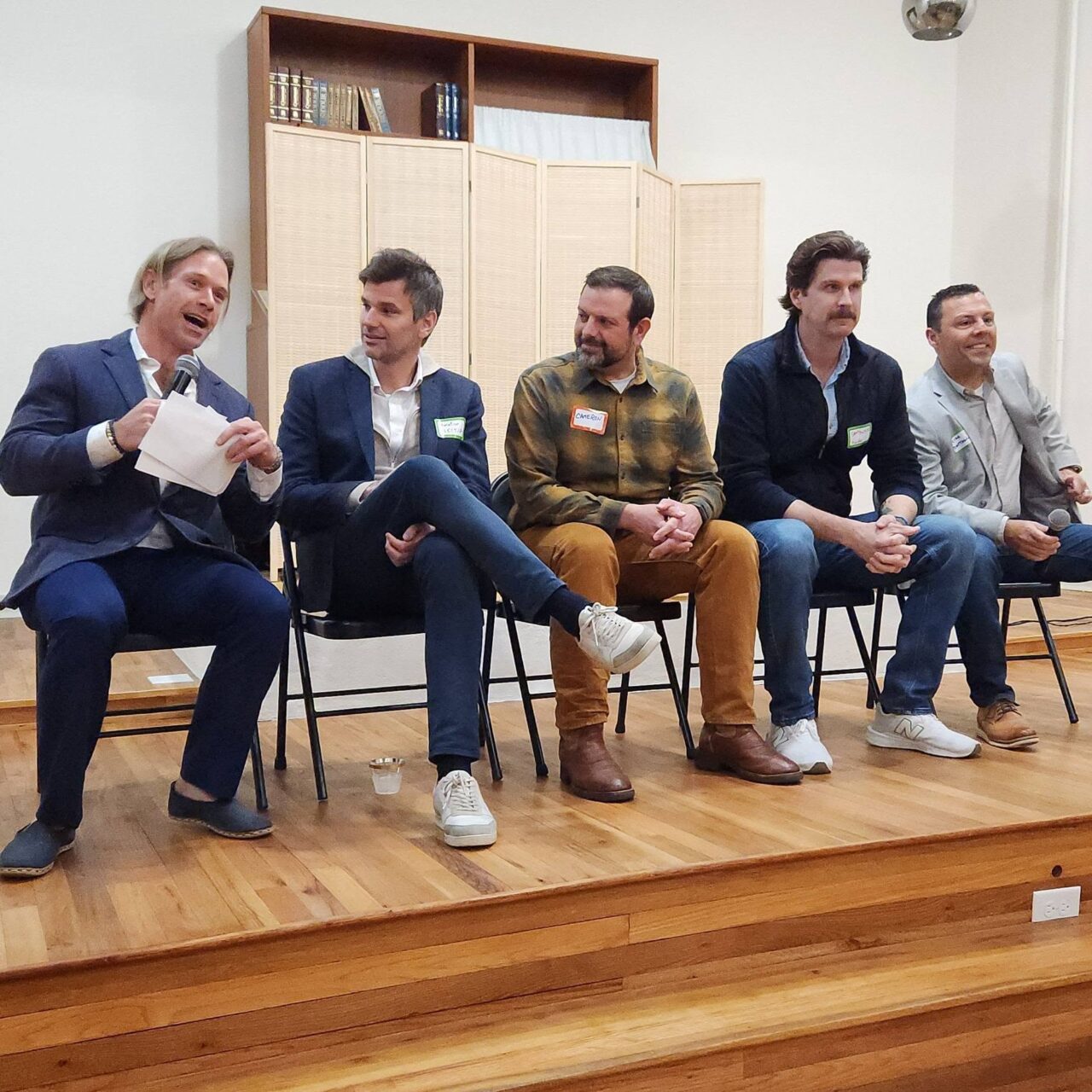
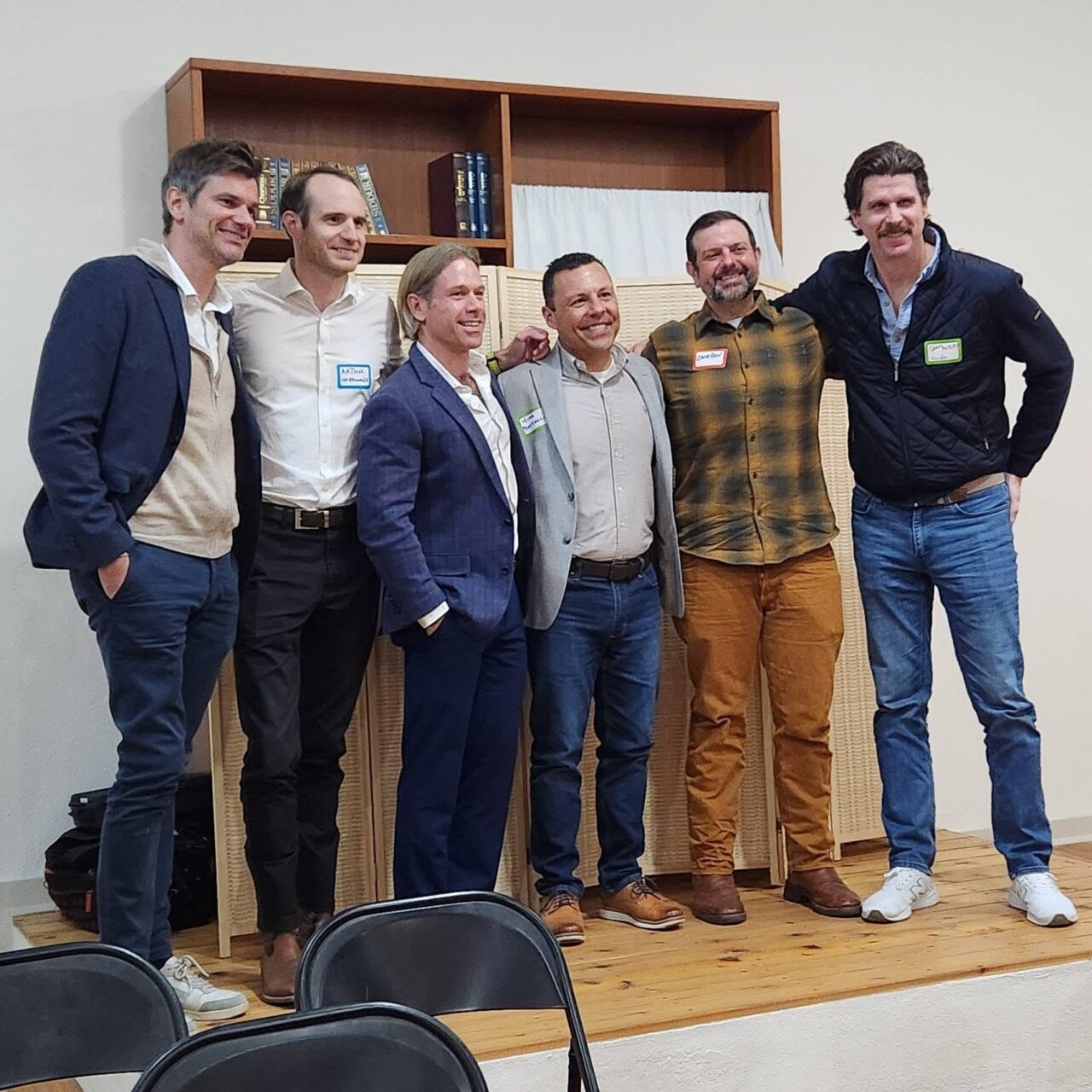

Taken together, these conversations illustrated how sustainability challenges are deeply interconnected.
Water systems affect agriculture and urban growth.
Energy systems influence transportation and economic development.
Material flows shape waste systems and manufacturing processes.
No single discipline can solve these challenges alone. Collaboration across sectors is essential.
The Role of Community in Sustainability
While many sustainability conversations revolve around technology and policy, some of the most meaningful experiences during this season came from community-driven events and volunteer efforts.
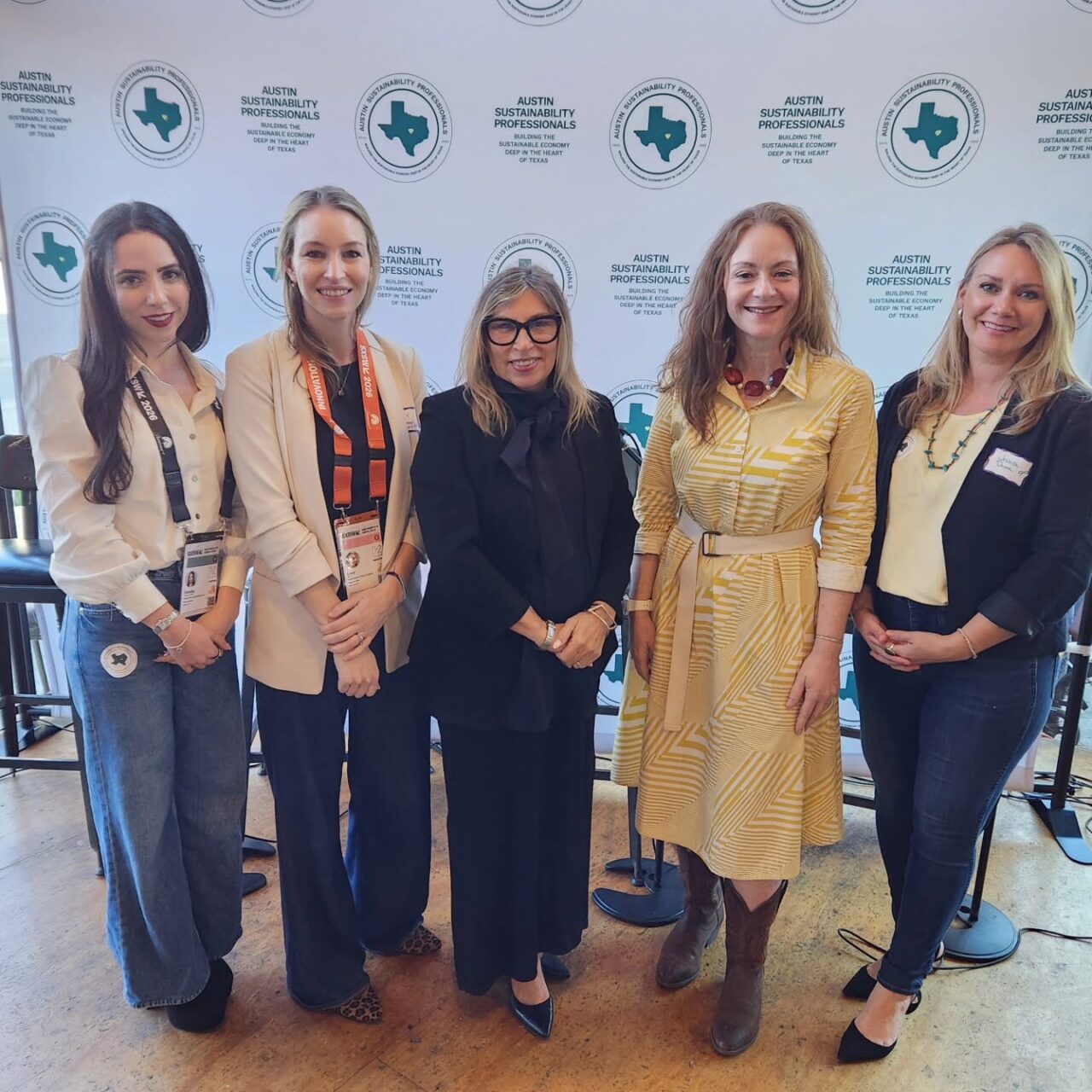
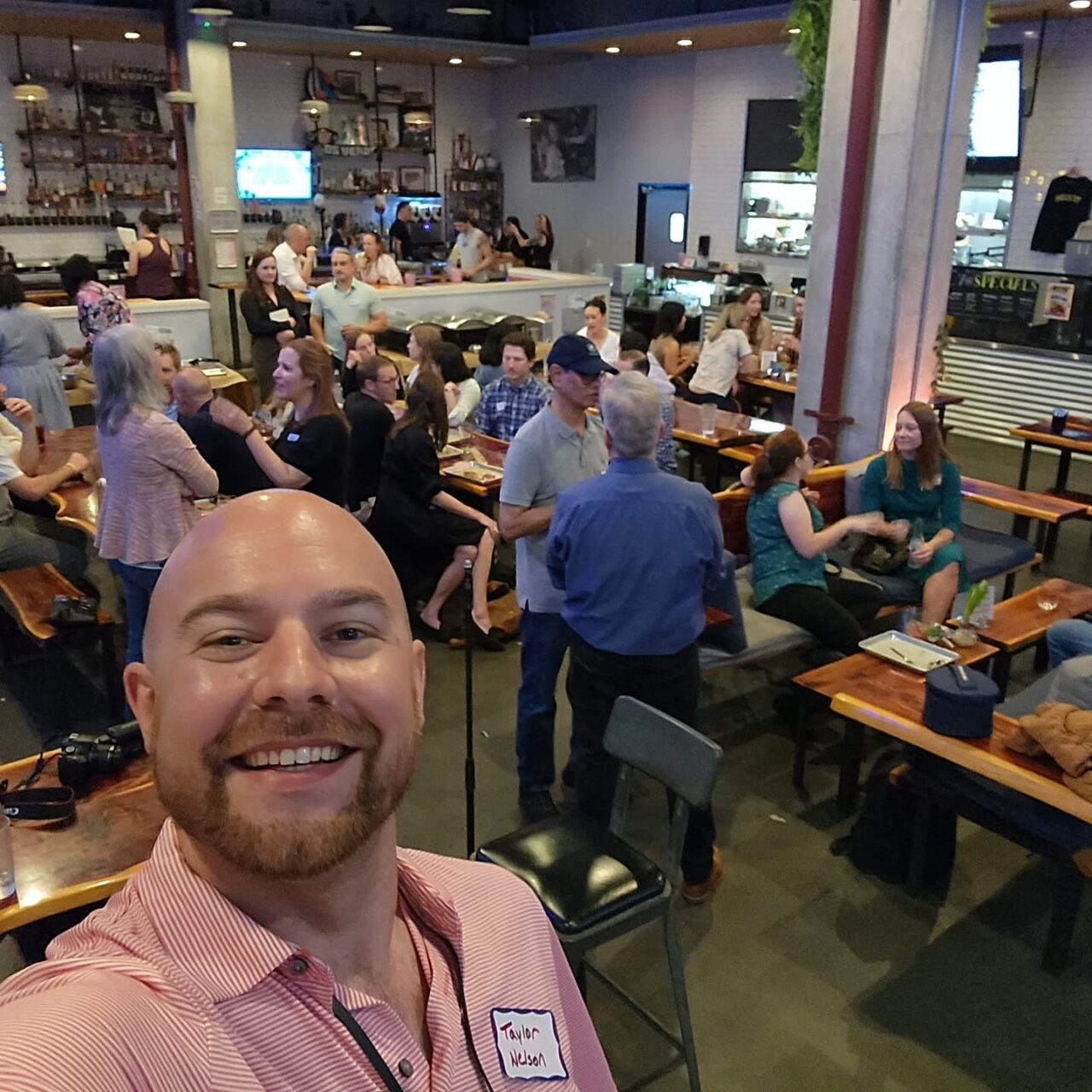
Meetups hosted by organizations like Texas Futures Coalition and Austin Sustainability Professionals created opportunities for people from different industries to connect and share ideas.
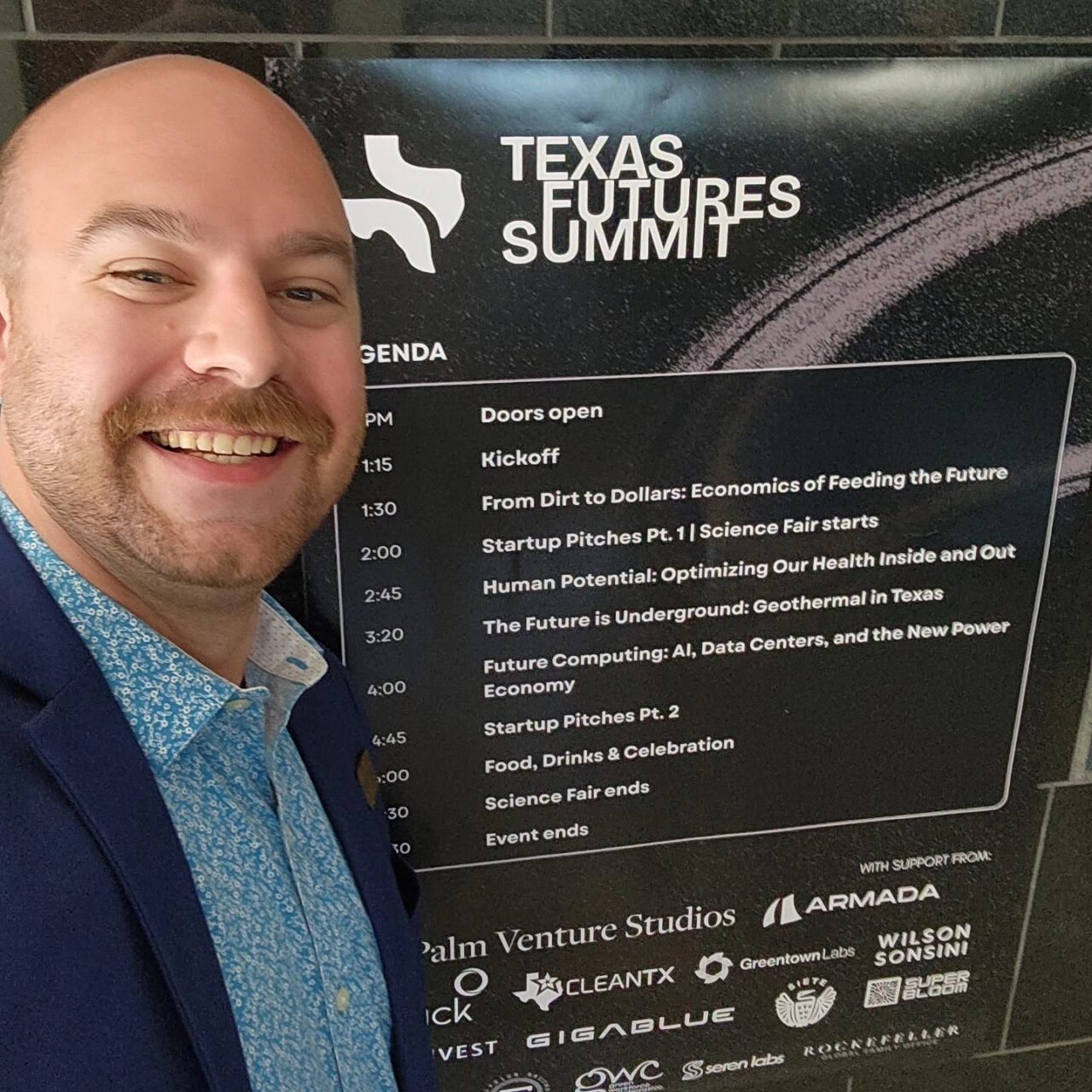


These gatherings often bring together a diverse mix of participants:
- Climate tech founders
- Environmental nonprofit leaders
- Sustainability consultants
- Students and researchers
- Local policymakers
Unlike formal conferences, these events tend to be more conversational. People share updates about projects they are working on, discuss emerging policy developments, and exchange ideas about how to address environmental challenges.
These kinds of gatherings help strengthen the broader sustainability network. They allow individuals working in different sectors to find common ground and explore potential collaborations.
Volunteering experiences reinforced the importance of community participation as well.
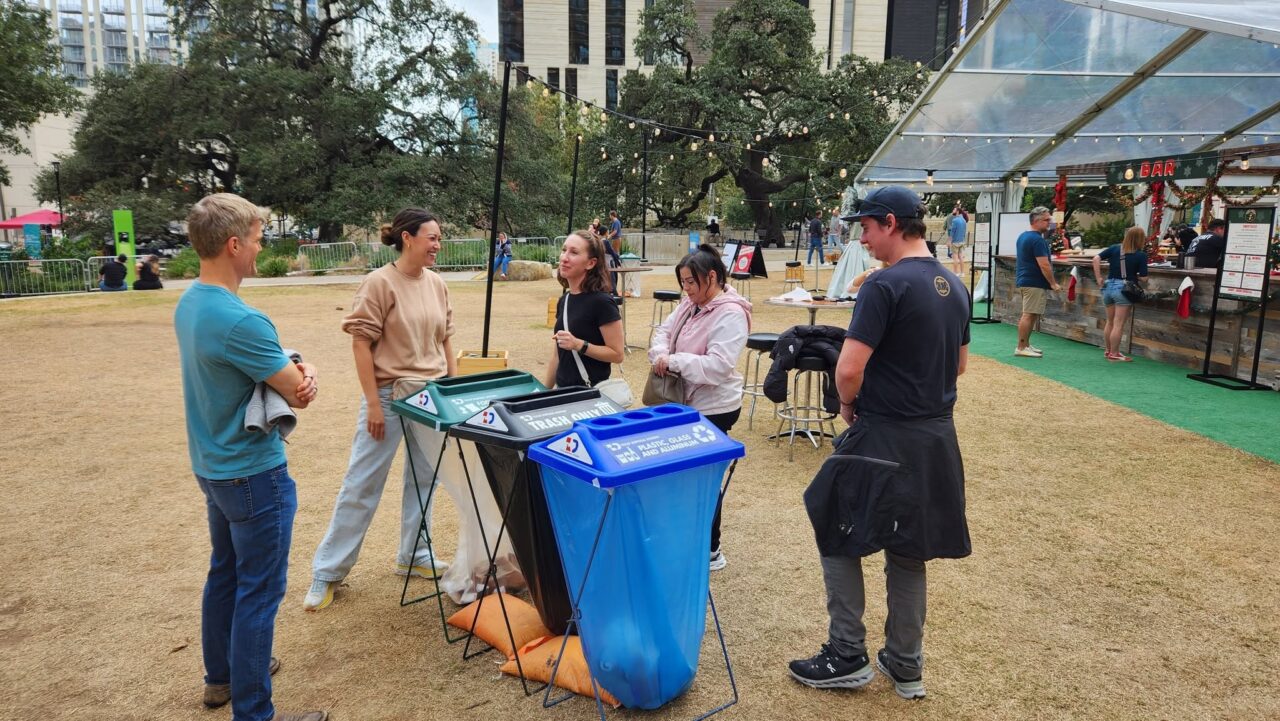
While helping manage waste diversion stations at the Oh What Fun! Holiday Market through the City of Austin’s Zero Waste Block Leader Program, I saw firsthand how sustainability initiatives depend on active participation from volunteers and community members.
Behind every compost bin or recycling station at a public event is a team of people helping guide attendees, answer questions, and ensure materials are sorted correctly.
Even smaller encounters can highlight the role of community engagement.

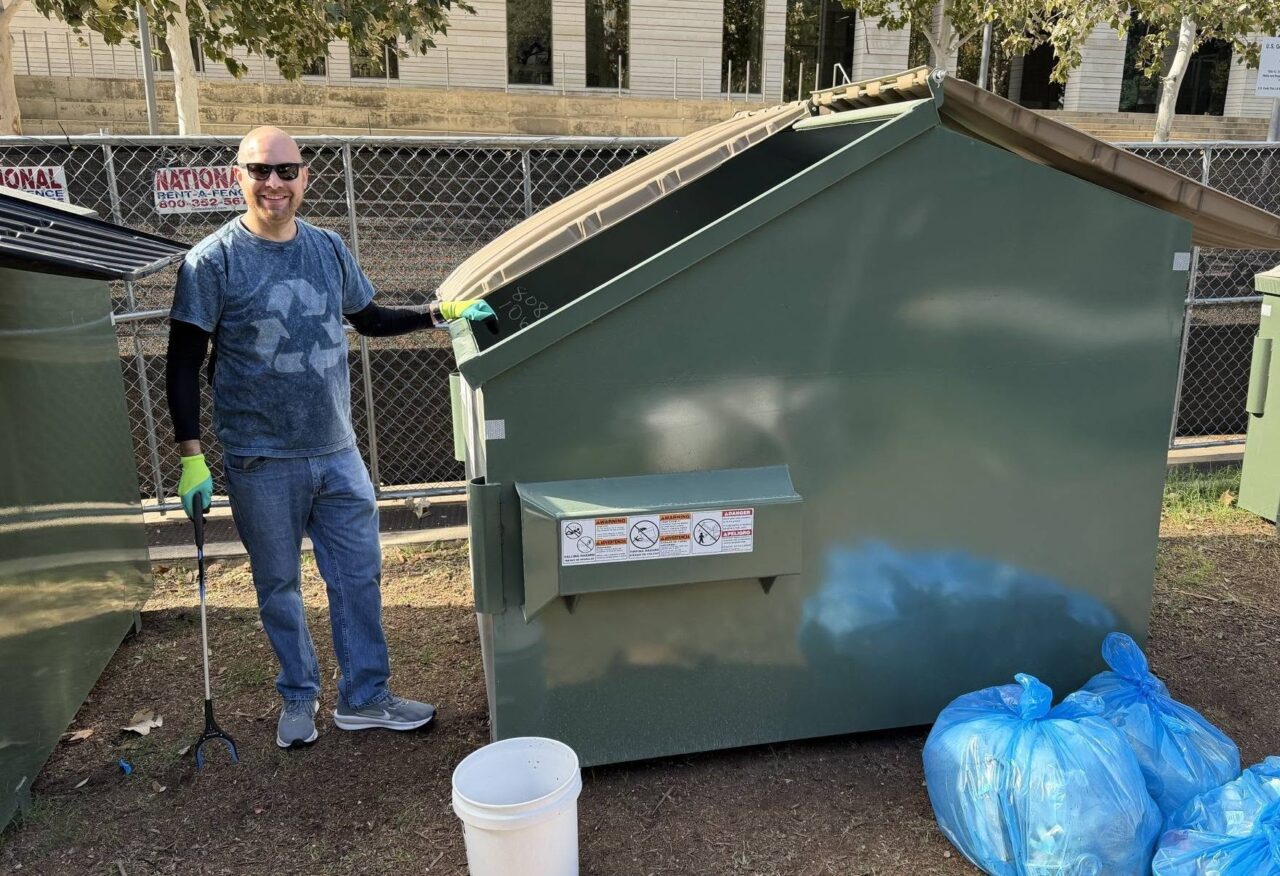
During a walk through my neighborhood one afternoon, I struck up a conversation with volunteers from The Nature Conservancy, who were raising awareness about water conservation and ecosystem protection.
What began as a quick conversation turned into an opportunity to learn more about their work and to support their efforts.
Moments like these show that sustainability is not driven only by institutions. It is also shaped by individuals taking small steps within their communities.
Ideas That Inspire Action
While many events focused on environmental policy or technology, others highlighted creativity and the power of storytelling.
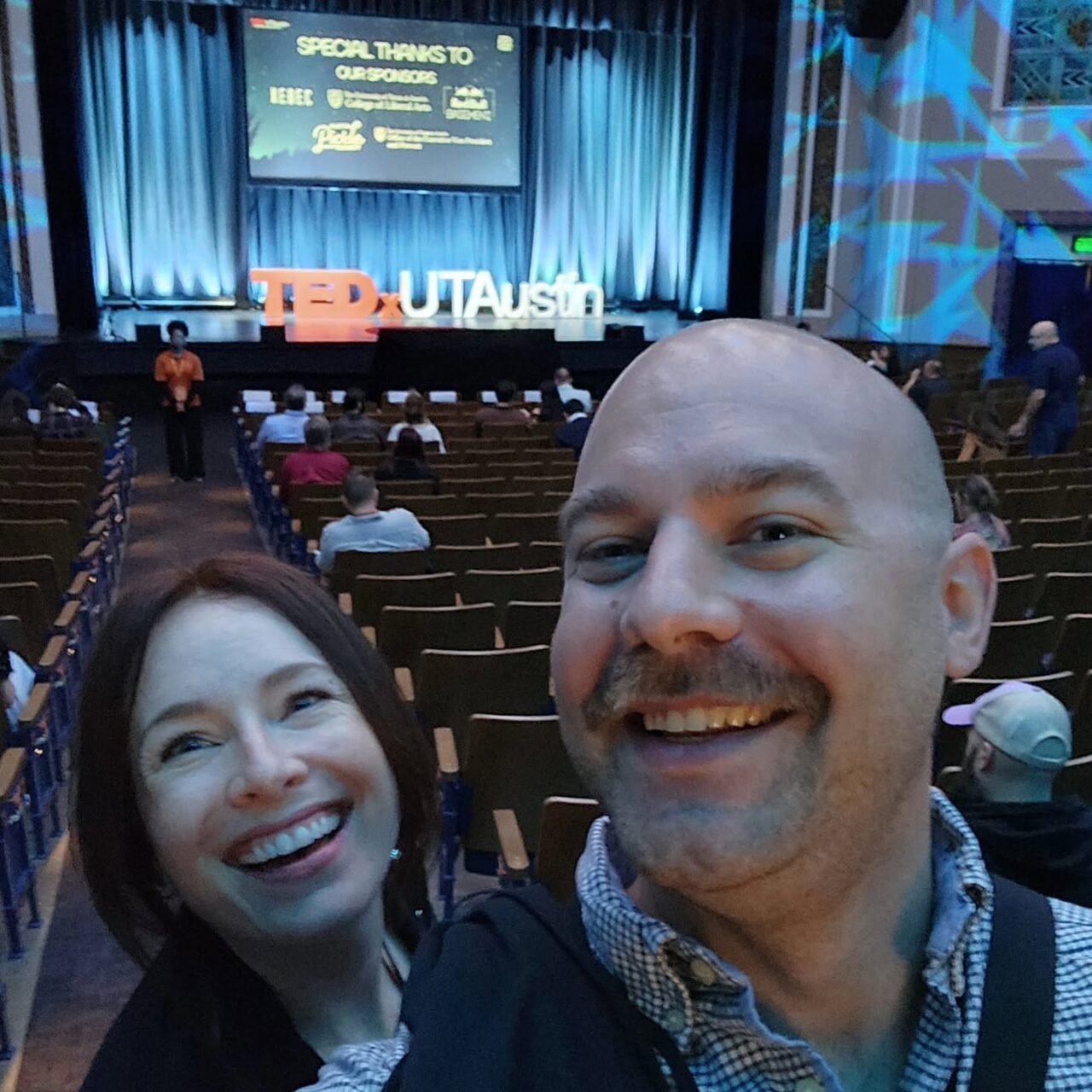
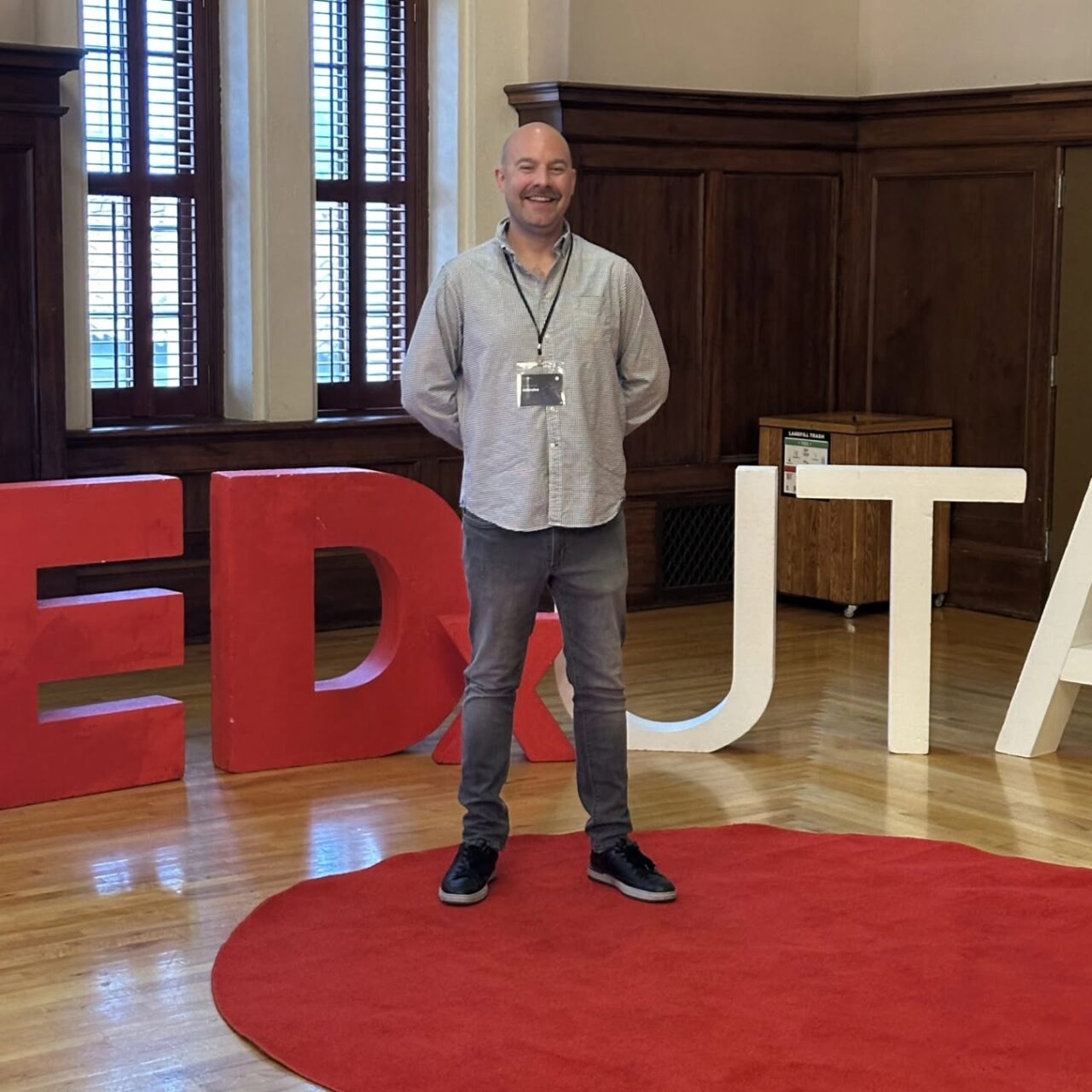
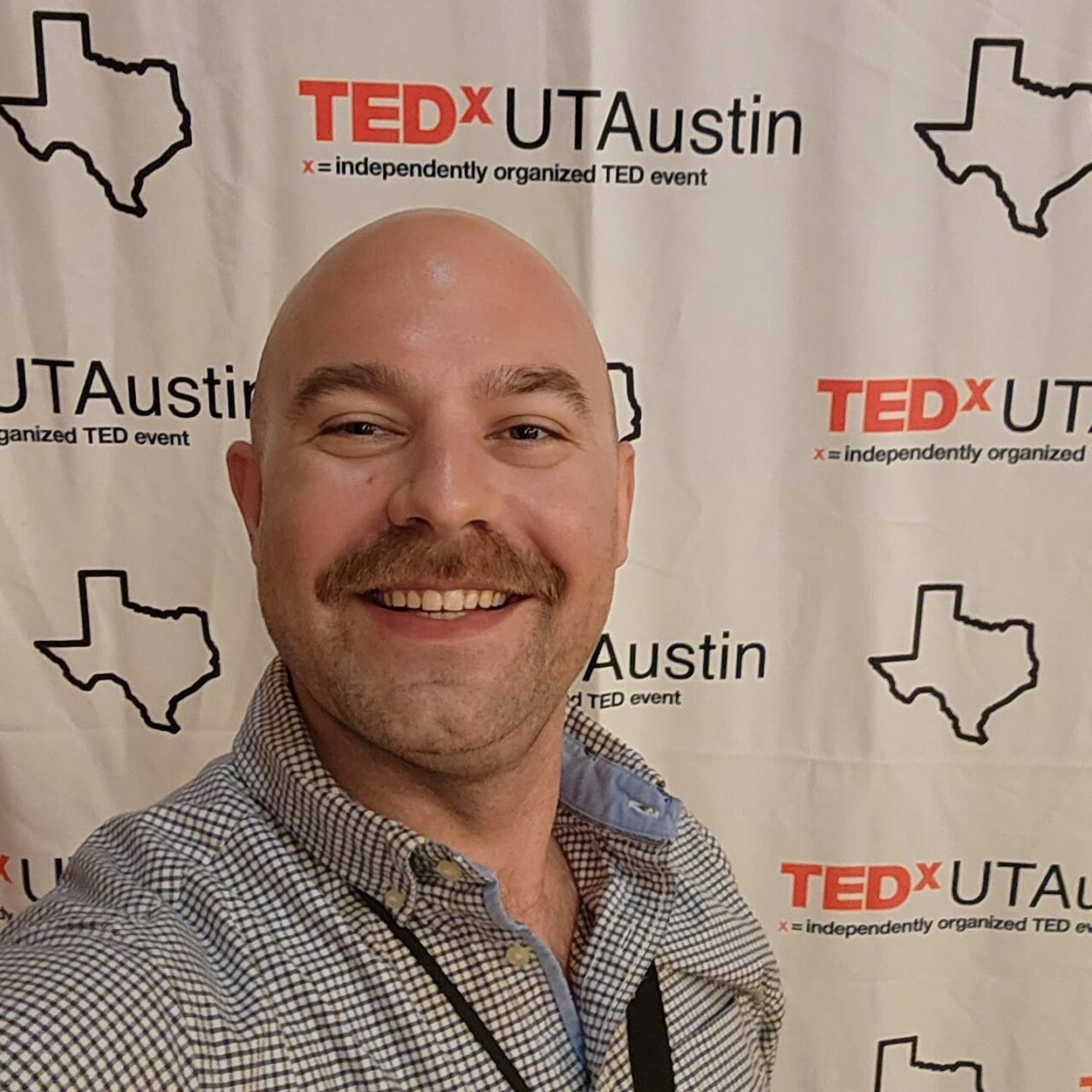
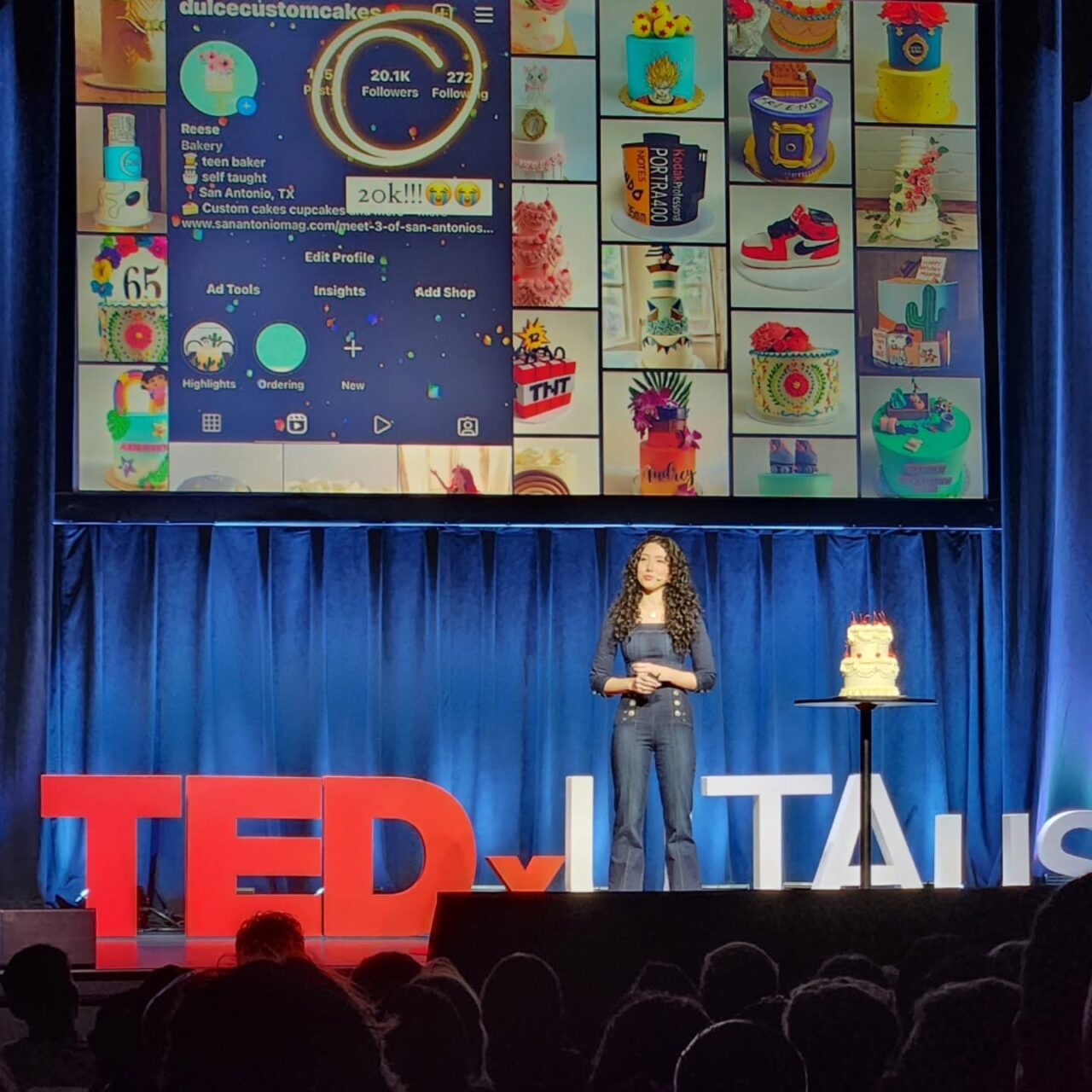
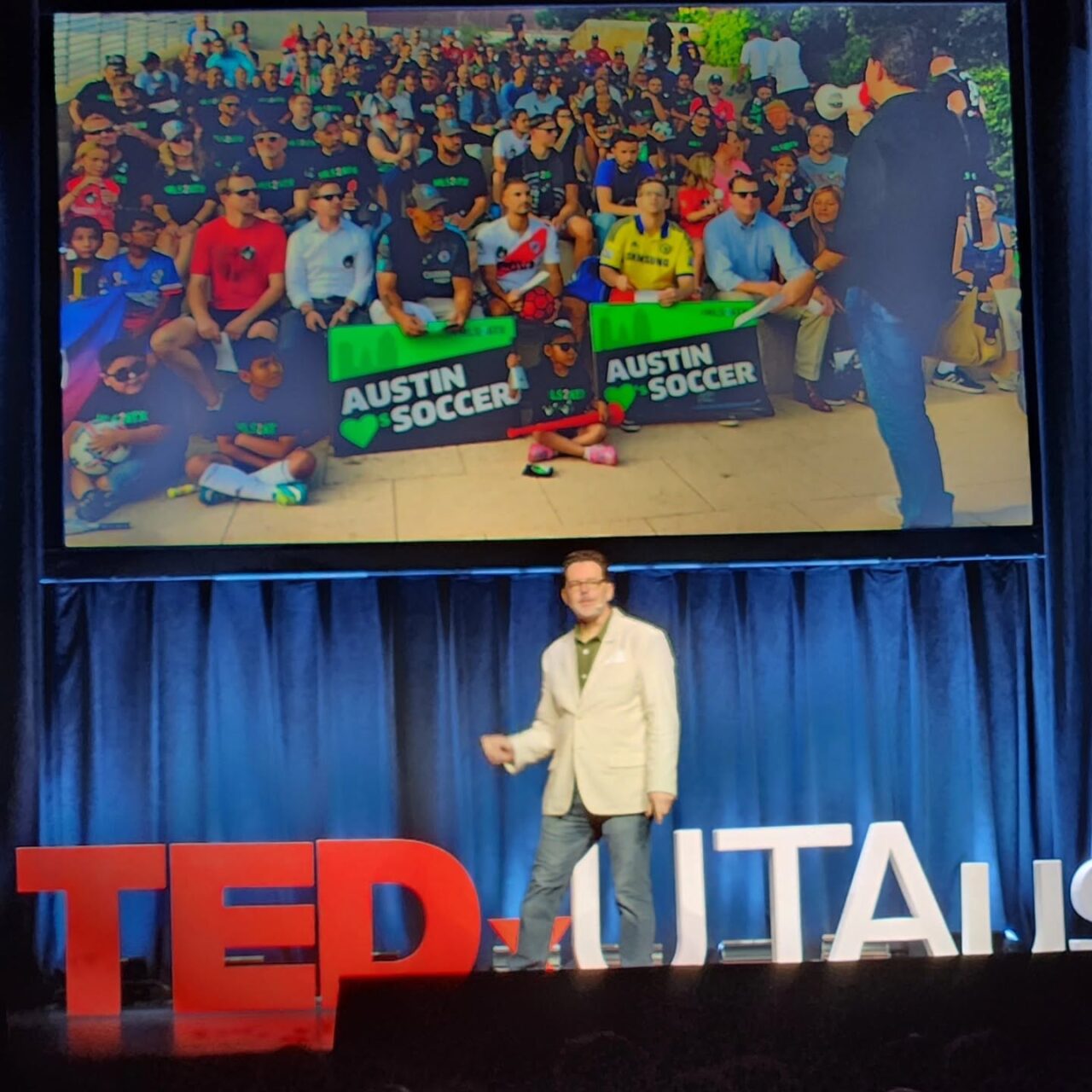
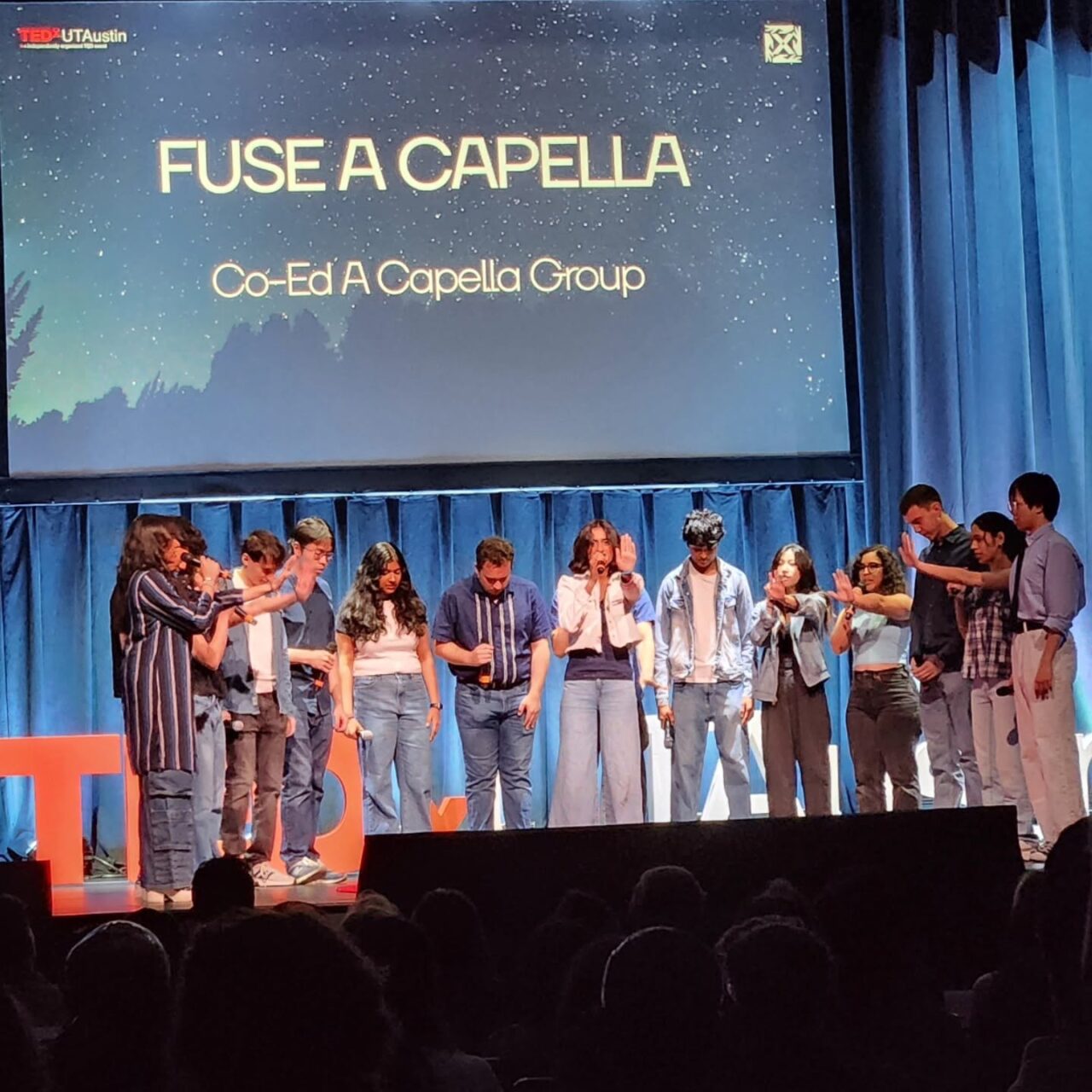
At TEDxUTAustin: Polaris, speakers explored topics ranging from architecture and medical mistrust to music culture and curiosity-driven discovery.
Not every presentation focused directly on sustainability, but the broader theme “finding direction in a rapidly changing world” resonated strongly with many of the environmental conversations happening elsewhere.
Innovation often happens at the intersection of disciplines. Events that bring together artists, entrepreneurs, scientists, and community leaders create space for new ideas to emerge.
Austin has long been known for its blend of technology, creativity, and entrepreneurship, and that spirit was evident throughout the event. These gatherings remind us that sustainability solutions are not always purely technical. They often require creative thinking, cultural awareness, and the ability to communicate complex ideas in ways that inspire action.

Looking Beneath the Surface
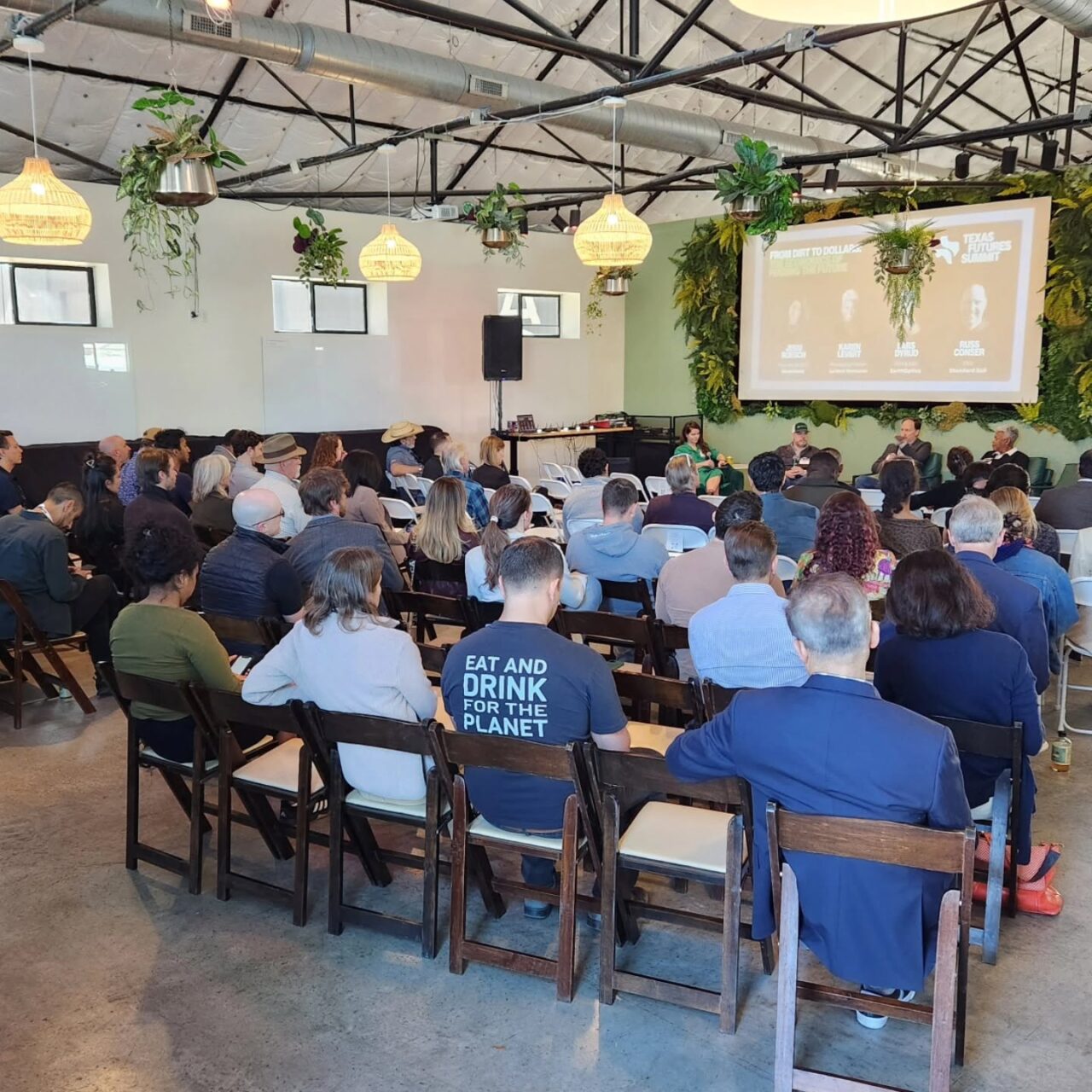
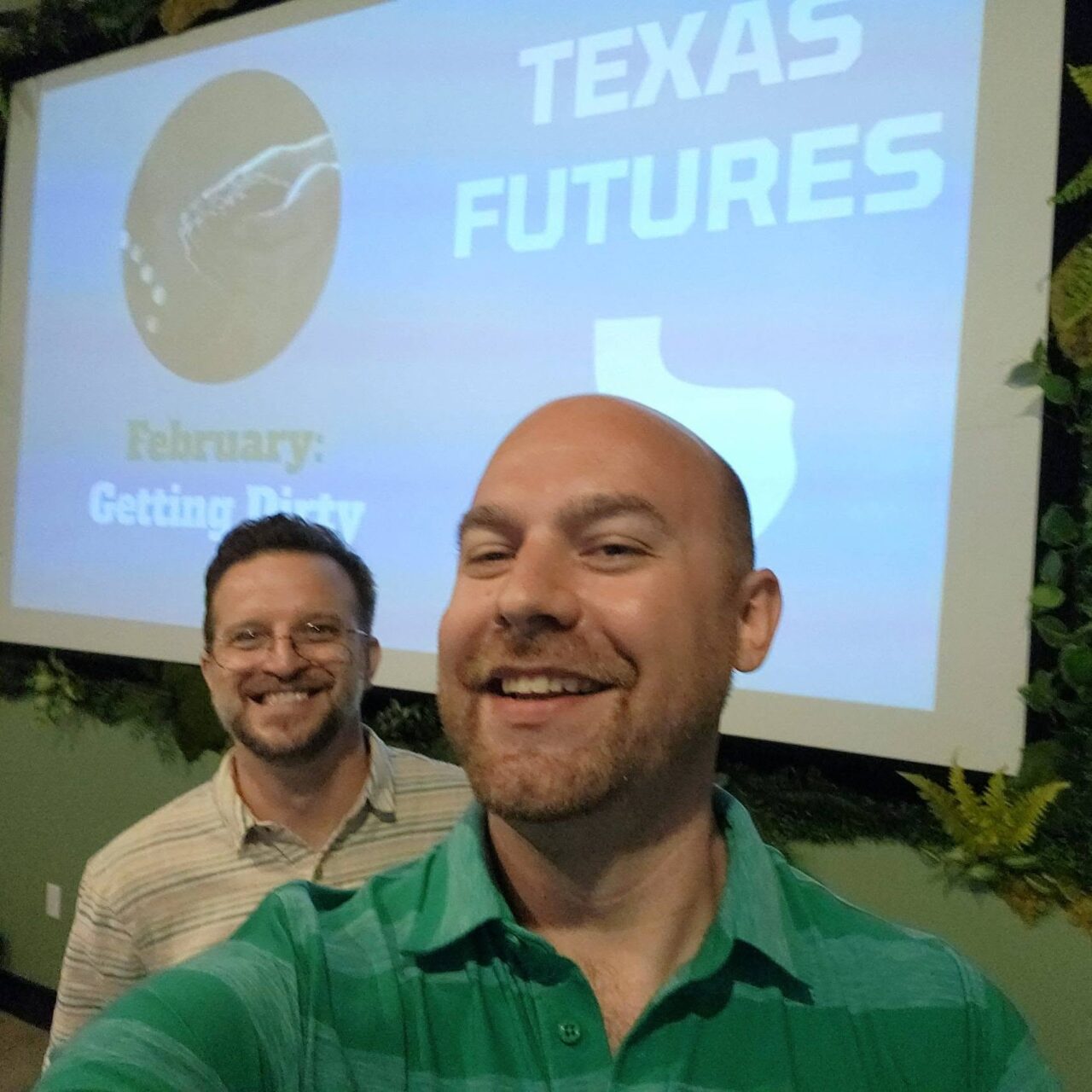
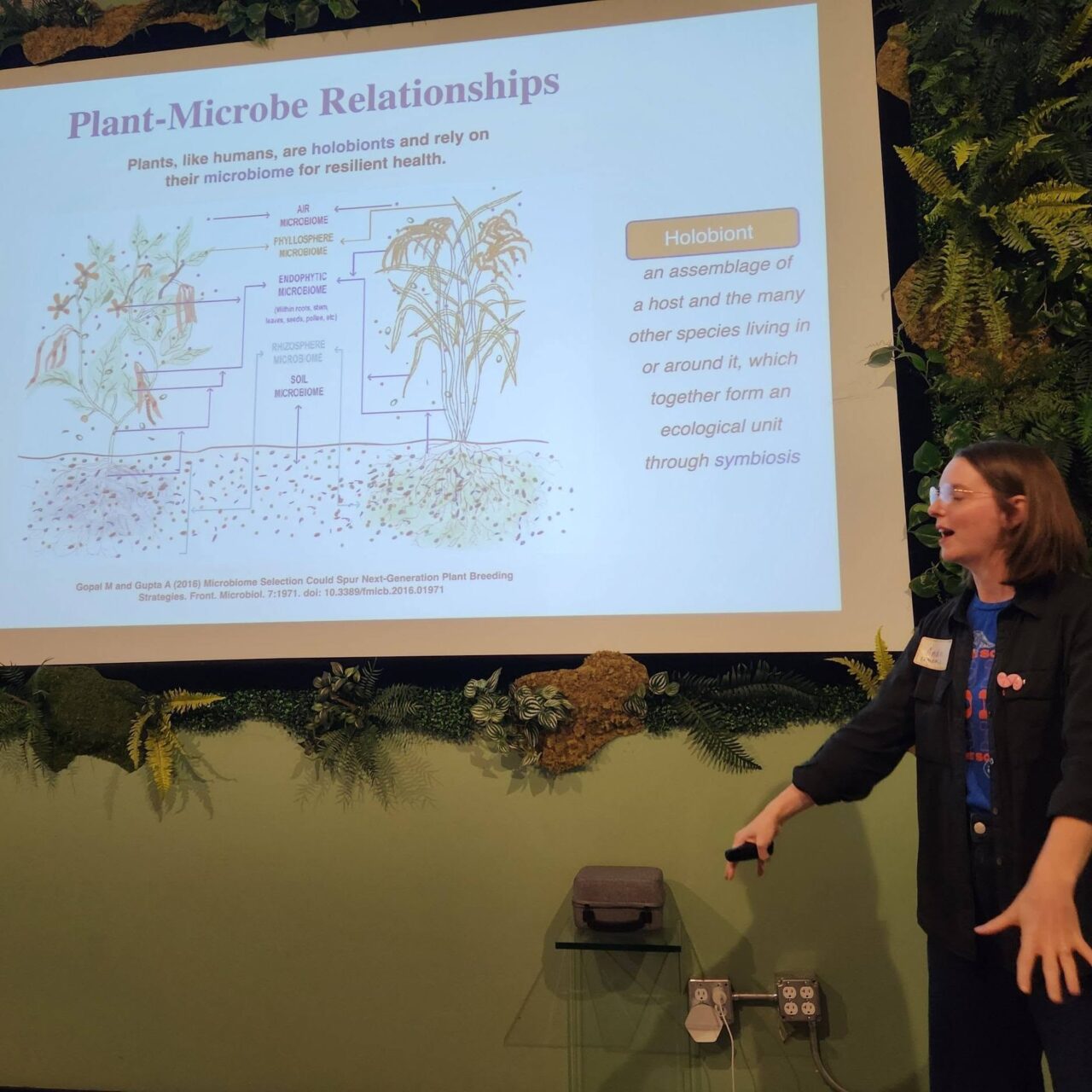
One of the most surprising insights from this season came from a panel titled “Getting Dirty: The Potential of the Ground We Walk On.”
The session explored the science of soil ecosystems and how healthy soil supports everything from agriculture to climate resilience. Experts explained how soil is a living system filled with microorganisms, fungi, and complex biological interactions that help plants grow and ecosystems function.
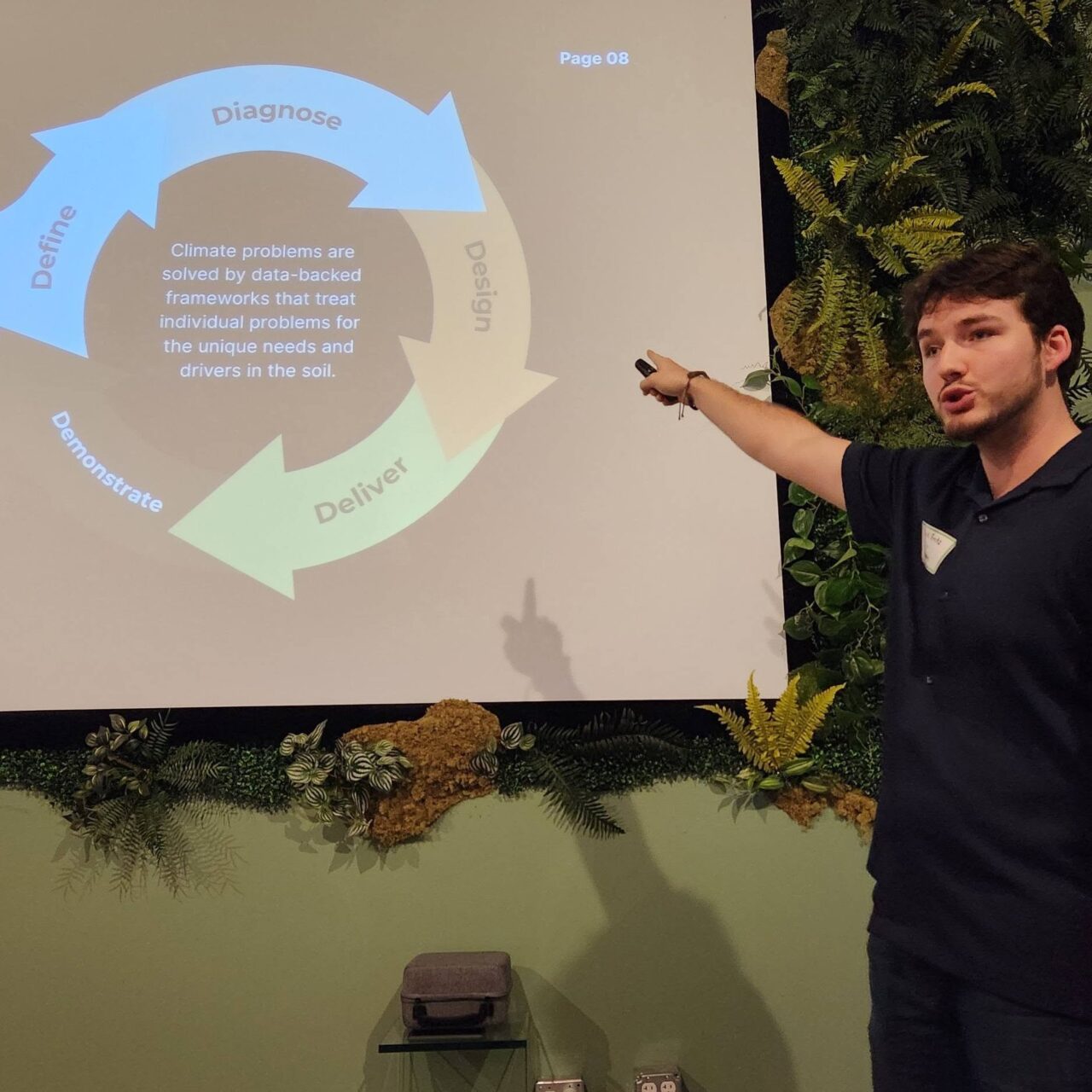
Healthy soil provides multiple environmental benefits:
- It absorbs water more effectively, reducing flooding and erosion
- It stores carbon, helping mitigate climate change
- It supports biodiversity
- It enables sustainable agriculture
Despite its importance, soil is often overlooked in environmental conversations. The panel served as a reminder that some of the most powerful sustainability solutions already exist within natural systems.
Understanding and restoring those systems may be just as important as developing new technologies.
Wrap-Up: Sustainability as a Network of People
Looking back on this season of sustainability events across Texas, I’m struck by how interconnected these experiences were.
A water conservation symposium connects to conversations about urban growth and resource management. A circular economy conference intersects with discussions about construction practices and waste systems.
Panels about soil ecology highlight the importance of natural systems that support agriculture and climate resilience.
Even informal meetups and volunteer efforts play an important role by building relationships among people working toward similar goals.
Perhaps the most encouraging takeaway from this season is the realization that sustainability is no longer a niche topic.
It is becoming integrated into conversations about infrastructure, technology, business strategy, and community development.
The challenges ahead remain complex. But the growing network of individuals and organizations committed to addressing them offers reason for optimism.
As the years continue, I look forward to staying engaged with this evolving ecosystem and seeing how the ideas and connections formed during these events grow into real-world solutions.
*Content was generated with AI based on my notes and direction, then edited and refined by me for accuracy.