Water issues can feel technical, distant, or overwhelming. Film can change that.
At the Water, Texas Film Festival at the Bob Bullock Museum, short films and the featured public documentary debut of “Hope for the Guadalupe” turned topics like regional flooding, conservation, restoration, infrastructure, and community recovery into stories people could see, hear, and feel.
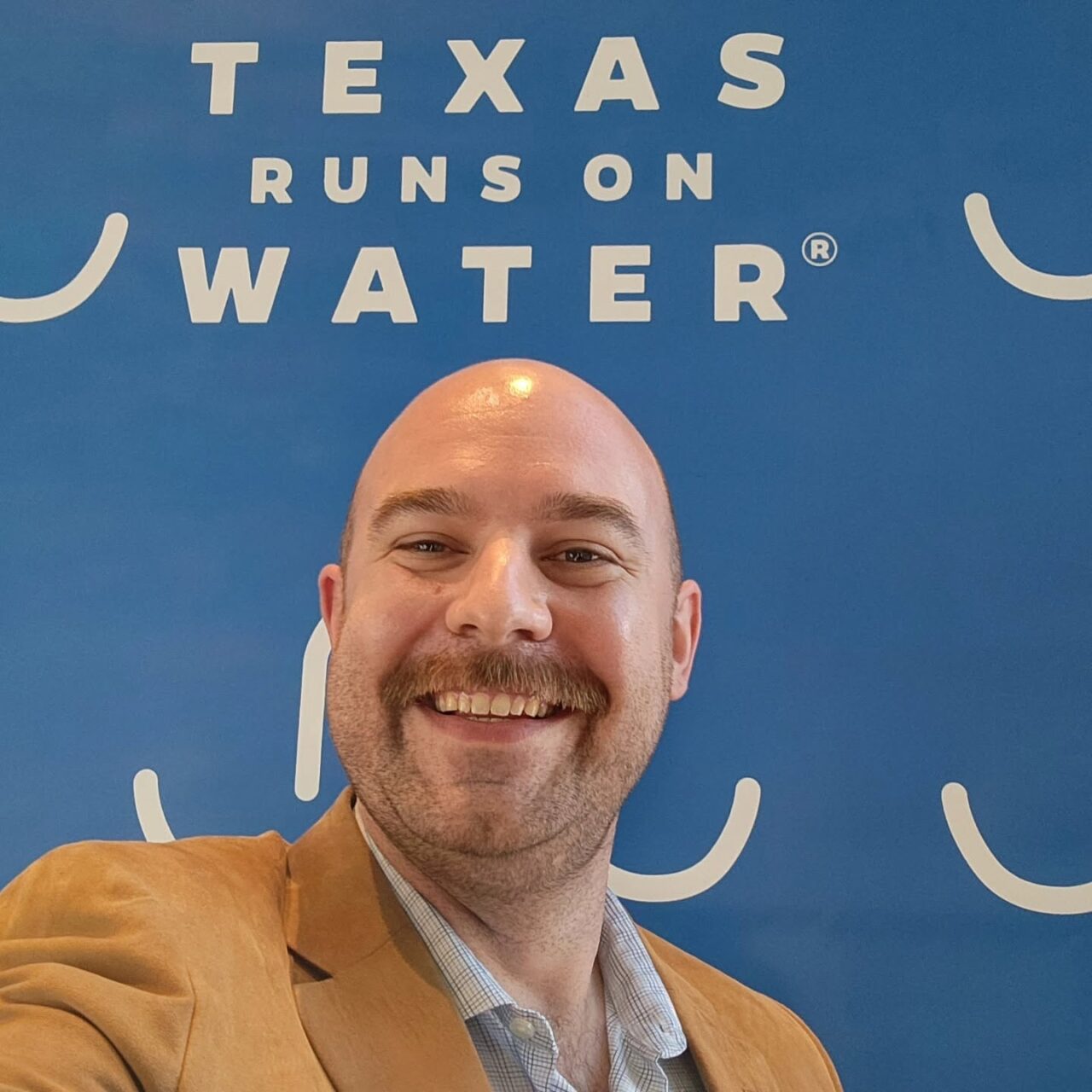
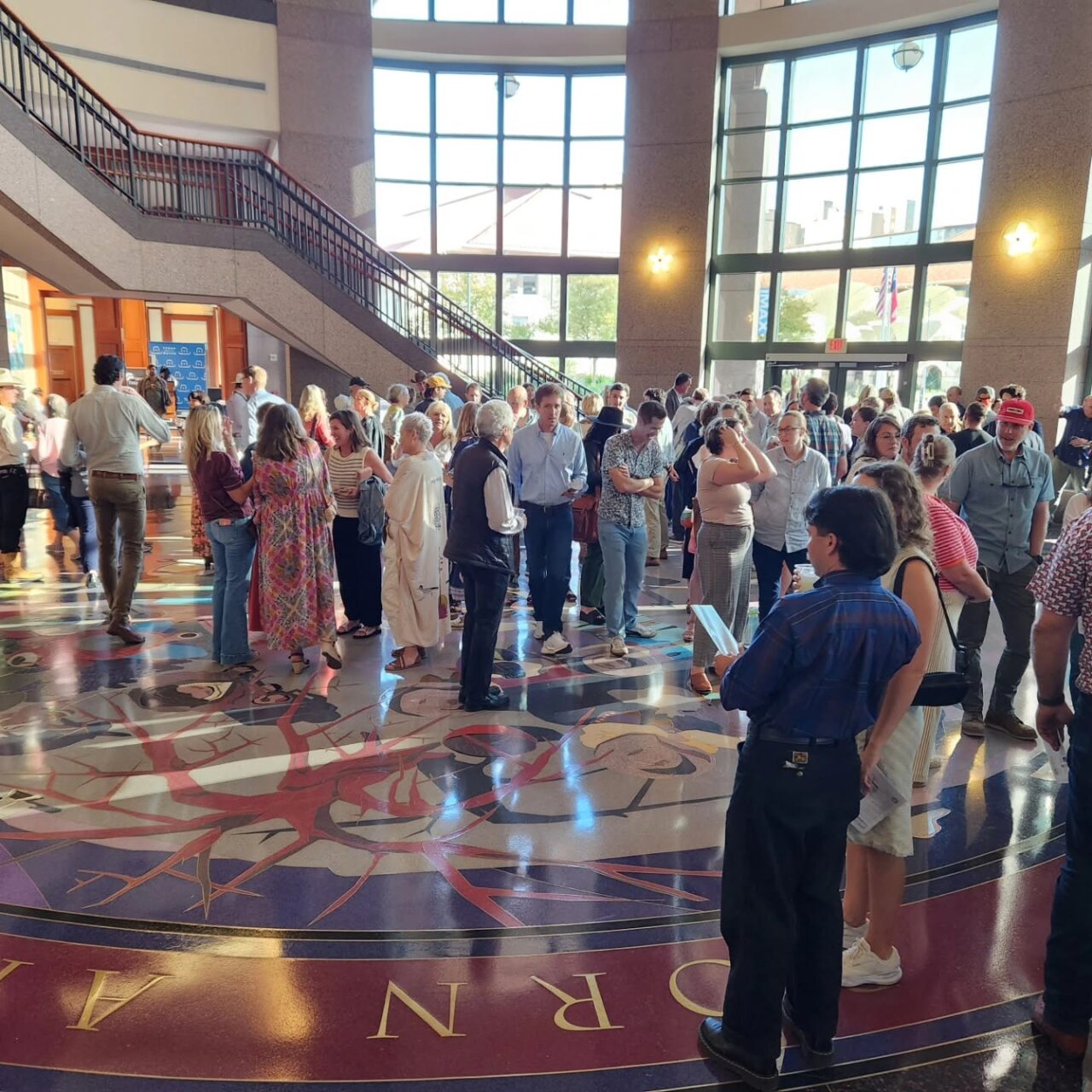
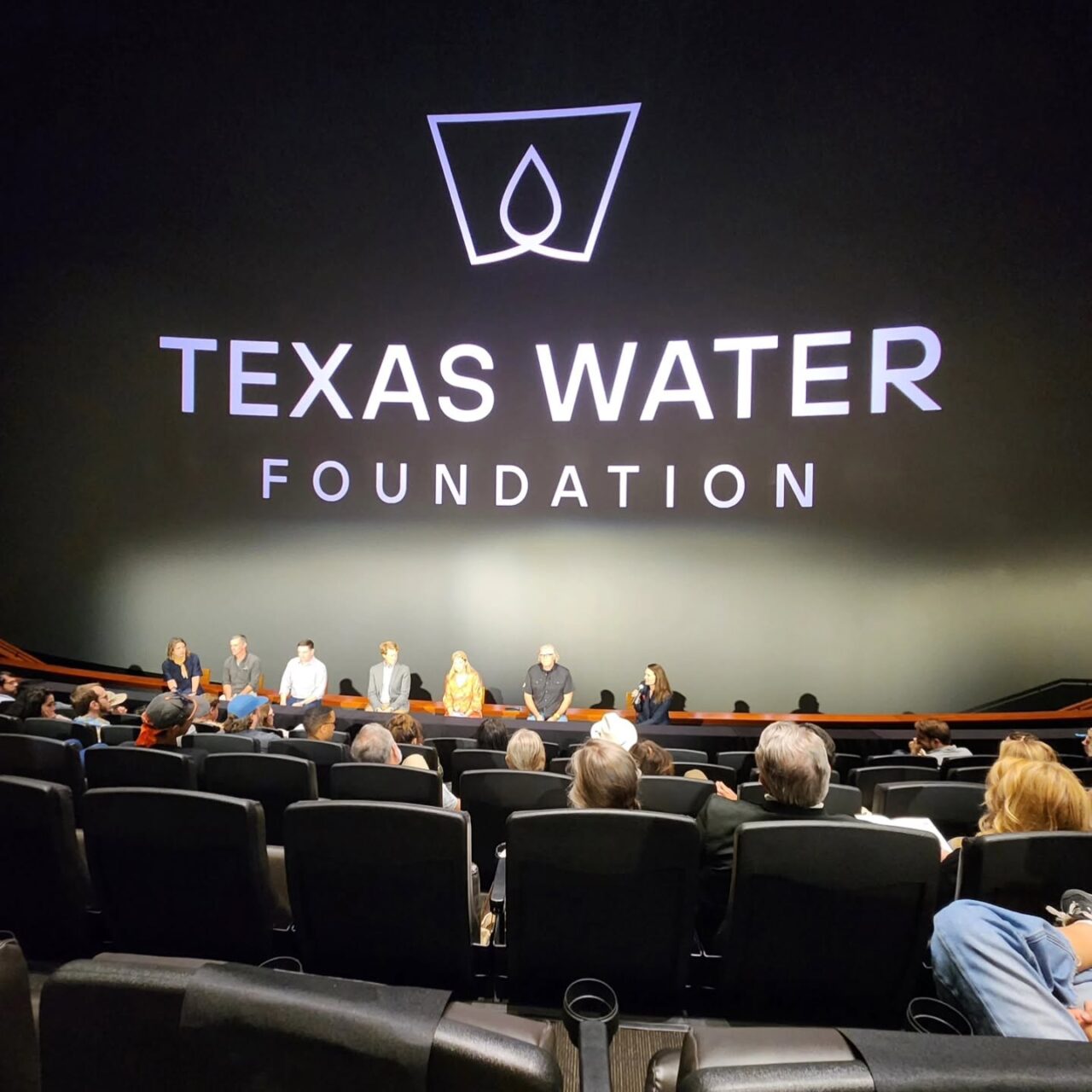
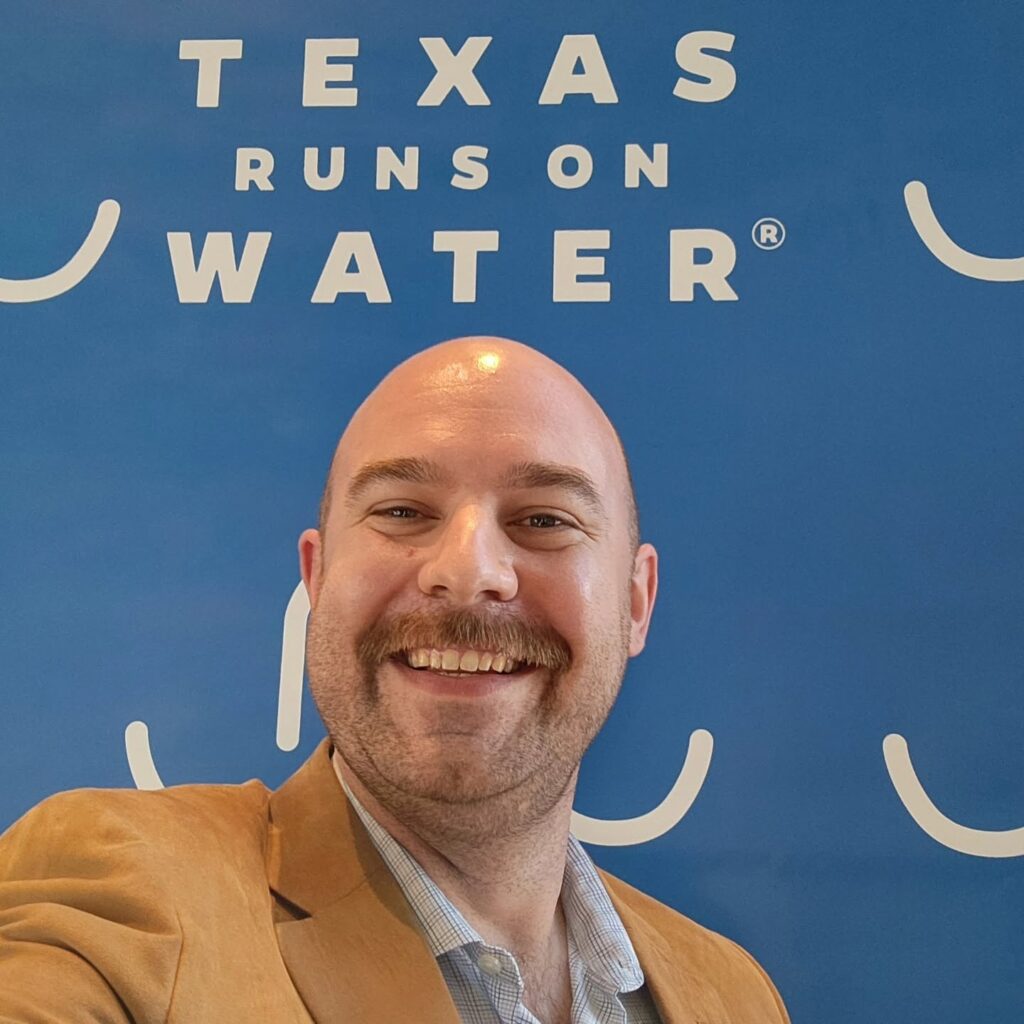
This was my second year attending, and it remains one of the most memorable sustainability and storytelling events in Austin.
More Than Facts and Statistics
Environmental communication often relies on data, reports, and expert explanations. Those tools are important, but they do not always create an emotional connection.
Film can show:
- What flooding looks like for families and neighborhoods
- How rivers and habitats change over time due to impacts
- What restoration work requires and the support needed
- How volunteers and scientists respond after a disaster
- Why conservation matters to neighboring communities
That human element helps audiences understand that water issues are not only environmental problems. They affect homes, livelihoods, public safety, recreation, wildlife, and local community identity.
Stories from Across Texas
The festival included student films, conservation documentaries, and stories with plenty of Texas personality. Some were educational. Others were emotional, creative, or unexpectedly funny.
A few highlights included:
- Student filmmakers exploring environmental issues
- Conservation stories focused on Texas waterways
- Fire Sky Creek, which brought some fun unusual “Keep Austin Weird” energy (*Filmed in San Antonio, TX)
- Charlie, a leak-detection dog who quickly became a crowd favorite
The variety made the event accessible. Not every film approached water in the same way, and that helped show how broad the issues and relations with water really are.
Hope for the Guadalupe
The premiere of Hope for the Guadalupe was one of the most impactful moments of the evening. The film examined the human and environmental effects of flooding along the Guadalupe River, along with the start of the long process of recovery and restoration afterward.
What stayed with me was the scale of cooperation involved. Recovery required participation from:
- Residents
- Volunteers
- Scientists
- Conservation organizations
- Local leaders
- Community groups
- People willing to contribute time and resources
The film showed that environmental recovery and community recovery are often closely connected.
When a river is damaged, people feel the effects. When a community is rebuilding, restoring the surrounding environment can also become part of the healing process.
The Value of the Panel Discussion
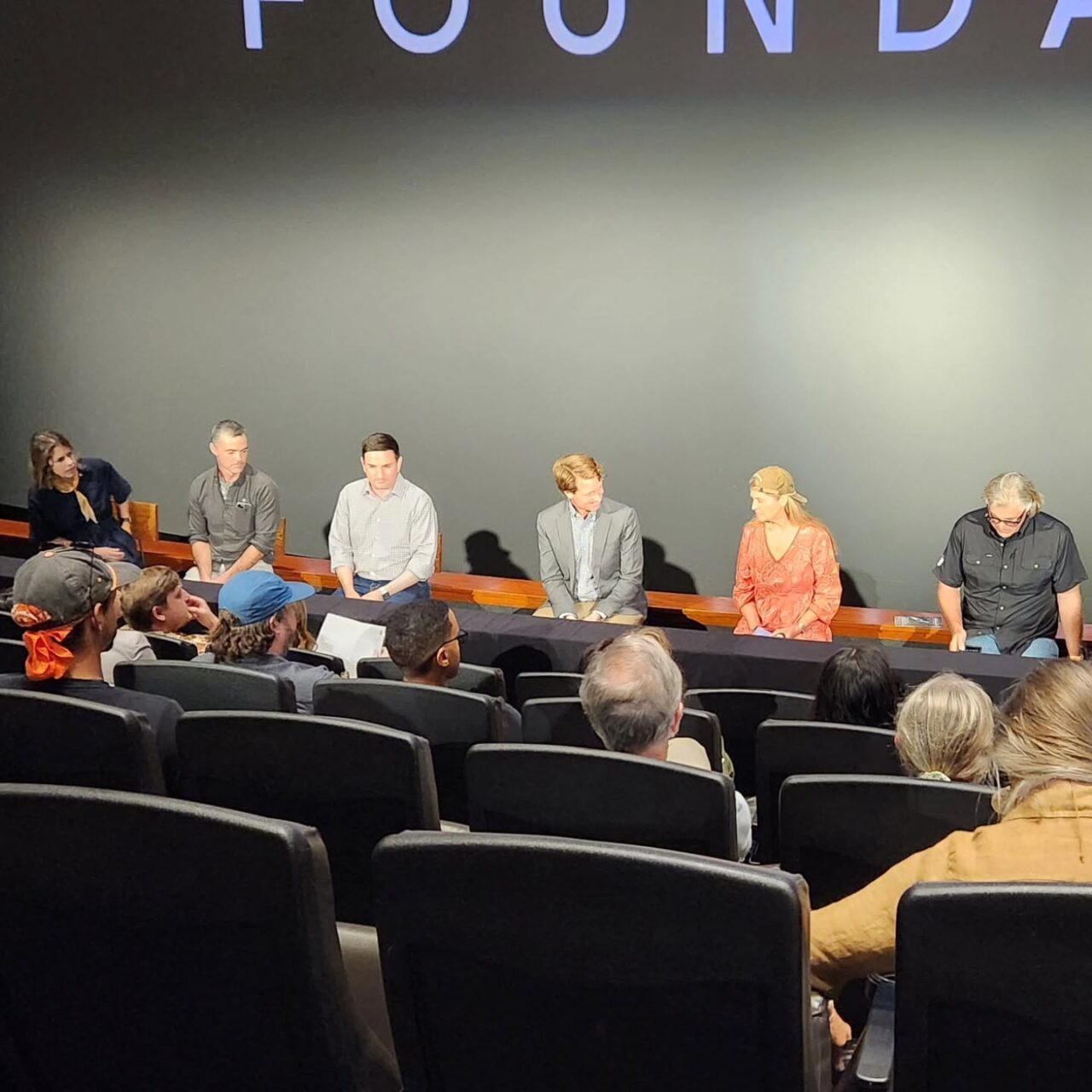
The conversation after the films added another layer to the evening. Hearing directly from people who were impacted and lost loved ones, those involved in restoration and recovery, and the documentary filmmaker helped connect the finished film to the difficult and painstaking work happening behind the scenes.
The panel reinforced several ideas:
- Recovery can take years in ideal situations
- Collaboration matters to move progress forward
- Local knowledge is as valuable as scientific knowledge
- Volunteers can make major differences in immediate and long-term needs
- Scientific expertise and community participation work best together when understood by all
- Stories can help sustain attention after the immediate crisis fades and help learn from history
That final point is especially important.
Public interest often peaks during a disaster and declines once the headlines move on. Storytelling can keep people connected to the long-term work that continues afterward.
Making Environmental Issues Relatable
The strongest environmental stories do more than explain a problem. They help people understand why it matters.
A well-told story can make someone care about a river they have never visited, a species they have never seen, or a community they have never met. It can also encourage people to:
- Learn more
- Donate
- Volunteer
- Change a behavior
- Support conservation programs
- Pay closer attention to local water issues
That is why storytelling is such a valuable part of sustainability work.
Water Is Personal
The Water, Texas Film Festival reminded me that water connects nearly every part of life. It shapes communities, landscapes, agriculture, recreation, wildlife, infrastructure, and public health. When water systems are damaged or disrupted, the effects spread quickly.
Facts help us understand the scale of those challenges. Stories help us understand why we should care.
When environmental storytelling works well, water stops feeling like an abstract issue. It becomes personal.
*Content was generated with AI based on my notes and direction, then edited and refined by me for accuracy.