
Exploring the Future of Electric Mobility
On January 22, 2026, I attended a panel discussion hosted by Energy Innovation Hub titled “The Electrification of Mobility, Autonomy, and Implications for the Grid.” The event brought together energy experts, transportation innovators, and sustainability professionals to explore how electric vehicles (EVs) and emerging transportation technologies are transforming infrastructure and energy systems.
The conversation focused on how electrification is changing not just the vehicles people drive, but also the power grid, urban planning, and the broader energy economy. As EV adoption accelerates and cities rethink transportation systems, the implications extend far beyond individual cars.
The panel highlighted how electrification, autonomy, and smart grid technologies are beginning to converge in ways that could fundamentally reshape how communities move, consume energy, and plan infrastructure for the future.
What I Experienced
The event brought together a diverse audience of professionals working in energy, sustainability, and technology sectors. As discussions around climate solutions increasingly focus on transportation emissions, electrification has become one of the most visible areas of innovation.
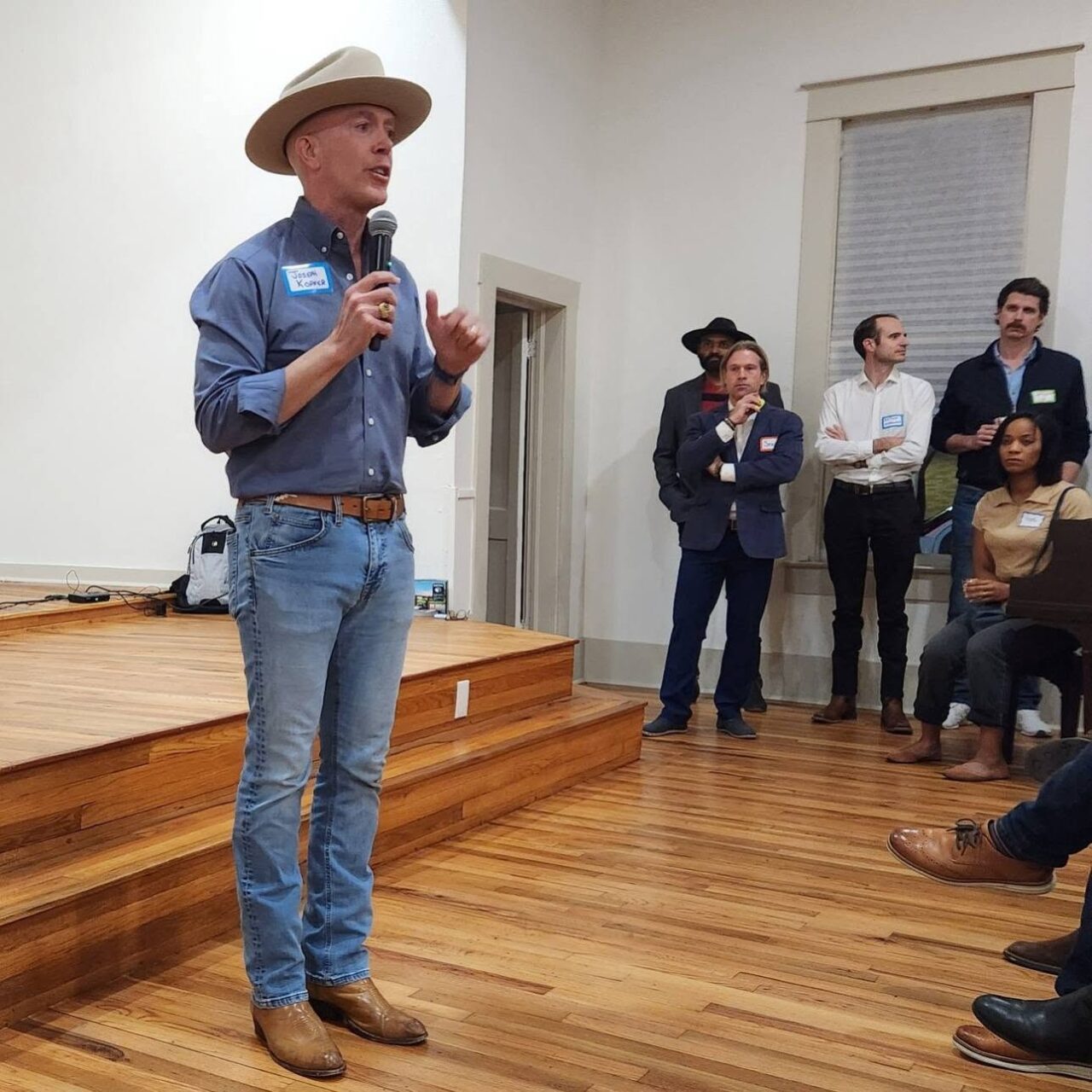
The evening began with a powerful story shared by Joseph Kopser, who described his experiences serving in Iraq. During that time, unreliable electricity disrupted essential parts of daily life, affecting schools, jobs, and the broader functioning of communities. His story highlighted how energy access is not simply a technical issue = it has direct human consequences.
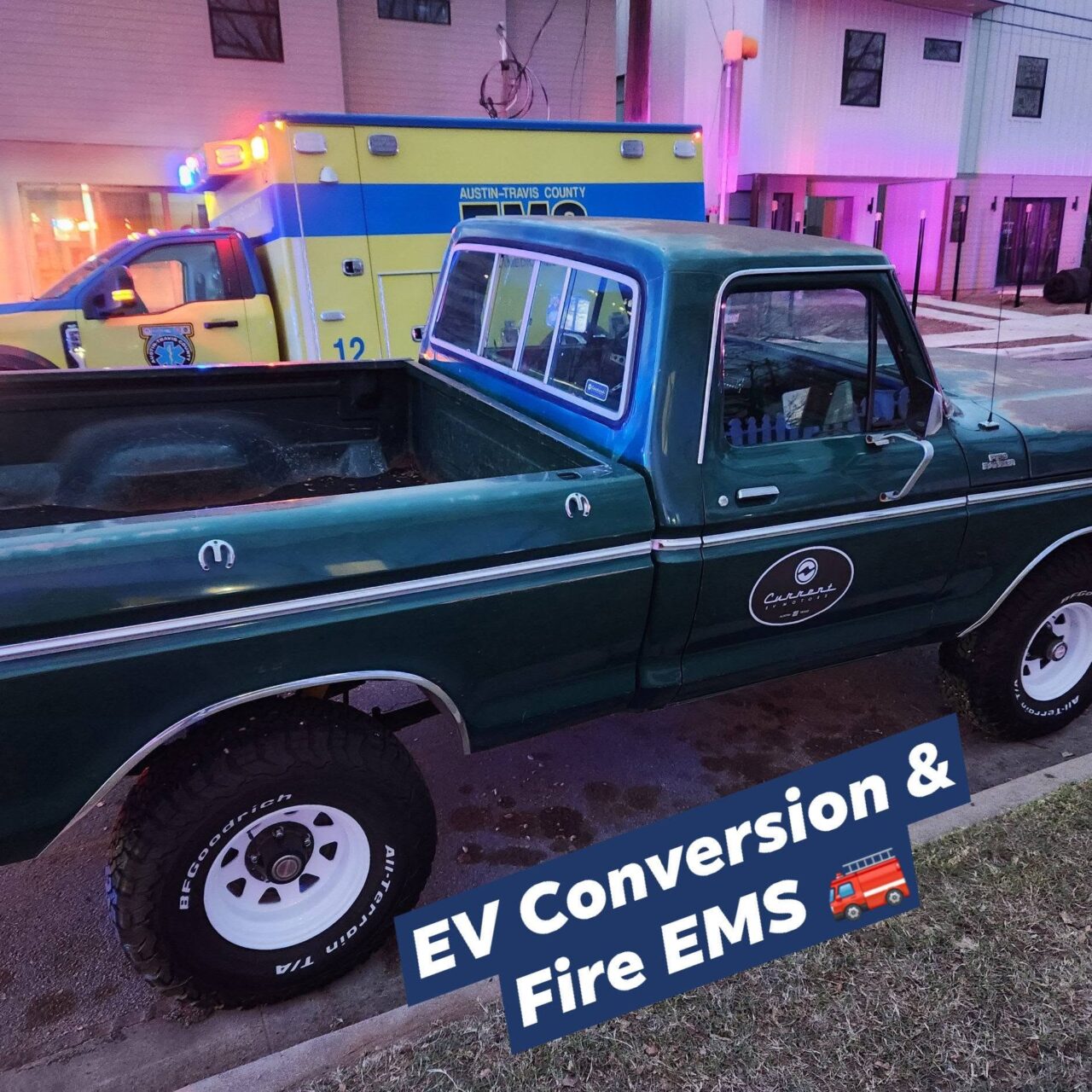
From there, the conversation shifted to how electrification is reshaping transportation systems in the United States and globally. Representatives from organizations including Austin Energy, Blink Charging, and Einride discussed how rapidly EV infrastructure is expanding and how that growth is affecting the electric grid.
One point that stood out was how quickly EV adoption is accelerating. Some panelists noted that the rise in electricity demand from EV charging could rival the growth in energy demand from AI data centers, making transportation electrification one of the most important trends shaping the energy sector.


Key Themes and Takeaways
Several major themes emerged during the panel discussion.
Electric Vehicles Are Becoming Part of the Grid
One of the most interesting ideas discussed was the concept of EVs acting as mobile energy storage units.
With vehicle-to-grid technologies, EV batteries could potentially store electricity and feed it back into the grid when demand spikes. This capability could help stabilize energy systems while integrating more renewable power sources.
In other words, vehicles may soon function not just as transportation tools, but also as part of the broader energy infrastructure.
Fleets Will Drive Early Adoption
While individual consumer adoption of EVs continues to grow, panelists emphasized that commercial fleets may play an even larger role in accelerating electrification.
Delivery trucks, freight vehicles, and autonomous fleets are already beginning to transition toward electric systems. Because fleets operate at scale, electrifying them can produce significant emissions reductions and create new opportunities for infrastructure development.
Charging Infrastructure Must Evolve
Another important topic was the need for smarter charging systems.
As EV adoption increases, cities and utilities will need to manage when and where vehicles charge. Smart pricing, grid-responsive charging systems, and improved infrastructure planning can help prevent energy demand spikes while maximizing the use of renewable energy.
Designing flexible systems will be essential for balancing energy demand across growing cities.


Panelists and Discussion Topics
The event featured several speakers representing different parts of the electric mobility ecosystem.
Joseph Kopser
Topic: Energy access and the human impact of electricity systems
Kopser opened the discussion by sharing a personal story about how unreliable electricity affected communities during his time in Iraq. His perspective emphasized that energy systems are deeply tied to social stability, economic opportunity, and quality of life.
Representatives from Austin Energy
Topic: Grid readiness and energy infrastructure
Speakers from Austin Energy discussed how utilities are preparing for the rapid growth of EV adoption and the resulting changes in electricity demand. They highlighted the importance of planning grid upgrades and integrating renewable energy resources.
Blink Charging
Topic: Charging infrastructure development
Blink Charging representatives discussed the expansion of EV charging networks and the importance of making charging more accessible across urban areas and transportation corridors.
Einride
Topic: Electric freight and autonomous transportation
Einride shared insights into the future of electric freight transportation, including the development of autonomous and electric trucks designed to improve logistics efficiency while reducing emissions.

About the Electrification of Mobility Conversation
Events like this reflect a growing recognition that transportation electrification is not just a technological shift = it’s an infrastructure transformation.
Electric vehicles, charging networks, smart grids, and autonomous systems are increasingly interconnected. Decisions made today about energy policy, infrastructure investment, and urban design will shape how transportation systems evolve in the coming decades.
Cities like Austin are particularly important testing grounds for these ideas, given their rapid growth and strong focus on sustainability innovation.
Why Electrification Matters
Transportation is one of the largest sources of greenhouse gas emissions in the United States. Electrifying vehicles offers a pathway to reduce emissions while improving air quality and energy efficiency.
At the same time, electrification introduces new challenges. Utilities must prepare for higher electricity demand, cities must plan for charging infrastructure, and businesses must adapt to evolving transportation technologies.
Understanding how these systems interact will be essential for building resilient and sustainable energy networks.
Wrap-Up
Attending the Electrification of Mobility panel provided a valuable perspective on how transportation and energy systems are beginning to merge.
The discussion reinforced that EVs are not simply replacing gasoline cars = they are part of a much larger transformation involving infrastructure, energy markets, and urban planning.
One of the biggest takeaways for me was the importance of thinking about electrification as a system-level change, not just a technological upgrade. From grid resilience to freight logistics, the future of transportation will depend on how well these systems work together.
Events like this help bring together the experts, innovators, and community members needed to navigate that transition.
*Content was generated with AI based on my notes and direction, then edited and refined by me for accuracy.