My first month with Austin Resource Recovery quickly showed me that community engagement is about much more than standing behind an information table.
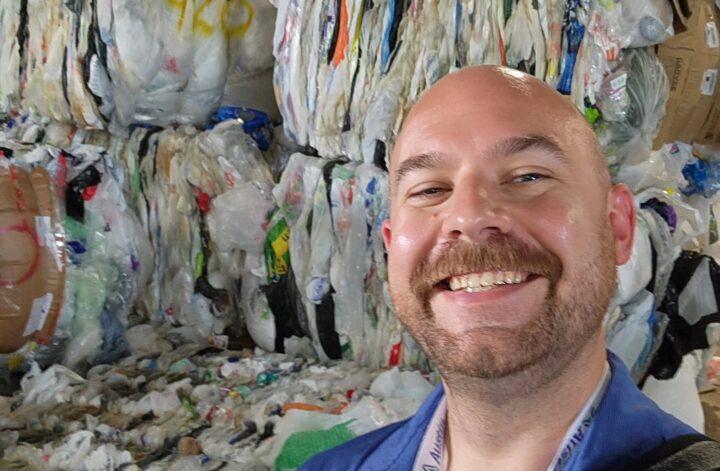
Within a few weeks, I had visited a school career day, watched emergency-response training, helped families build recycled robots, toured a resource-recovery facility, attended community celebrations, and answered questions from residents across Austin.
Each experience gave me a different view of how public service, sustainability, education, and community connection come together.
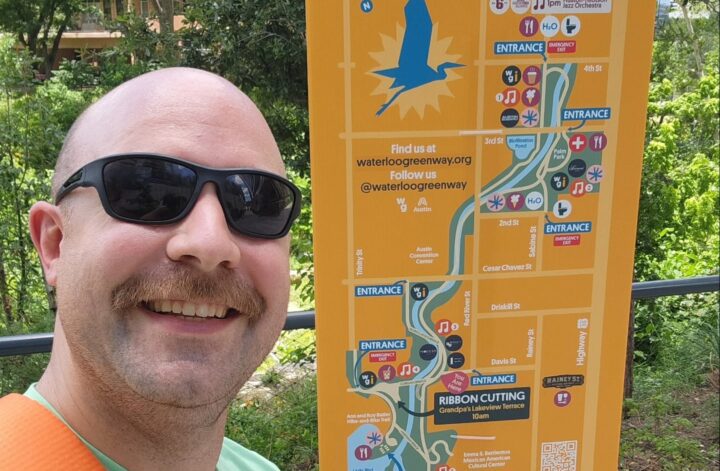
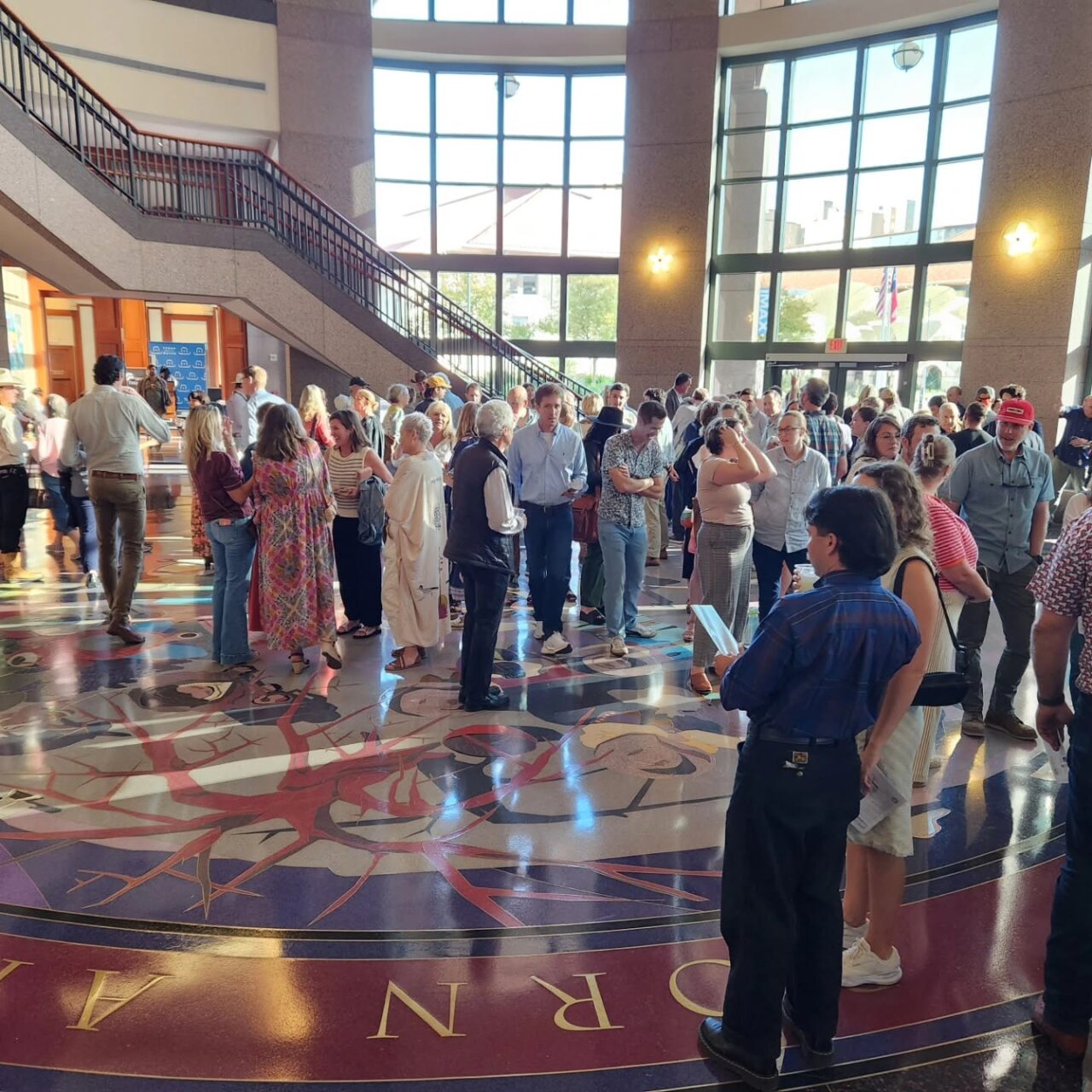
I arrived near the end of the celebration and missed many of the scheduled activities, but I was still glad I made it. Walking through the completed space gave me an opportunity to see how landscape design, ecological restoration, and public access can work together. The Confluence is more than a new trail. It shows how urban parks can serve several purposes at once.
More Than Recreation
Parks are often discussed primarily as places to walk, exercise, gather, or relax. Those benefits are important, but thoughtfully designed green spaces can also support the larger environmental health of a city. The Confluence includes features that can help:
Restore the Waller Creek corridor
Improve habitat for plants and wildlife
Support better water quality
Reduce urban heat
Manage stormwater
Create new pedestrian connections
Provide space for recreation and community gatherings
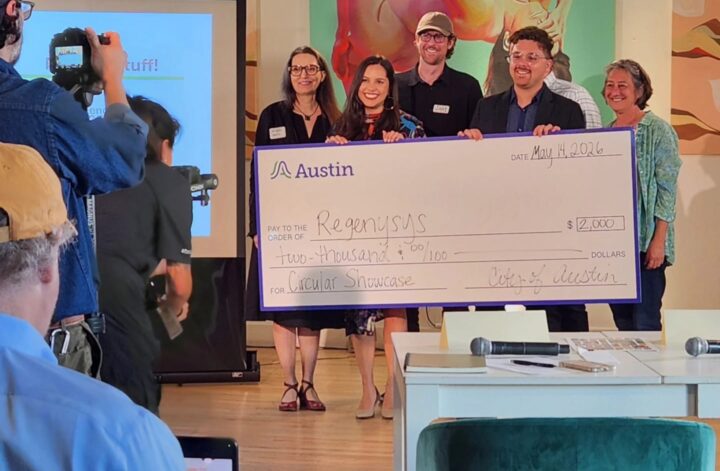
The Circular Showcase brings together entrepreneurs, sustainability professionals, community members, and organizations working to reduce waste and keep materials in use longer.
Over the years, I had watched the event grow and had become familiar with some of the people involved in Austin’s circular economy community. Returning in a professional capacity made me reflect on how much had changed in my own career.
I had gone from attending as an outside observer and supporter to representing a City department directly connected to the ideas and the work being discussed and judged in this competition.
Water issues can feel technical, distant, or overwhelming. Film can change that.
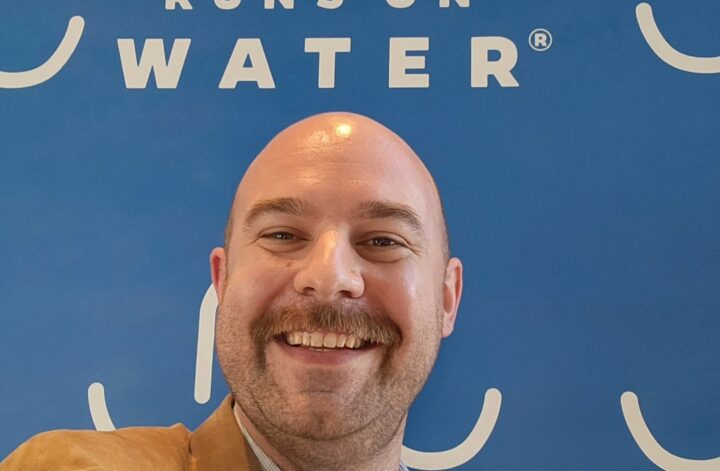
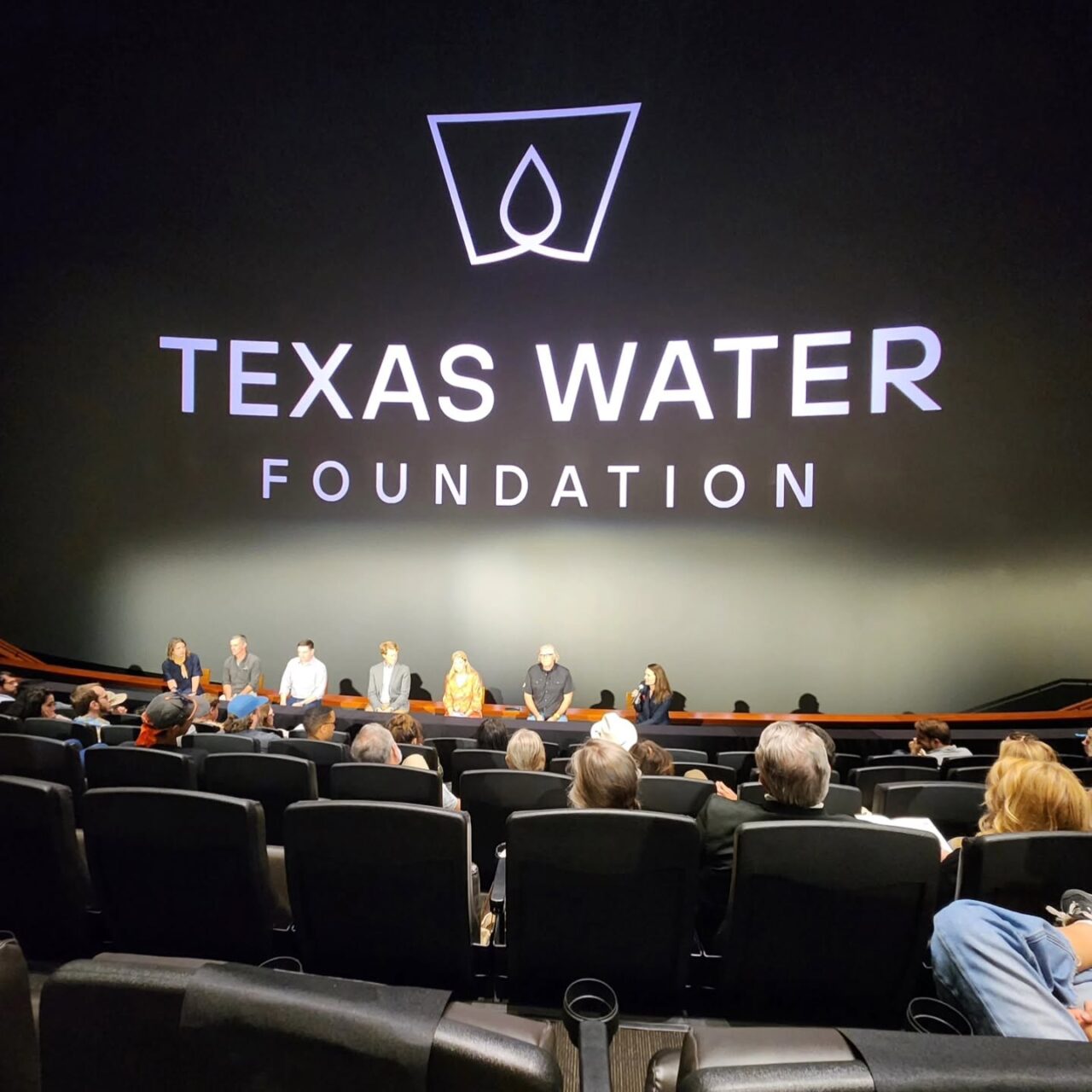
At the Water, Texas Film Festival at the Bob Bullock Museum, short films and the featured public documentary debut of “Hope for the Guadalupe” turned topics like regional flooding, conservation, restoration, infrastructure, and community recovery into stories people could see, hear, and feel.
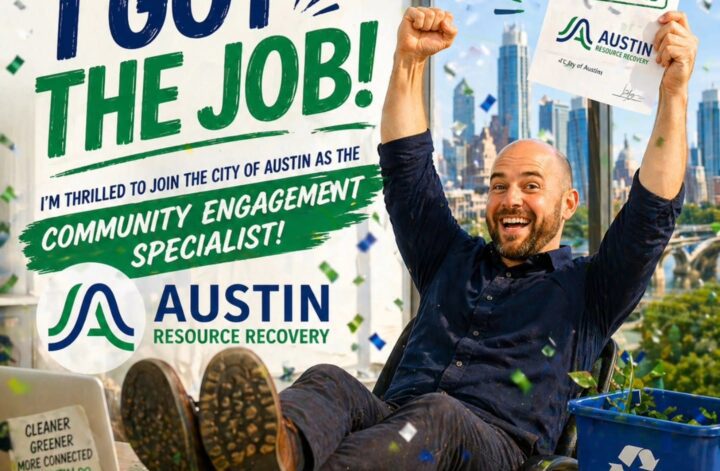
In May 2026, I began a new chapter as a Community Engagement Specialist with Austin Resource Recovery at the City of Austin.
The role felt like the convergence of several parts of my career: sustainability, communications, public education, community outreach, and relationship-building. (It was also a milestone that carried weight because of the difficult path leading up to it.)
A Role That Brought My Experience Together
My career has moved through public relations, environmental communications, digital marketing, community programs, waste and recycling, and the built environment.
Along the way, I worked on projects involving:
Environmental education
Recycling and waste-reduction campaigns
Public programs and statewide outreach
Community partnerships
Digital content and communications
Sustainability events and initiatives
Business development and stakeholder engagement
Although the organizations and job titles changed, the common thread was helping people understand ideas, programs, and services that could improve their communities. Austin Resource Recovery gave me an opportunity to bring those experiences together in one role.
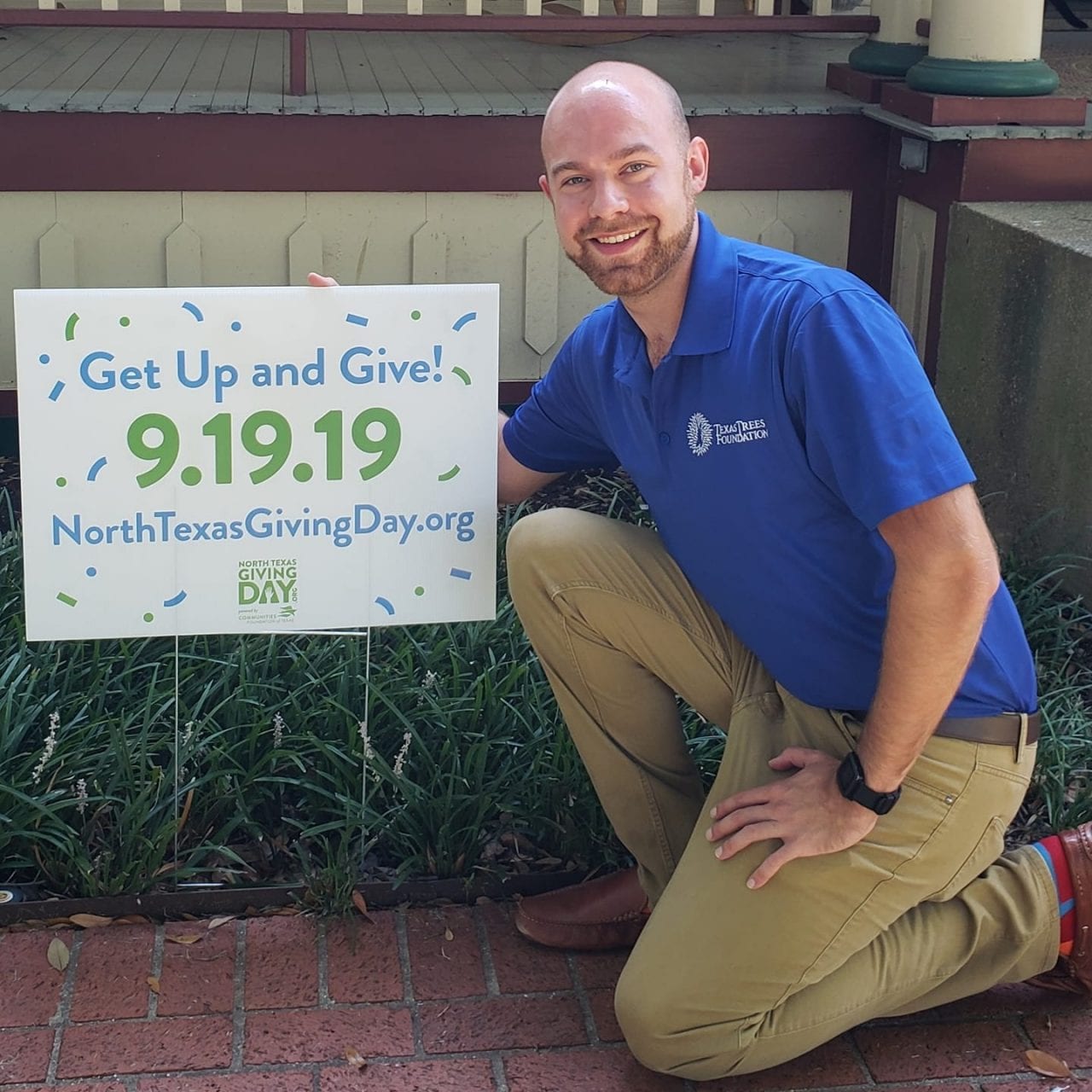
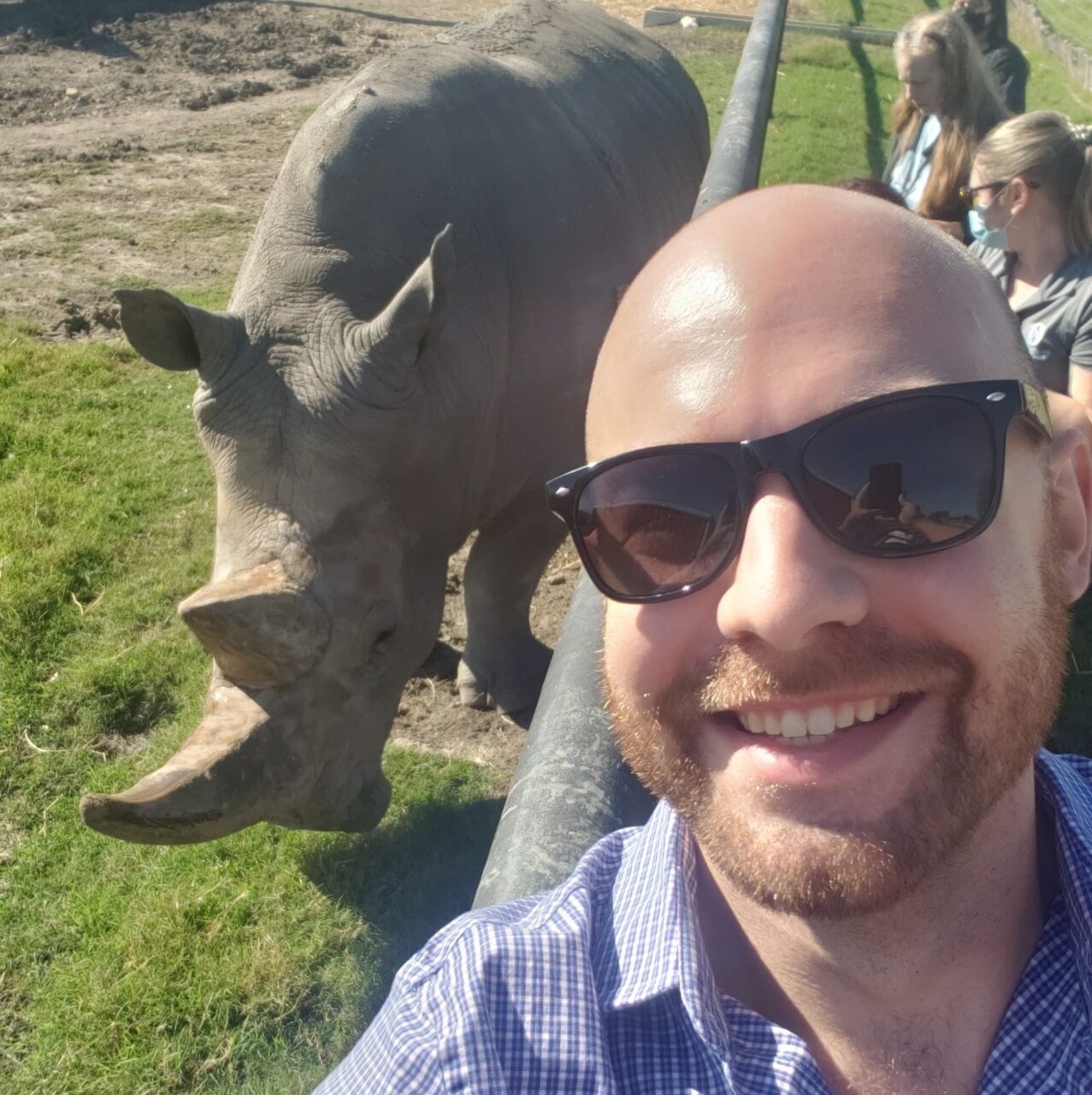
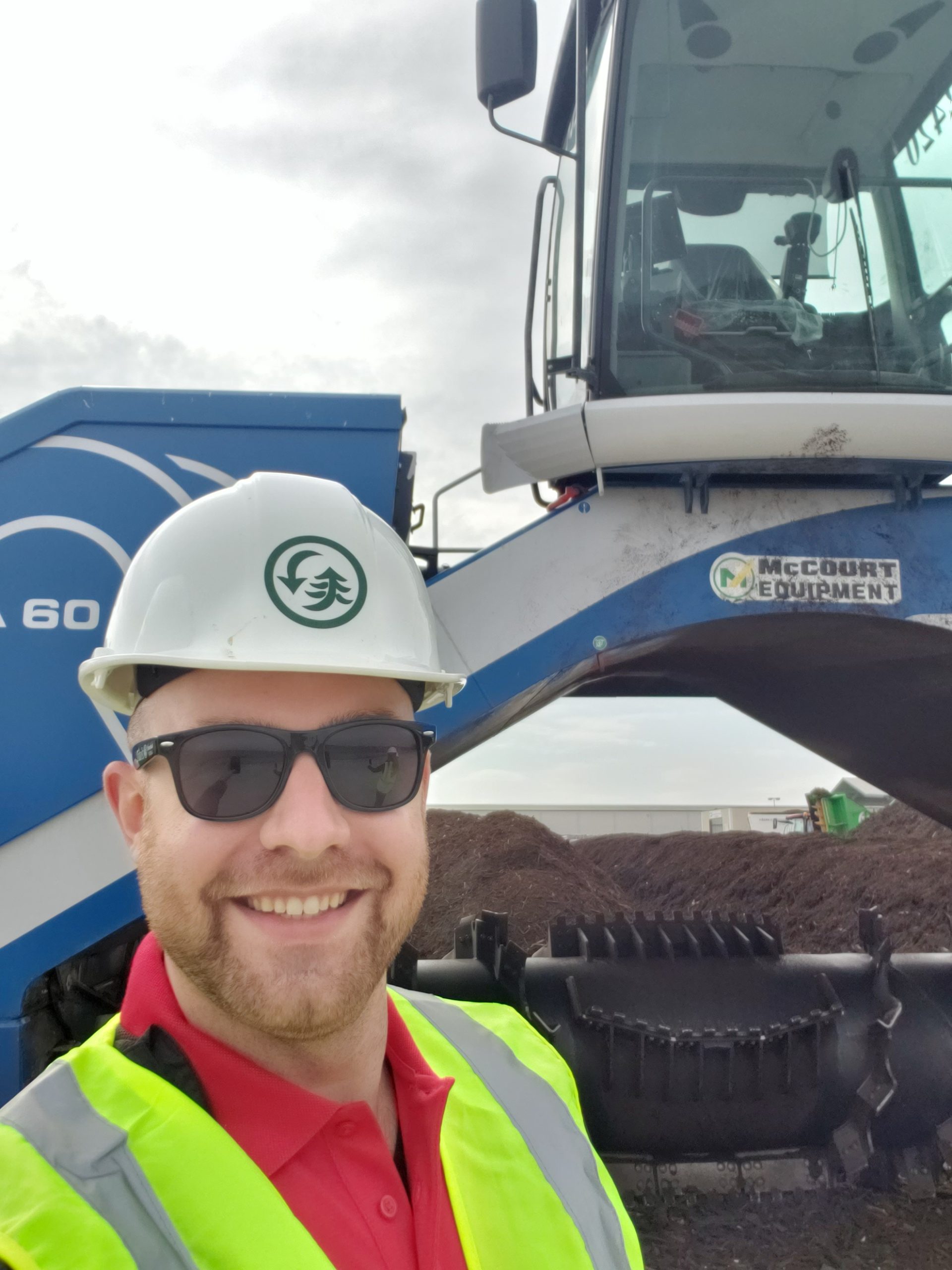
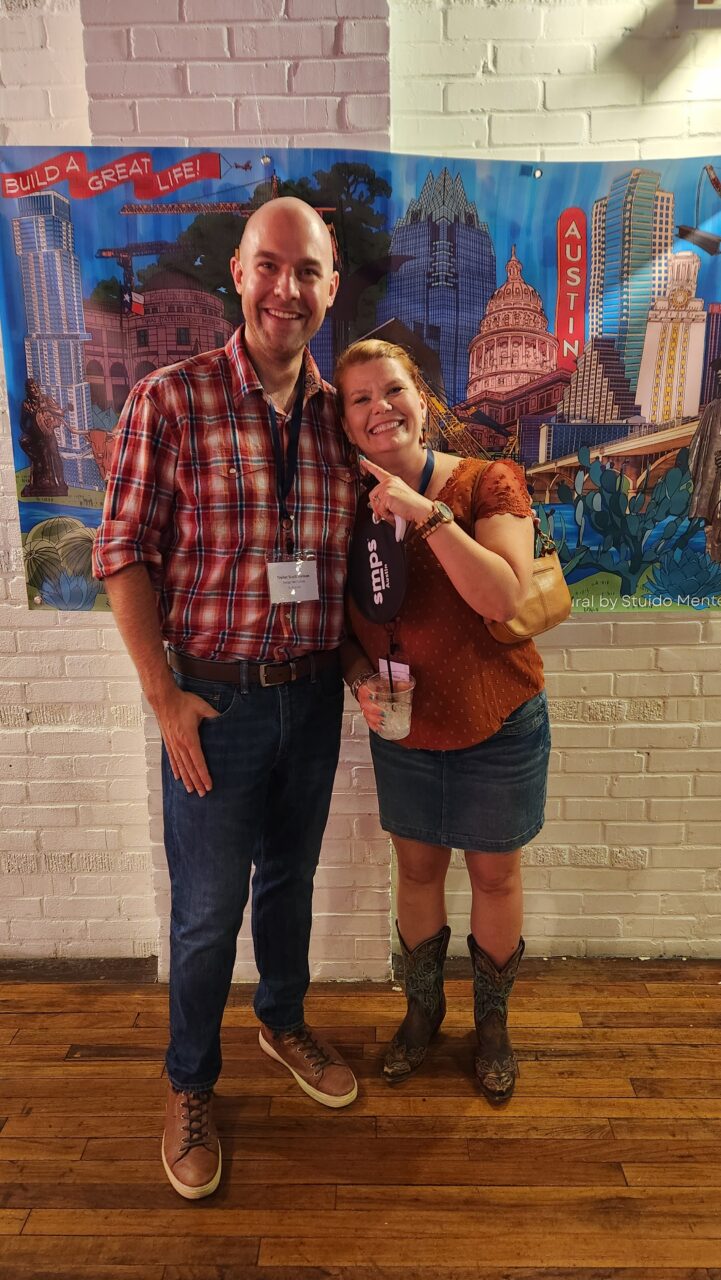
Kneeling in uniform next to donation signPosing between staged trees in a boothPosing next to Rowdy the RhinoSelfie at the commercial composting eventPhoto with a connection at the SMPS Austin City Limits eventPhoto with coworker on SMPS site tour
Earth Month 2026 was one of the most energizing months I had experienced in a long time.
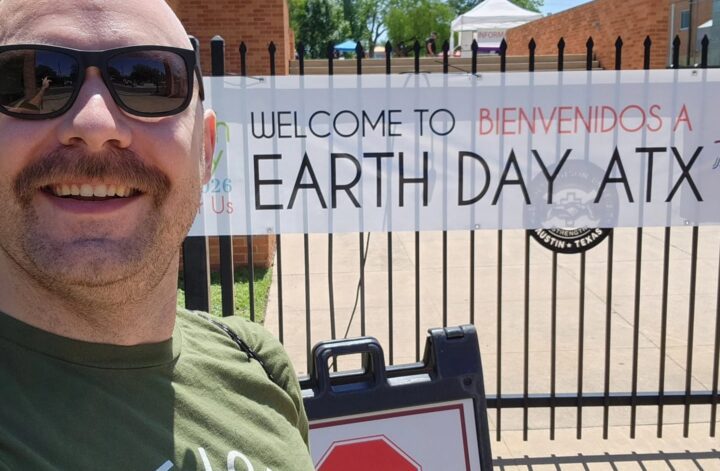
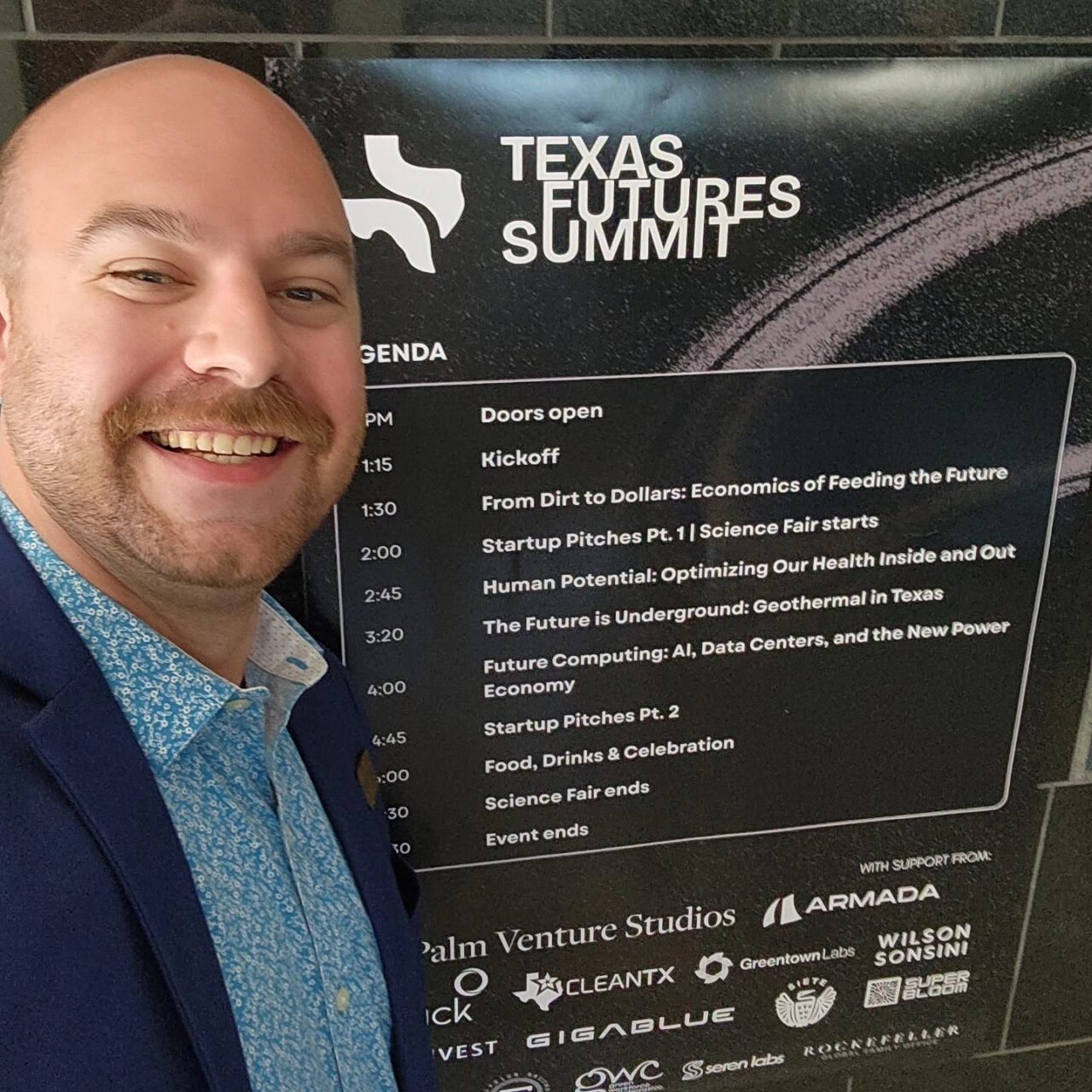
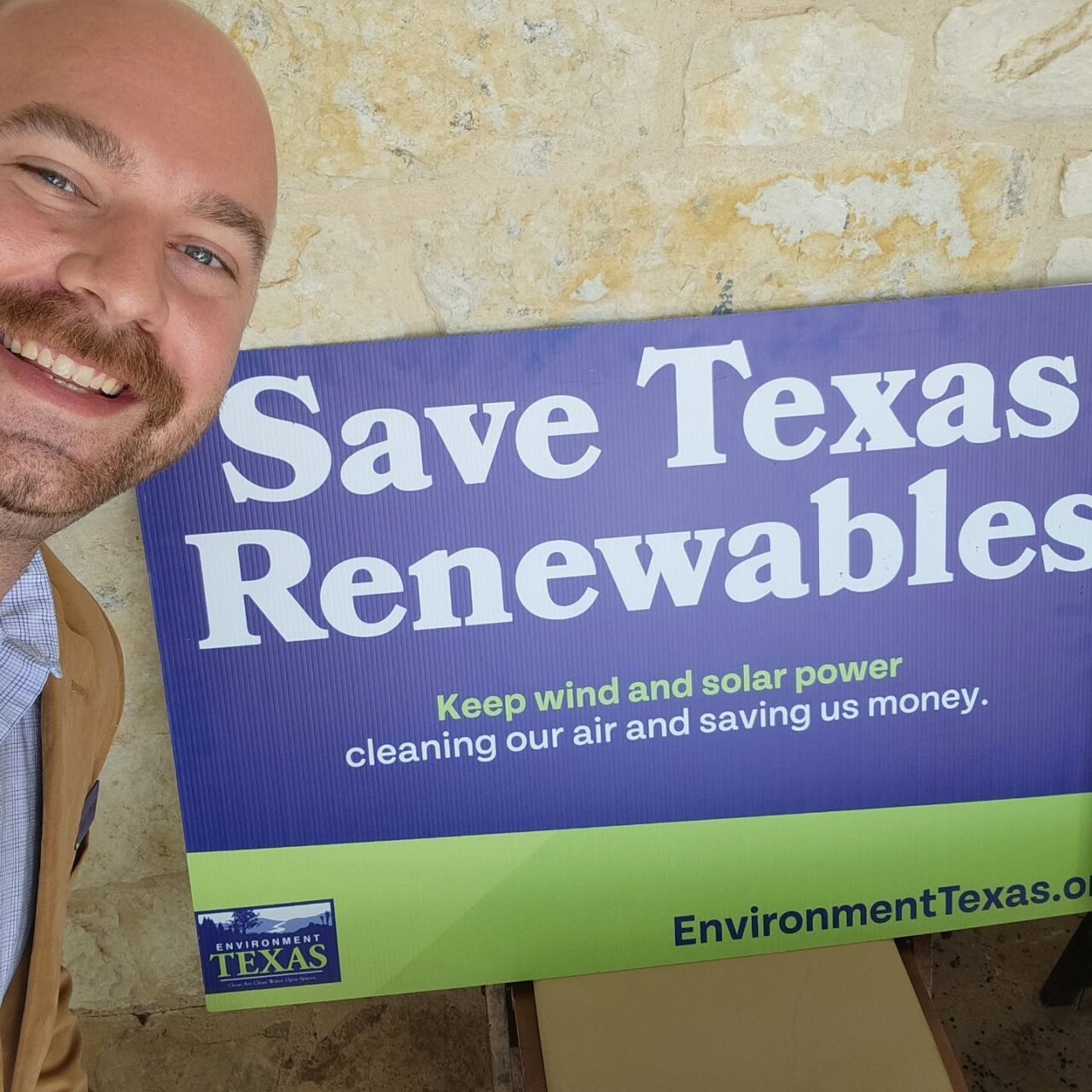
Across April and into early May, I attended sustainability mixers, climate conversations, circular-economy events, and the Earth Day ATX Festival. Each gathering had its own focus, but together they showed how broad and active Austin’s environmental community has become.
The month was not defined by one major moment. It was built through dozens of smaller conversations, introductions, lessons, and reminders that meaningful work is happening throughout the city.
A Month of Different Perspectives
Earth Month gave me opportunities to learn about sustainability from several angles, including:
Clean energy and responsible development
Climate technology and circularity
Sports and large-event sustainability
Recycling, reuse, and waste reduction
Community engagement and environmental education
Professional networking and collaboration
That range was one of the most valuable aspects of the experience.
Sustainability is not one profession, department, or issue. It involves infrastructure, communications, technology, business, policy, education, design, and everyday behavior.