Texas needs more energy, but it also needs healthy waterways, productive agricultural land, wildlife habitat, and natural areas that can support communities for generations.
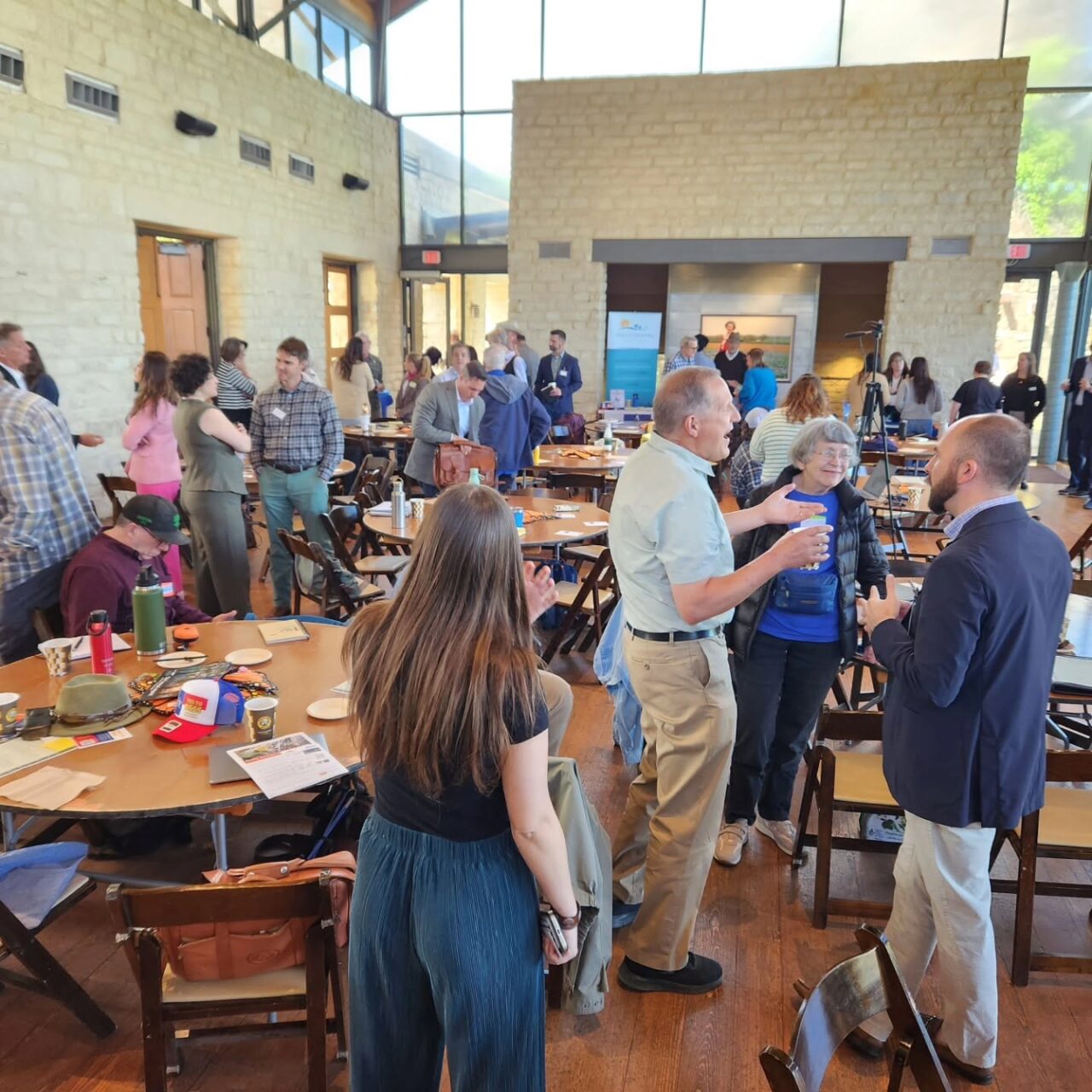
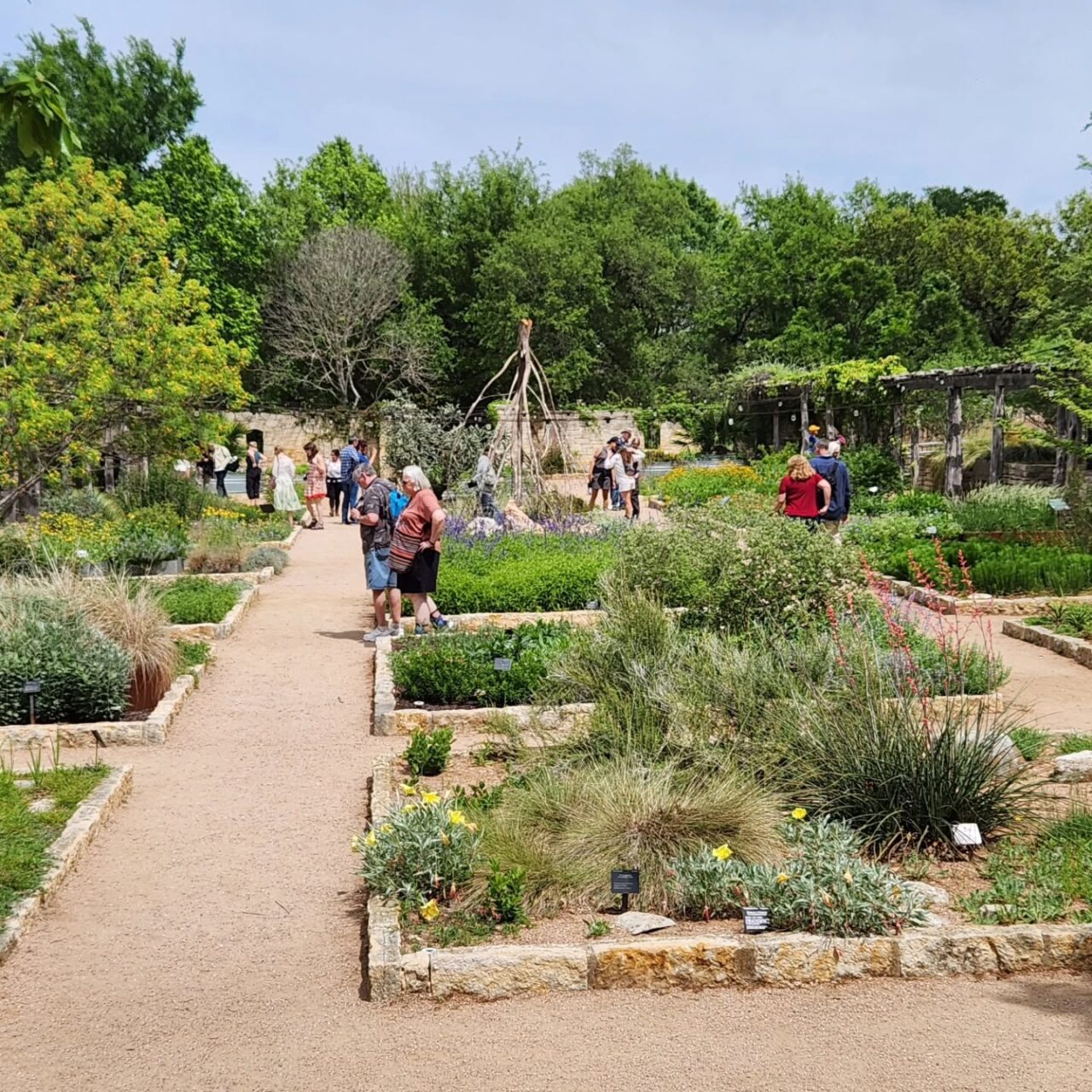
That balance was the focus of the 2026 Texas Nature and Clean Energy Summit at the Lady Bird Johnson Wildflower Center. The event brought together conservation leaders, clean-energy professionals, researchers, and policy experts to discuss how Texas can expand renewable energy without repeating past environmental harms.
The conversation went beyond simply saying clean energy is good. It focused on the harder question: How do we build it responsibly?
Where Energy Projects Go Matters
One of my biggest takeaways was that the location of an energy project can be just as important as the technology itself.
Wind, solar, and battery-storage projects can help meet growing energy needs, but they can still affect ecosystems and communities when they are not carefully planned.
Responsible siting means asking questions such as:
- Is the project near a sensitive habitat or wildlife corridor?
- Could construction affect rivers, prairies, wetlands, or farmland?
- Are there already-disturbed sites that could be used instead?
- How will nearby communities and landowners be affected?
- What steps can reduce the project’s ecological footprint?
Asking those questions early can help avoid larger environmental and community conflicts later.

Water and Energy Are Connected
Water is becoming a much bigger part of the energy conversation in Texas.
Energy projects can require water for construction, manufacturing, cooling, and maintenance. At the same time, supplying and treating water requires significant energy.
Texas is already facing pressure from:
- Population growth
- Drought and extreme heat
- Industrial development
- Aging infrastructure
- Increasing energy demand
Because these systems depend on one another, Texas cannot plan its energy future without also considering its water future.
Conservation and Development Can Work Together
There is real tension between building new infrastructure and protecting natural resources. However, the summit also showed that collaboration is possible.
Conservation groups, energy developers, researchers, local governments, and communities may not agree on every decision, but they can still work together to reduce harm.
Potential strategies include:
- Avoiding especially sensitive areas
- Restoring habitat after construction
- Reducing unnecessary land disturbance
- Improving wildlife protections
- Involving communities earlier in the planning process
The goal is not to stop all development or approve every project. It is to make better decisions before projects are finalized.


The Potential of Agrivoltaics
One idea that especially interested me was agrivoltaics, which combines solar-energy production with agricultural use on the same land.
Depending on the location and design, solar panels may coexist with:
- Livestock grazing
- Pollinator habitat
- Certain crops
- Native vegetation
- Water-conservation practices
Agrivoltaics will not work everywhere, but it represents the kind of systems thinking Texas needs. Instead of assuming land can serve only one purpose, we can explore ways for energy, agriculture, and habitat to support one another.
Better Projects Begin with Better Questions
The summit reinforced an important lesson: good intentions are not enough.
A project can have an environmentally positive goal and still create negative consequences if its location, design, water needs, or community impacts are not carefully considered.
The better questions are:
- Where should projects be built?
- Who will be affected?
- What environmental impacts can be avoided?
- Can the land continue serving other purposes?
- How can communities participate in the process?
- What will make the project resilient over time?
These questions make development more complicated, but they can also lead to much stronger outcomes.
It Is Not Environment Versus Energy
My biggest takeaway from the summit was that Texas’ future does not have to be framed as environment versus energy.
Texas needs reliable energy infrastructure. It also needs clean water, functioning ecosystems, productive land, and communities that have a voice in development decisions.
Success will depend on whether we are thoughtful enough to design systems that recognize those needs as connected.
The question is not whether Texas will continue to grow. The question is whether we will grow in a way that protects the natural systems supporting us.
*Content was generated with AI based on my notes and direction, then edited and refined by me for accuracy.