Third Places and Community Spaces: An Evening at The Boring Bodega

Discovering a Unique Community Gathering Space

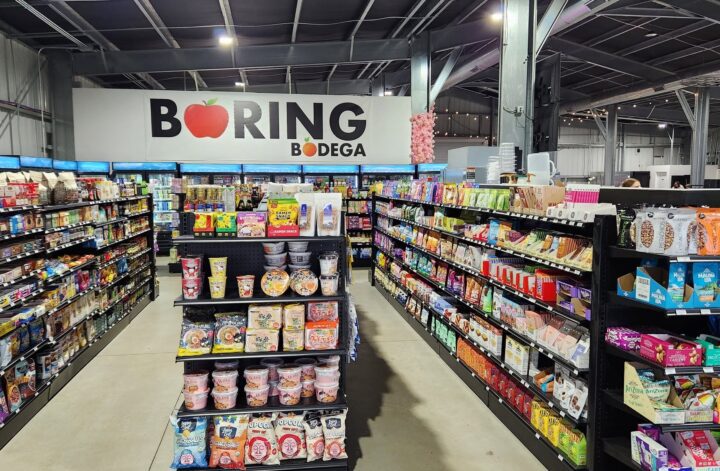
On November 28, 2025 — the day after Thanksgiving — I visited The Boring Bodega, a unique community-focused space in Austin (Bastrop), for a casual community happy hour with family.

The name itself is playful and slightly ironic. Despite the name, there’s nothing particularly boring about the space. The Boring Bodega blends several different community amenities into one location, creating an environment where people can gather, socialize, and spend time together in a relaxed setting.

During my visit, I had the chance to explore the space and see how it functions as a kind of modern “third place” — somewhere that exists outside of home and work where people can connect with others in their community.

Continue Reading

From Disaster Relief to Space Retreat: How Resilient Design Is Inspiring Galactic Glamping

When I attended the Disasters Expo USA + Resilient City Expo in Houston earlier in November, I expected to walk away with a better understanding of how communities prepare for and recover from natural disasters. What I didn’t expect was how many of the innovations showcased there could directly influence the infrastructure and design philosophy behind my Space Colony Glamping concept — a sustainability-driven, space-themed, eco-hospitality experience.

As I explored the exhibition floor, the overlap between disaster resilience technologies and off-grid hospitality systems became increasingly clear. The same products designed to support recovery and adaptability in the wake of climate challenges could easily be reimagined for immersive, sustainable tourism — the kind that teaches, inspires, and reconnects people to both the planet and the possibilities beyond it.

Continue Reading

Building the Future of Texas’ Space Workforce

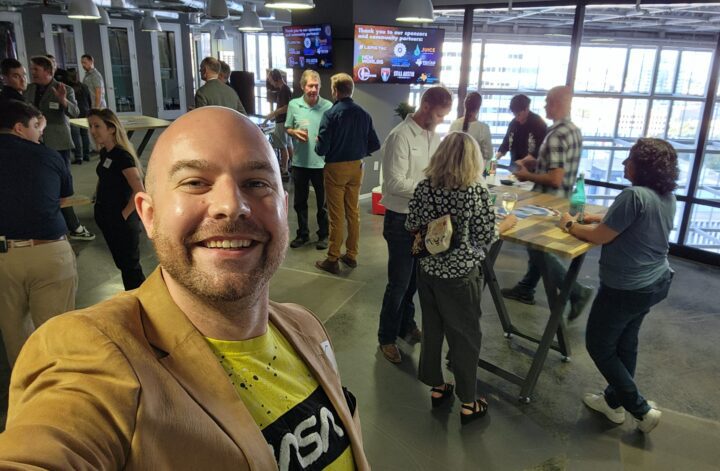
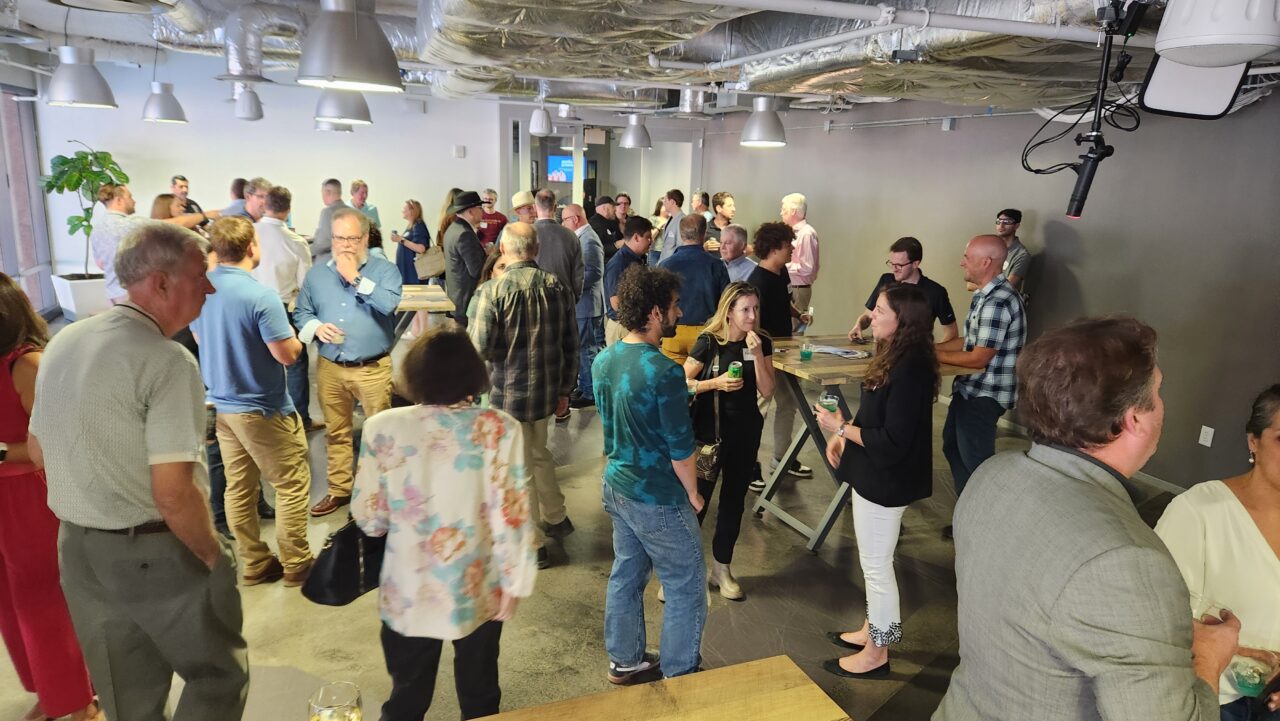
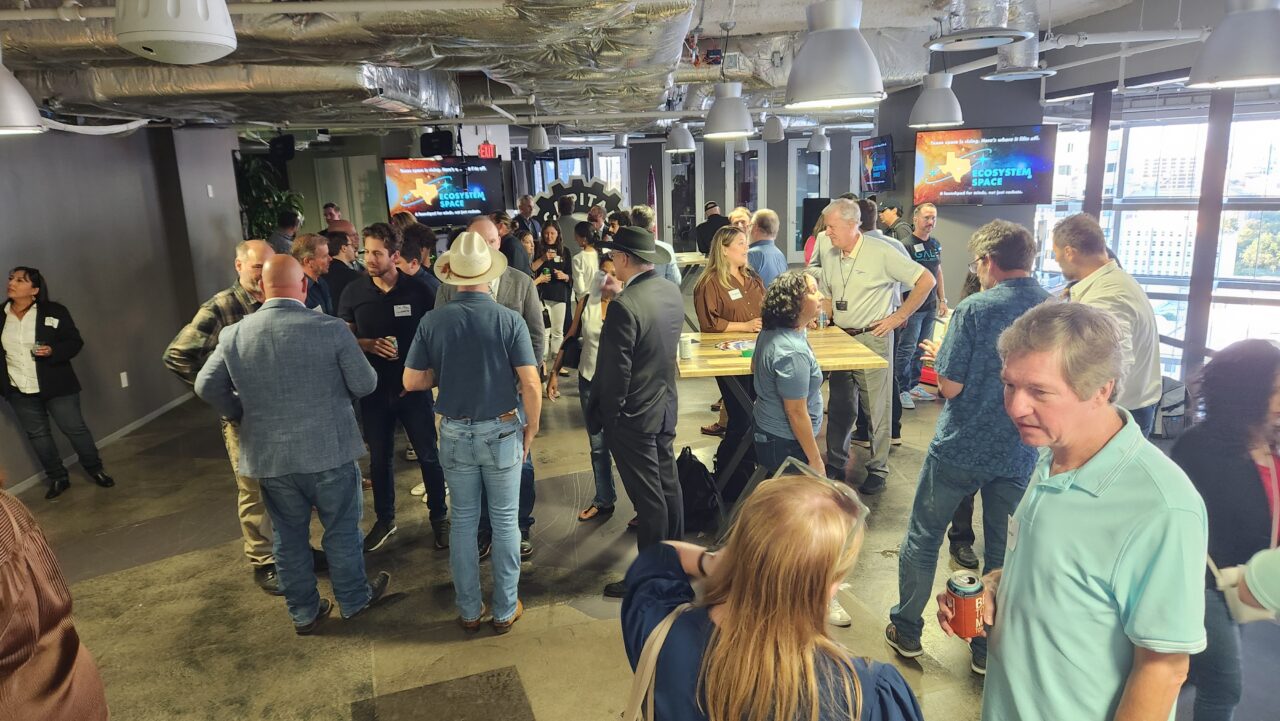
This month’s Ecosystem Space meetup at Capital Factory once again highlighted why the Austin Metro is quickly becoming a hub for space innovation. The energy in the room was both inspiring and pragmatic — a mix of engineers, educators, entrepreneurs, and advocates all united around a central challenge: how do we grow and sustain the space workforce in Texas?

The event topic centered on Space Workforce Development, which brought together thought leaders and innovators who understand that the future of the space industry relies not only on rockets and research, but on people and skilled trades. The discussion focused on identifying the STEM and trade skills that “Big Space” companies and agile startups alike need to thrive, and how Texas can position itself as a leader in developing that talent.

Continue Reading

Fueling the Future of Space in Texas: Ecosystem Space

Growing Roots in the Austin Space Community

The August Ecosystem Space meetup felt like another step in my networking journey into the aerospace sector. Hosted at Capital Factory and organized by the Space Workforce Incubator for Texas (SWIFT) in collaboration with the Space Force Association, this monthly event continues to excel with its focus on industry connections and forward-thinking dialogue. It’s not your typical networking mixer either, there are no standardized panels or elevator pitches. Instead, it’s a space for real conversations and ideas that fuel innovation in Texas’ booming space ecosystem.

With every event, I’ve started to recognize more familiar faces and feel more plugged into a growing community of thinkers, doers, and dreamers. From technologists and entrepreneurs to students and institutional leaders, everyone brings something unique to the conversation. And as someone coming from a sustainability and communications background, I find this multidisciplinary approach both welcoming and essential to our future.

Continue Reading

Where Space Meets Sustainability: Reflections from Ecosystem Space in Austin

Last night I attended Ecosystem Space, a monthly happy hour hosted by the Space Workforce Incubator for Texas (SWIFT) and the Space Force Association, held at Capital Factory in downtown Austin. Part networking mixer, part brain trust, the event brought together technologists, government representatives, entrepreneurs, academics, and curious thinkers—each playing a role in shaping Texas’ place in the growing space industry.

At first glance, you might not expect a communications professional with a background in sustainability to show up at a space-sector event. But in reality, the overlap between space and sustainability is significant and growing.

Whether it’s using satellite data to monitor geographic data, designing closed-loop life support systems for long-term missions (i.e. water recycling and regenerative agriculture), or exploring how space design innovation can inform sustainable development here on Earth, the space sector is inherently about resourcefulness. It’s about doing more with less, often in environments where every ounce of energy and every drop of water must be carefully managed.

That’s why I was drawn to attend.

Continue Reading

From Lone Dome to Lunar Dreams: Visualizing a Space Colony Glamping Experience

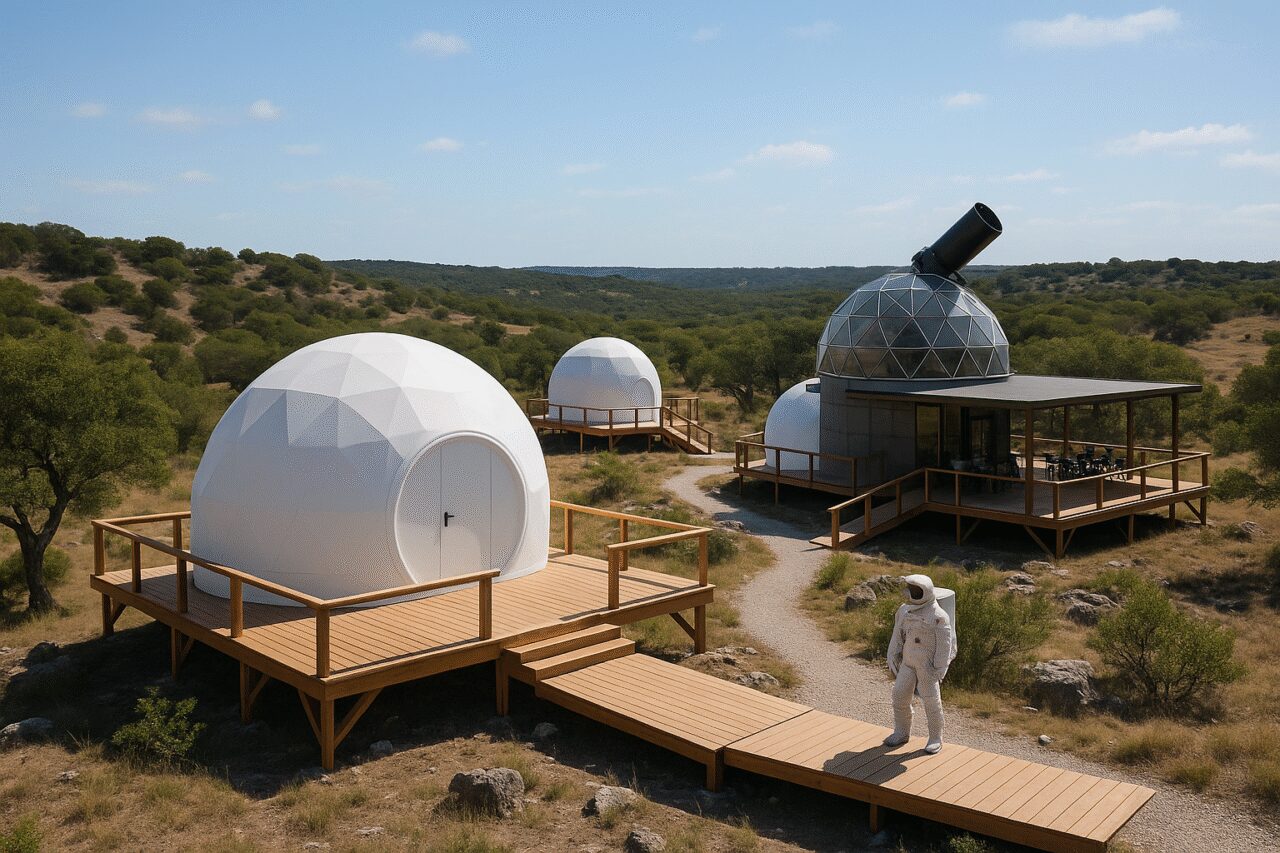
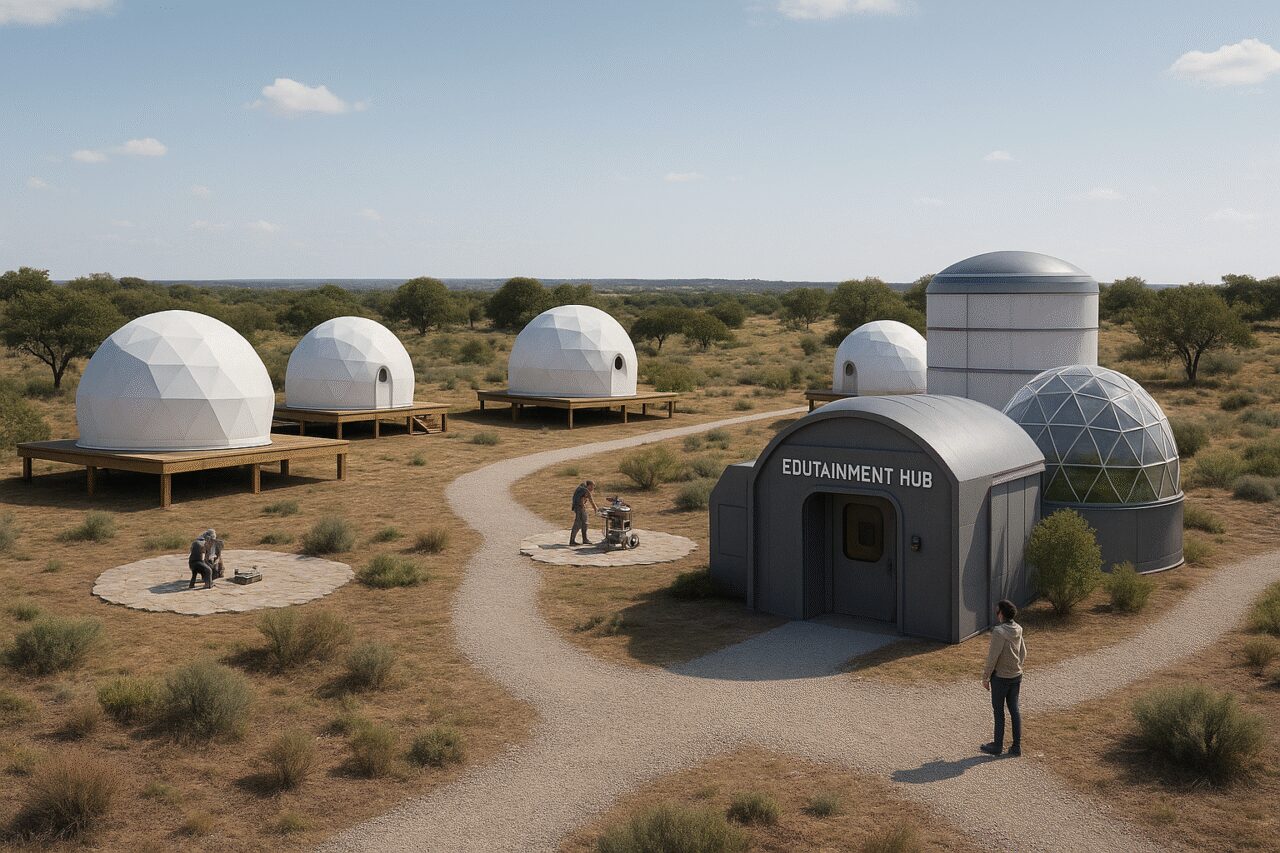
What started as a simple prompt request for a “space glamping dome nestled in the Central Texas Landscape” evolved into a refined and realistic visual journey, one that perfectly aligns with the vision I’ve been developing for a unique edutainment experience: a Space Colony Glamping Business. The goal is to offer guests a “pick your own adventure” immersion into the life of a space colonist, right here on Earth. And what better setting than the captivating landscape of Central Texas surrounded by local excursions and seasonal urban events?

Through this iterative prompting process (Google Gemini), we’ve moved from a solitary glamping dome to a vision of a self-contained and interconnected colony habitat in the Central Texas landscape. The images now depict:

  • Multiple Geodesic Domes: Clusters of distinctive canvas and glass domes, suggesting comfortable and potentially luxurious living spaces.
  • Shipping Container Tunnels: These act as crucial connectors between the domes, creating enclosed pathways and a sense of a unified structure.
  • Greenhouses: Lining the shipping container tunnels, these suggest a capacity for food production and a degree of self-sufficiency within the compound.
  • A Large Central Dome: Serving as a potential communal hub or central facility within the compound.
  • Sun Shade Sails with Rainwater Collection: These practical additions hint at sustainable living and resource management.
  • Central Texas Landscape: The setting remains the rolling, often dry, yet beautiful landscape of Central Texas, providing a context for this unique habitat.
  • A “Space Compound” Feel: The interconnectedness created by the shipping containers and the presence of multiple dome structures evokes a sense of a planned and potentially isolated community, reminiscent of a small off-world base.
Continue Reading