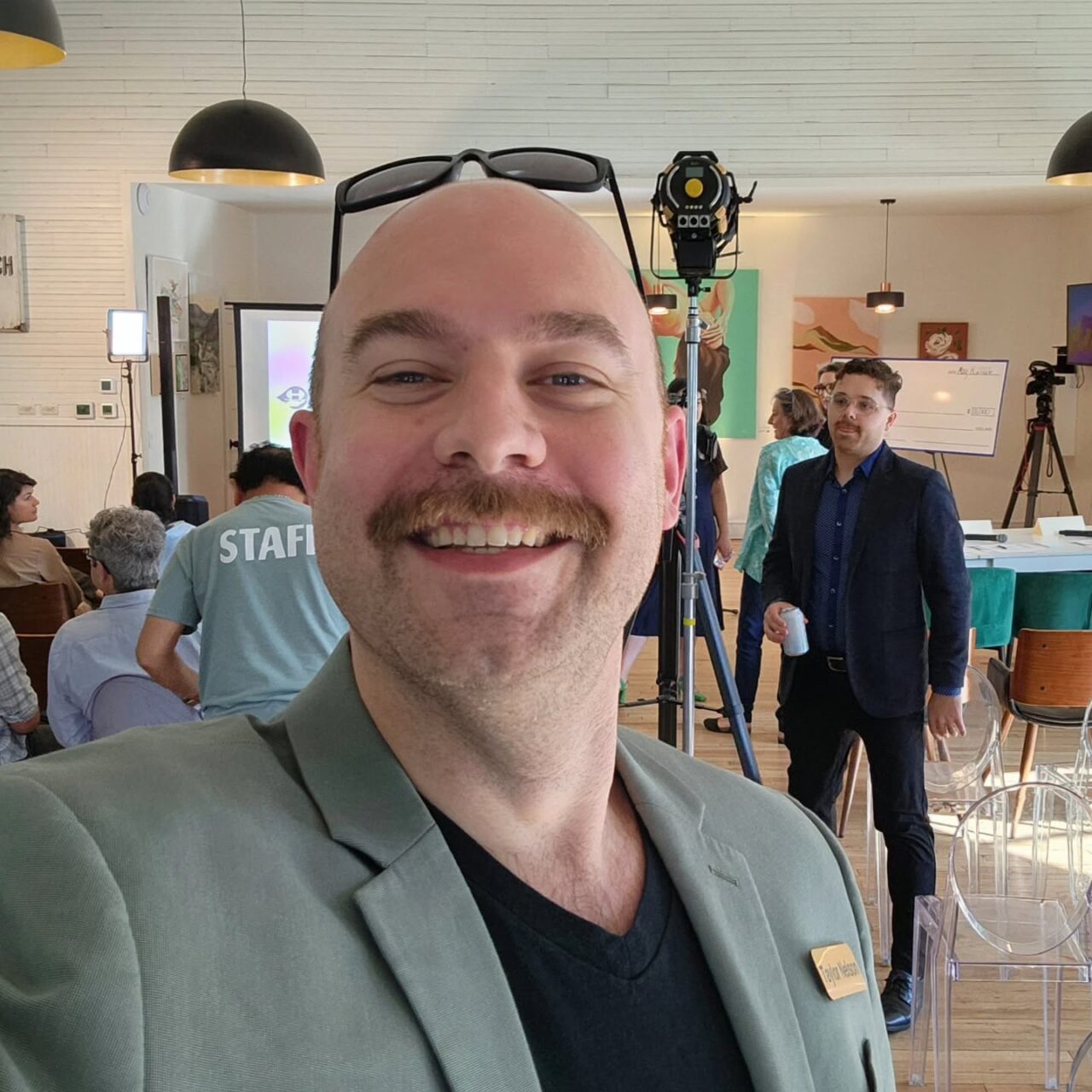
I’ve attended Austin’s Circular Showcase before, but the experience this year was different. This time, I was not only attending as someone interested from the community, I was part of the of the Austin Resource Recovery team putting on this event! That shift gave the Circular Austin Showcase and Accelerator Programs a new context for me.
Returning to a Familiar Event
The Circular Showcase brings together entrepreneurs, sustainability professionals, community members, and organizations working to reduce waste and keep materials in use longer.
Over the years, I had watched the event grow and had become familiar with some of the people involved in Austin’s circular economy community. Returning in a professional capacity made me reflect on how much had changed in my own career.
I had gone from attending as an outside observer and supporter to representing a City department directly connected to the ideas and the work being discussed and judged in this competition.
Ideas That Go Beyond Recycling
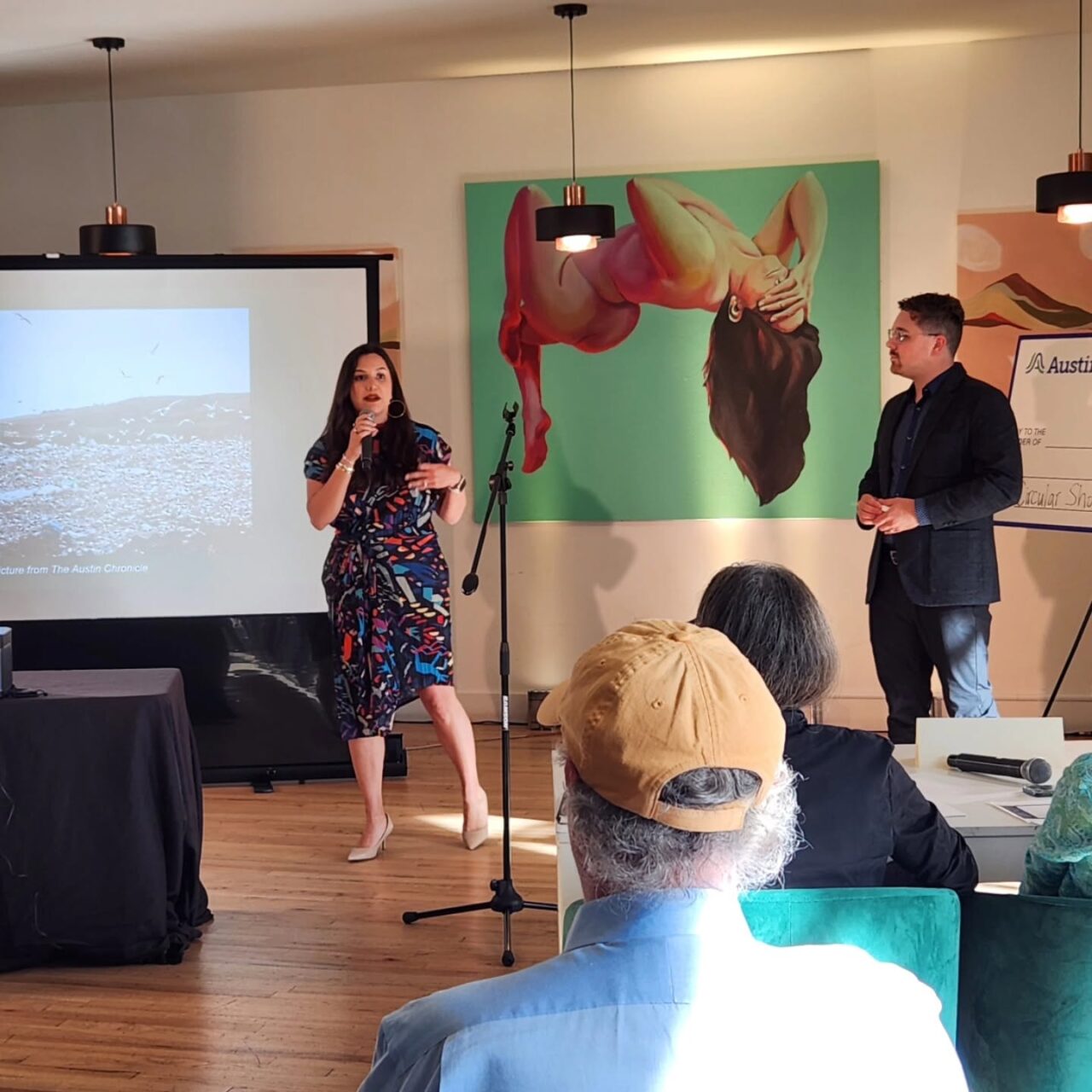
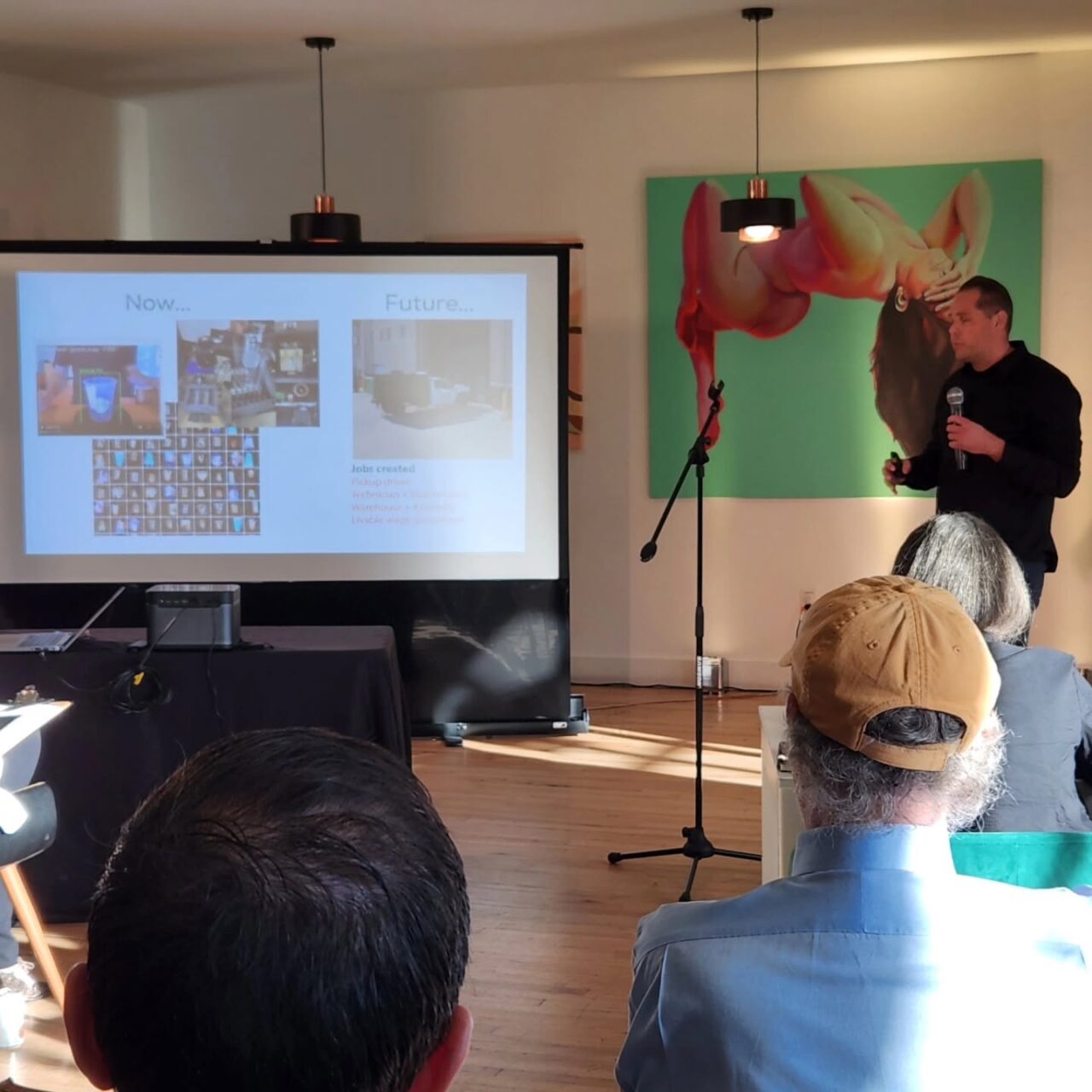
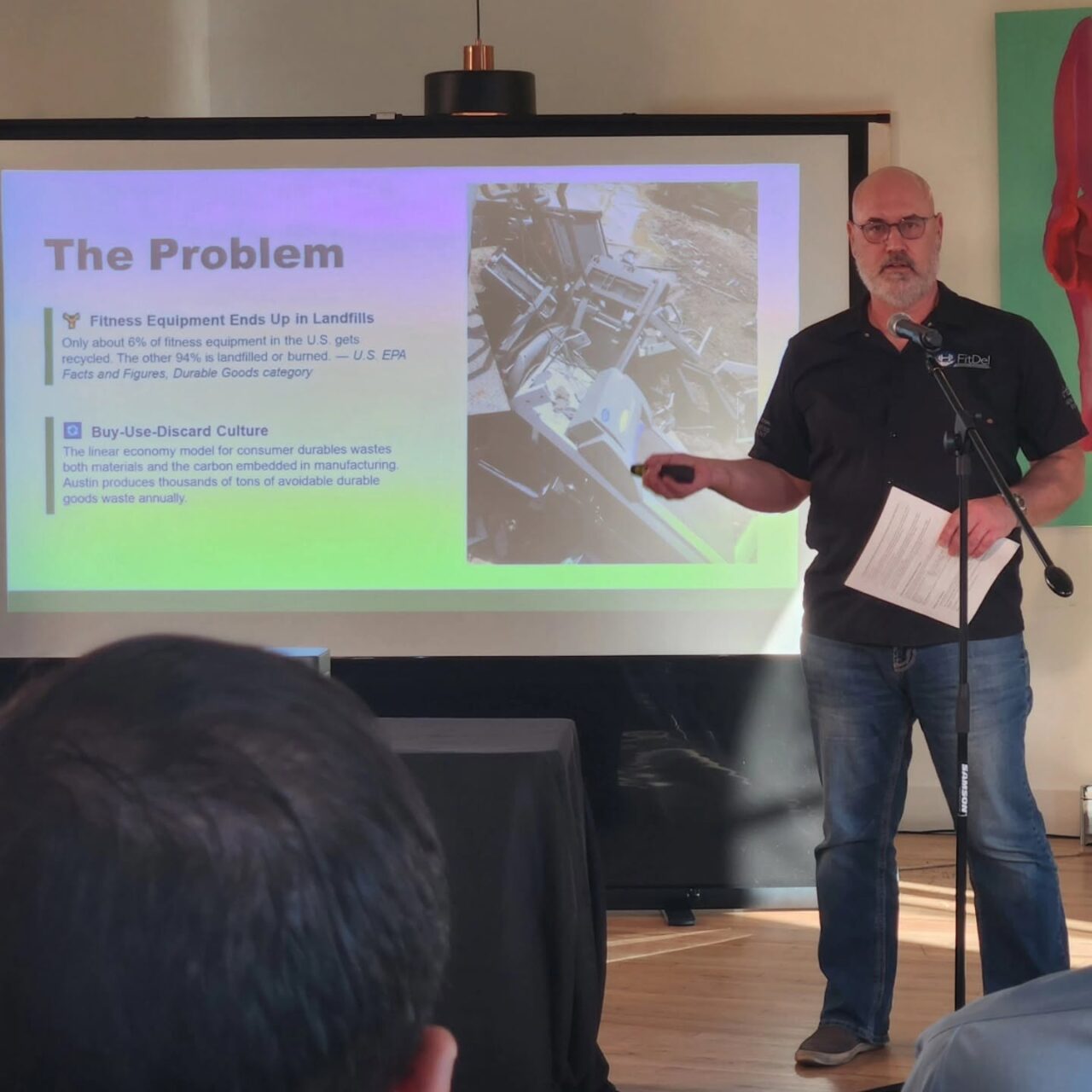
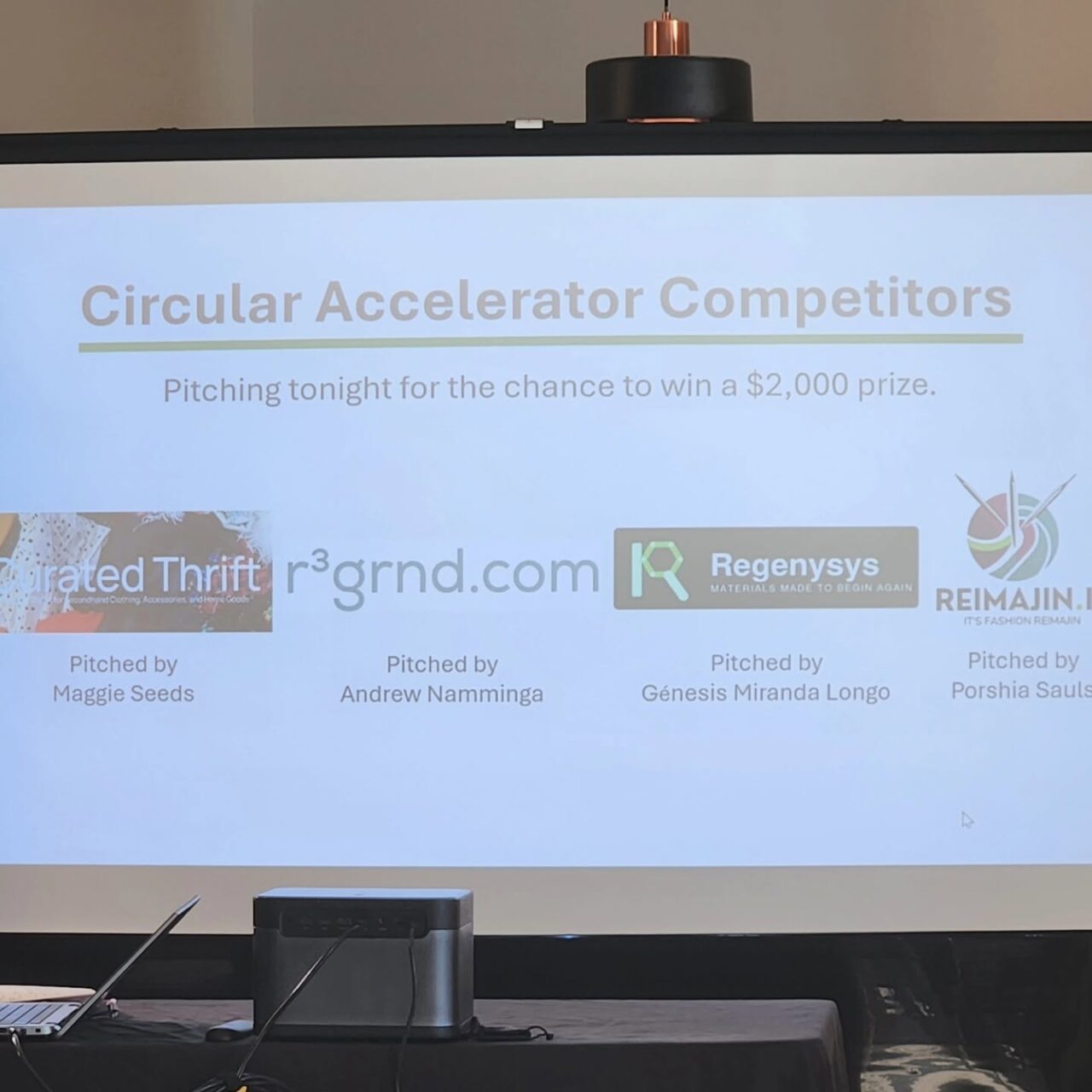
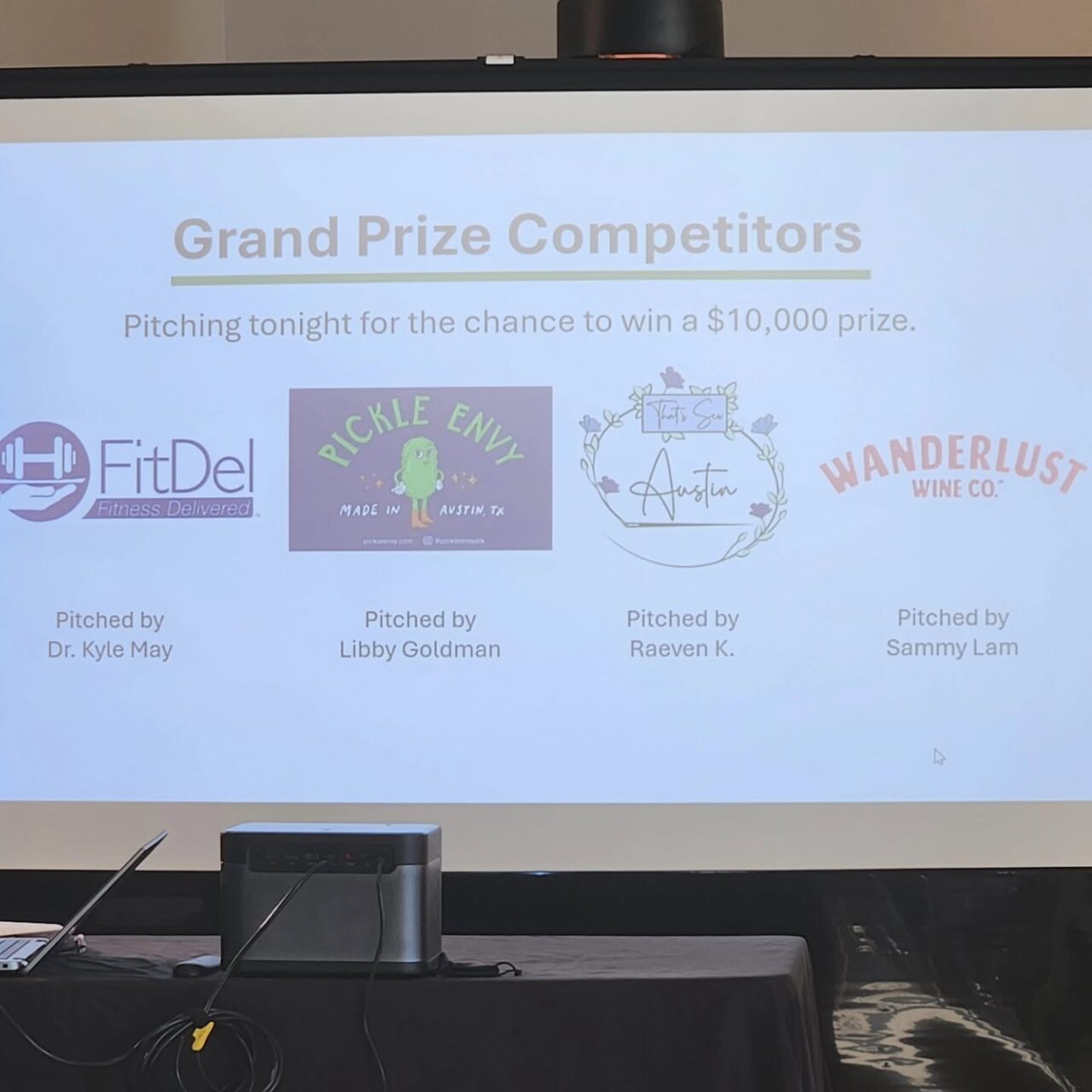
The entrepreneur pitches covered a wide range of circular solutions, including:
- Food-waste reduction
- Sustainable fashion
- Material reuse
- Circular manufacturing
- Waste prevention
- Recovery systems
- New ways to extend the life of products and resources
That variety is important because circularity is much broader than recycling. A circular economy asks: “How products can be designed, used, repaired, shared, recovered, and reused before they become waste?”
The strongest ideas do not simply improve disposal. They reduce the need for disposal in the first place.
Supporting Local Innovation
Events like the Circular Showcase give local entrepreneurs an opportunity to explain their ideas, build visibility, and connect with potential partners.
They also help the broader community understand what circularity can look like in practice. Instead of discussing waste only as a problem, the pitches showed how it can become an opportunity for:
- New businesses
- Local jobs
- More efficient systems
- Reduced environmental impact
- Better use of existing materials
- Stronger community partnerships
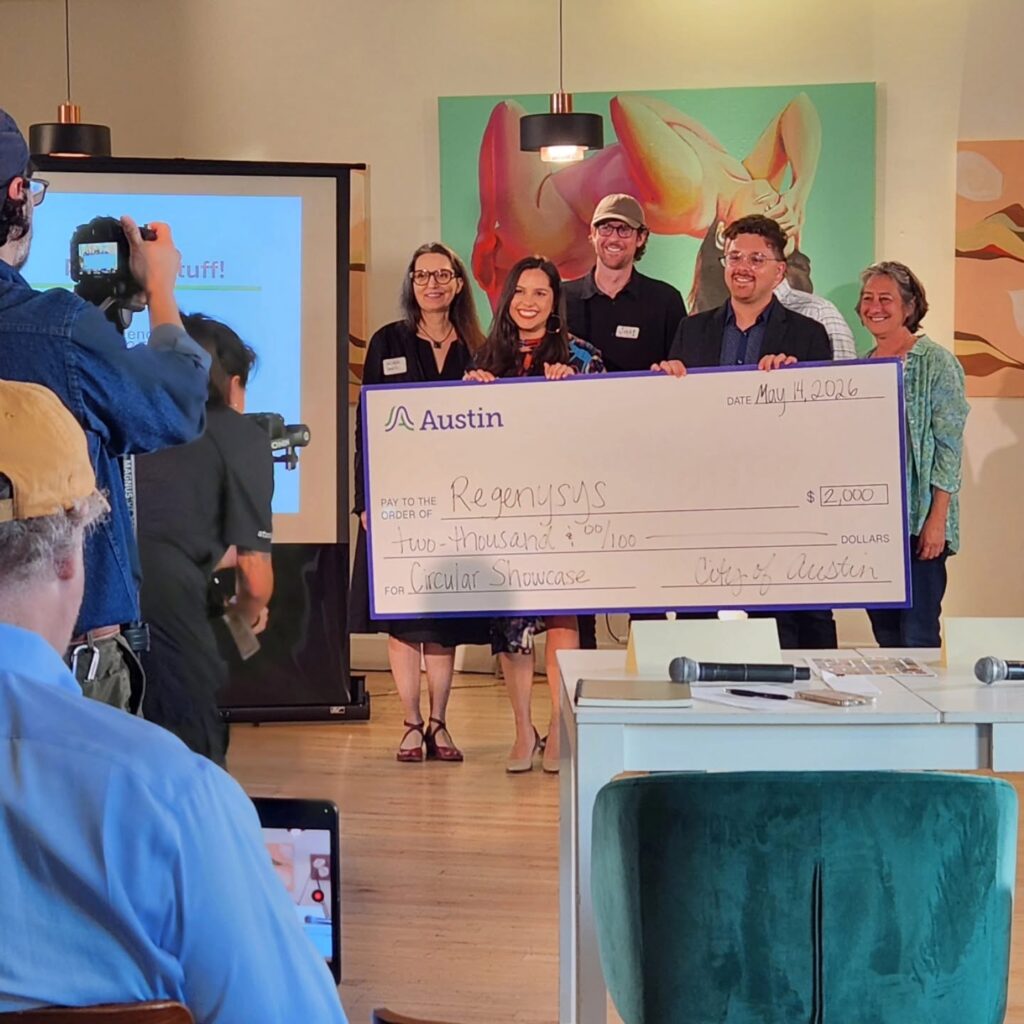
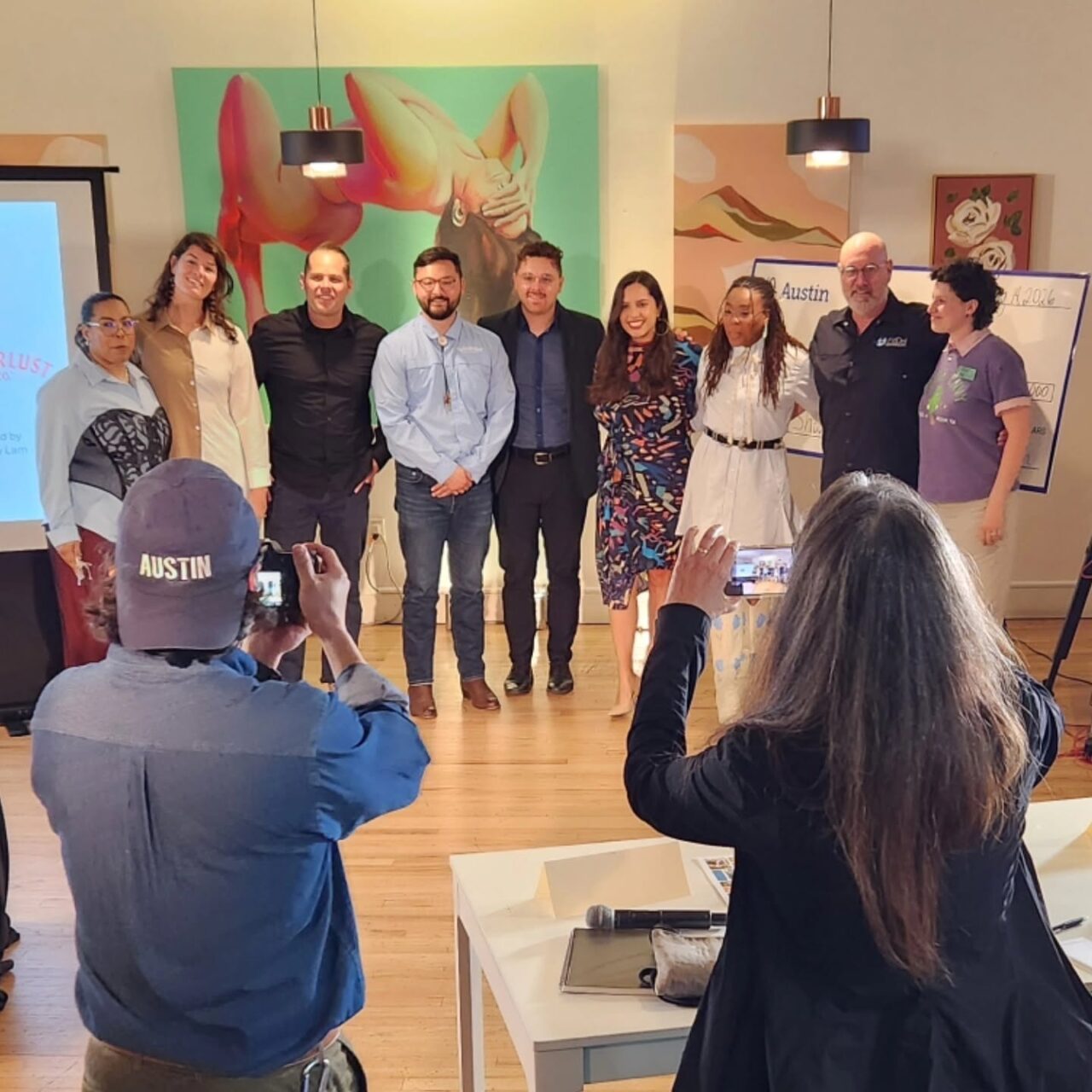
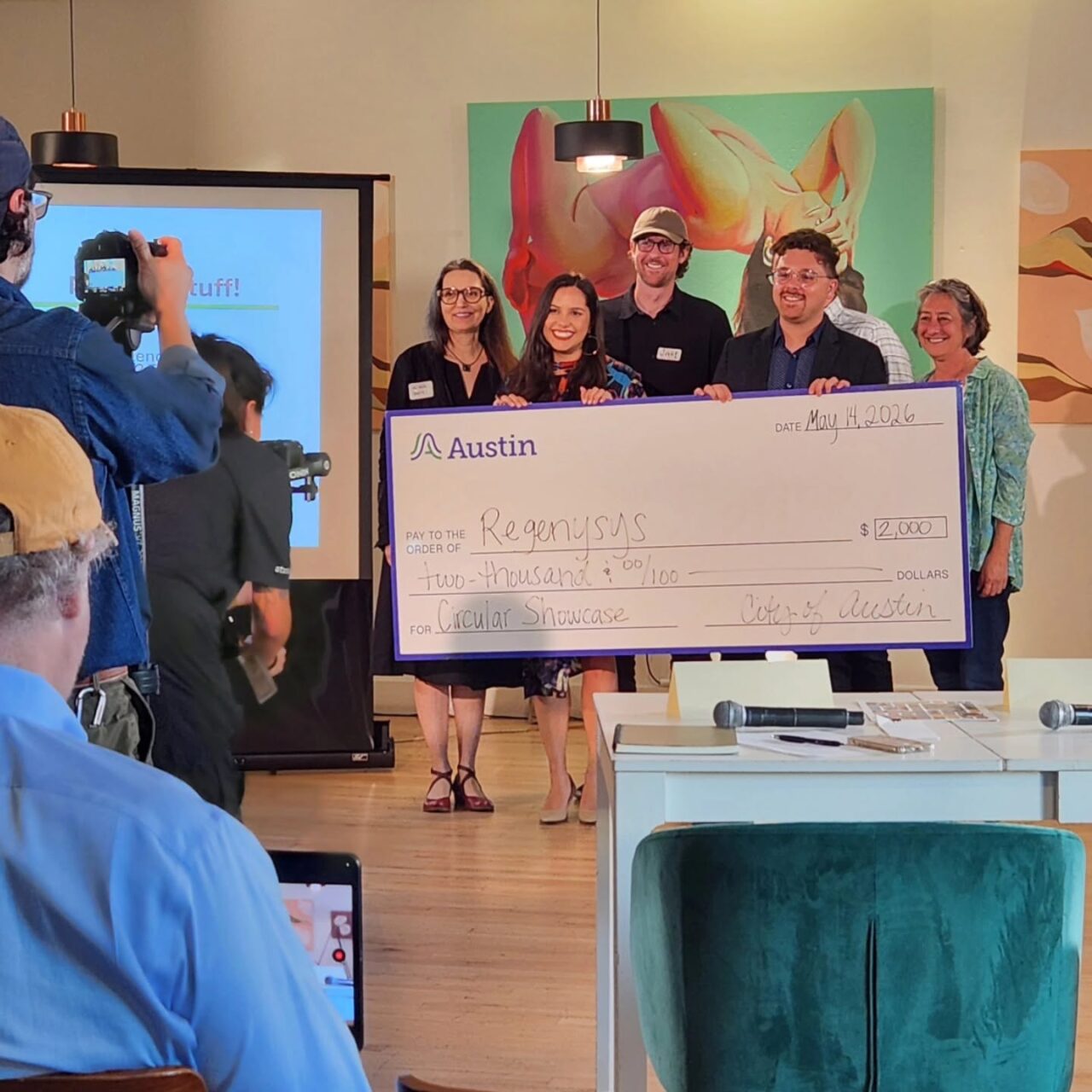
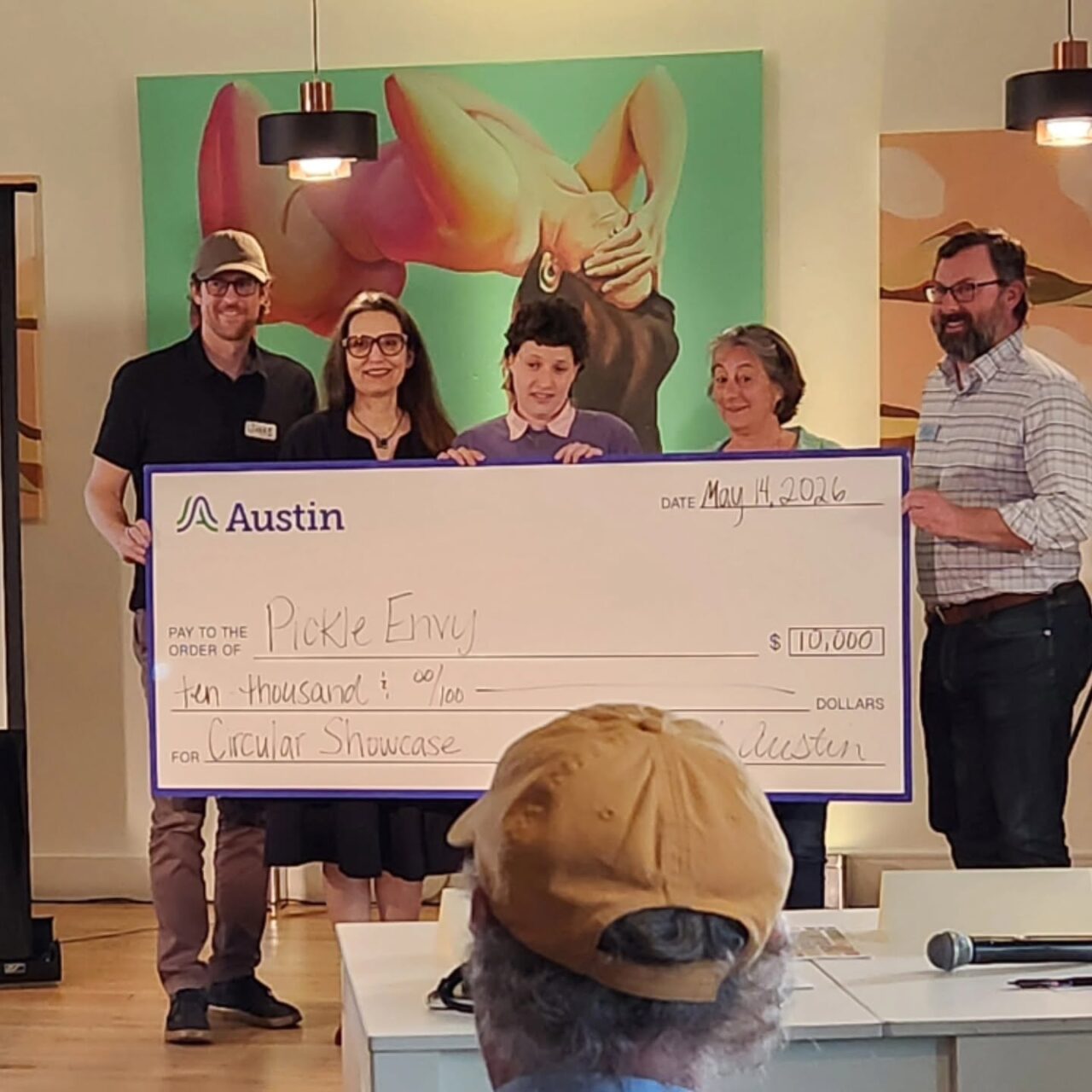
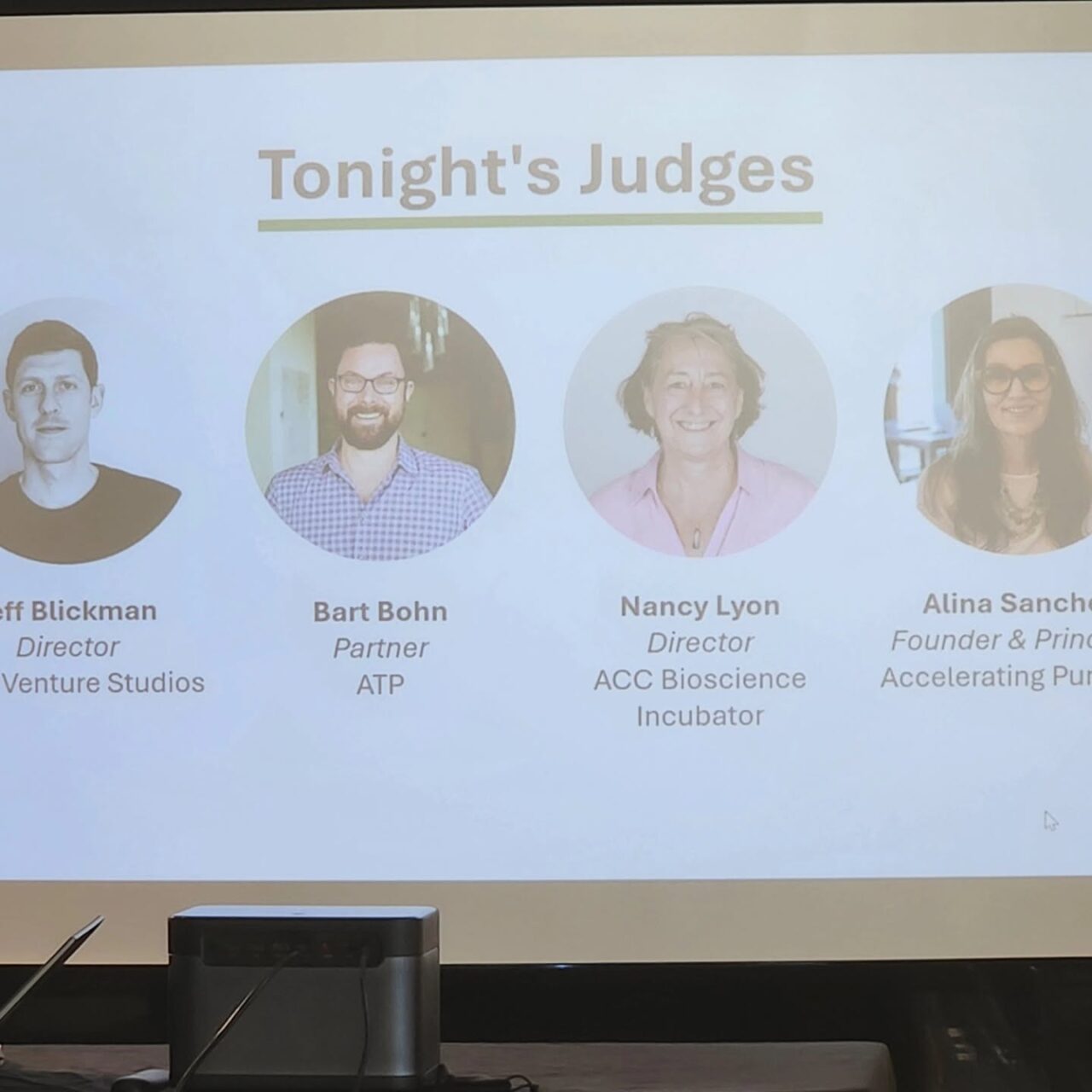
Congratulations to Pickle Envy and Regenysys on their wins. The full group of finalists brought strong ideas and showed how many different approaches can contribute to a more circular economy.
Seeing the Community Grow
One of the best parts of the evening was seeing so many familiar faces, including my new coworkers! Austin’s sustainability community can sometimes feel spread across different industries, organizations, and events. The Circular Showcase brings many of those groups into the same room.
It was rewarding to reconnect with people I had met through previous jobs, networking events, climate programs, and sustainability gatherings. Those repeated connections matter because circular systems depend on collaboration.
A single company or department cannot create a circular economy alone. Progress requires coordination among:
- Local government
- Businesses
- Entrepreneurs
- Manufacturers
- Nonprofits
- Investors
- Educators
- Residents
Events like this help those groups find one another.
A Different Perspective from Inside the Work
Attending as part of Austin Resource Recovery also made me think more carefully about the relationship between public programs and private innovation.
Cities help create the infrastructure, policies, services, and educational systems that support waste reduction. Entrepreneurs can test new ideas, build specialized solutions, and respond quickly to emerging needs. Both roles are important.
The most effective circular economy will likely come from a combination of:
- Strong public systems
- Innovative businesses
- Clear communication
- Accessible services
- Community participation
- Partnerships and connections
Seeing those pieces in one room made the event feel especially relevant to my new role.
A Personal Career Milestone
The evening was also a small but meaningful career milestone.
I had spent years working around environmental communications, recycling, public education, and sustainability. I had attended events like this because I wanted to remain connected to the field and continue learning. Now I was participating from within a role that aligned directly with those interests.
The event itself had not changed completely, but my place within it had. That made the night feel less like another professional gathering and more like evidence that my career had moved into a new chapter.
Continuing to Learn
The Circular Showcase reminded me that Austin’s circular economy is still evolving. New ideas are emerging. Businesses are experimenting. Public programs are expanding. Community awareness is growing.
There is still a great deal of work ahead, but the energy in the room made that work feel possible. I left the event excited to keep learning, supporting local innovation, and contributing to the larger effort to reduce waste and keep valuable materials in use.
This time, I was not only watching the movement grow. I was beginning to take part in it from the inside.
*Content was generated with AI based on my notes and direction, then edited and refined by me for accuracy.