A Global Sustainability Conversation in Austin During SXSW
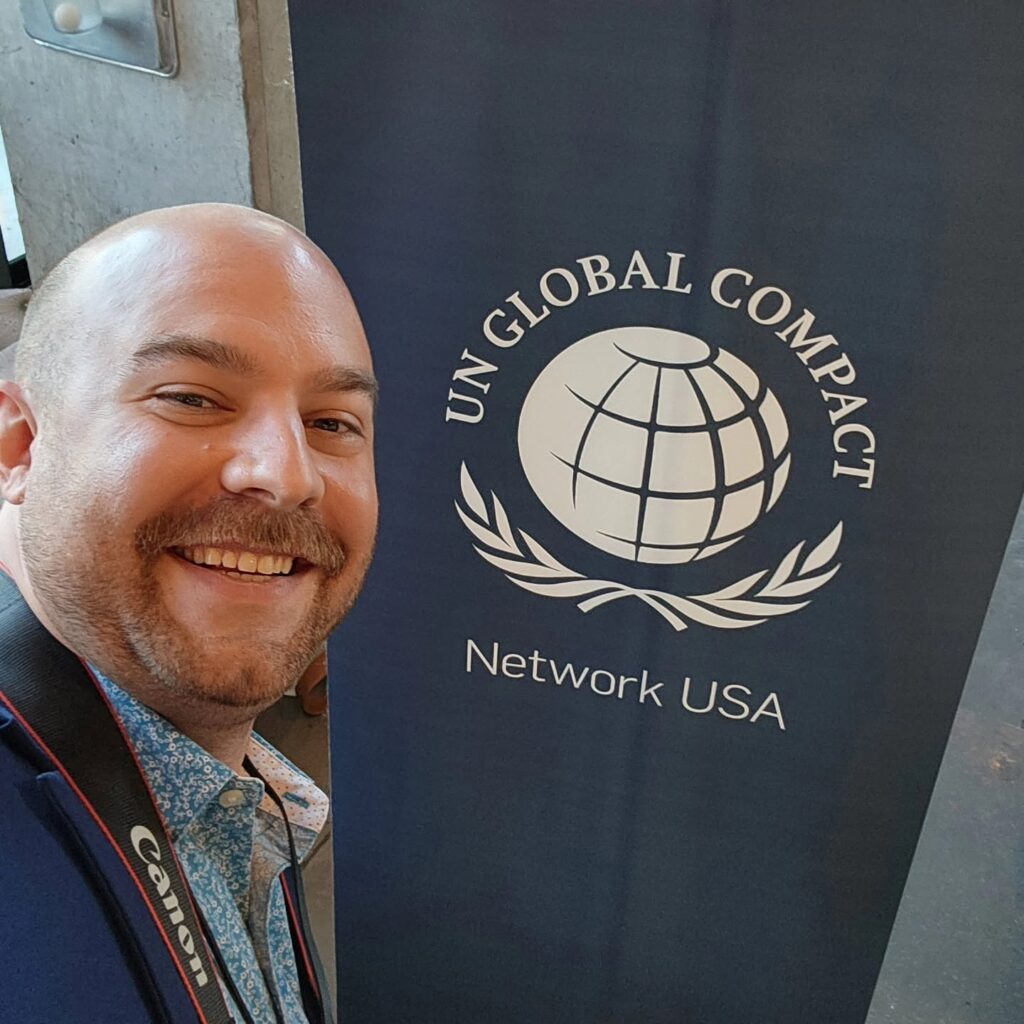
On March 12, 2026, I attended an Austin Sustainability Professionals event held in partnership with the UN Global Compact Network USA during SXSW in Austin. Framed as a private happy hour and panel discussion, the event centered on what organizers described as the “new language” of sustainability and how it intersects with innovation at a critical moment of transition. That framing felt especially timely.
Sustainability work today is often described through a growing list of overlapping terms: resilience, ESG, EHS, circular economy, climate innovation, regenerative systems, and more. Depending on the industry or audience, the language shifts. But beneath those labels, the larger question remains the same: how do we move from ambition to meaningful change?
This panel brought together voices from corporate sustainability, climate technology, global convening, and healthy buildings to discuss exactly that. In the middle of SXSW, when Austin becomes a meeting point for big ideas, bold claims, and future-focused conversations, this event stood out for being more grounded, reflective, and practical.
Rather than asking only what’s next, the discussion also asked whether many of the solutions already exist = and whether the real barriers are adoption, scale, communication, and alignment.
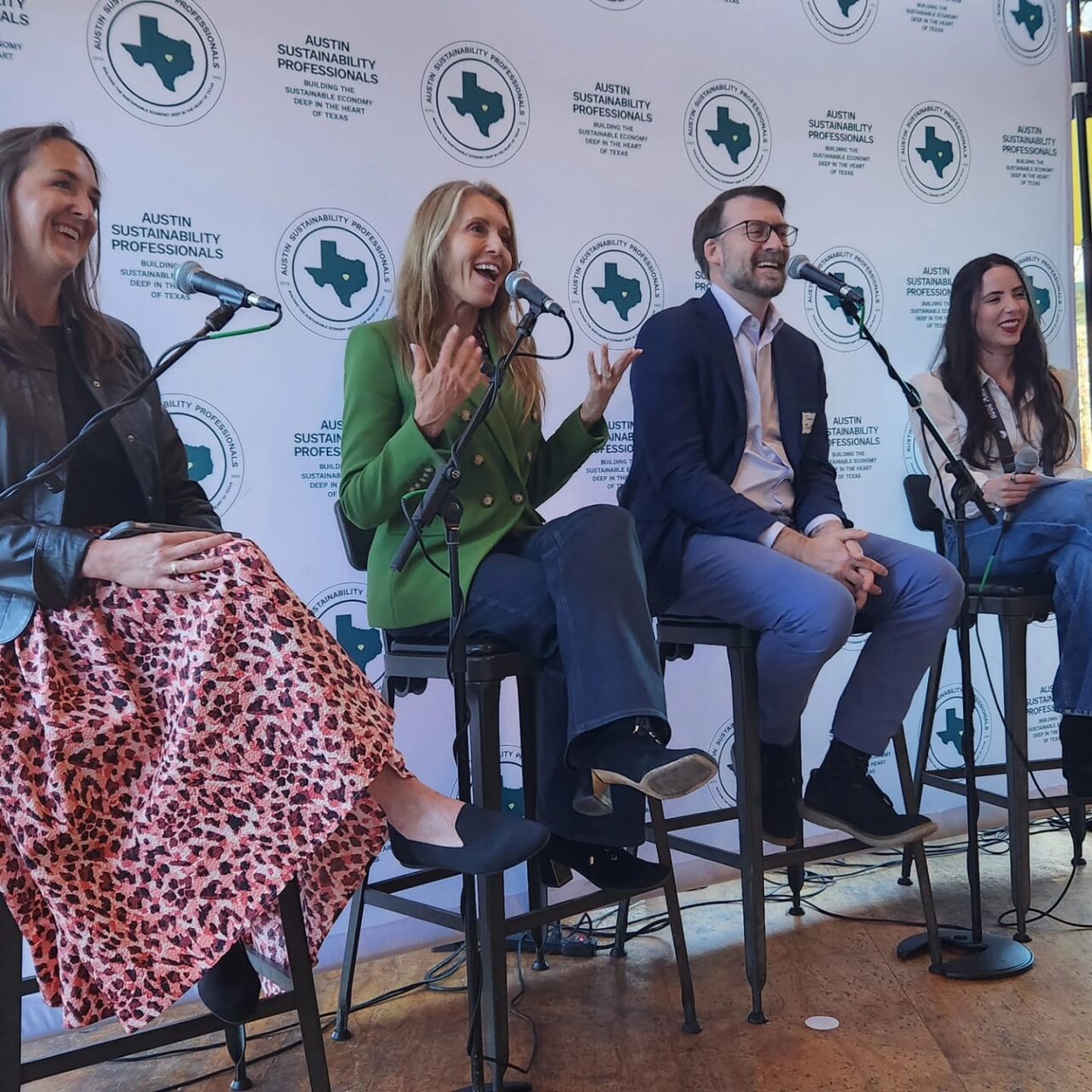
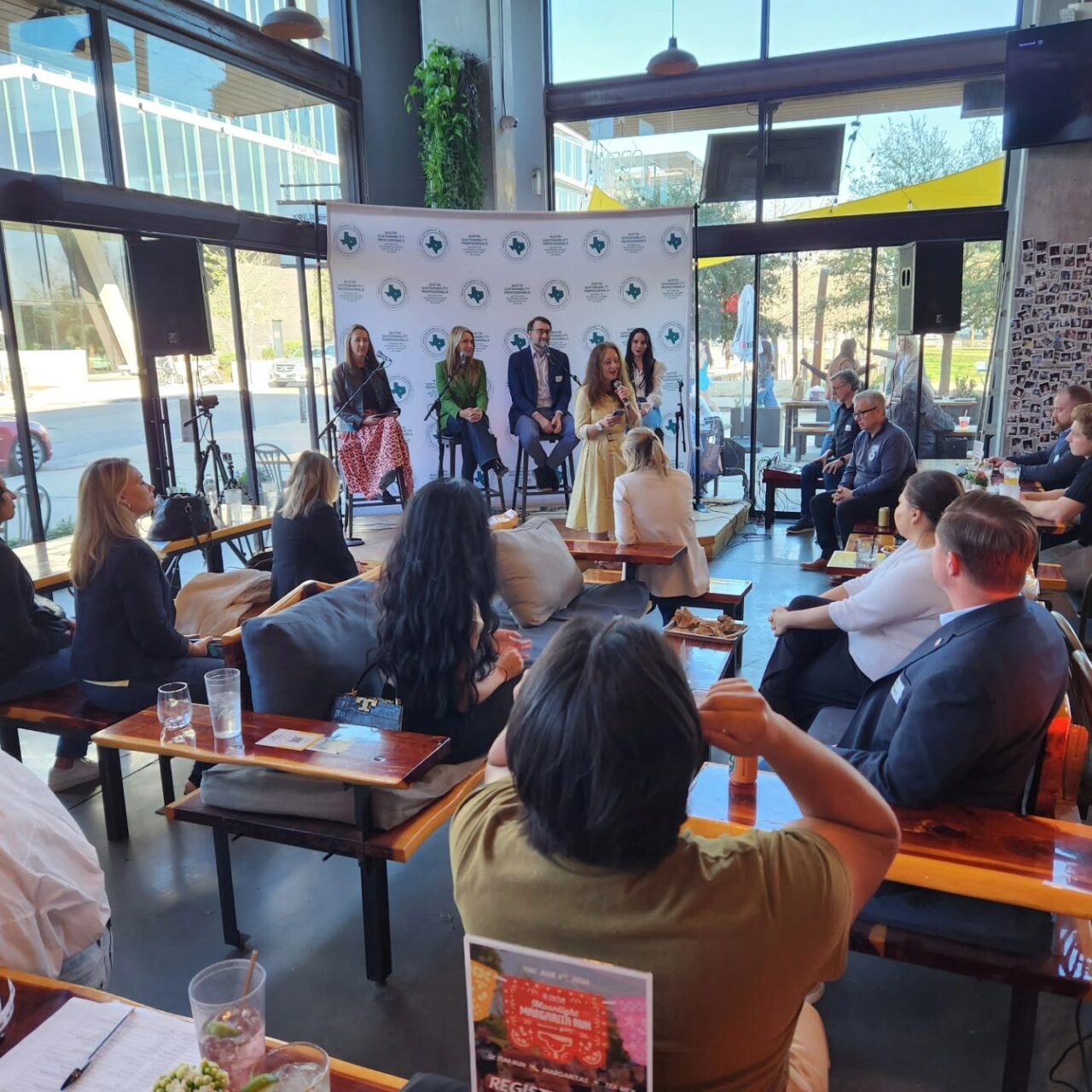
What I Experienced
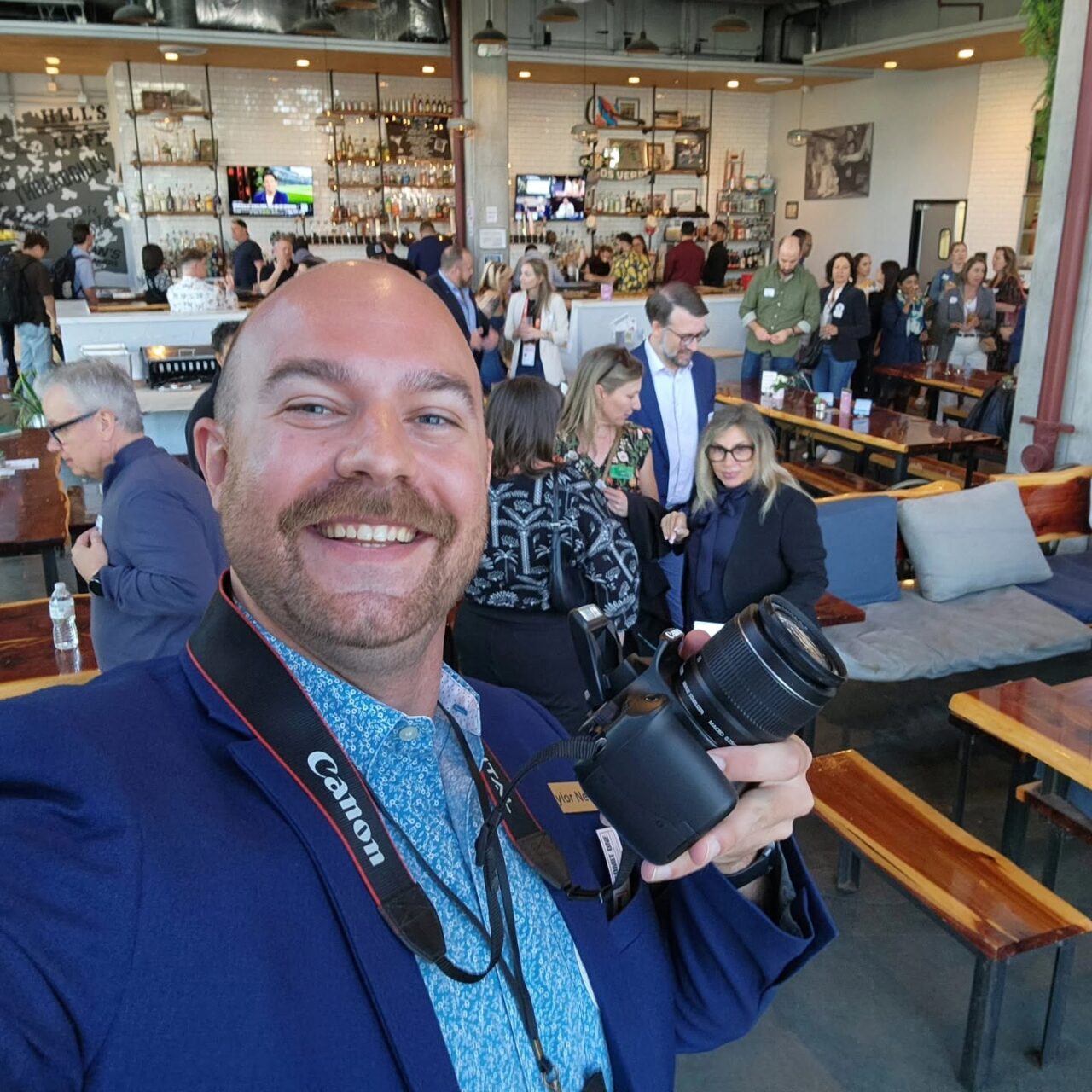
The event had the feel of both a local gathering of professionals and a global conversational stage.
Hosted by Austin Sustainability Professionals, the evening brought together members of Austin’s sustainability community alongside guests connected to the UN Global Compact Network USA. The setting created a more intimate space than some of the larger SXSW events happening around town, which made the conversation feel more personal and more relatable.
The panel itself focused less on presenting polished solutions and more on wrestling with the reality of where sustainability work stands today.
One of the biggest themes that emerged was the tension between innovation and implementation. In sustainability circles, there is often an assumption that progress depends on the next major breakthrough = the next cleaner technology, the next market disruptor, the next policy mechanism, the next scalable model.
But another perspective raised during the conversation was that in many areas, we may already have a significant number of the tools we need. If that is true, then the bigger challenge becomes something else: adoption, alignment, incentives, communication, and cross-sector collaboration.
That thought stayed with me. Do we still need to invent the future, or do we need to get better at activating what already exists?
The panelists approached that question from different angles based on their own work and backgrounds, which made the discussion especially compelling. Rather than everyone repeating the same talking points, each speaker brought a different view of where sustainability is headed and what kinds of gaps still need to be addressed.
I also appreciated that the conversation recognized how much of sustainability work now happens through translation. Not just technical translation, but strategic and cultural translation. Different industries, organizations, and communities often mean different things when they use the word “sustainability.” That can create confusion, but it can also create an opportunity to rethink how the work is framed and communicated.
In that sense, the event really was about the “new language” of sustainability = not just new terminology, but new ways of helping people understand why this work matters and how to move it forward.
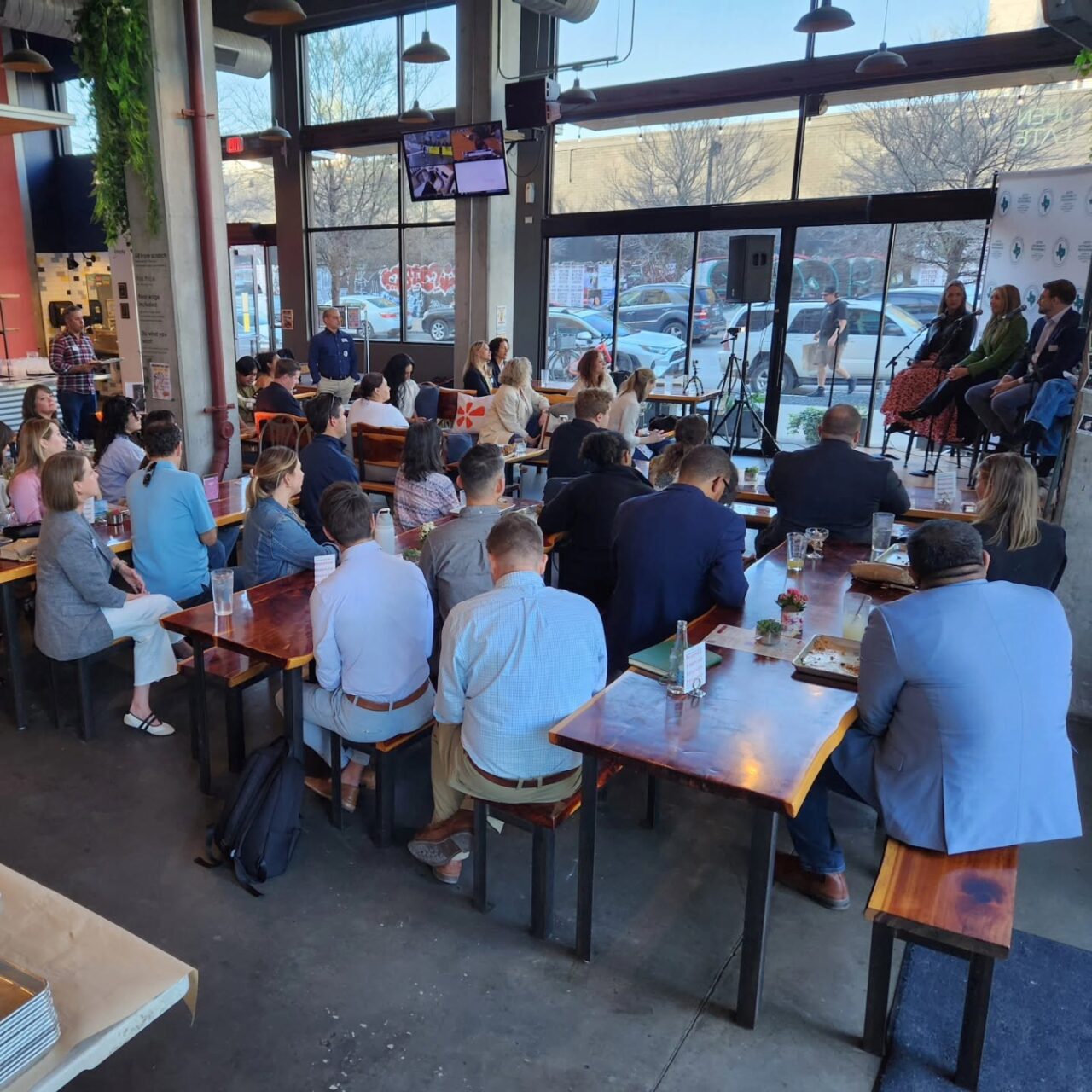
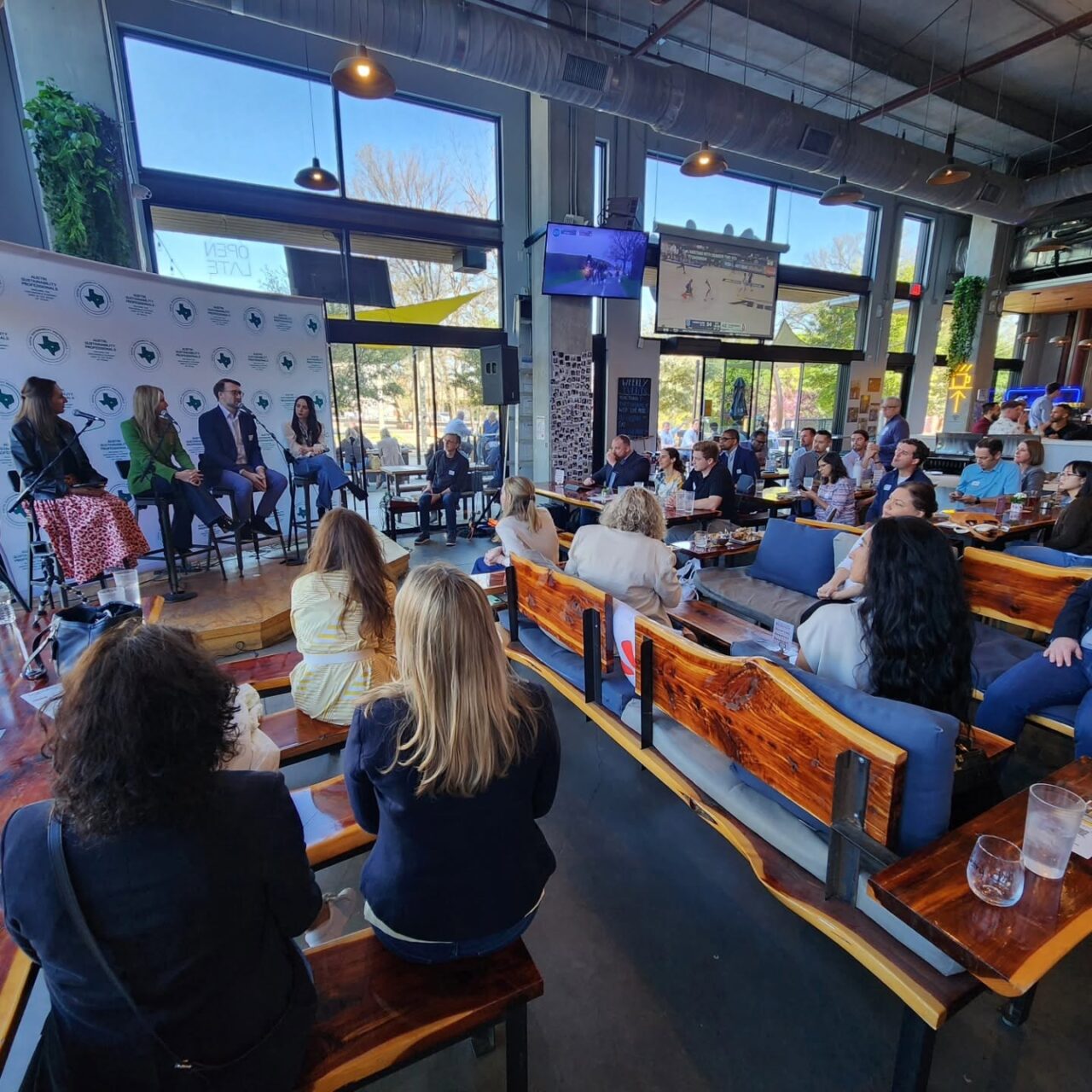
Key Themes and Takeaways
Several strong themes emerged from the discussion.
Sustainability Is Evolving, Even If the Mission Is Not
One of the clearest takeaways from the evening was that the language around sustainability continues to evolve rapidly.
In some spaces, the preferred term is ESG. In others, it is resilience, EHS, climate strategy, regenerative design, or social sustainability. The vocabulary may shift depending on the audience, the politics of the moment, or the maturity of the field.
But even when the terminology changes, the underlying mission remains consistent: building systems, organizations, and communities that are healthier, more responsible, and more resilient over time.
That matters because language shapes access. If sustainability professionals want broader buy-in, the work often needs to be framed in ways that resonate with different stakeholders without losing its core purpose.
Innovation Alone Is Not Enough
Another major theme was that innovation, while essential, is only part of the equation.
There is often a tendency at events like SXSW to celebrate bold new ideas, breakthrough technologies, and disruptive thinking. Those things matter. But the conversation at this panel highlighted that innovation without implementation does not create impact.
Many promising ideas stall because of weak incentives, slow adoption, fragmented systems, lack of trust, regulatory friction, or communication gaps between sectors.
That felt especially important. The next phase of sustainability may depend as much on coordination and follow-through as it does on invention.
The Biggest Opportunities May Come from Connecting Existing Solutions
A related idea that surfaced was that some of the most meaningful breakthroughs may come not from a single new technology, but from better integration of solutions that already exist.
Corporate sustainability teams, climate tech companies, public health frameworks, and global policy initiatives often operate in parallel. But when these efforts connect, the potential for scale increases.
The panel suggested that progress may depend less on waiting for one perfect answer and more on getting better at linking together the tools, frameworks, and people already doing the work.
Human Health and Built Environments Belong in the Sustainability Conversation
The inclusion of a healthy buildings perspective added an important dimension to the conversation.
Too often, sustainability discussions are limited to energy, emissions, or compliance. But the built environment has a major influence on health, equity, and everyday quality of life. Bringing that lens into the conversation helped reinforce that sustainability is not just about minimizing harm. It is also about designing systems that actively support human well-being.
That broader framing feels increasingly relevant as sustainability work becomes more integrated into operations, design, and organizational strategy.
Panelists and Discussion Topics
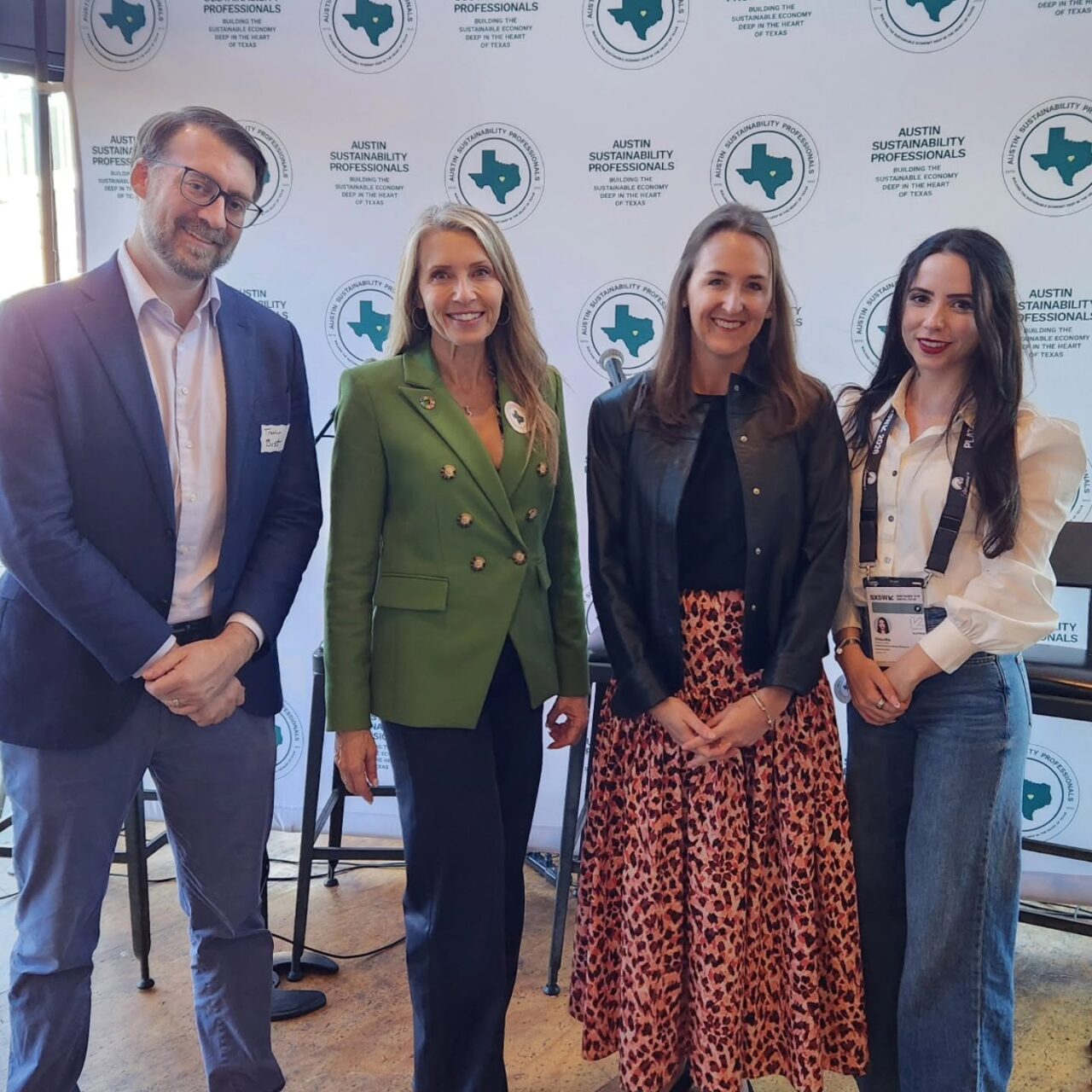
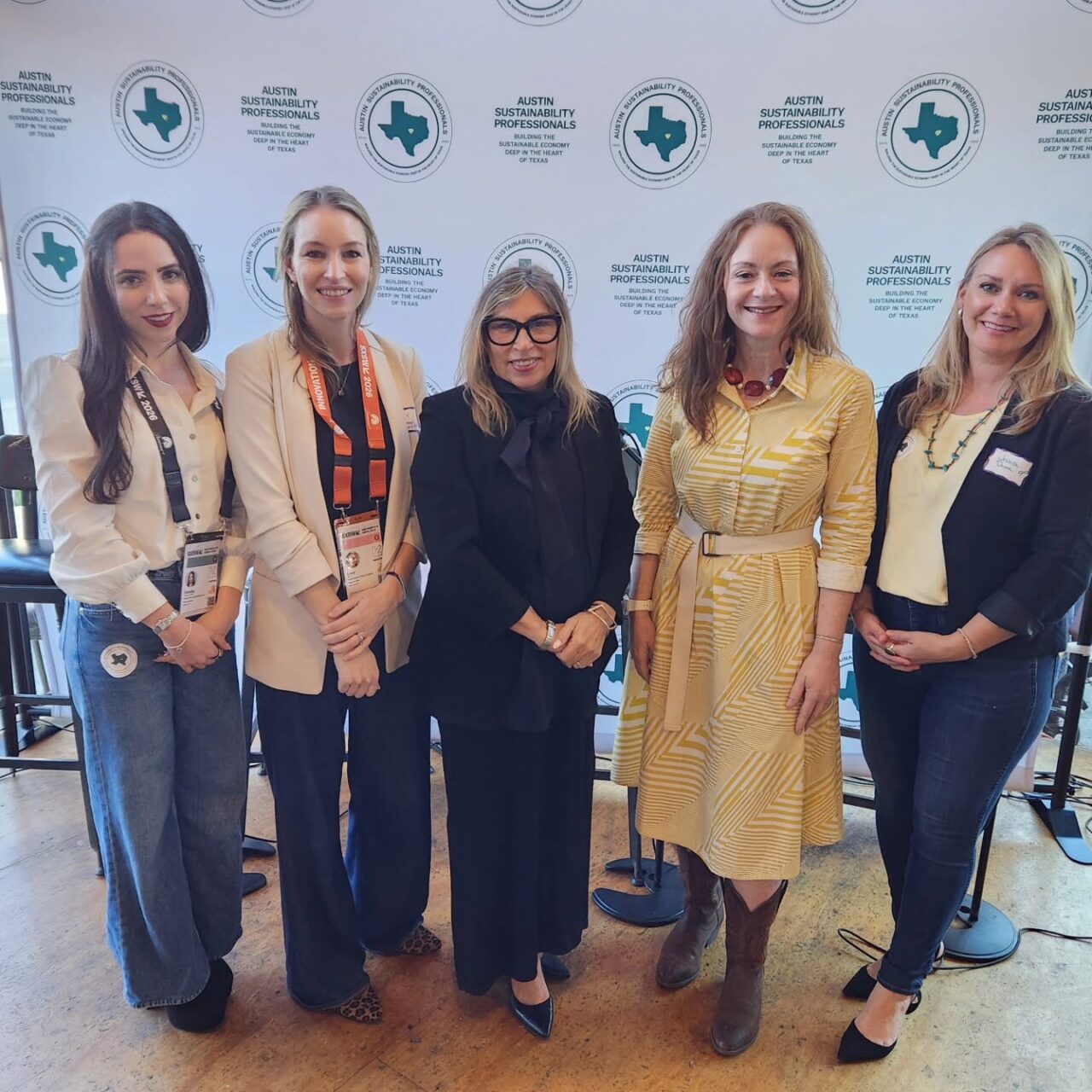
The panel brought together speakers from several different corners of the sustainability field, which gave the discussion a strong mix of perspectives.
Gayle Schueller
Chief Sustainability Officer, 3M
Gayle Schueller brought the perspective of corporate sustainability at scale. Her background reflected the realities of integrating sustainability into a large, global company, where innovation, operational feasibility, stakeholder expectations, and long-term strategy all have to work together.
Her presence on the panel helped ground the conversation in the practical realities of how sustainability gets implemented inside complex organizations.
Trevor Best
CEO & Co-Founder, Syzygy Plasmonics
Trevor Best represented the climate tech and innovation side of the discussion. His work at Syzygy Plasmonics reflects the role advanced technologies can play in lowering emissions and transforming industrial processes.
His perspective contributed to the question of whether the next wave of sustainability progress will come from entirely new technologies, or from better deployment of innovations that are already beginning to prove themselves.
Kelly Worden
VP, ESG and Social Sustainability, International WELL Building Institute
Kelly Worden brought an important perspective at the intersection of sustainability, public health, ESG, and the built environment.
Her work focuses on how buildings and organizations can optimize for long-term environmental and social performance, which expanded the conversation beyond traditional sustainability metrics. Her perspective underscored the idea that sustainability is deeply connected to how people live, work, and experience spaces every day.
Claudia Herbert Colfer
Head of Programming, UN Global Compact Network USA
Moderator
As moderator, Claudia Herbert Colfer guided the conversation through the broader themes of sustainability language, innovation, adoption, and what comes next.
Her role helped connect the panelists’ different backgrounds into a more cohesive discussion about where the field is headed and what kinds of collaboration are needed to sustain progress.
About the Organizations Behind the Event
Austin Sustainability Professionals
Austin Sustainability Professionals (ASP) is a growing community that brings together people working across sustainability, environmental strategy, climate innovation, policy, and related sectors in Central Texas.
ASP events often create a valuable middle ground between professional development and community-building. They are spaces where local practitioners can exchange ideas, learn from one another, and connect with the broader sustainability ecosystem taking shape in Austin.
UN Global Compact Network USA
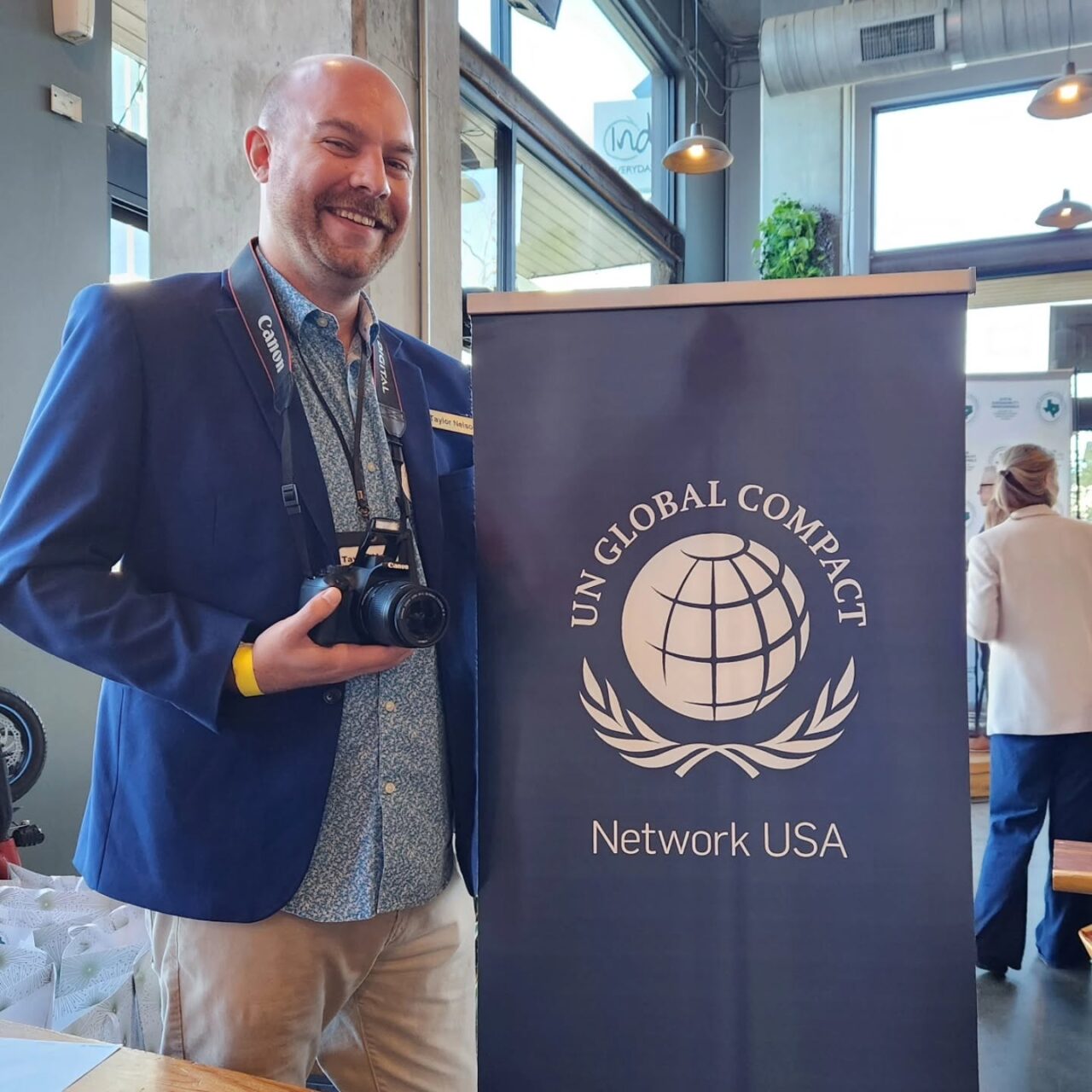
The UN Global Compact Network USA is the U.S. chapter of the United Nations Global Compact, a global initiative focused on advancing responsible business practices and helping companies align with principles related to human rights, labor, environment, and anti-corruption.
Their involvement brought an international and cross-sector lens to the event, helping situate Austin’s local sustainability conversations within a much larger global context.
Why This Event Mattered
What made this event especially meaningful was the timing and the framing. SXSW is full of future-facing conversations, but not all of them create space for nuance. This panel did.
It recognized that sustainability is at a crossroads. The field is becoming more mainstream, but also more fragmented in language and expectations. More organizations are talking about sustainability, but not all are equipped to act on it. More solutions are emerging, but implementation still lags in many places.
That makes conversations like this especially valuable. They help cut through buzzwords and ask more grounded questions:
- Are we solving the right problems?
- Are we communicating well enough across sectors?
- Are we waiting too long for perfect solutions instead of scaling workable ones?
- Are we treating sustainability as a side function, or as a daily practice of strategic thinking?
Those are the kinds of questions that can actually move the field forward.
For me, the event also reinforced something I’ve noticed repeatedly in Austin: the city has become a place where local sustainability conversations can connect meaningfully to national and global ones. During SXSW, that intersection becomes even more visible.
Wrap-Up
The Austin Sustainability Professionals x UN Global Compact panel was one of the standout sustainability conversations of my SXSW week.
It did not offer simple answers, and that was part of what made it valuable. Instead, it created space for a more honest discussion about where sustainability work is today, and what may be needed to move it into its next phase.
From corporate strategy and climate tech to healthy buildings and global frameworks, the conversation highlighted that progress will likely depend on both innovation and implementation. We still need new ideas, but we also need better ways to scale, connect, and communicate the ones already in motion.
Events like this remind me why I enjoy being part of Austin’s sustainability ecosystem. There is a real willingness here to ask hard questions, bring together different perspectives, and keep pushing the conversation forward.
And during SXSW, when so many futures are being imagined at once, it felt especially meaningful to be part of one focused on building a more sustainable one.
*Content was generated with AI based on my notes and direction, then edited and refined by me for accuracy.