My first month with Austin Resource Recovery quickly showed me that community engagement is about much more than standing behind an information table.
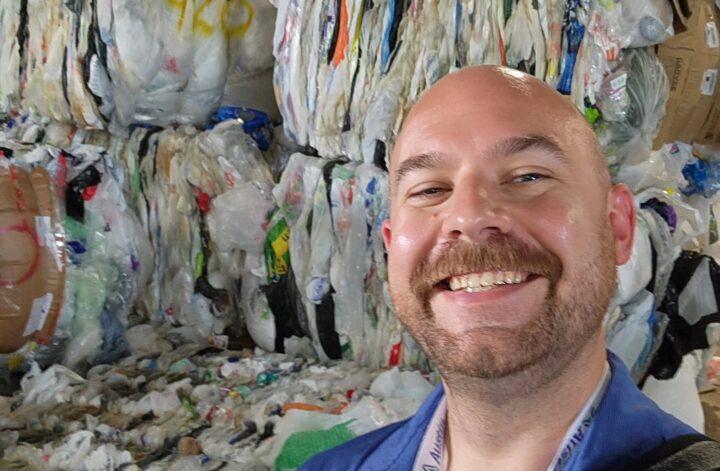
Within a few weeks, I had visited a school career day, watched emergency-response training, helped families build recycled robots, toured a resource-recovery facility, attended community celebrations, and answered questions from residents across Austin.
Each experience gave me a different view of how public service, sustainability, education, and community connection come together.
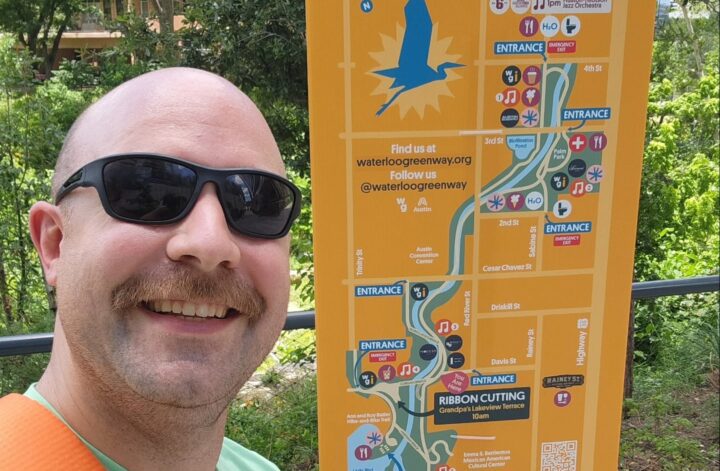
I arrived near the end of the celebration and missed many of the scheduled activities, but I was still glad I made it. Walking through the completed space gave me an opportunity to see how landscape design, ecological restoration, and public access can work together. The Confluence is more than a new trail. It shows how urban parks can serve several purposes at once.
More Than Recreation
Parks are often discussed primarily as places to walk, exercise, gather, or relax. Those benefits are important, but thoughtfully designed green spaces can also support the larger environmental health of a city. The Confluence includes features that can help:
Restore the Waller Creek corridor
Improve habitat for plants and wildlife
Support better water quality
Reduce urban heat
Manage stormwater
Create new pedestrian connections
Provide space for recreation and community gatherings
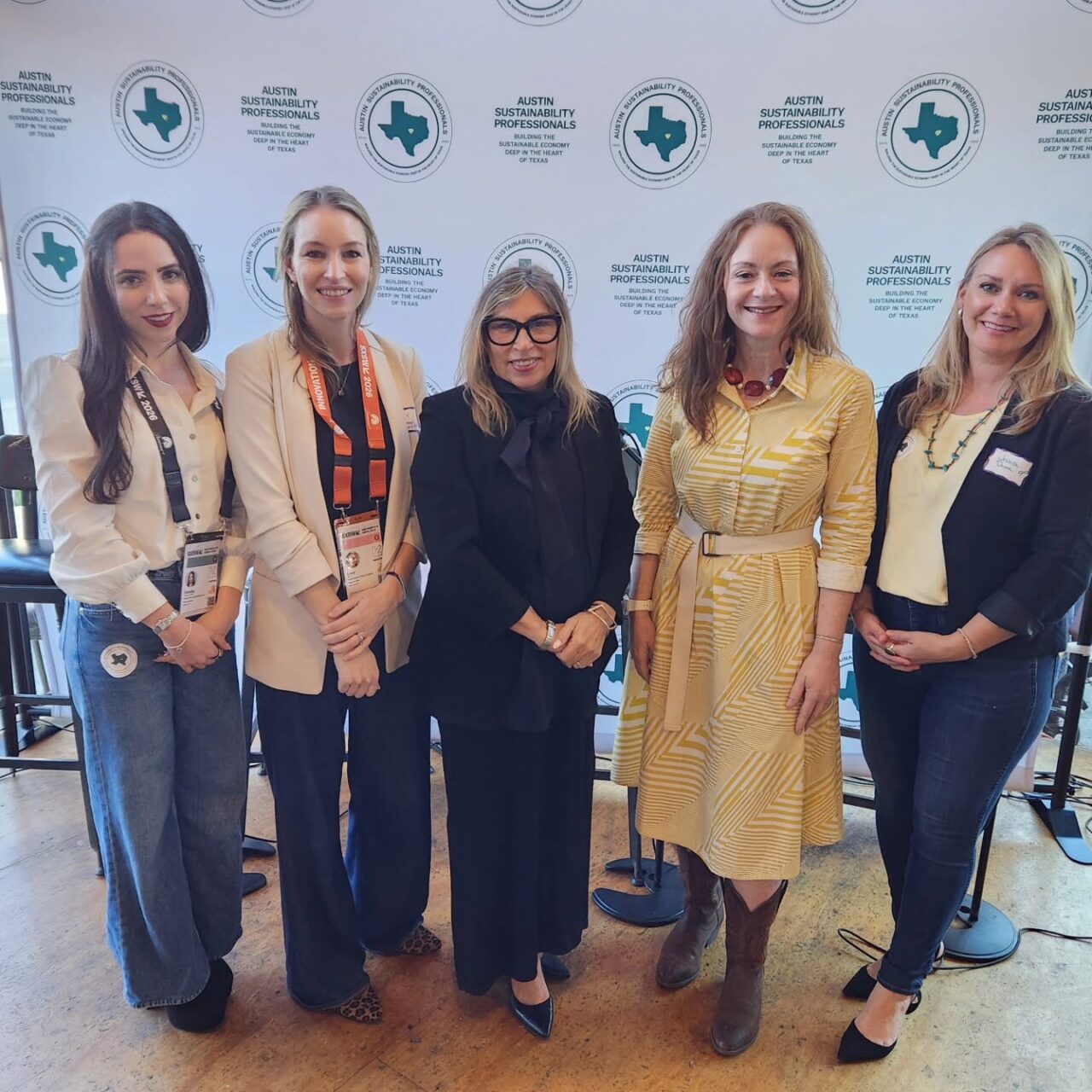
Between 2025 and early 2026, I spent months attending conferences, panel discussions, networking gatherings, volunteer events, and community meetups connected to sustainability and environmental innovation across Central Texas.
Some of these experiences were formal conferences with expert speakers and structured presentations. Others were smaller meetups or volunteer opportunities happening behind the scenes at community events. Each event focused on a different topic: water conservation, circular economy systems, electric mobility, soil ecosystems, climate innovation, and more.
Individually, they were interesting snapshots of specific sustainability challenges. But when viewed together, they formed something bigger: a cross-section of the people, organizations, and ideas shaping the sustainability ecosystem in Texas today.
What struck me most during this stretch of time was the diversity of the sustainability community. The people working on these issues include scientists, engineers, entrepreneurs, nonprofit leaders, policymakers, educators, activists, and volunteers. Each group approaches environmental challenges from a different perspective, yet they often share a common goal: building healthier and more resilient communities.
These experiences also reinforced something that is easy to forget when reading about environmental issues in the news: Sustainability is not just an abstract concept or policy debate. It is a network of real people doing real work in their communities every day.
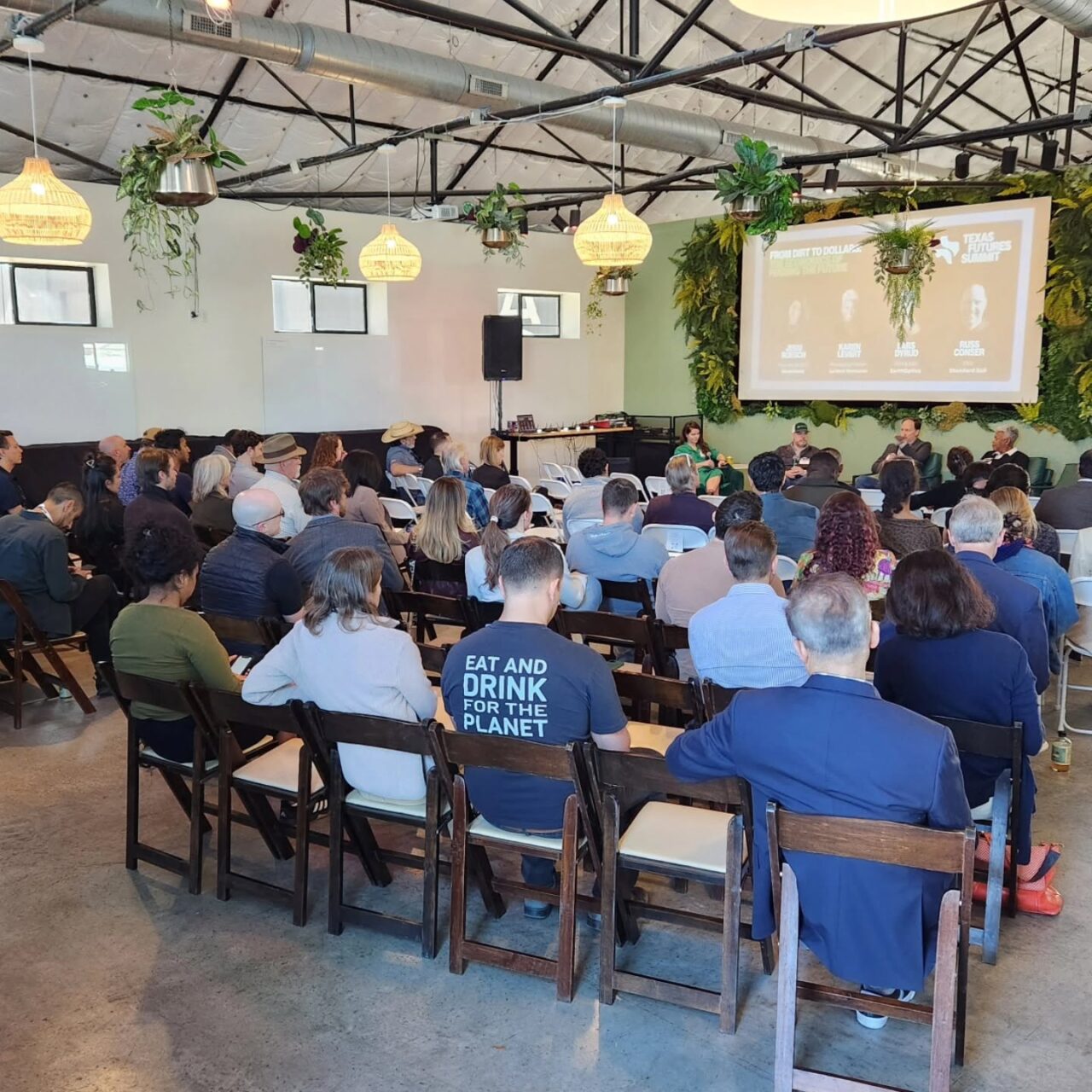
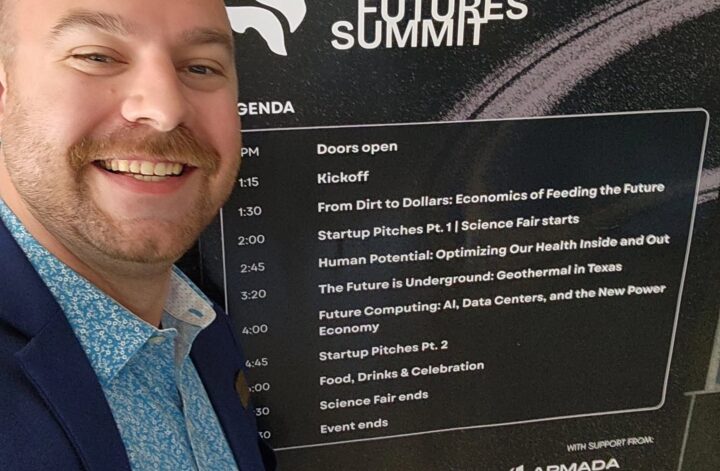
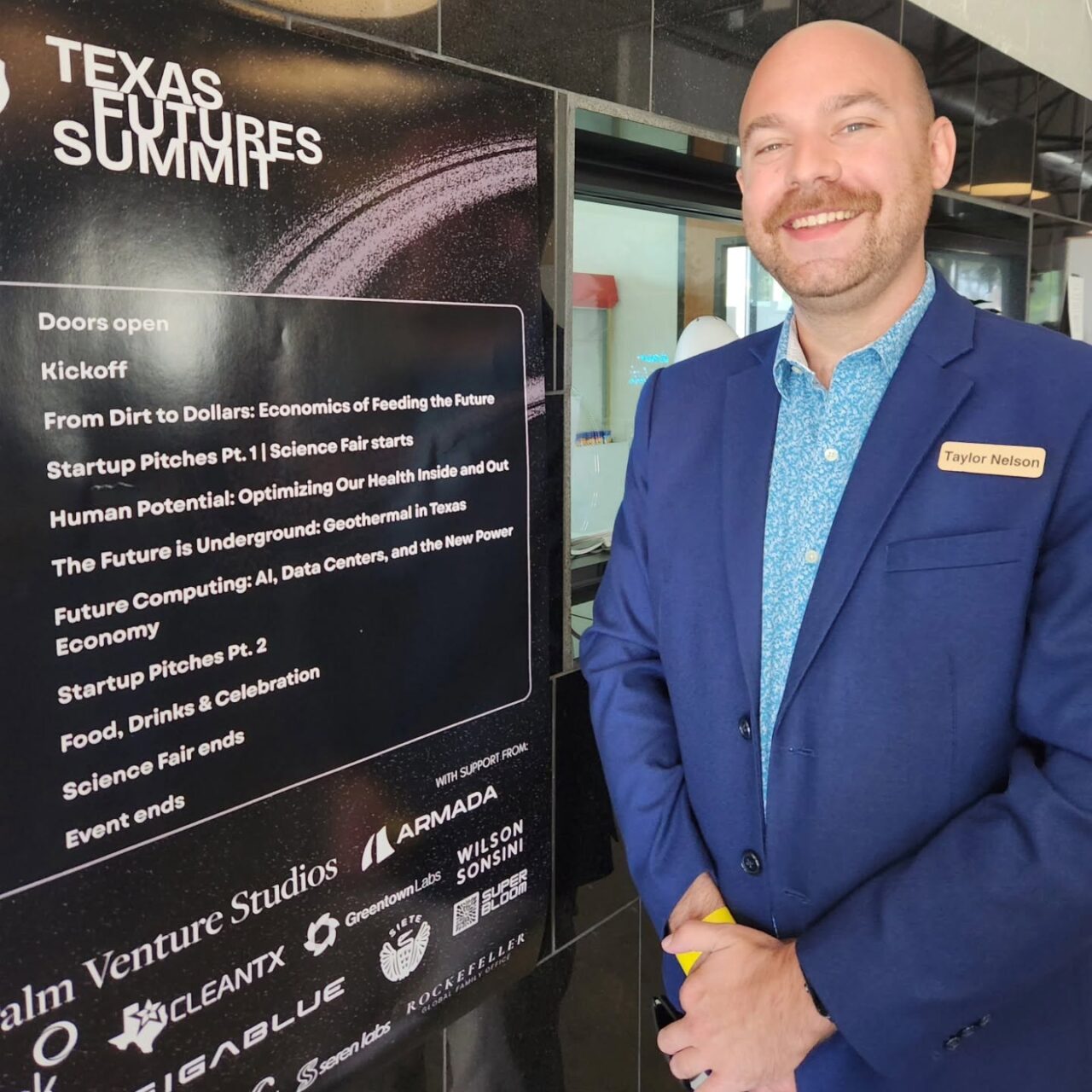
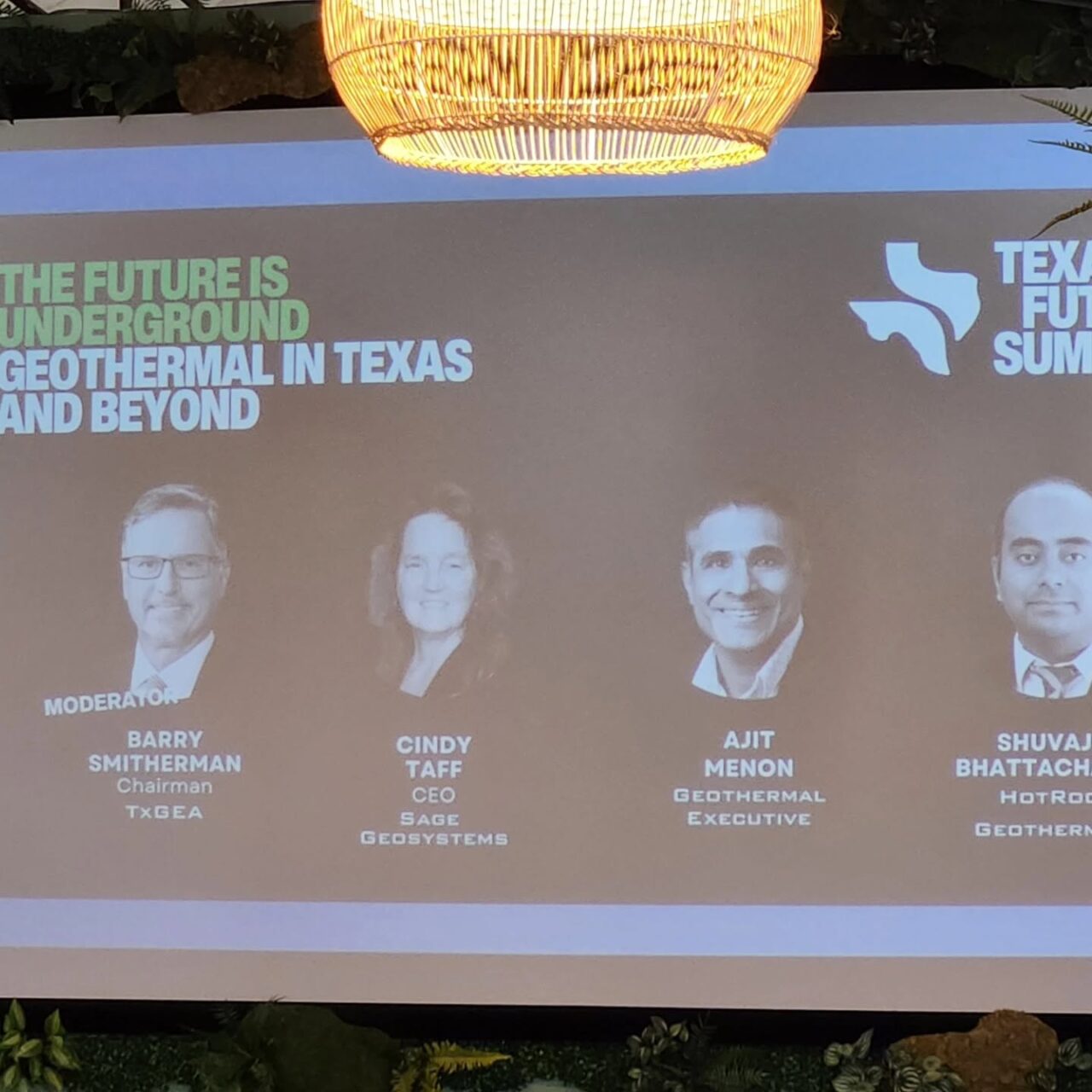
During SXSW week in Austin, I had the opportunity to attend the Texas Futures Summit, hosted by the Texas Futures Coalition and Palm Venture Studios. The event brought together founders, investors, technologists, policymakers, and innovators working at the intersection of sustainability, technology, and economic transformation.
Set against the backdrop of Austin’s rapidly evolving innovation ecosystem, the summit explored how emerging technologies and new economic models are shaping the future of industries ranging from agriculture and energy to computing and human health.
What stood out most was how the event connected systems-level thinking with real-world startups and innovators building tangible solutions today. From soil health and food systems to geothermal energy, artificial intelligence, and advanced materials, the summit showcased a wide spectrum of ideas shaping the future economy.
For me, it ended up being one of the highlights of my SXSW week.
A Day Focused on the Future of Water in Central Texas
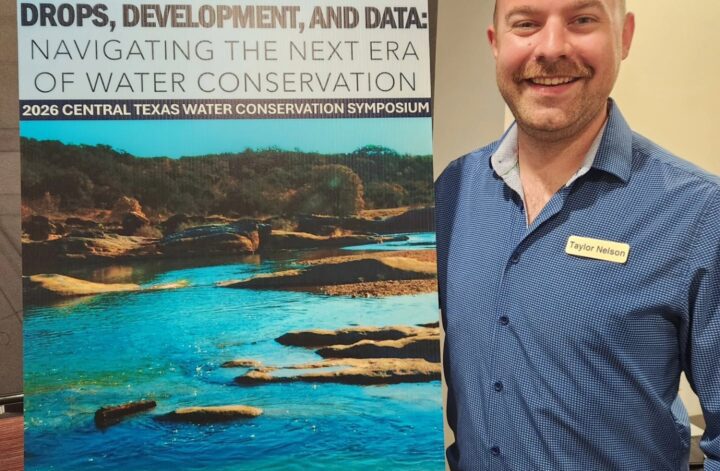
On March 4, 2026, I spent the day attending the Central Texas Water Conservation Symposium, an annual gathering that brings together water utilities, conservation professionals, researchers, policymakers, and community advocates focused on the future of water management in the region.
Central Texas continues to experience rapid population growth, increasing pressure on aquifers, rivers, and springs that sustain both ecosystems and communities. Events like this symposium provide an opportunity for experts and practitioners to share ideas, strategies, and emerging technologies designed to protect water resources while supporting a growing population.
Throughout the day, speakers and panelists explored topics ranging from conservation programs and new water supply strategies to behavioral science and public engagement. What stood out most was how interconnected these issues are = water management isn’t just about infrastructure or engineering, but also about communication, community buy-in, and long-term stewardship.
Introduction: Exploring the Future of Circular Economy in Texas
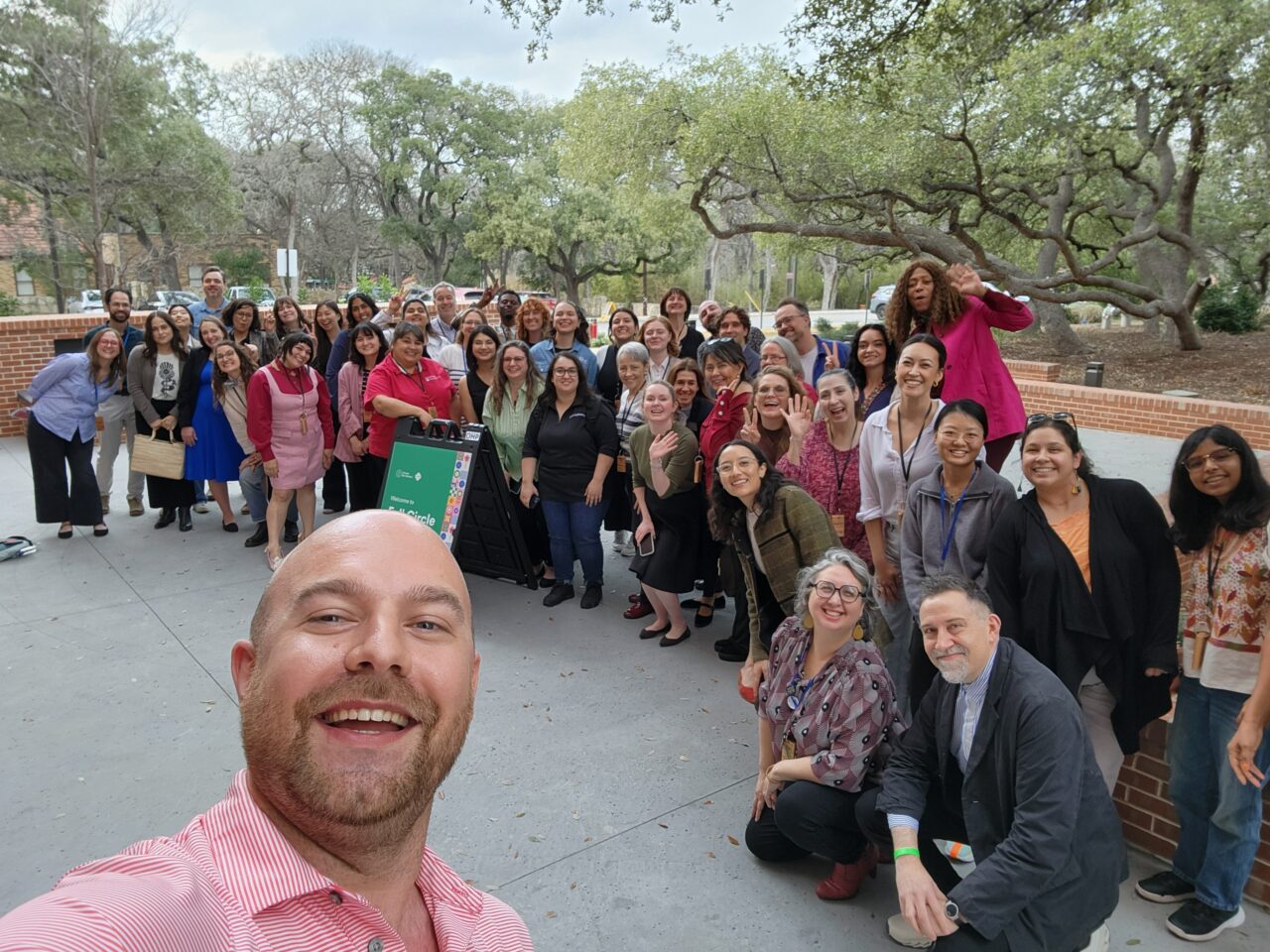
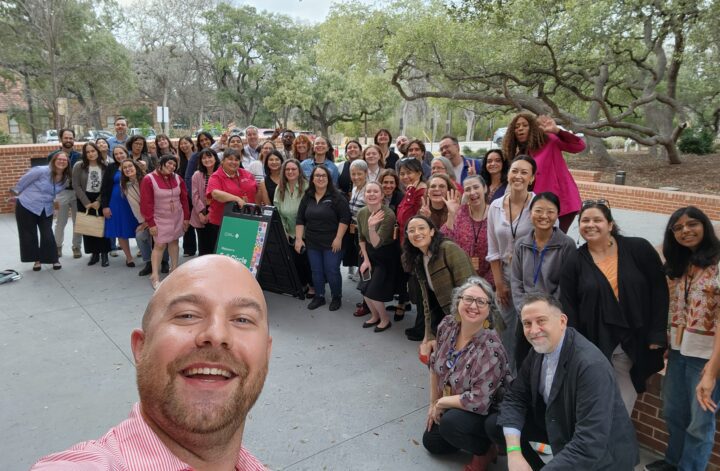
On February 14, 2026, I spent two days in San Antonio attending the Full Circle Summit hosted by Circular San Antonio, an event focused on advancing the circular economy through collaboration between innovators, policymakers, businesses, and community leaders.
The concept of a circular economy is gaining traction around the world. Instead of the traditional “take, make, dispose” model, circular systems focus on keeping materials in use, reducing waste, and designing systems that regenerate resources rather than deplete them.
What made the summit particularly interesting was how it grounded these ideas in real projects happening across Texas. From adaptive reuse in the built environment to material recovery and new innovation hubs, the conversations emphasized practical strategies for building circular systems at the city and community level.