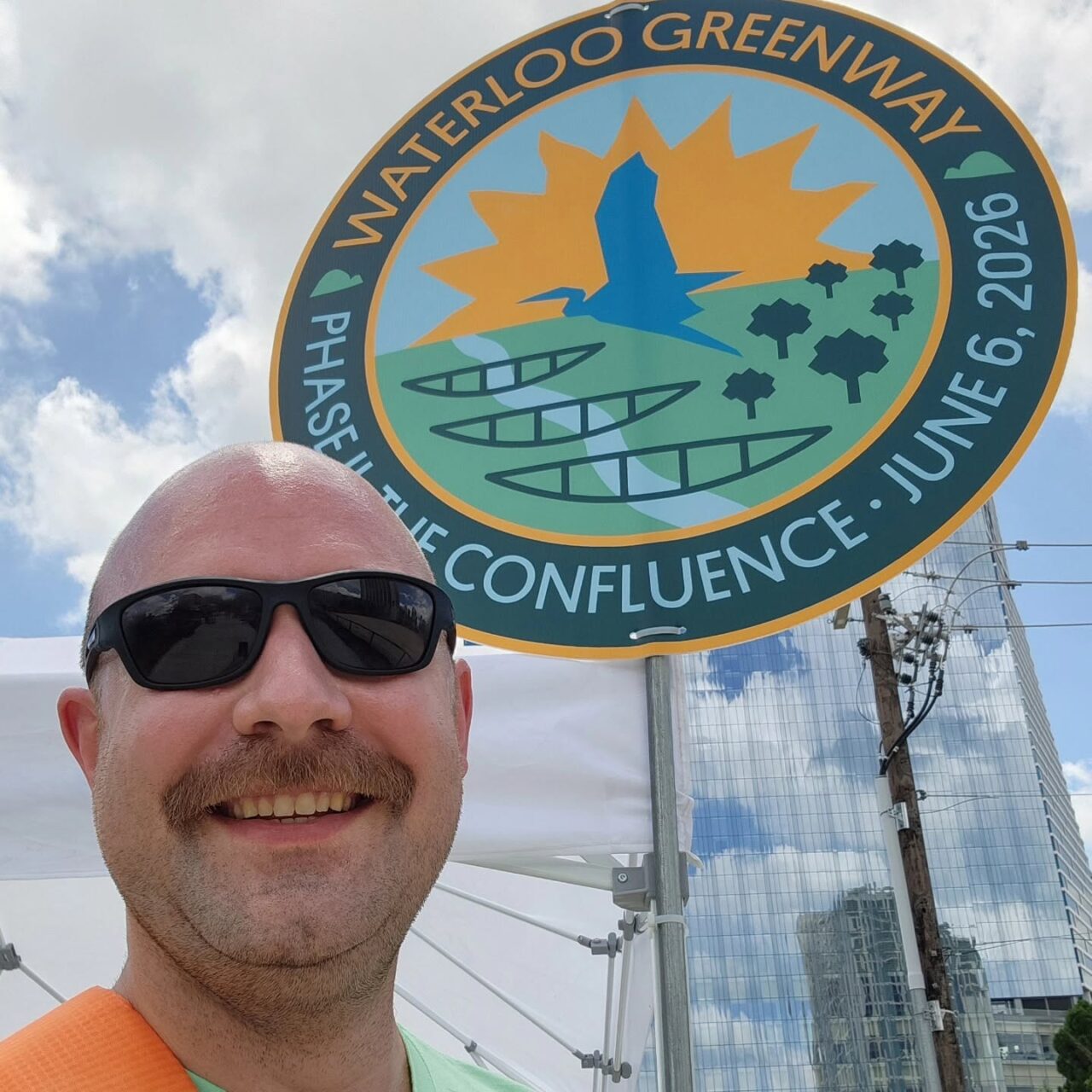
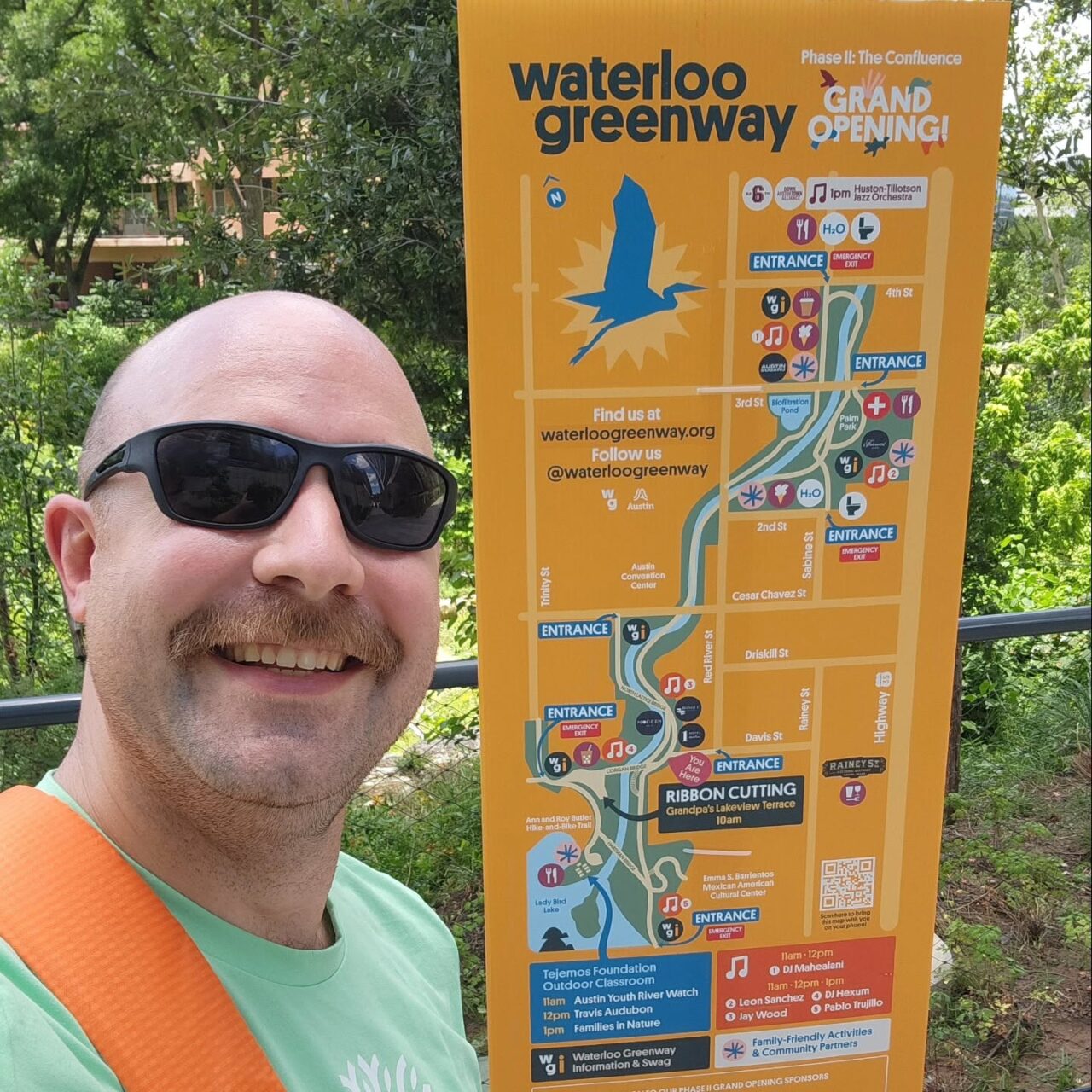
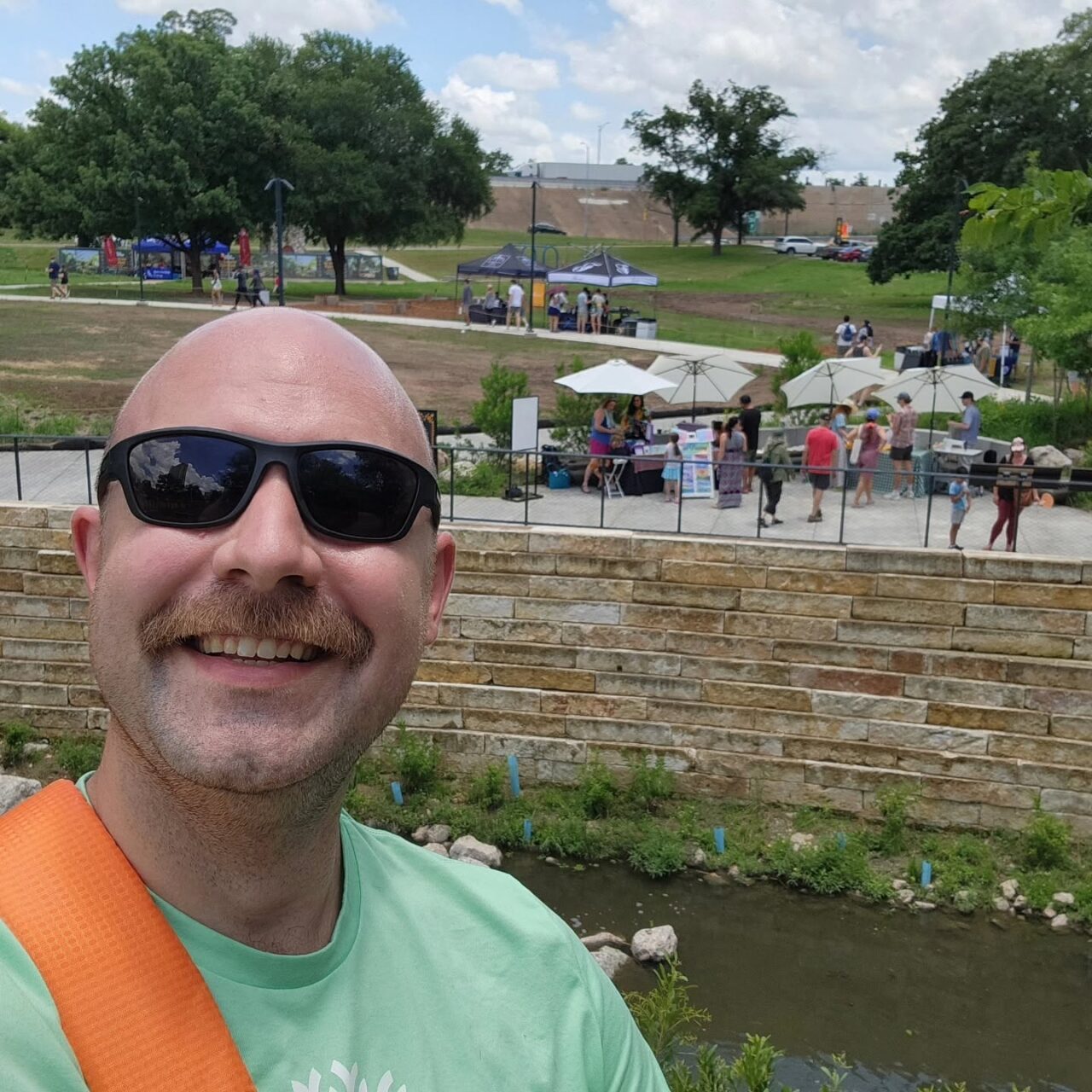
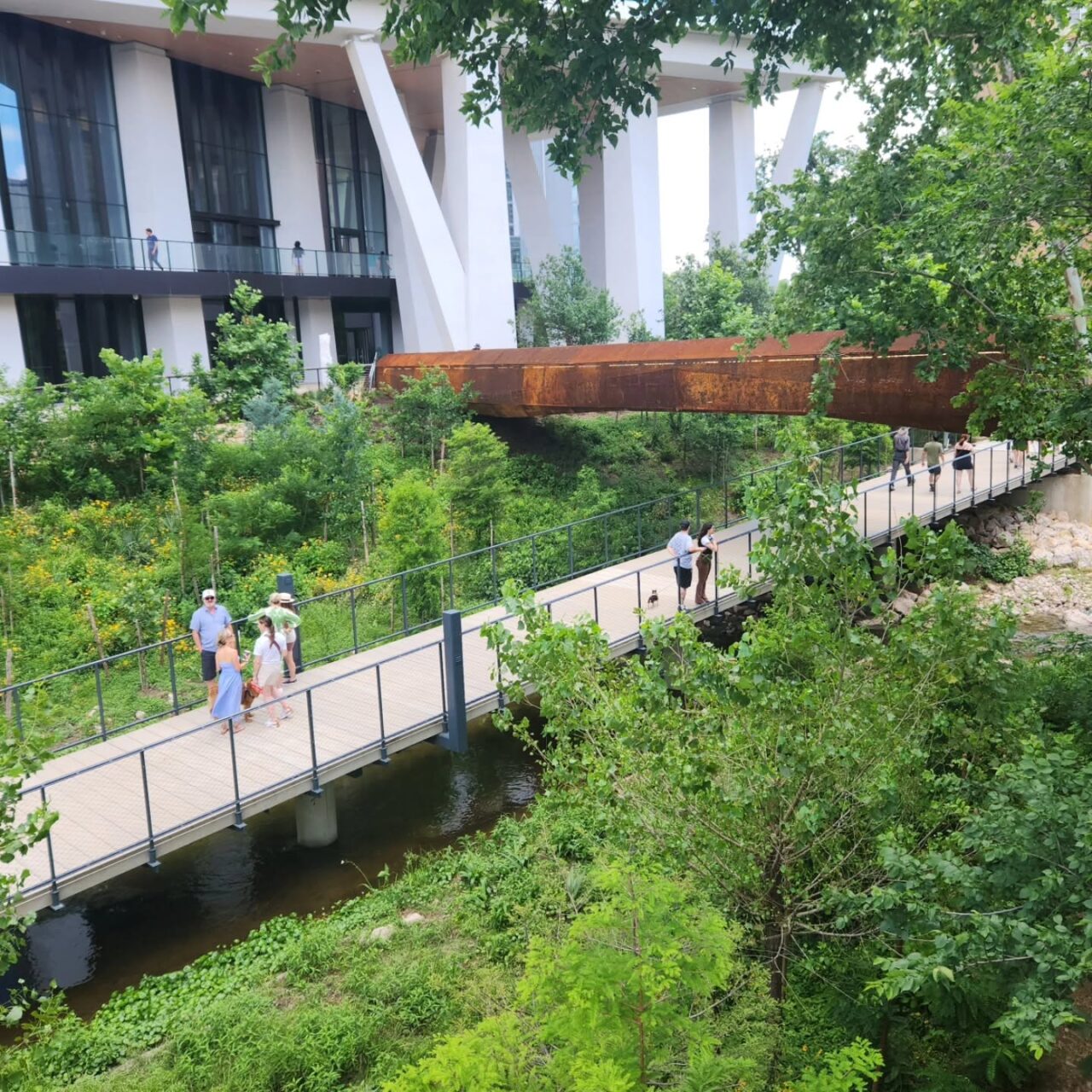
I recently visited the grand opening of Waterloo Greenway Phase II: The Confluence, a new section of parkland and trail along Waller Creek in downtown Austin.
I arrived near the end of the celebration and missed many of the scheduled activities, but I was still glad I made it. Walking through the completed space gave me an opportunity to see how landscape design, ecological restoration, and public access can work together. The Confluence is more than a new trail. It shows how urban parks can serve several purposes at once.
More Than Recreation
Parks are often discussed primarily as places to walk, exercise, gather, or relax. Those benefits are important, but thoughtfully designed green spaces can also support the larger environmental health of a city. The Confluence includes features that can help:
- Restore the Waller Creek corridor
- Improve habitat for plants and wildlife
- Support better water quality
- Reduce urban heat
- Manage stormwater
- Create new pedestrian connections
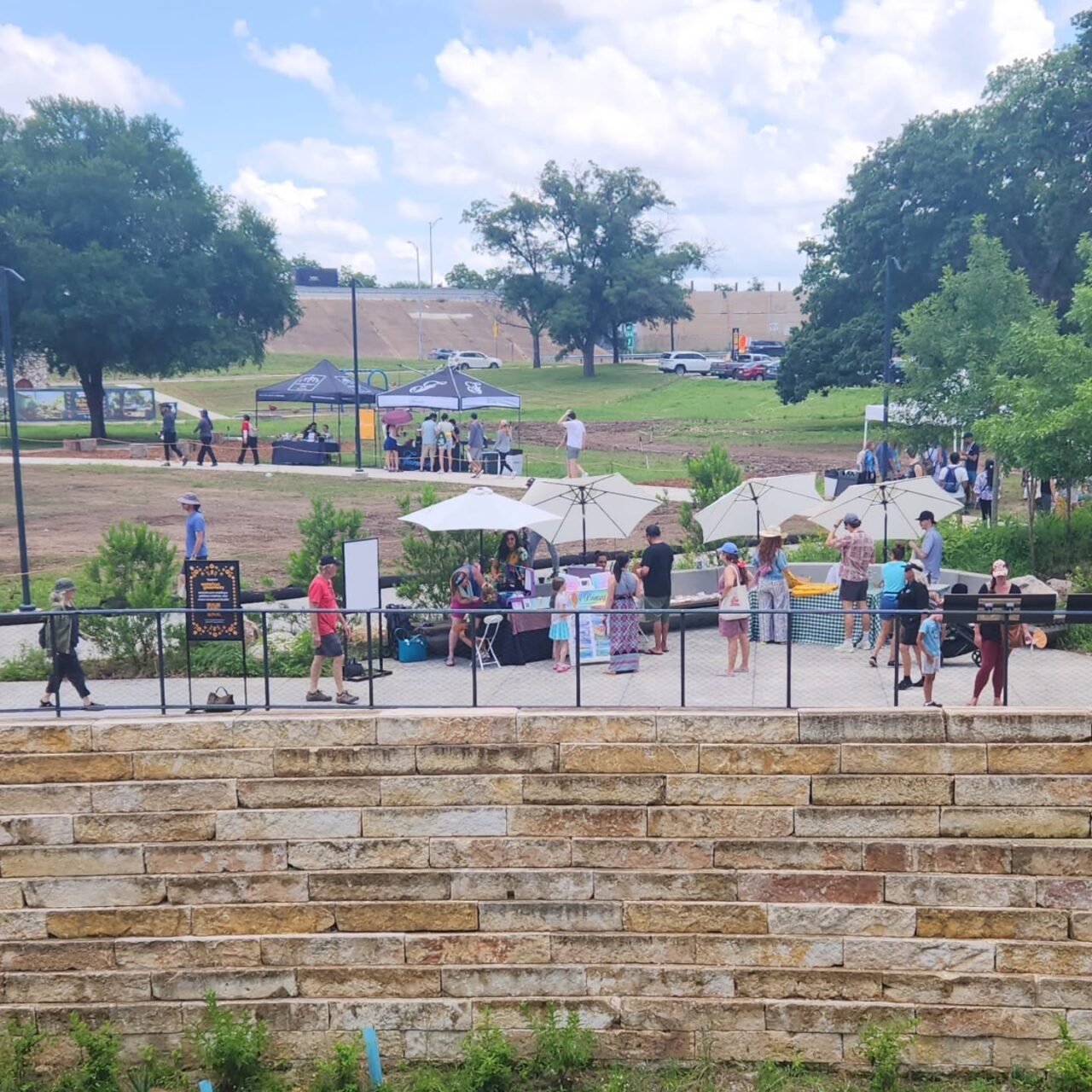
- Provide space for recreation and community gatherings
That combination makes the project both a public amenity and a piece of environmental infrastructure.
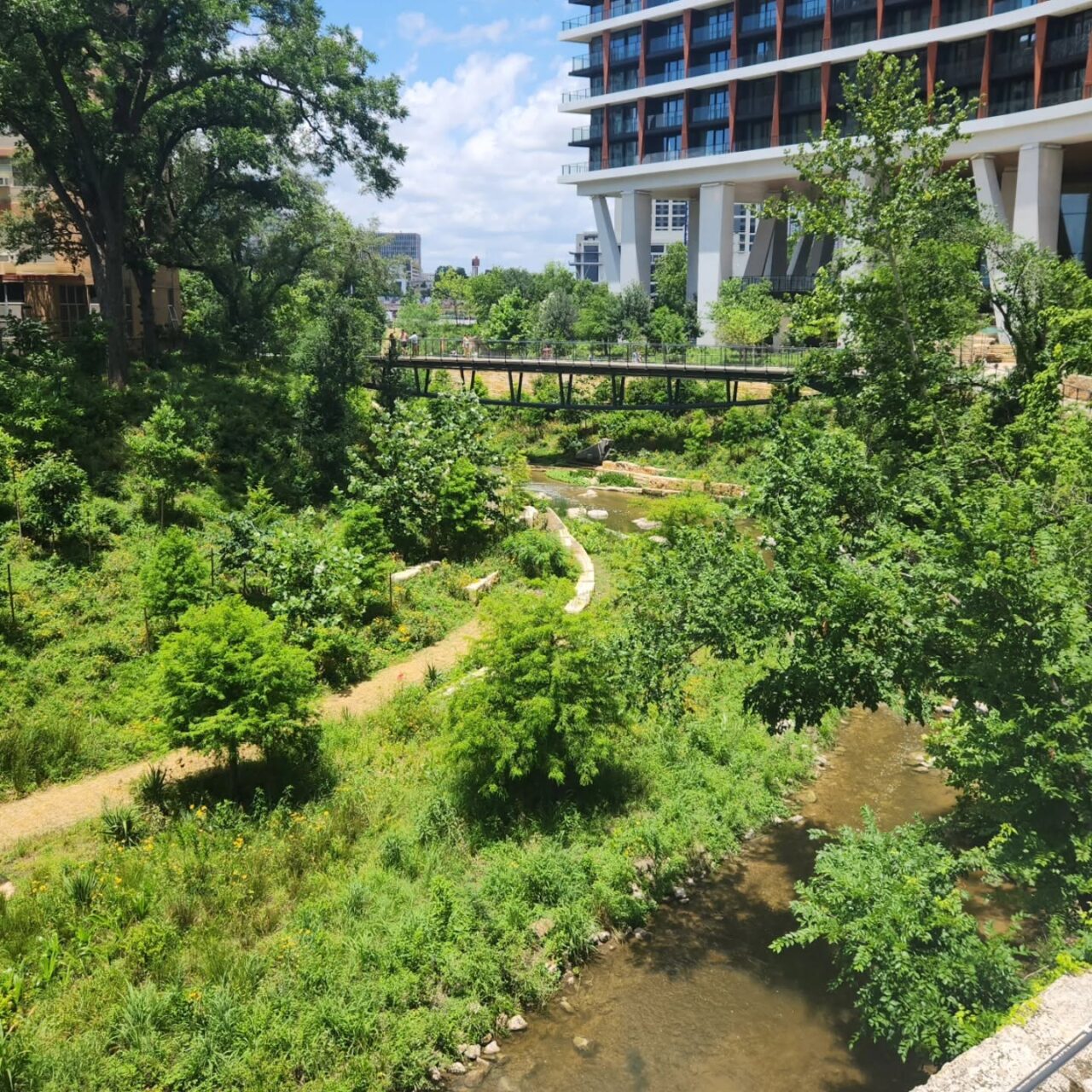
Bringing Nature Back into Downtown
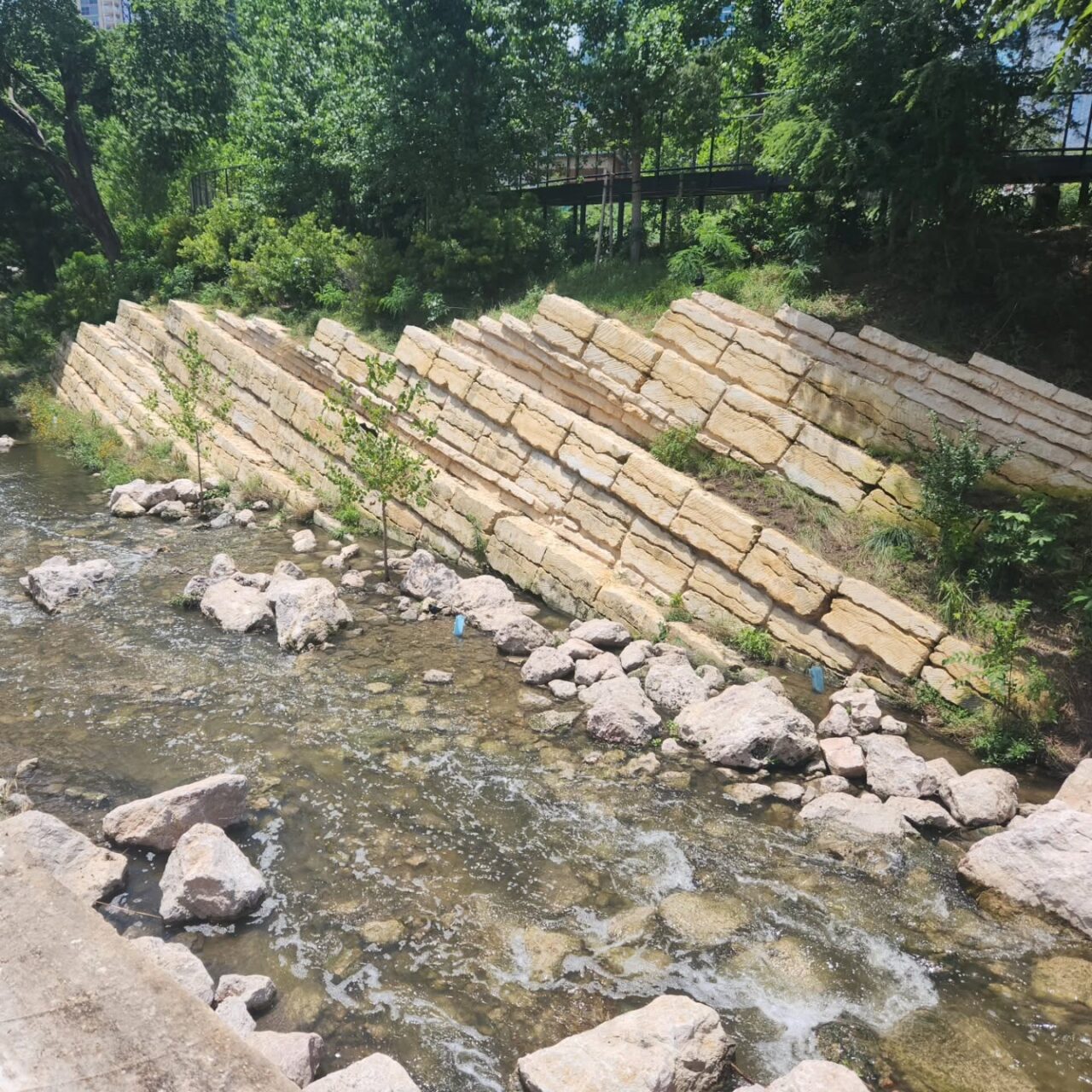
One of my favorite parts of the visit was seeing native plants and ecological features integrated throughout the space.
Downtown environments are often dominated by pavement, buildings, roads, and other hard surfaces. Restoring natural systems within those areas can help reconnect people with the landscape while also improving how the city manages heat and water.
Some of the most noticeable elements included:
- Native vegetation
- Restored creek areas
- Shaded walking paths
- Overlooks and gathering spaces
- Connections between trails and downtown destinations
- Landscapes designed to feel natural within an urban setting
These features help make the park enjoyable while also serving practical ecological functions.
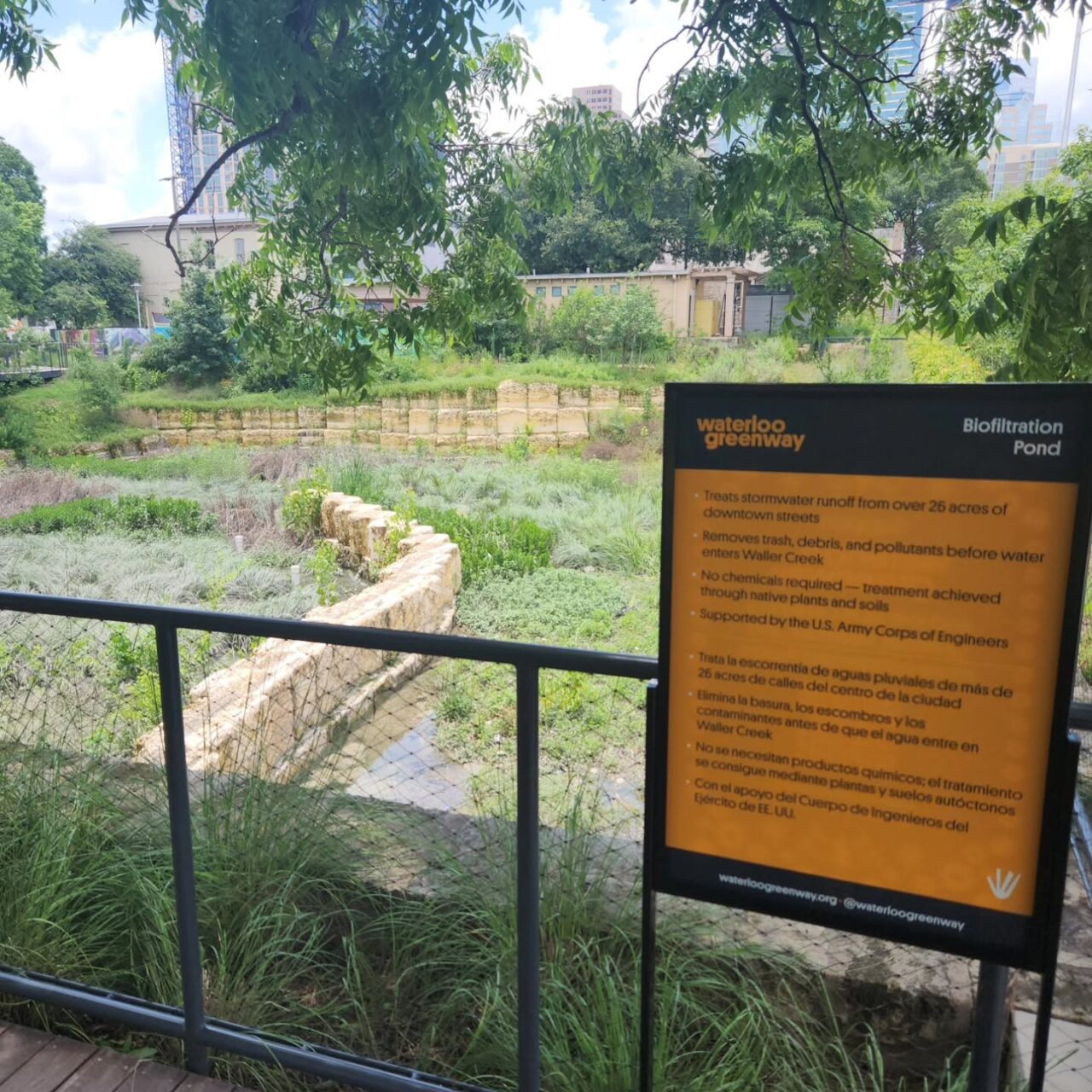
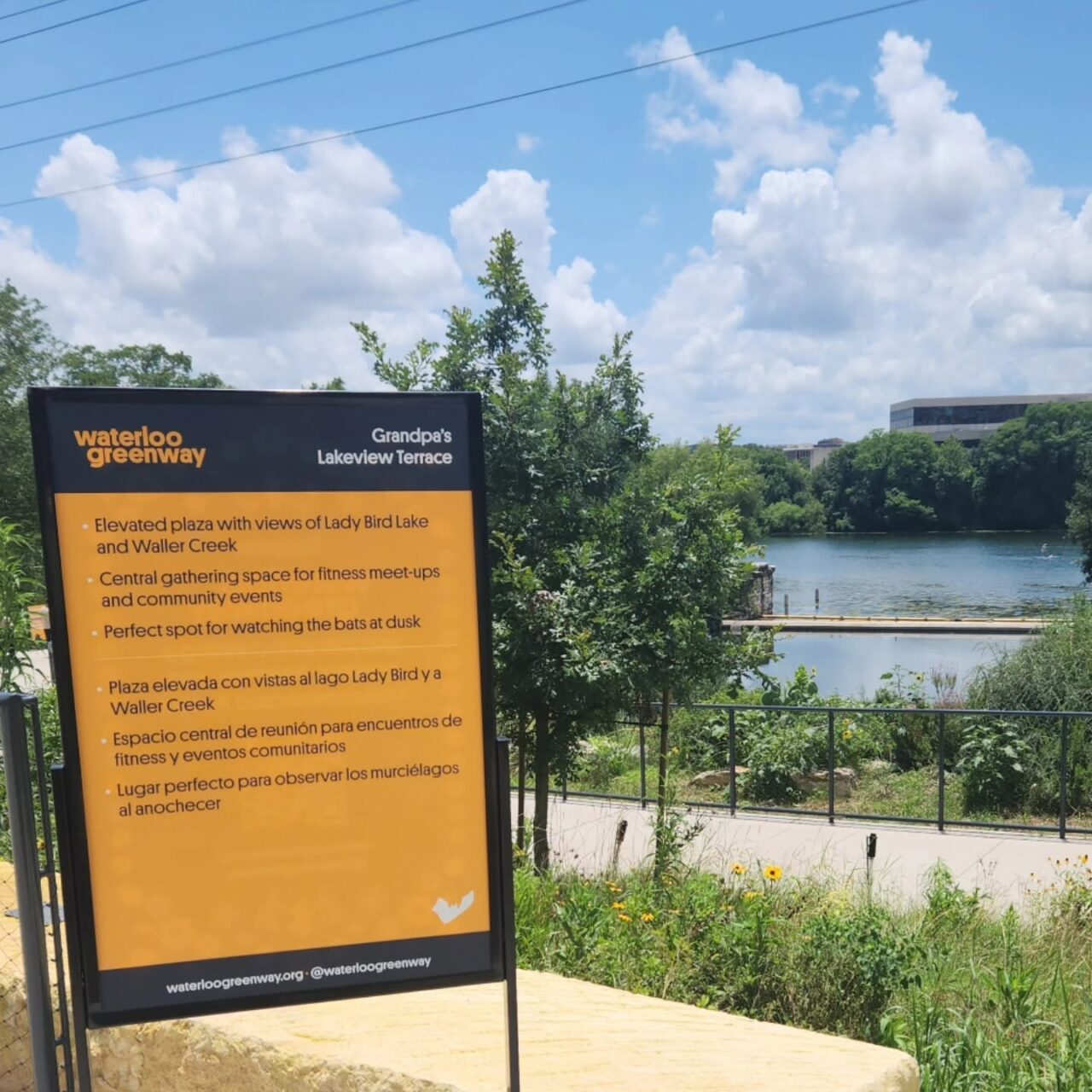
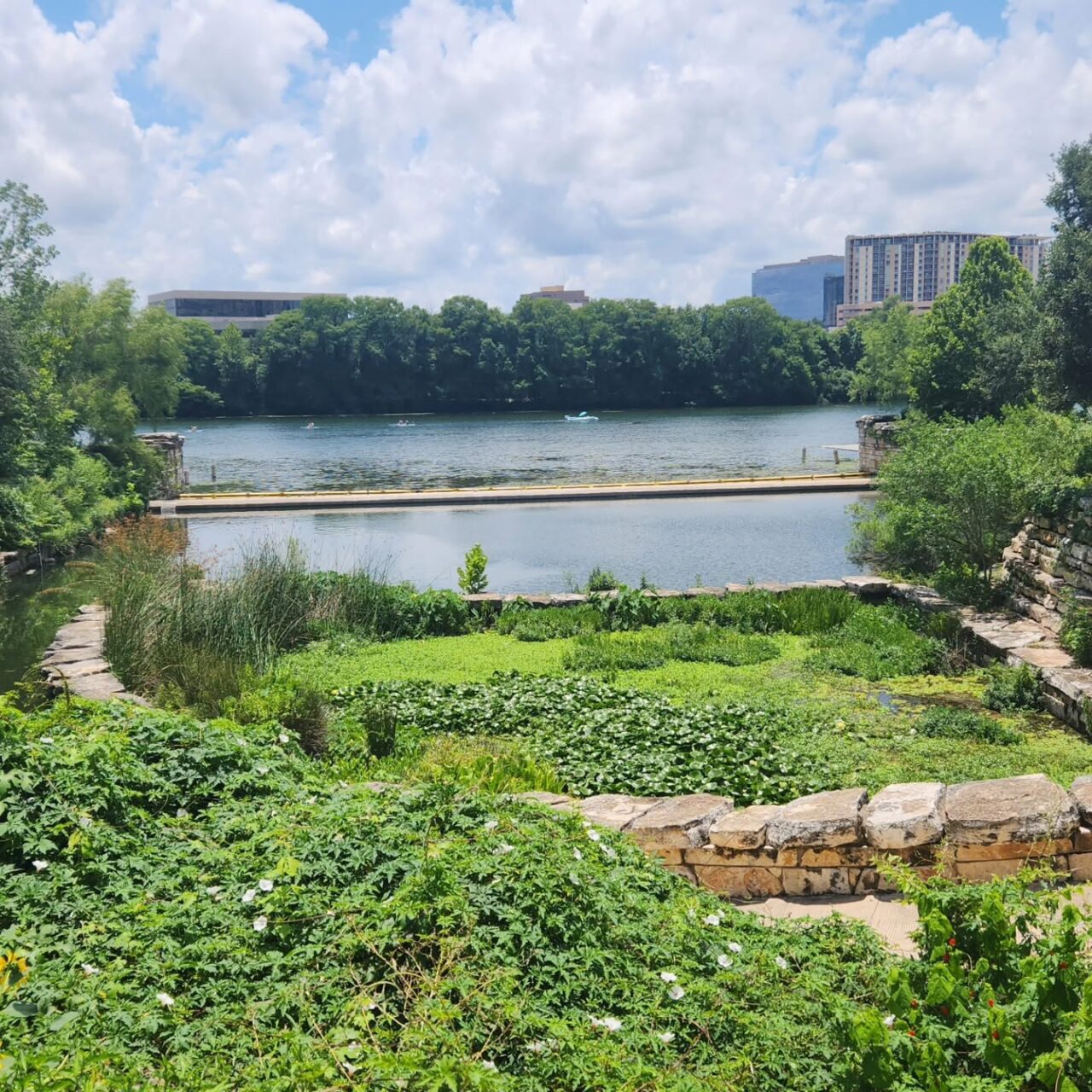
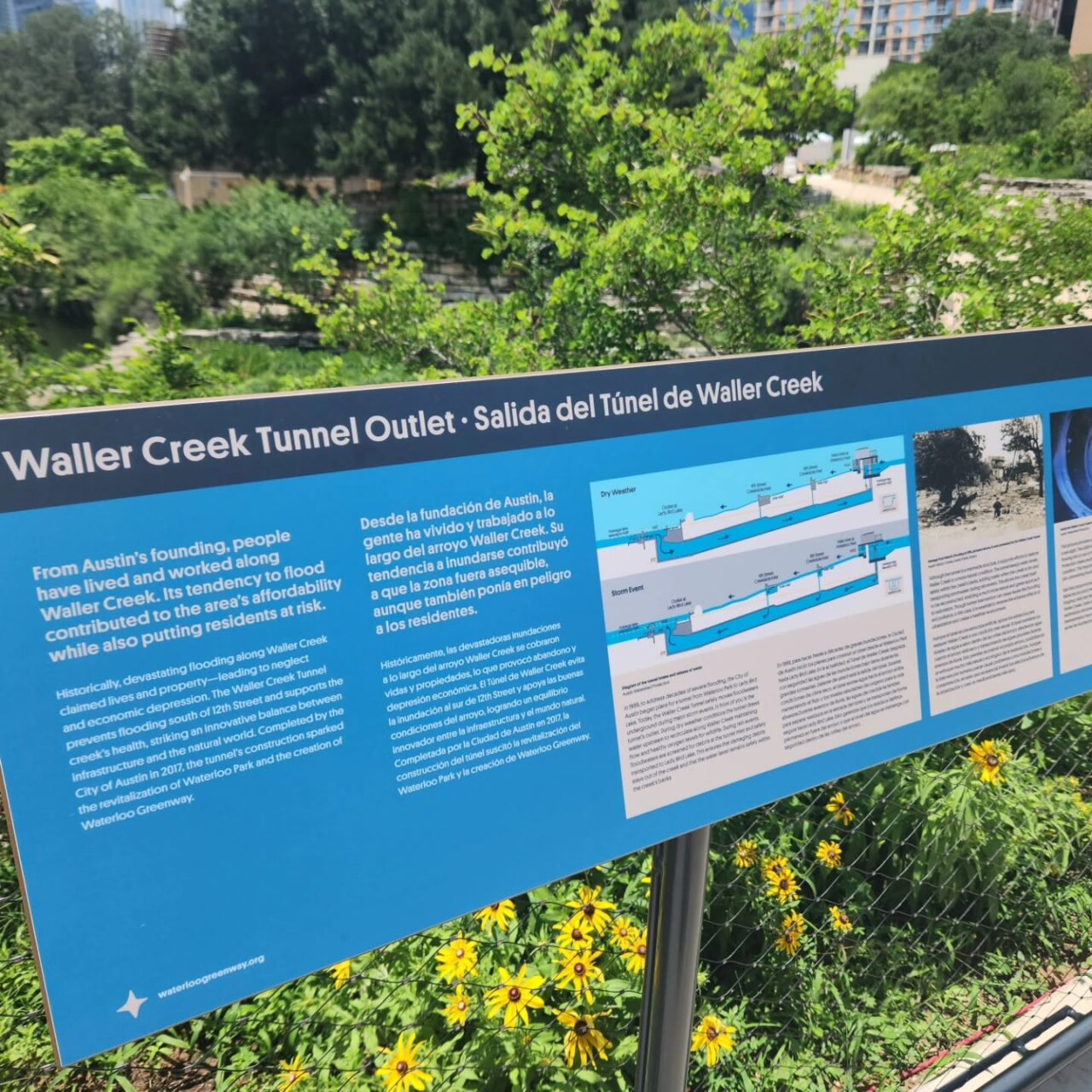
Design Can Shape How People Experience Nature
Good public-space design influences how people move through an environment and what they notice along the way.
Paths can guide visitors toward the creek. Overlooks can encourage people to stop and observe the landscape. Seating and gathering areas can create reasons to remain in the space rather than simply pass through it.
Design can also make environmental restoration more visible. When residents can see native plants, restored waterways, wildlife habitat, and stormwater features up close, those systems become easier to understand and appreciate.
Connecting People and Places
The Confluence also strengthens connections through downtown Austin.
Urban trails can help people reach parks, workplaces, neighborhoods, cultural destinations, and other parts of the city without relying entirely on a car. Those connections can support:
- Walking and biking
- Outdoor recreation
- Public transportation access
- Tourism
- Community events
- Safer and more enjoyable routes through downtown
A successful trail is not only a destination. It becomes part of how people navigate and experience the city.

A Connection to My Own Career
The visit also brought back ideas from my previous work in landscape architecture and planning.
During my time at Design Workshop, I supported marketing and business-development efforts for projects involving parks, trails, communities, and public spaces. That experience gave me a greater appreciation for the amount of planning, coordination, design, and long-term vision required to bring projects like this to life.
A finished park can appear effortless, but it represents years of work involving:
- Landscape architects and planners
- Engineers
- Ecologists
- Construction teams
- Public agencies
- Nonprofit partners
- Community members
- Funders and supporters
Seeing The Confluence open to the public made that process feel especially tangible.
Building a More Resilient Austin
Austin continues to grow, and that growth creates pressure on land, infrastructure, waterways, and public spaces.
Projects like Waterloo Greenway demonstrate that development and ecological restoration do not always have to work against each other. With careful planning, cities can create spaces that:
- Improve environmental conditions
- Give residents access to nature
- Strengthen mobility
- Support public life
- Make downtown areas more resilient
The strongest public spaces are not designed for only one purpose. They connect environmental health with human experience.
Looking Forward
The Confluence is an impressive addition to downtown Austin and an important milestone in the larger Waterloo Greenway vision. I look forward to returning when I have more time to explore the trails, landscapes, and restored creek corridor.
The project is a reminder that parks can do much more than provide recreation. They can restore natural systems, connect communities, improve infrastructure, and help shape a healthier city.
*Content was generated with AI based on my notes and direction, then edited and refined by me for accuracy.