My first month with Austin Resource Recovery quickly showed me that community engagement is about much more than standing behind an information table.
Within a few weeks, I had visited a school career day, watched emergency-response training, helped families build recycled robots, toured a resource-recovery facility, attended community celebrations, and answered questions from residents across Austin.
Each experience gave me a different view of how public service, sustainability, education, and community connection come together.
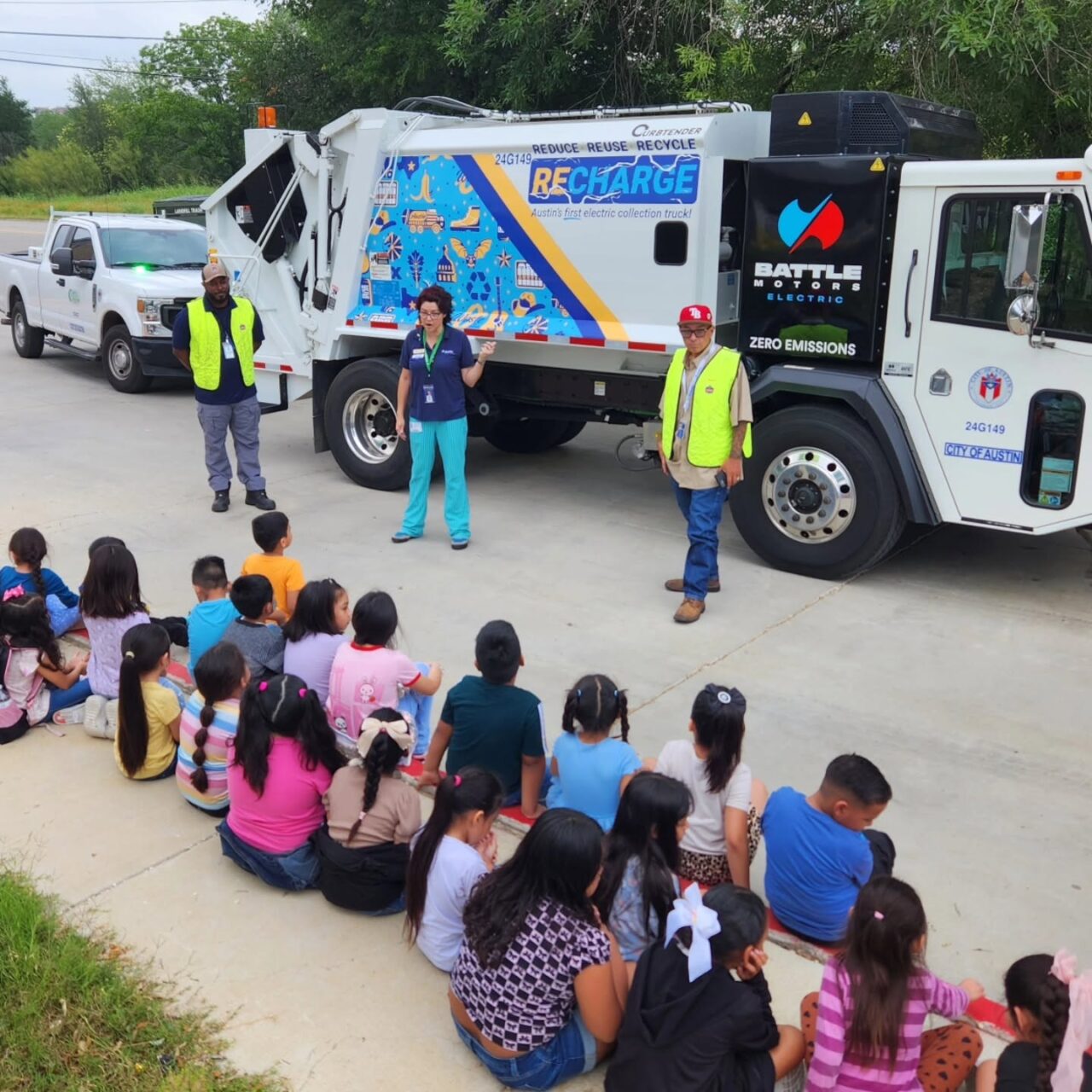
Starting with a Touch-a-Truck Career Day
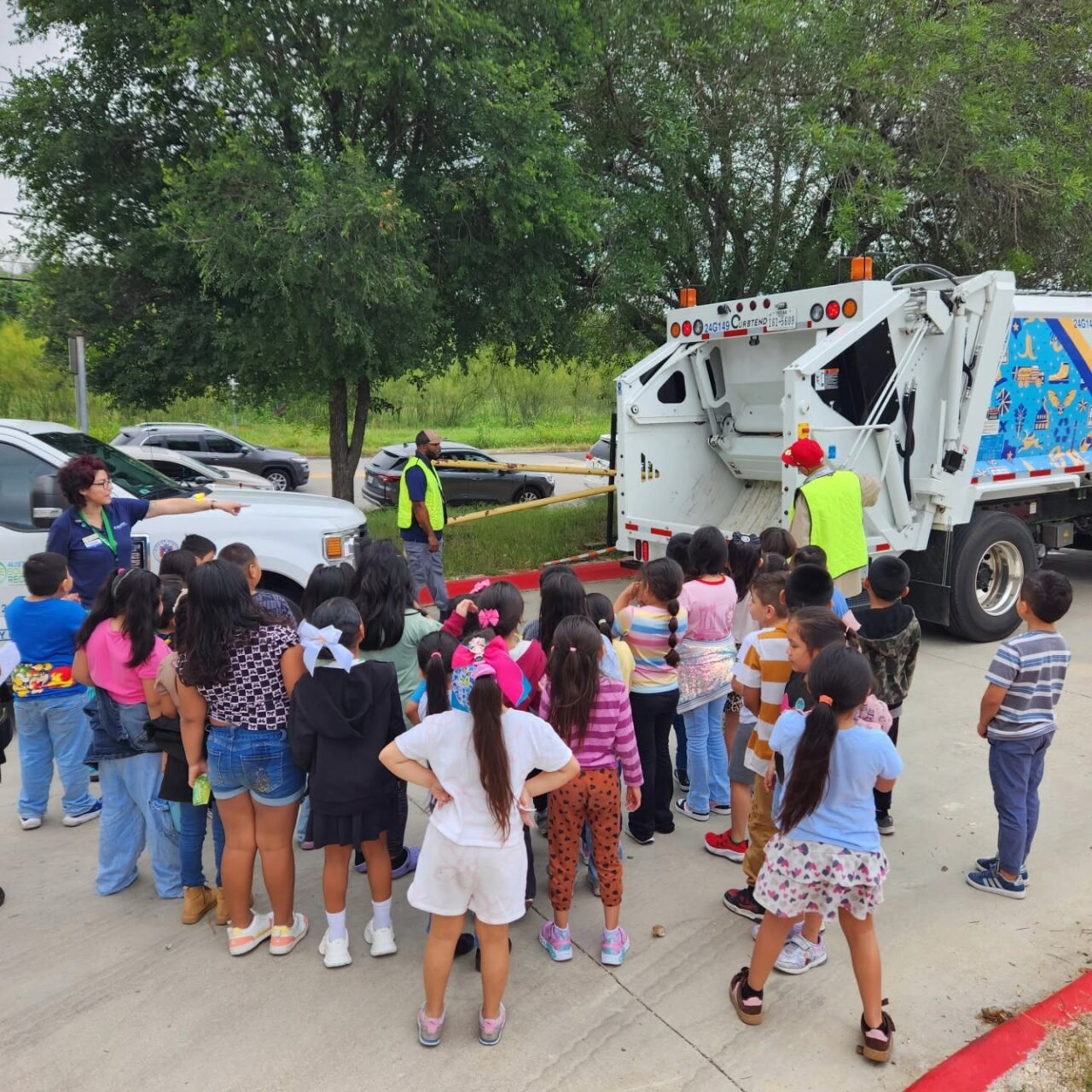
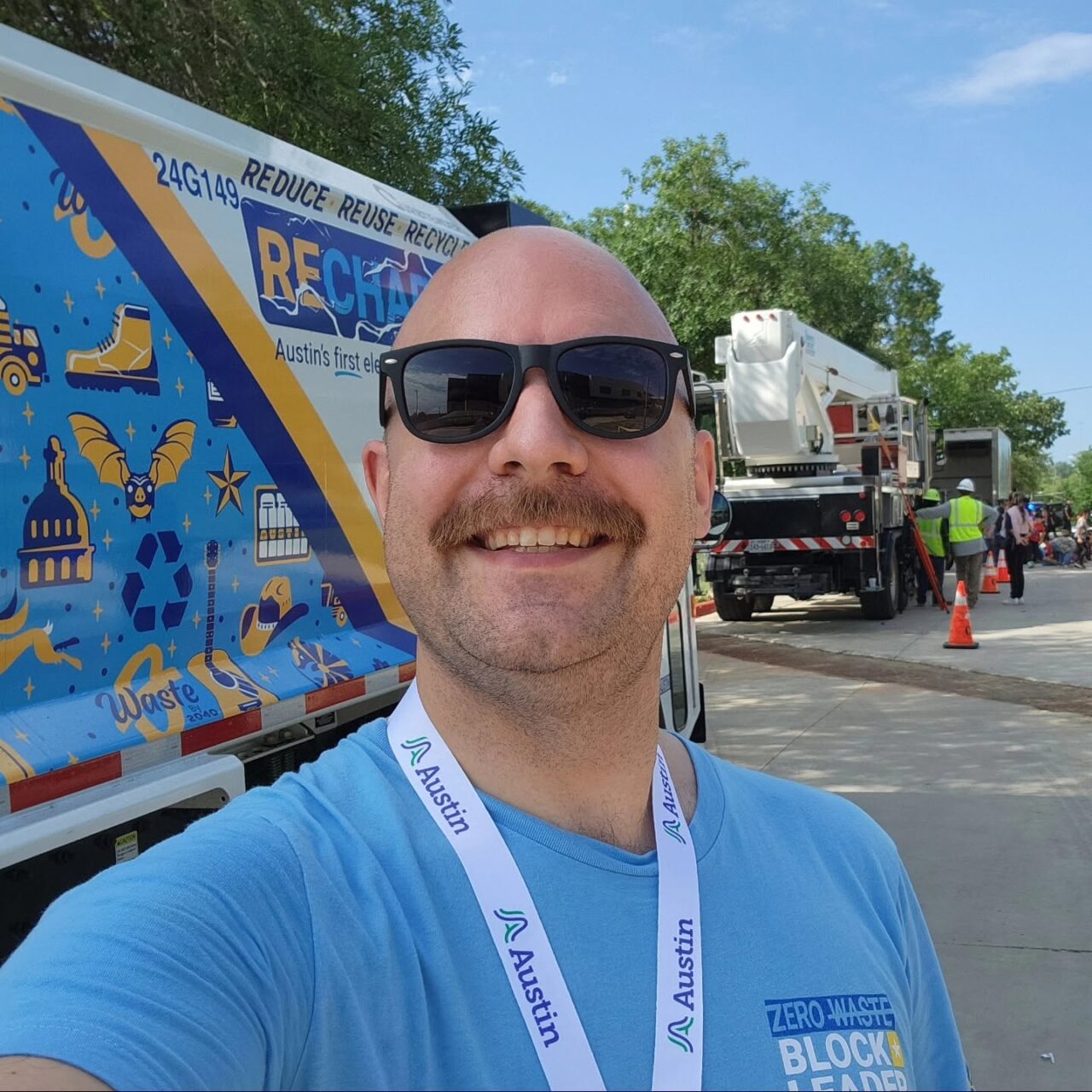
My first outreach event was an elementary-school career day featuring an Austin Resource Recovery collection truck. We led a sorting game where students decided whether different items belonged in recycling, compost, or trash. Some answers were easy, while others required more thought. The trickier items included:
- Batteries
- Foam and fiber egg cartons
- Dog-food bags
- Pizza boxes
- Sticks and yard trimmings
The students were highly engaged and eager to explain their choices. After the activity, the collection crew demonstrated how recycling goes into the truck when it empties carts.
For many of the younger students, the truck was clearly the highlight. For me, the event demonstrated how effective hands-on education can be. Sorting becomes easier to understand when people can physically interact with examples instead of only reading instructions.
Seeing Another Side of City Service
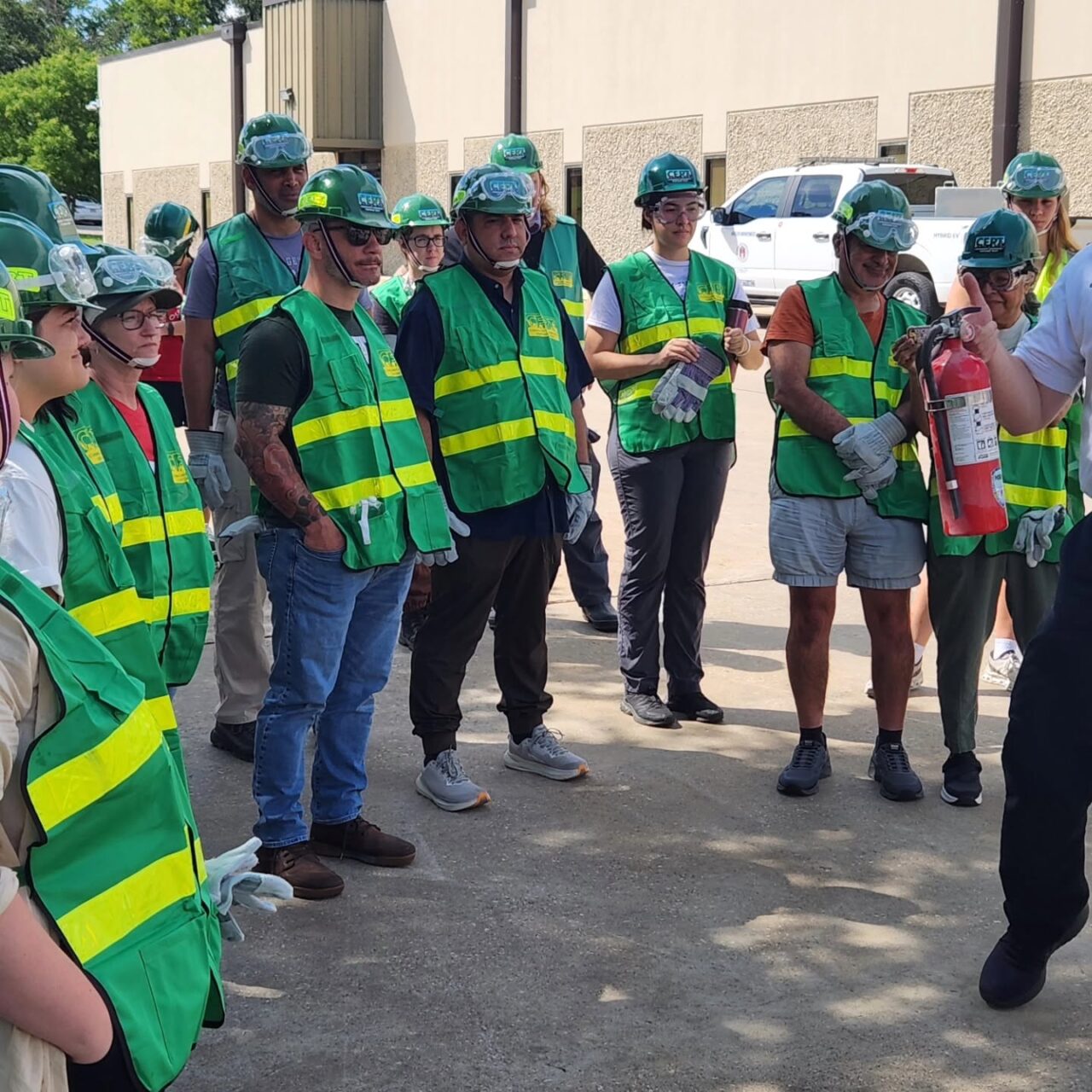
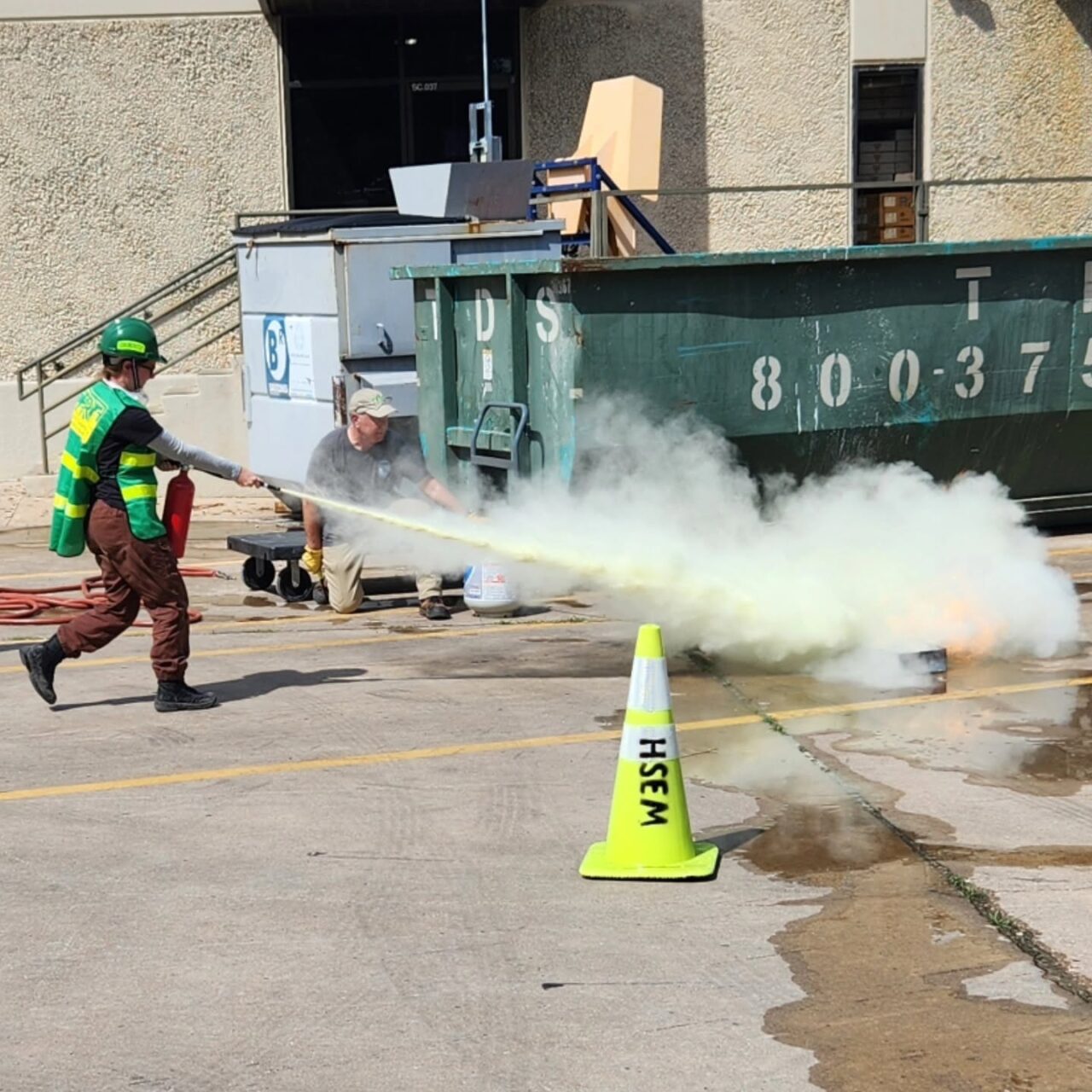
One unexpected benefit of working for the City of Austin has been seeing the wide range of programs that support the community. I had the opportunity to observe a Community Emergency Response Team training focused on fire safety and fire-extinguisher use. After classroom instruction, participants practiced on a controlled live-fire simulator.
The training showed how preparation can turn uncertainty into confidence. It also reminded me that public service takes many forms, including:
- Emergency preparedness
- Environmental education
- Public safety
- Infrastructure
- Neighborhood services
- Community outreach
Even when City teams have very different responsibilities, the shared goal is helping residents feel informed, prepared, and supported.

Turning Recyclable Materials into Robots
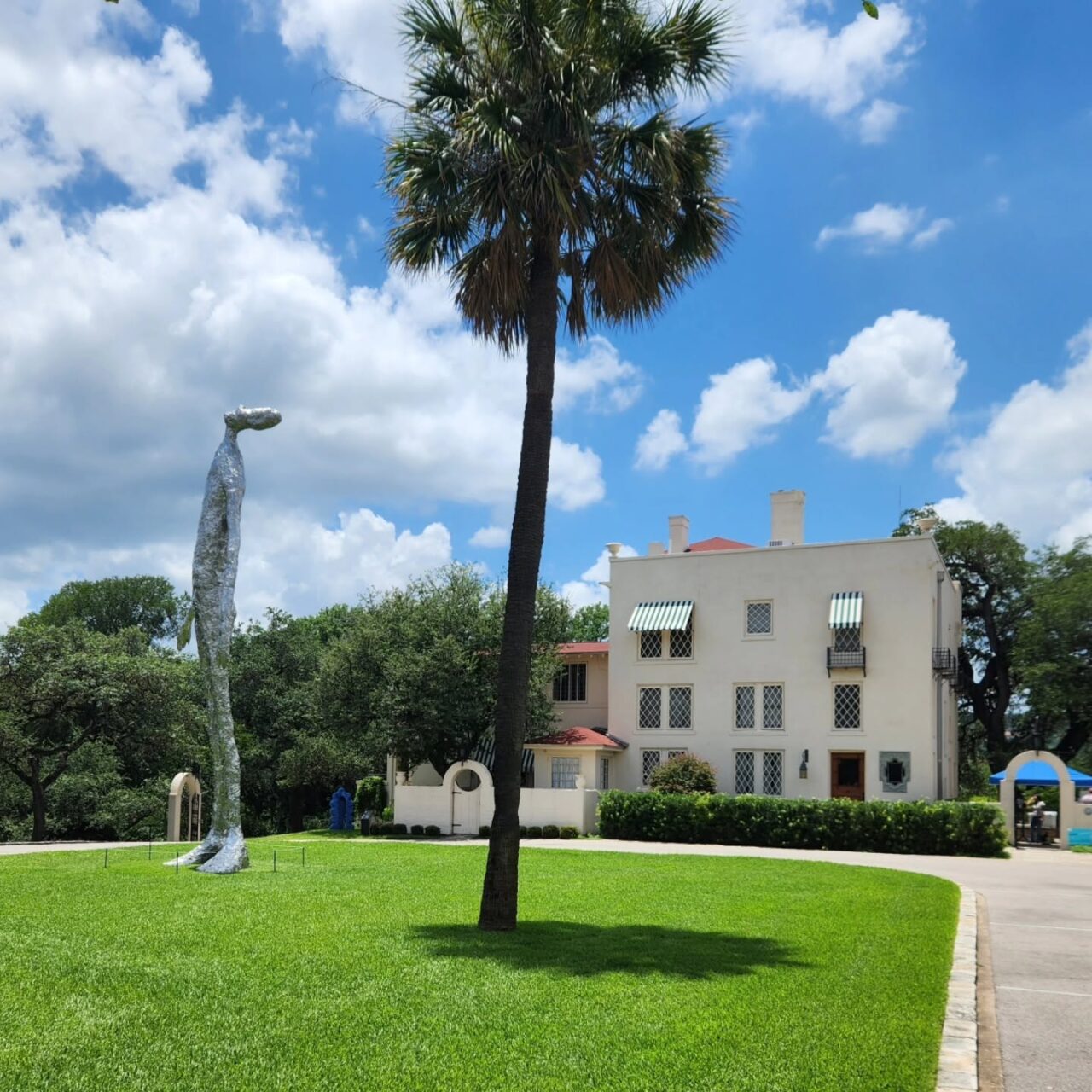
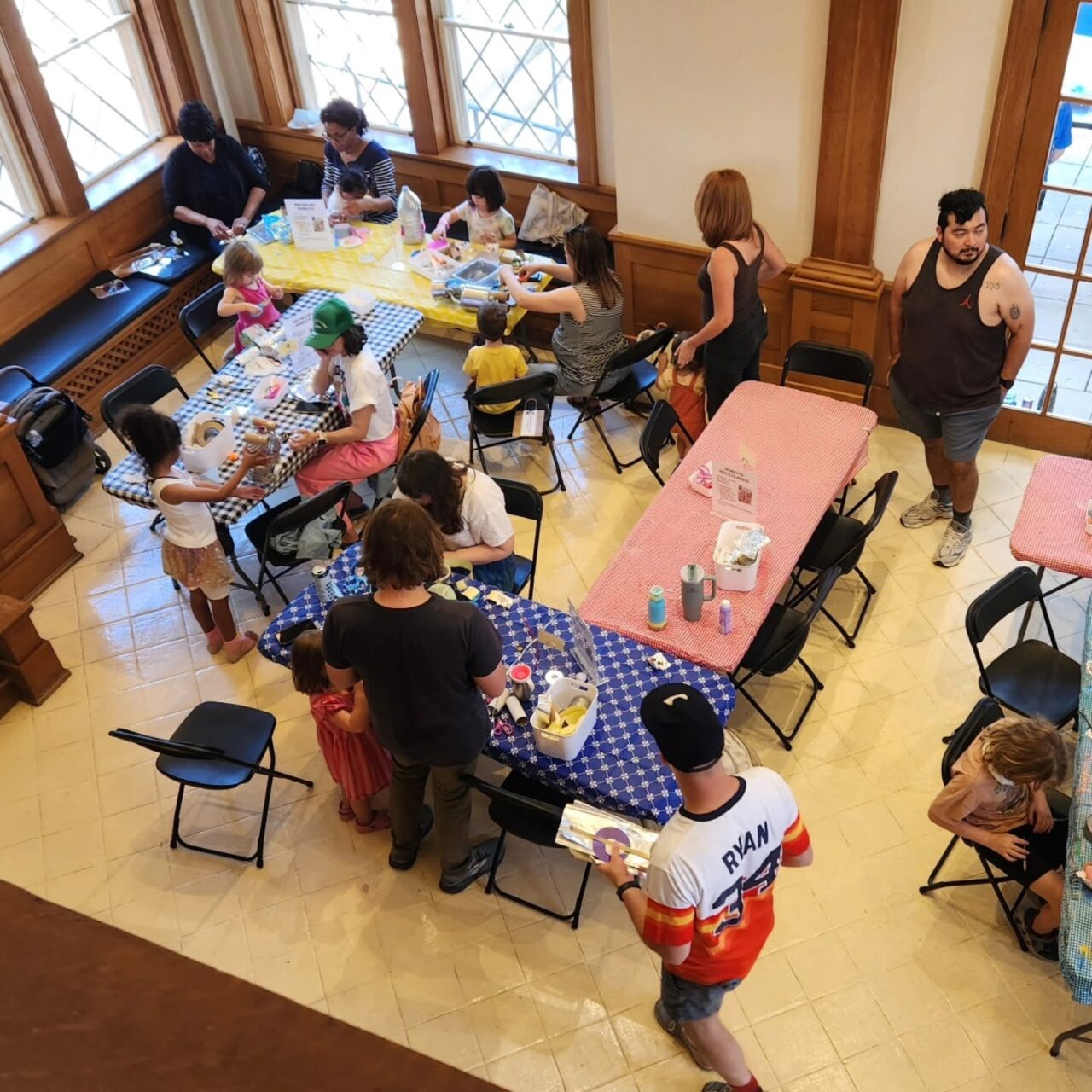
One of the most creative events of my first month was Recycled Robots at The Contemporary at Laguna Gloria.
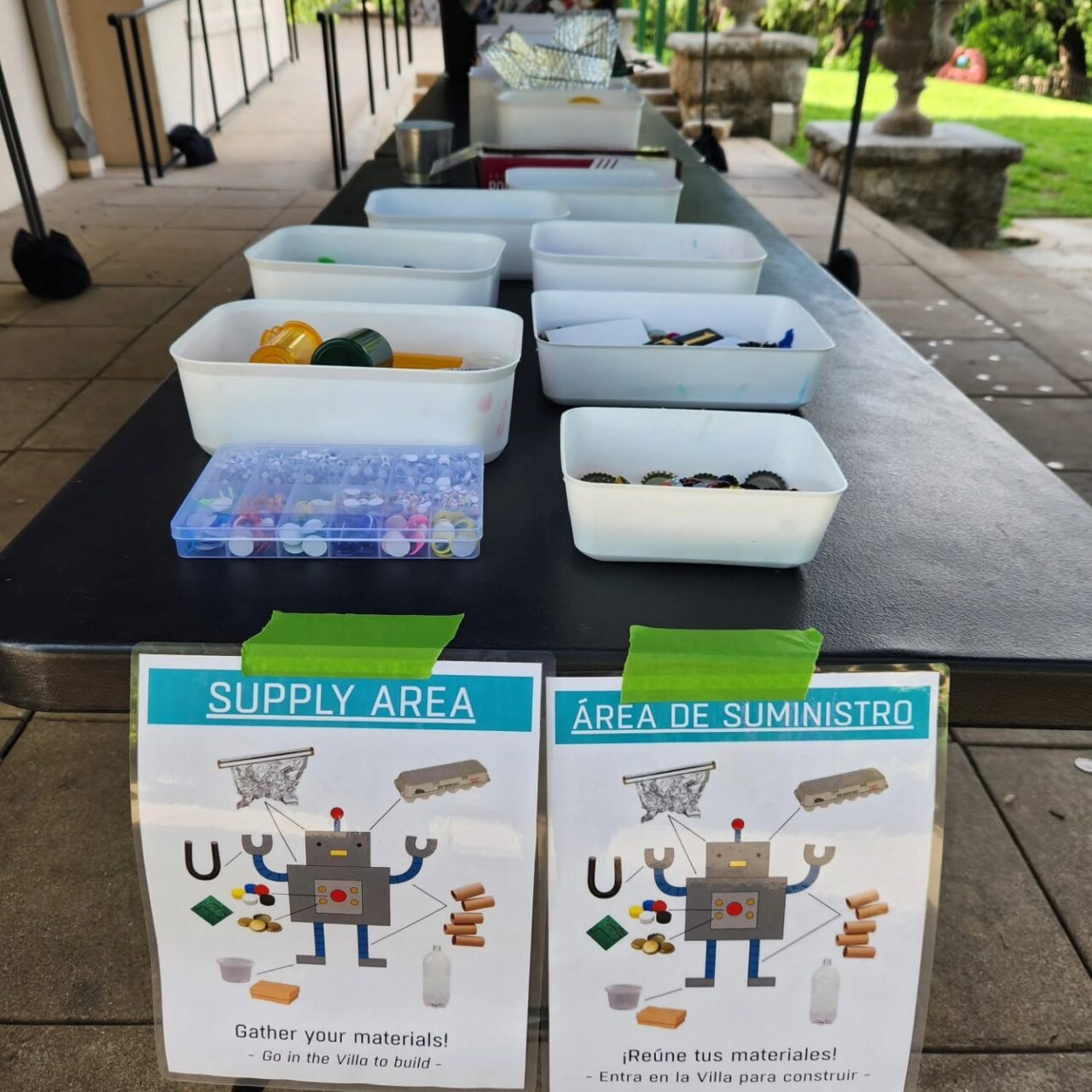
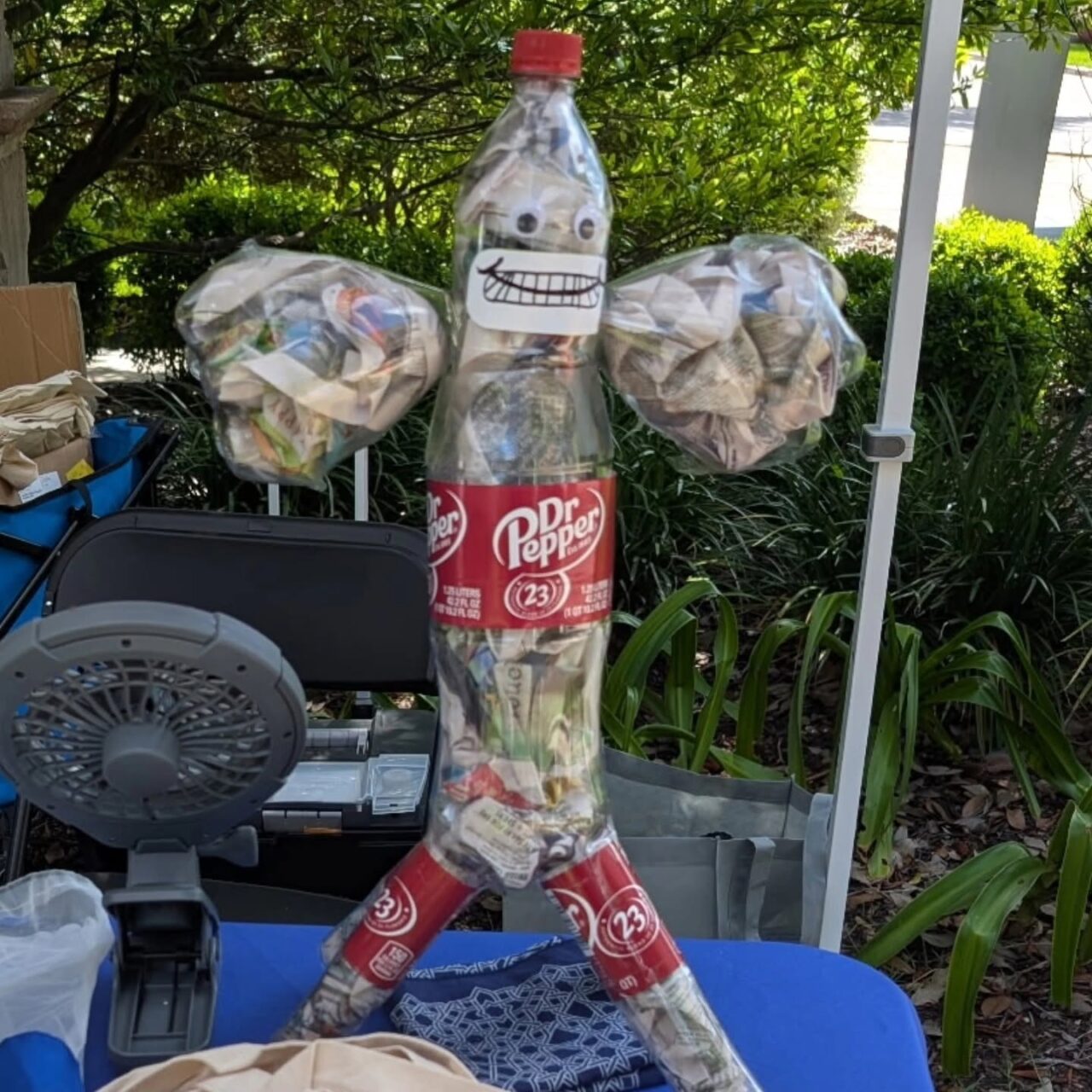
Children and families used boxes, tubes, cans, and other recyclable materials to create their own robot designs. Some were simple, while others were surprisingly detailed. To help inspire participants, I brought a robot I had built from Dr Pepper bottles and other recovered materials.
The activity offered a playful way to introduce several important ideas:
- Reusable materials still have value
- Creativity can extend the life of everyday objects
- Not everything needs to be discarded immediately
- Sustainability can be fun and approachable
- Parents and children can learn together
When a child begins looking at a cardboard tube and asking, “What could I make with this?” instead of “Where should I throw this away?” that represents a meaningful shift in perspective.

Behind the Scenes at the Drop-Off Center
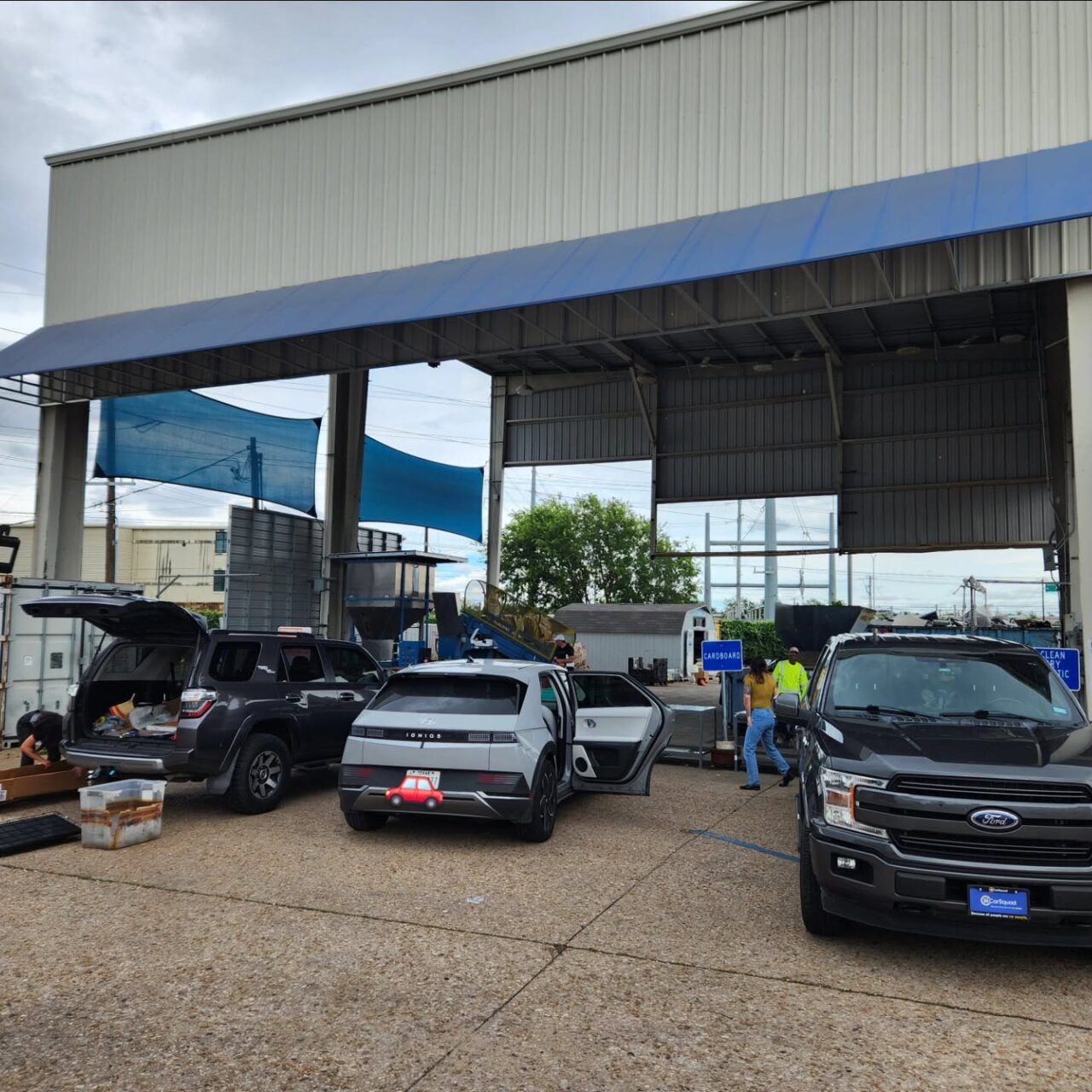
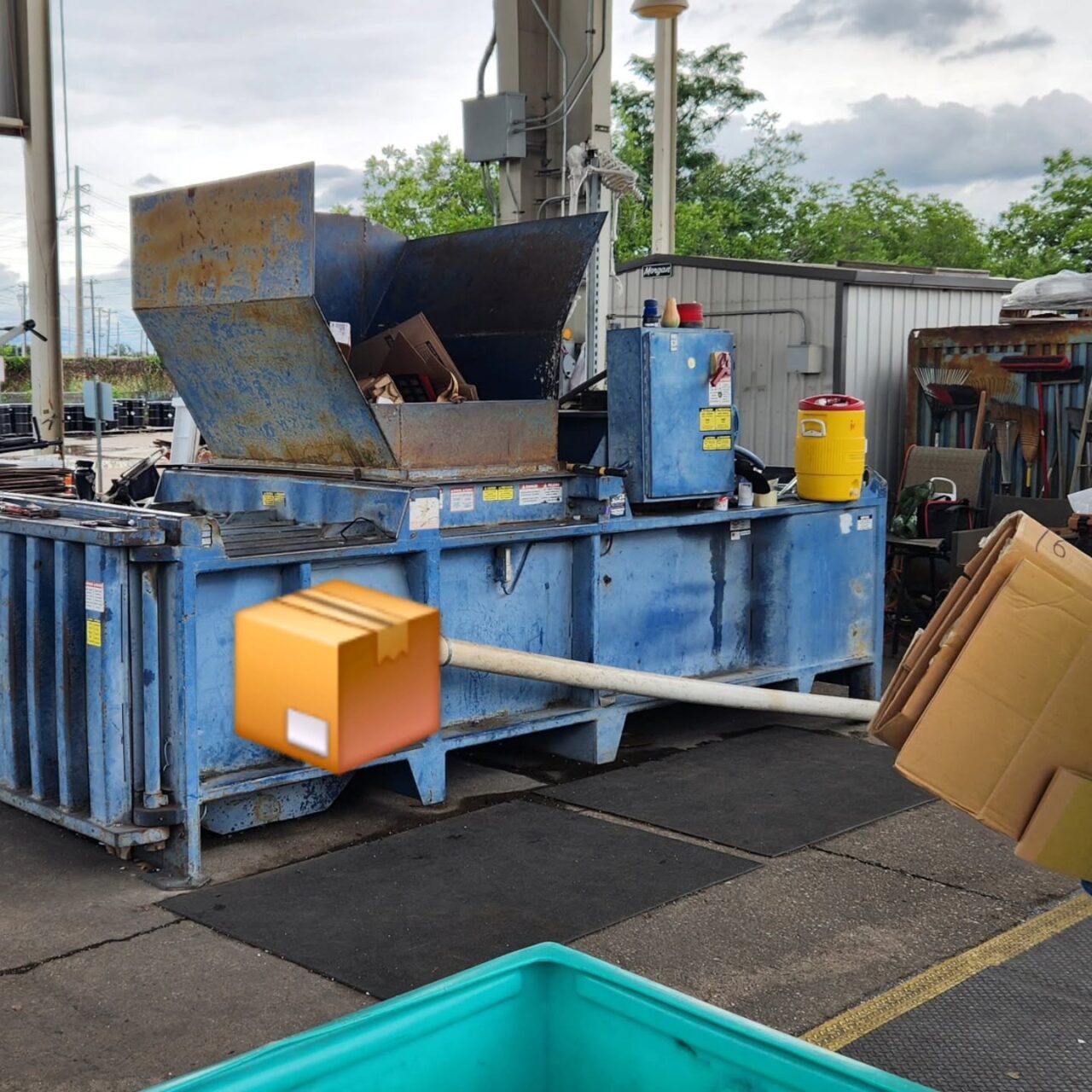
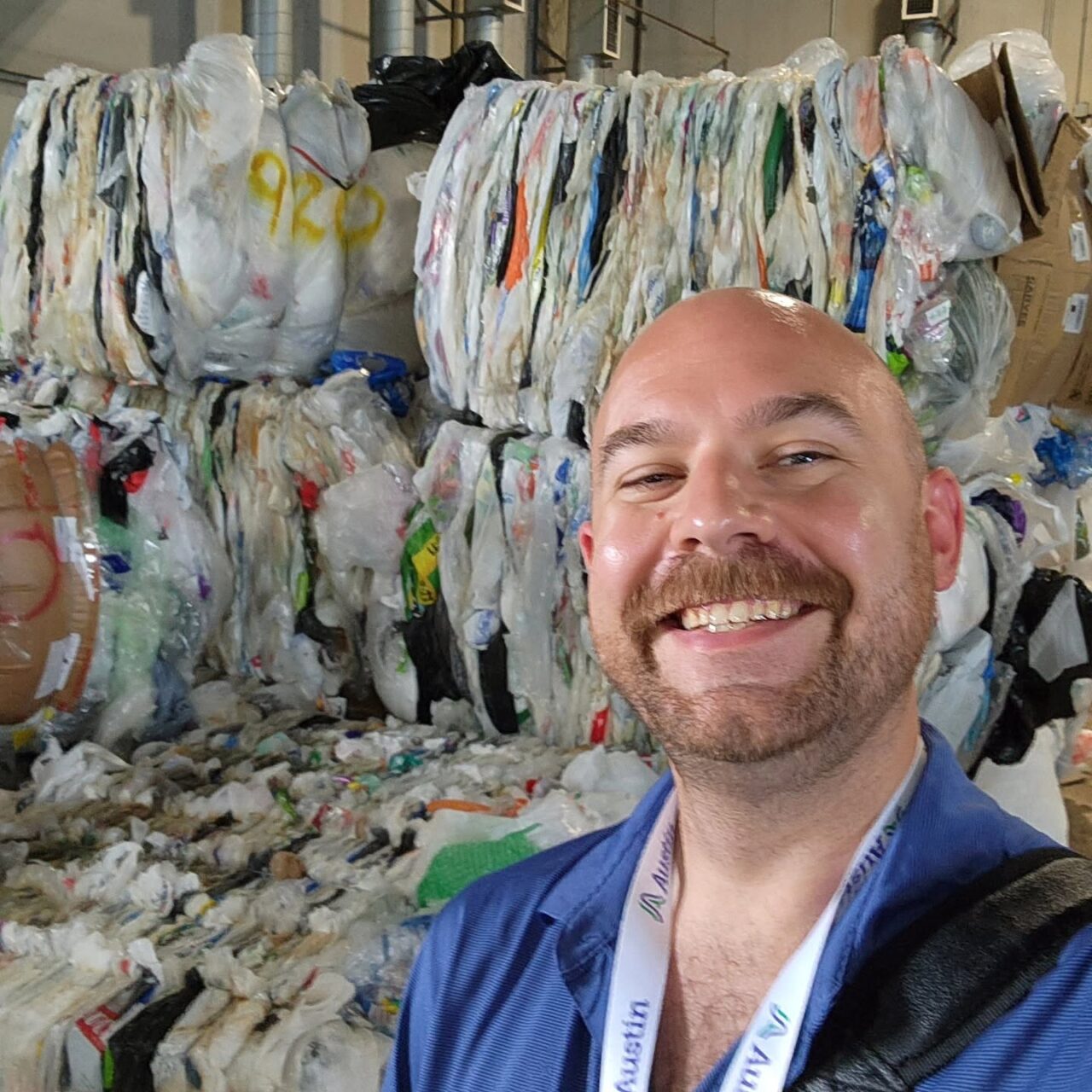
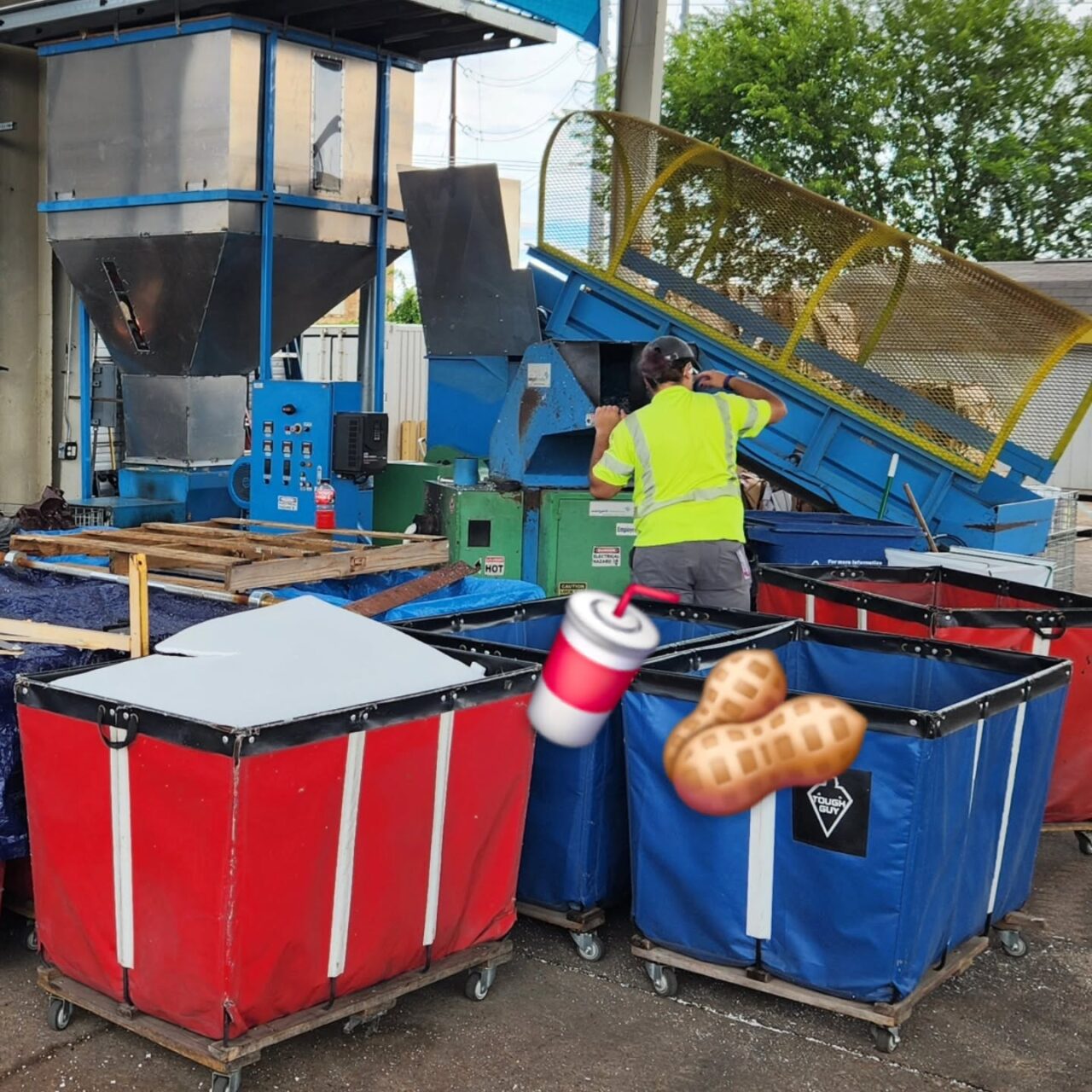
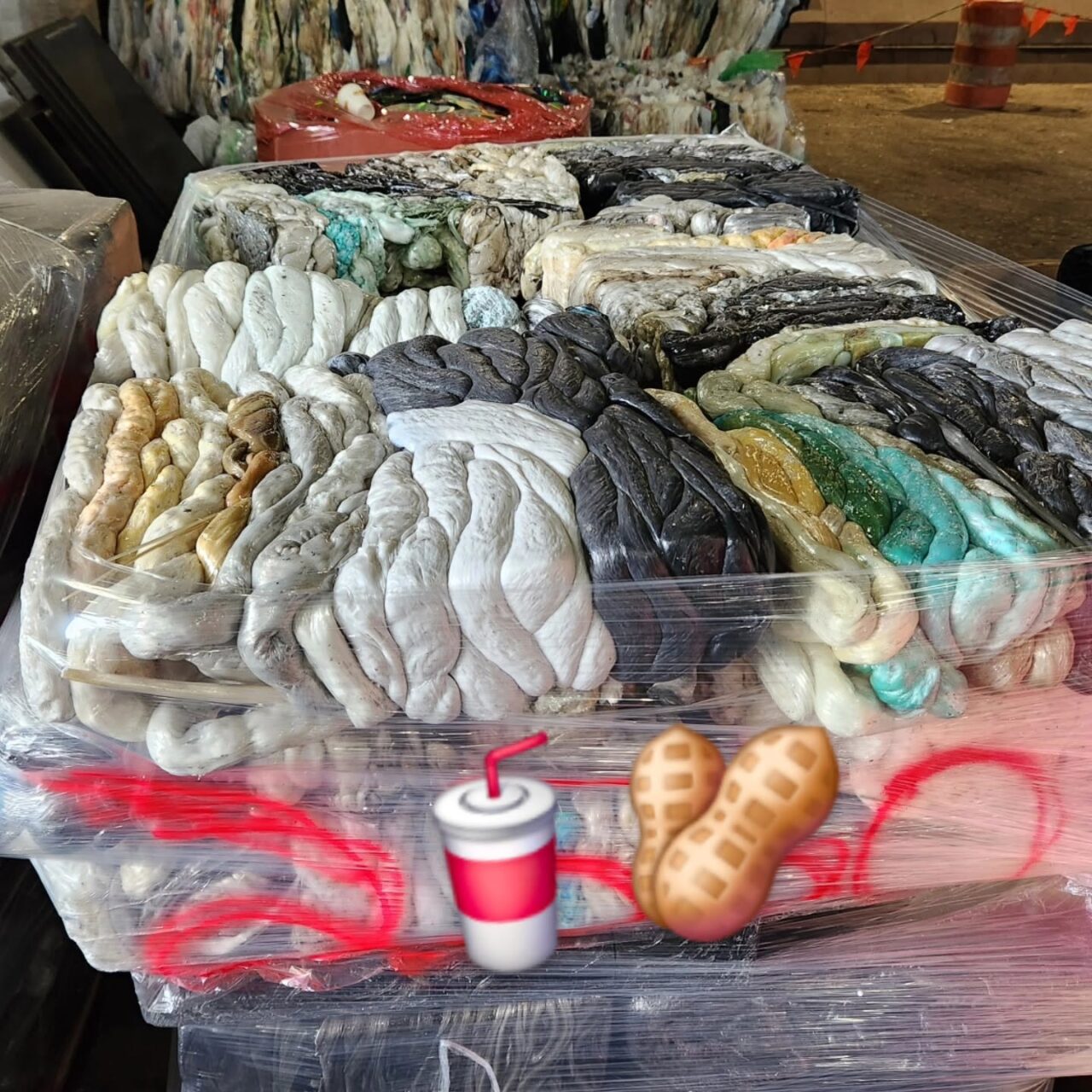
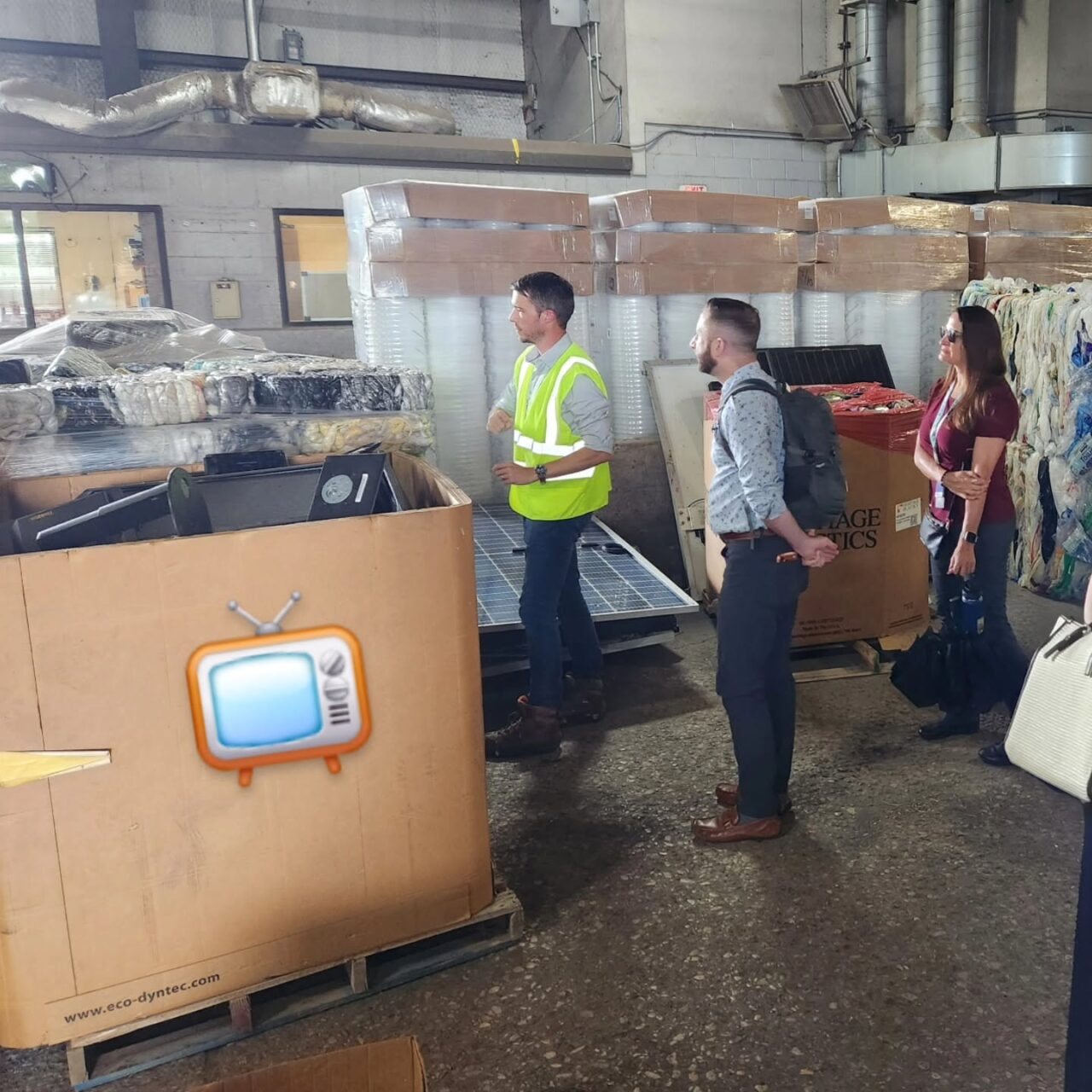
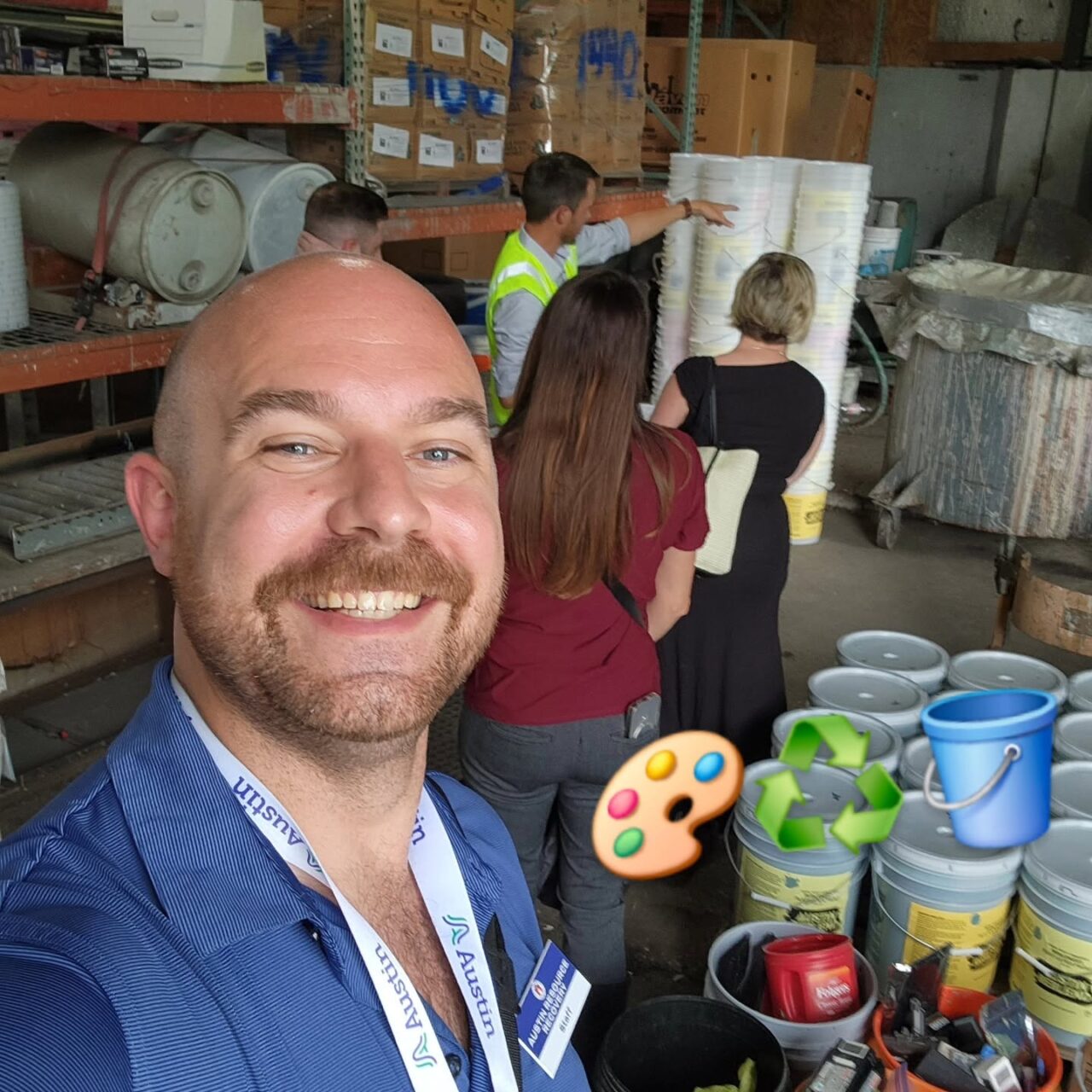
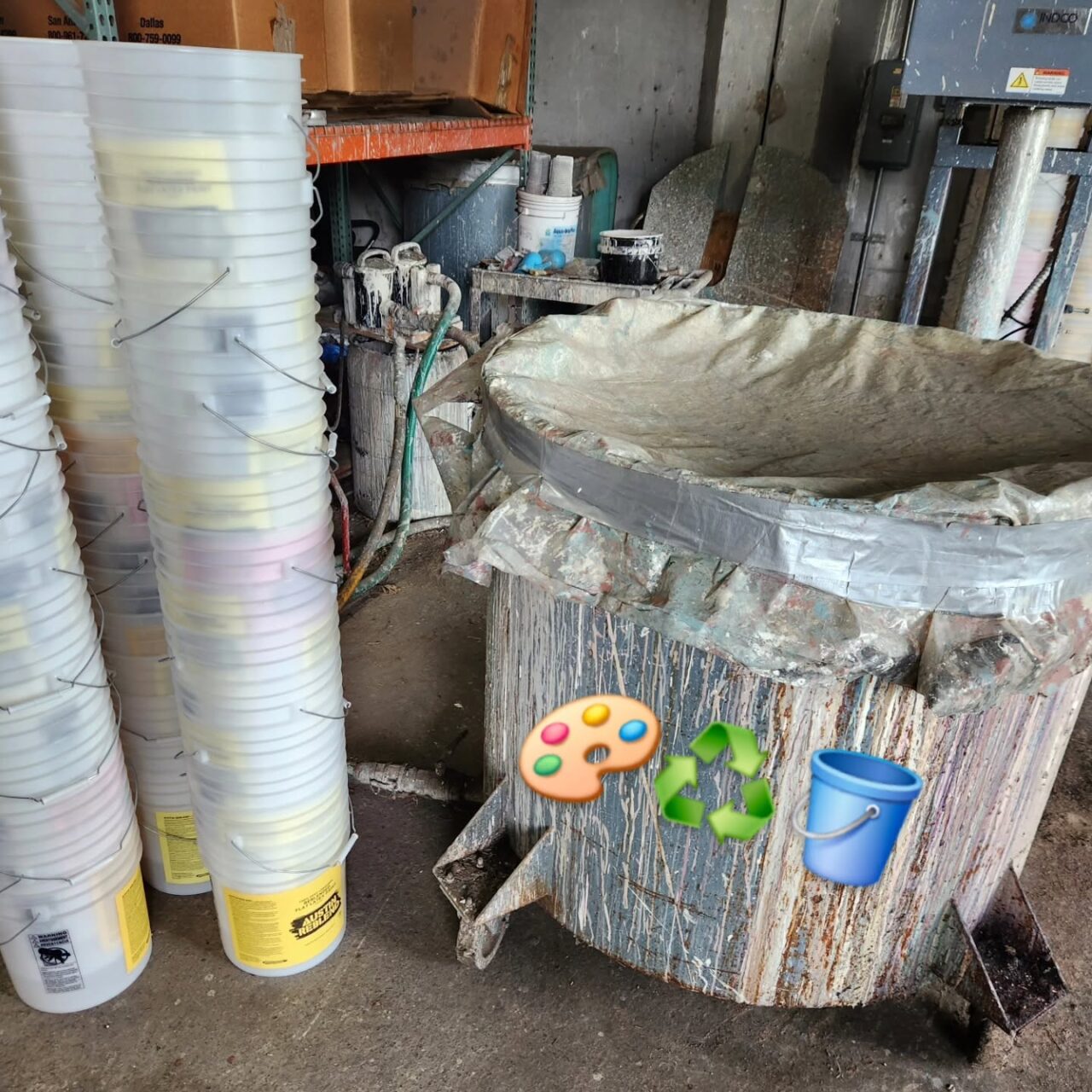
I also toured Austin’s Recycle & Reuse Drop-Off Center for the first time. The visit gave me a closer look at what happens after residents bring in materials that should not go into regular curbside carts. I saw materials and operations involving:
- Cardboard baling
- Styrofoam processing
- Electronics
- Batteries
- Tires
- Household hazardous waste
- Reusable and recoverable items
I had worked around sustainability and waste education for years, but seeing these local systems up close strengthened my appreciation for the people and infrastructure behind them. Recycling and proper disposal do not end when an item leaves someone’s hands. That is when another complicated process begins.
Learning the Team Behind the Work
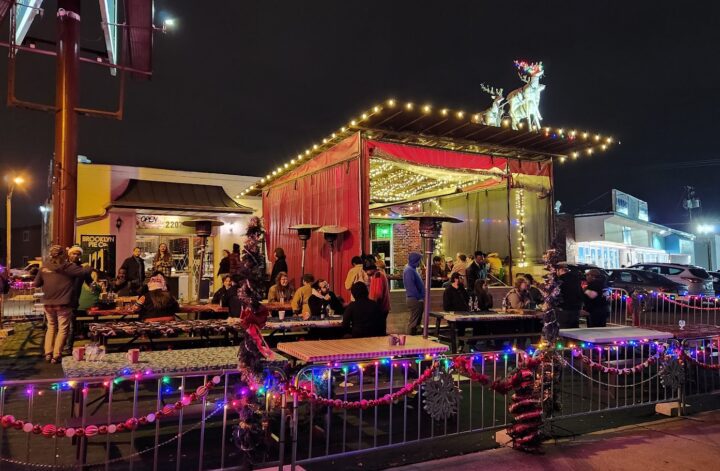
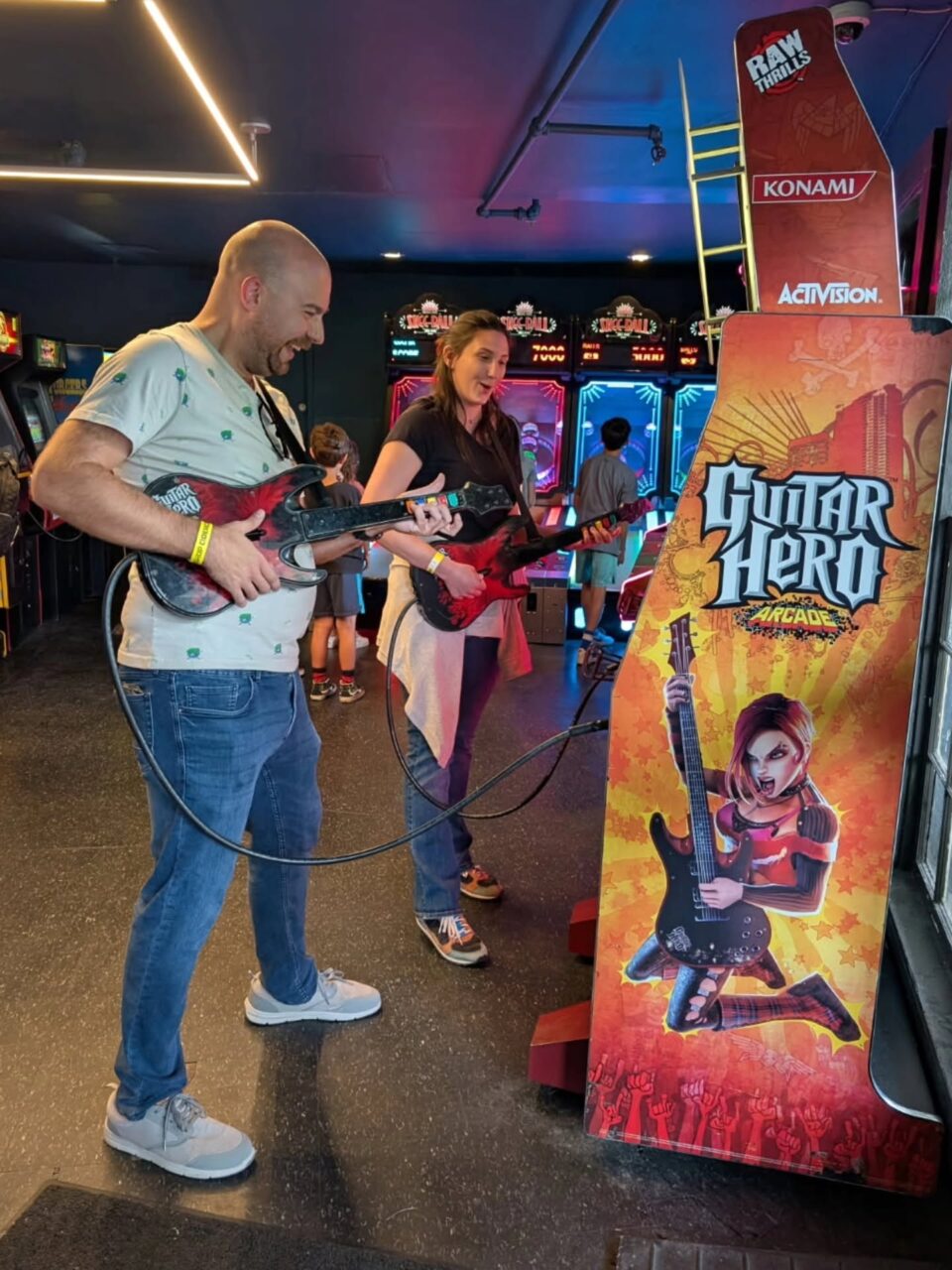
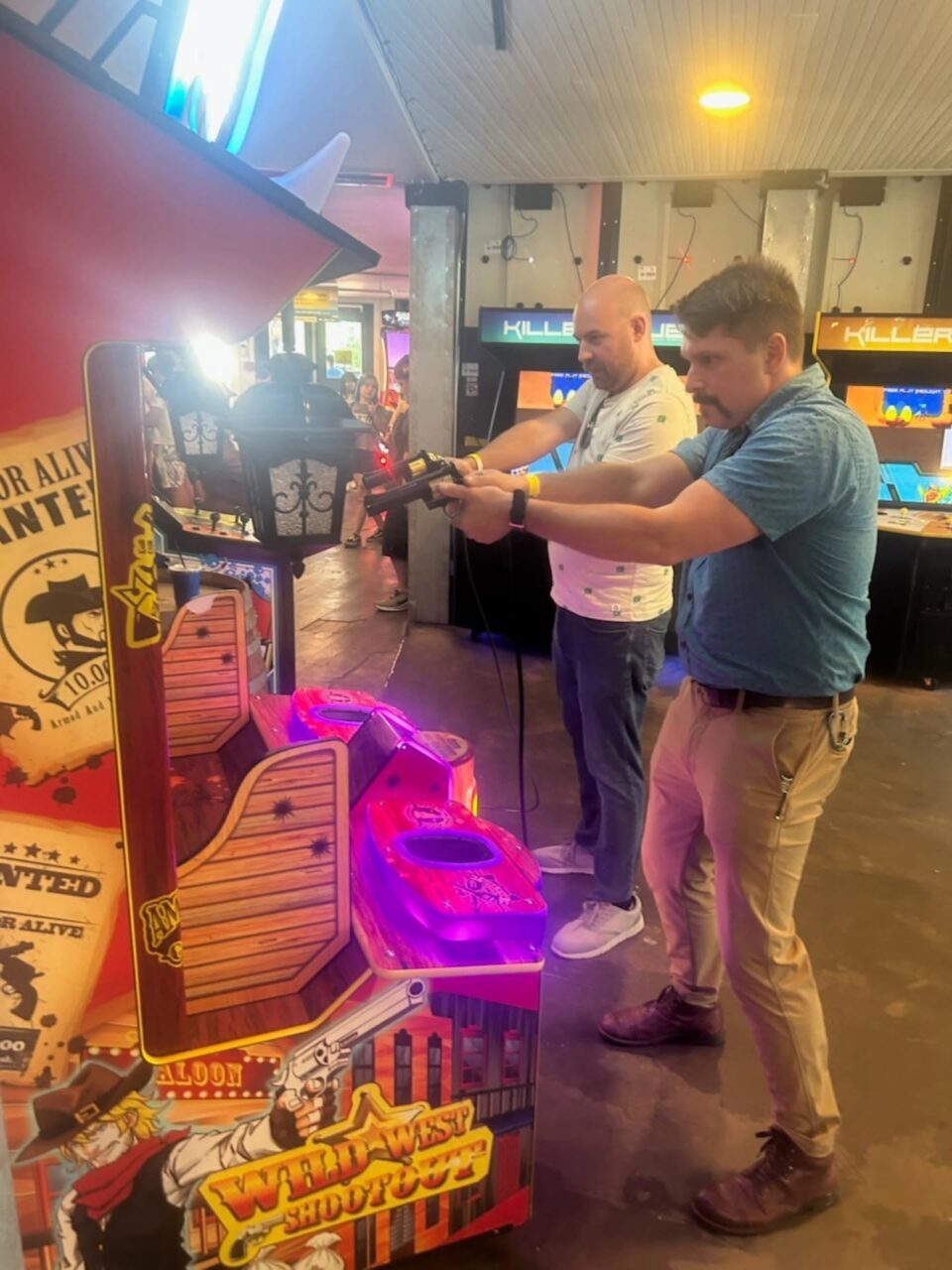
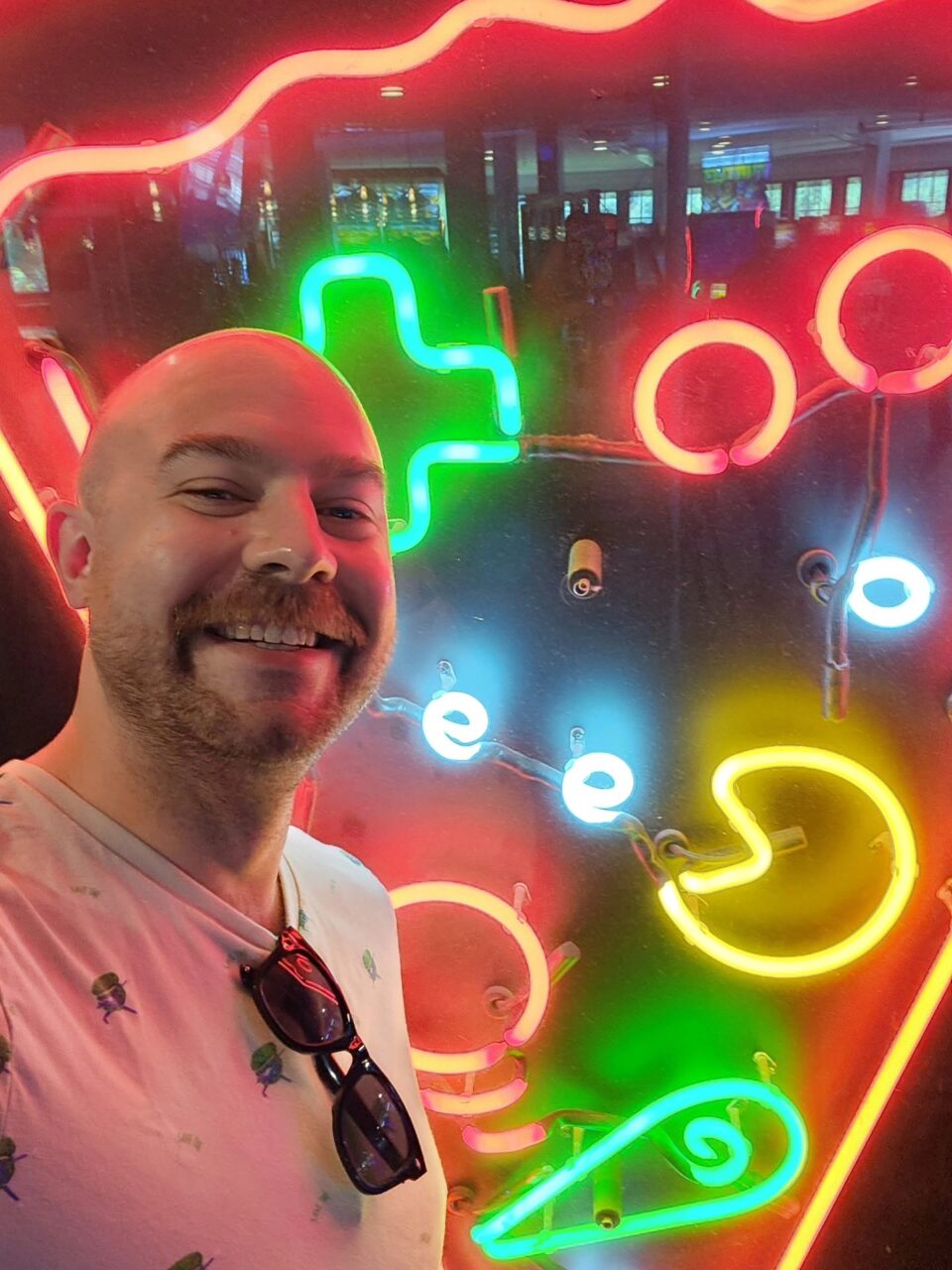
Not every first-month experience was a formal outreach event. Our team also spent an afternoon at Cidercade eating pizza, playing games, and discovering who was most competitive.
Even during a casual outing, we found ourselves discussing the lack of recycling and composting bins. Apparently, waste diversion is difficult to turn off when it is part of your everyday work.
The outing gave me a chance to learn more about my coworkers outside the office and helped me feel more a part of the team. Community engagement depends on strong external relationships, but it also depends on trust and collaboration among the team doing the work.
Meeting Residents at Juneteenth Events
June brought two opportunities to represent Austin Resource Recovery at Juneteenth-related community gatherings.
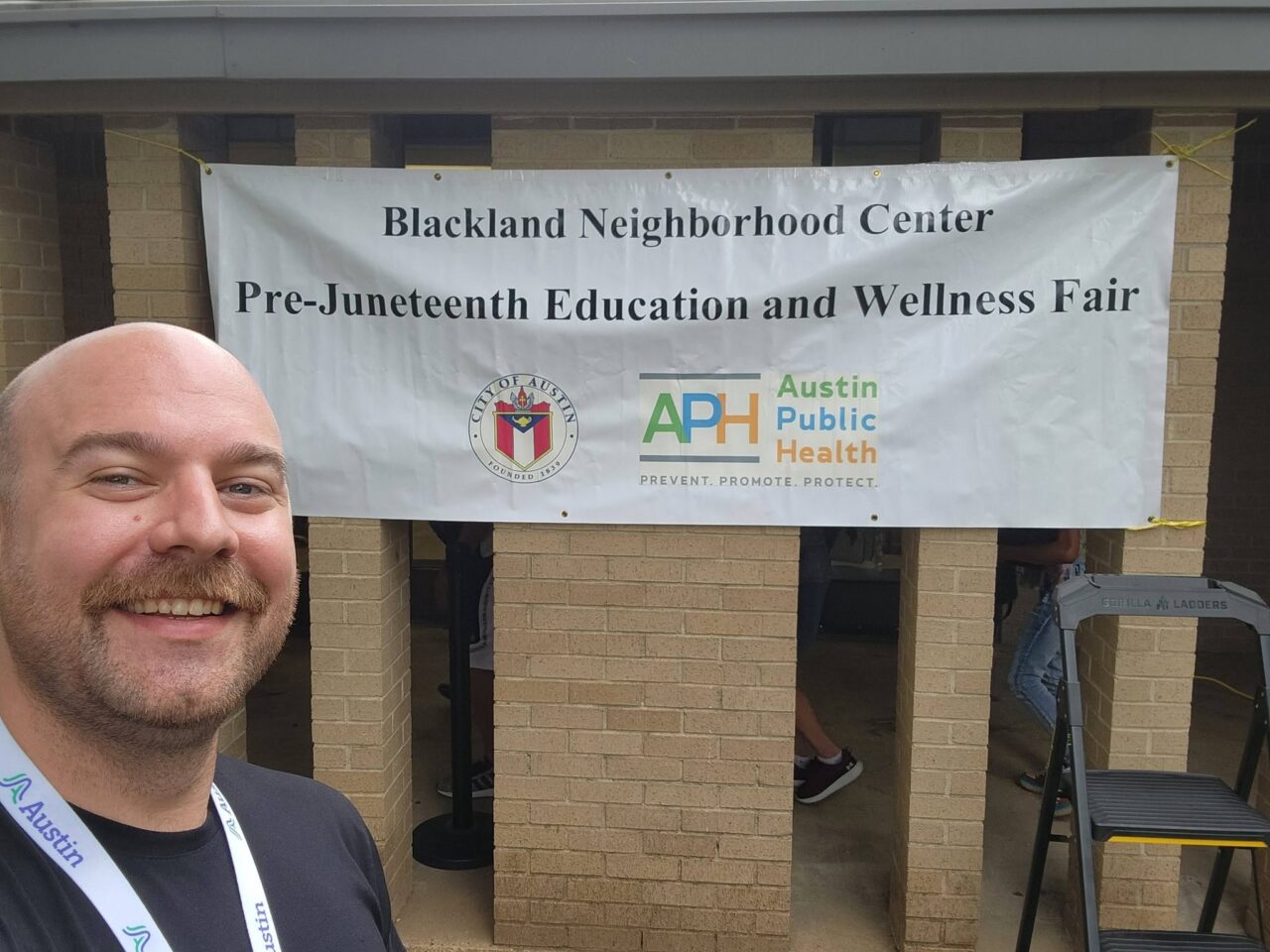
At the Pre-Juneteenth Health and Wellness Fair, residents stopped by to ask about recycling, composting, waste reduction, and available services. Our kitchen compost collectors were especially popular.
I also had the chance to practice some of my limited Spanish while helping connect residents with information.

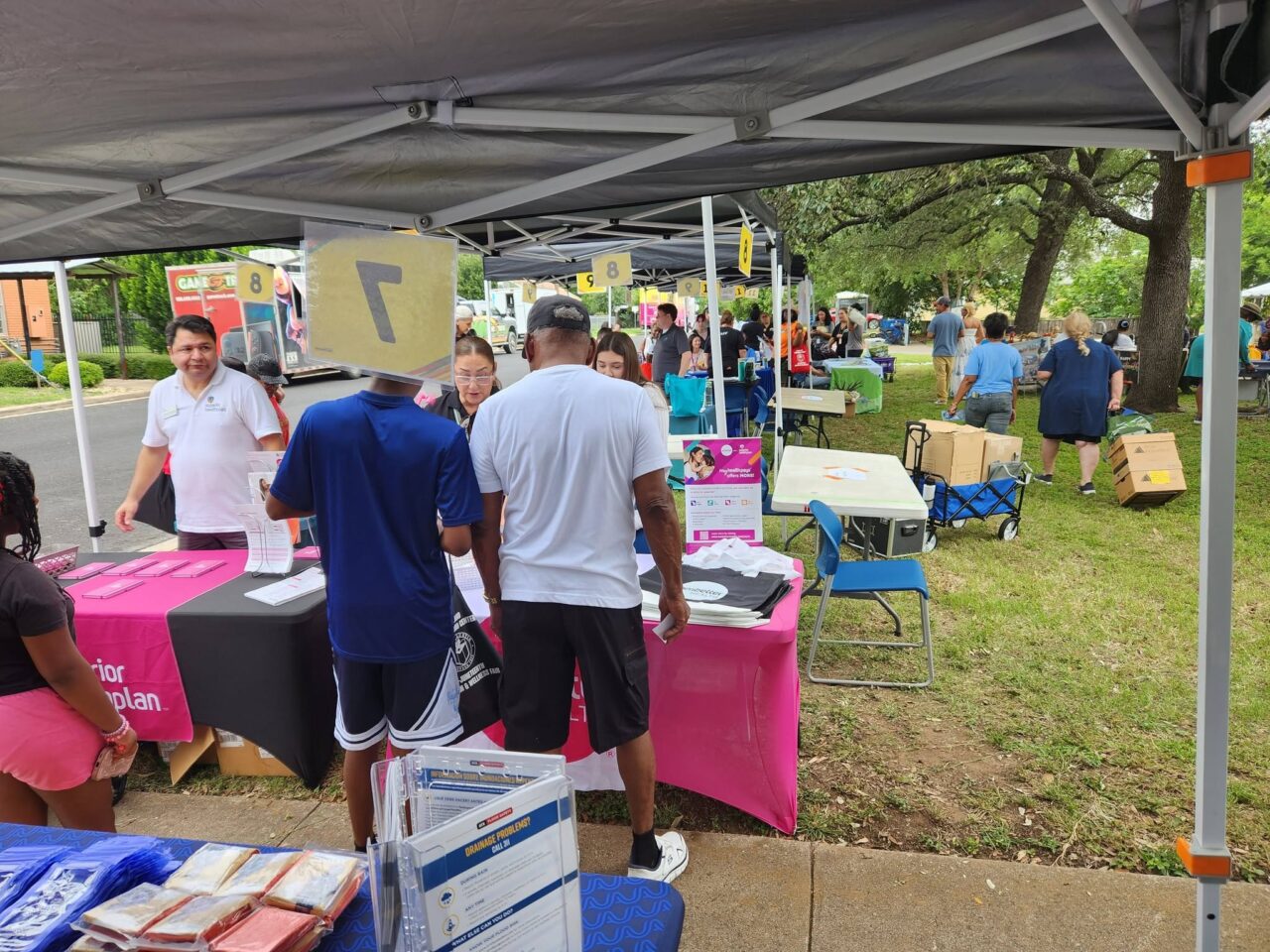
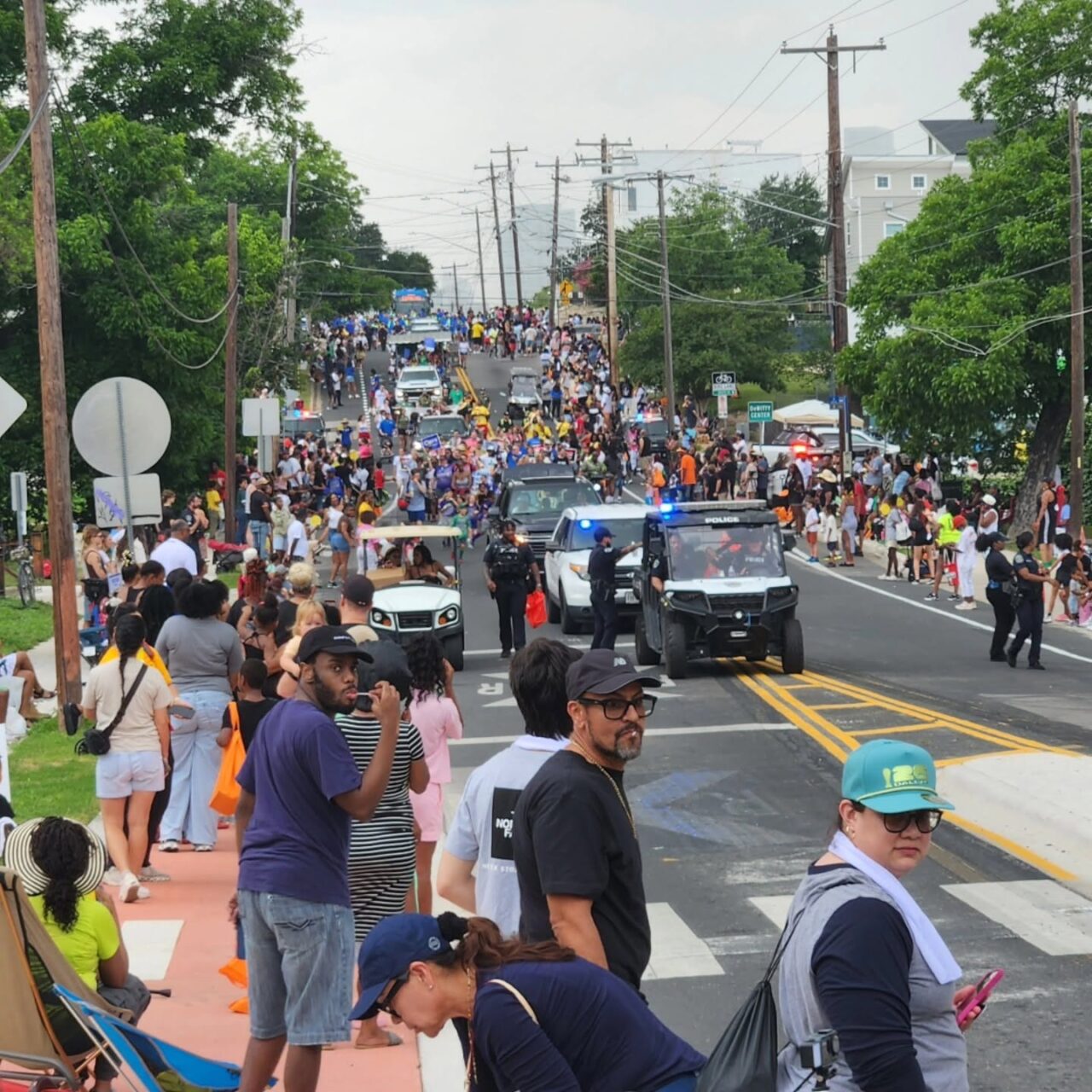
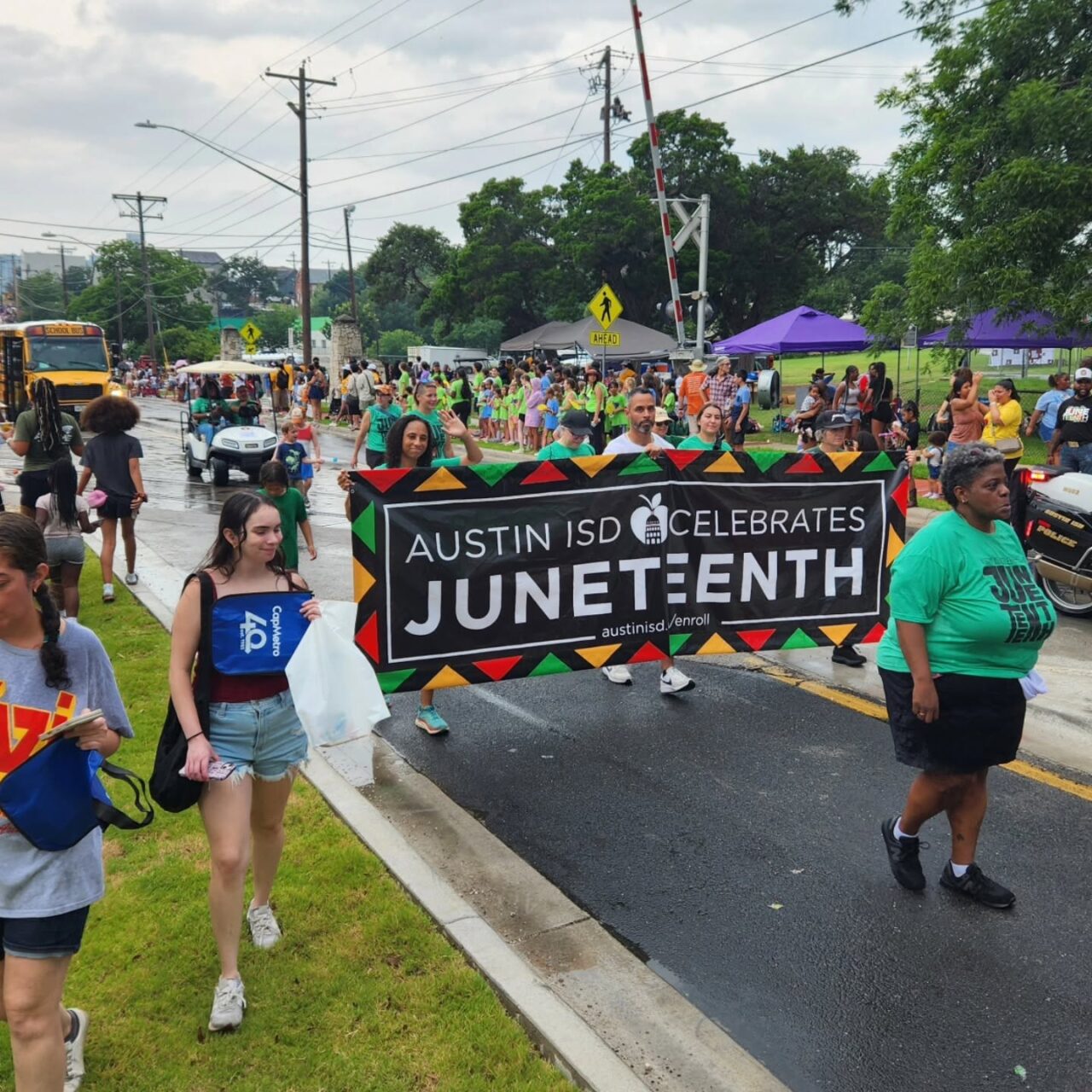
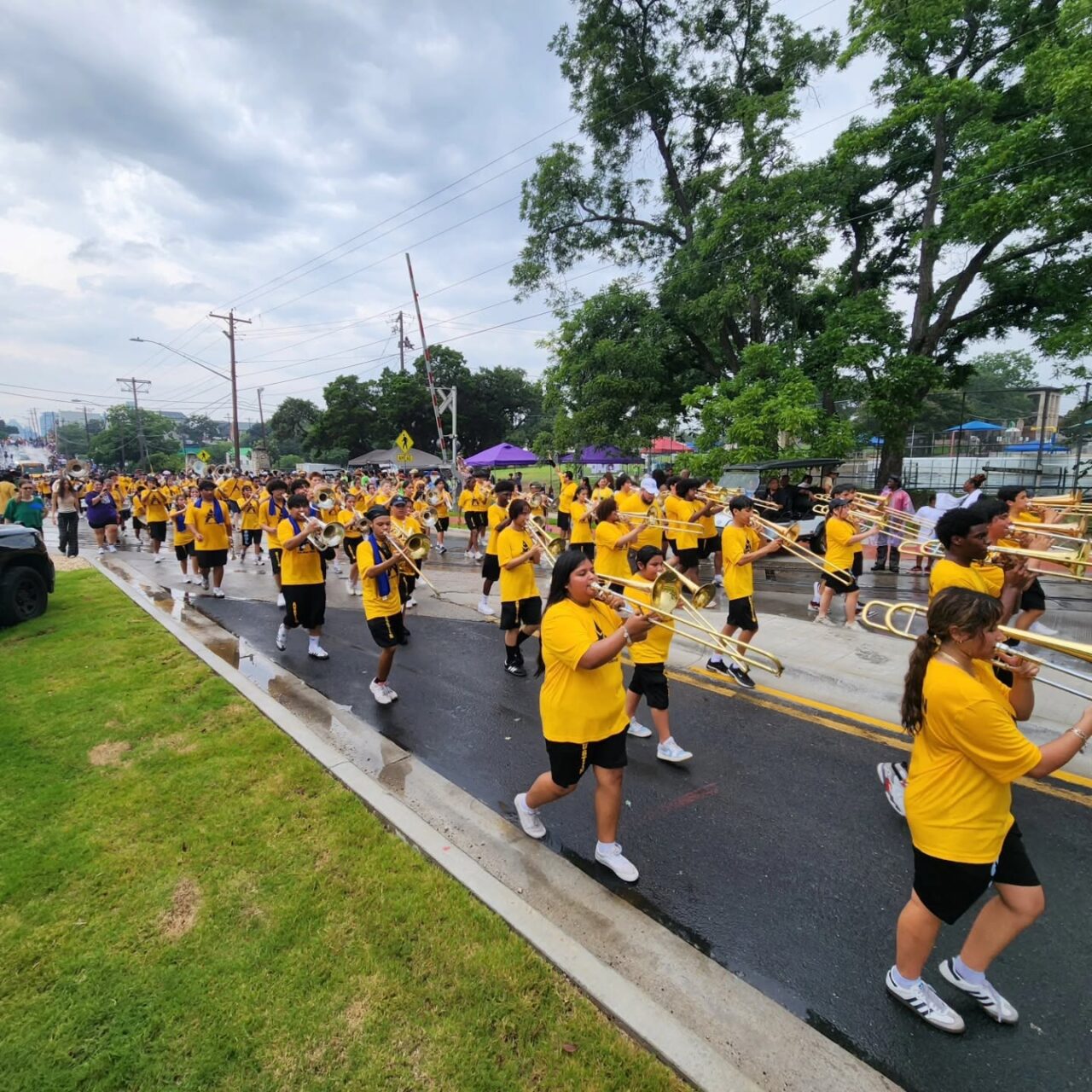
At the Central Texas Juneteenth Celebration, I arrived early enough to watch the parade before spending the afternoon at the outreach booth. The event included organizations sharing resources related to:
- Energy assistance
- Refurbished electronics
- Health and wellness
- Recreation
- Community services
- Education and sustainability
One unexpected lesson involved pickleball, which one group described as the new golf because of its ability to create friendships, professional relationships, and community.
At our booth, we spoke with apartment residents and single-family homeowners about recycling, composting, reuse, and City services. We also distributed reusable water bottles and produce bags. The weather was extremely hot, but the conversations made the day worthwhile.


Learning by Showing Up
My first weeks with Austin Resource Recovery included much more variety than I could have predicted. I learned through:
- Talking with students
- Watching equipment operate
- Touring facilities
- Observing other City programs
- Creating activities for families
- Answering resident questions
- Spending time with coworkers
- Participating in community celebrations
Each experience added another layer to my understanding of resource recovery and public service.
The work is not only about teaching people where an item belongs. It is about understanding how City systems operate, listening to residents, making information approachable, and helping people connect with services that improve their daily lives.
My first month was busy, hot, educational, and occasionally unexpected. It was also a strong reminder that I had joined the kind of work I had been hoping to find.
*Content was generated with AI based on my notes and direction, then edited and refined by me for accuracy.