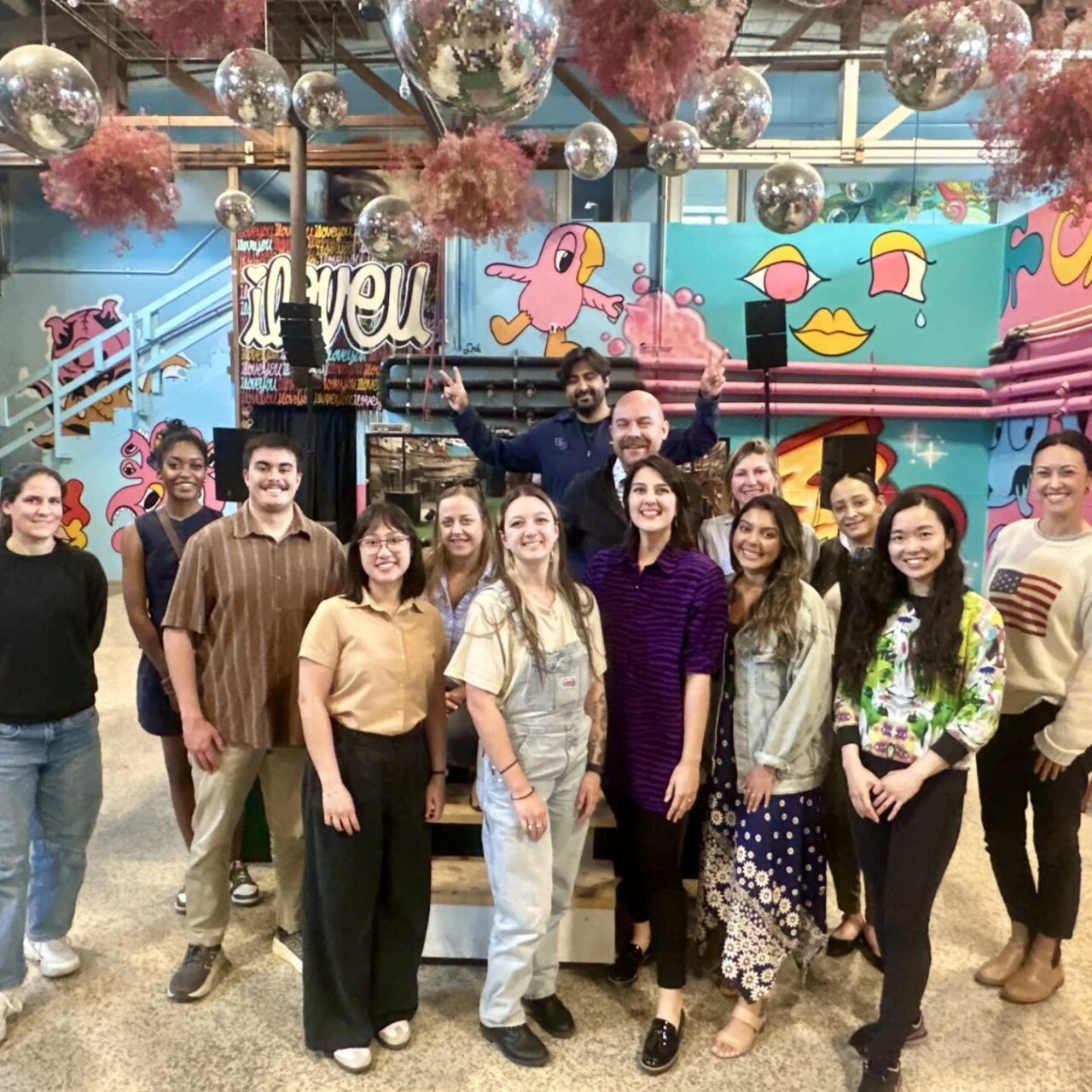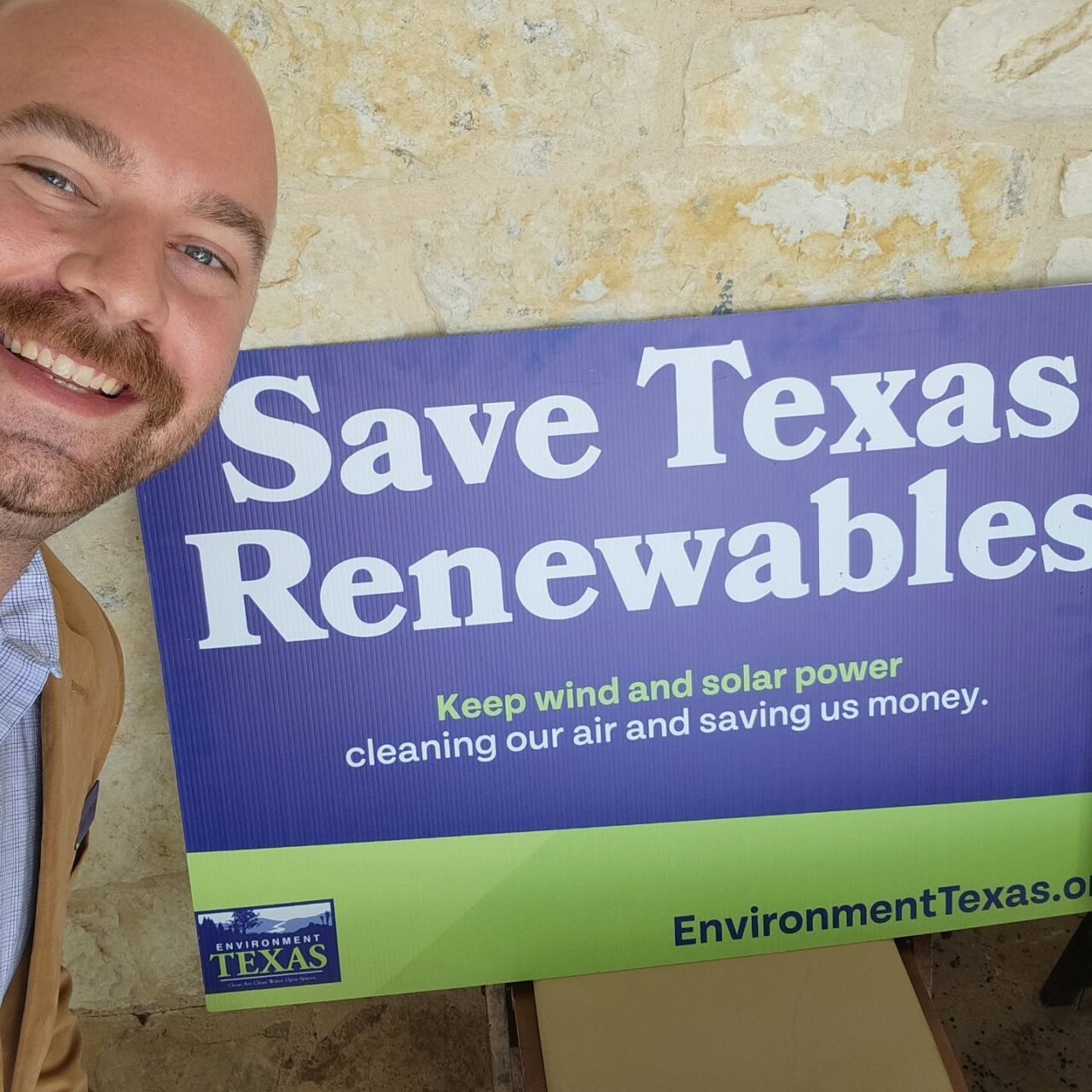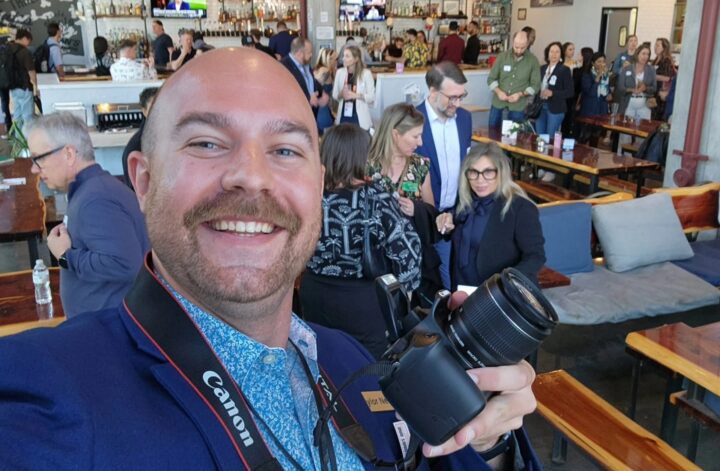
The circular economy has become a recurring theme throughout my career, even before I always had the language to describe it.
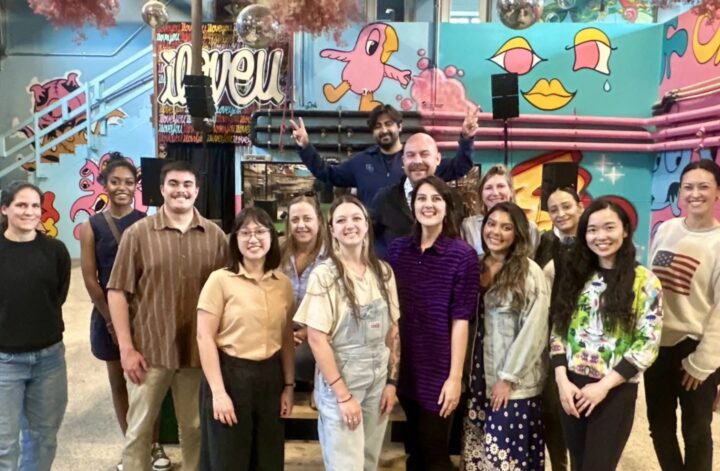
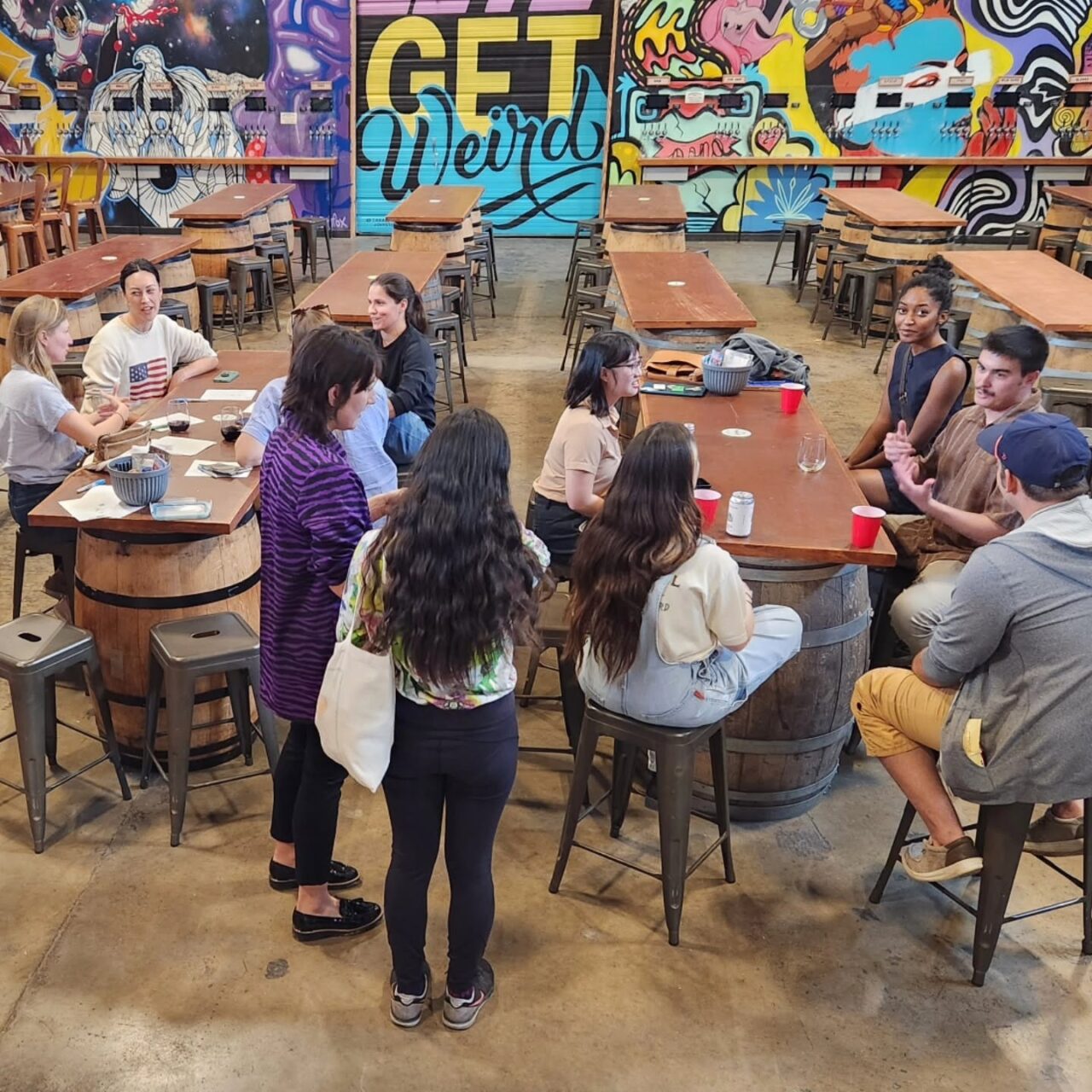
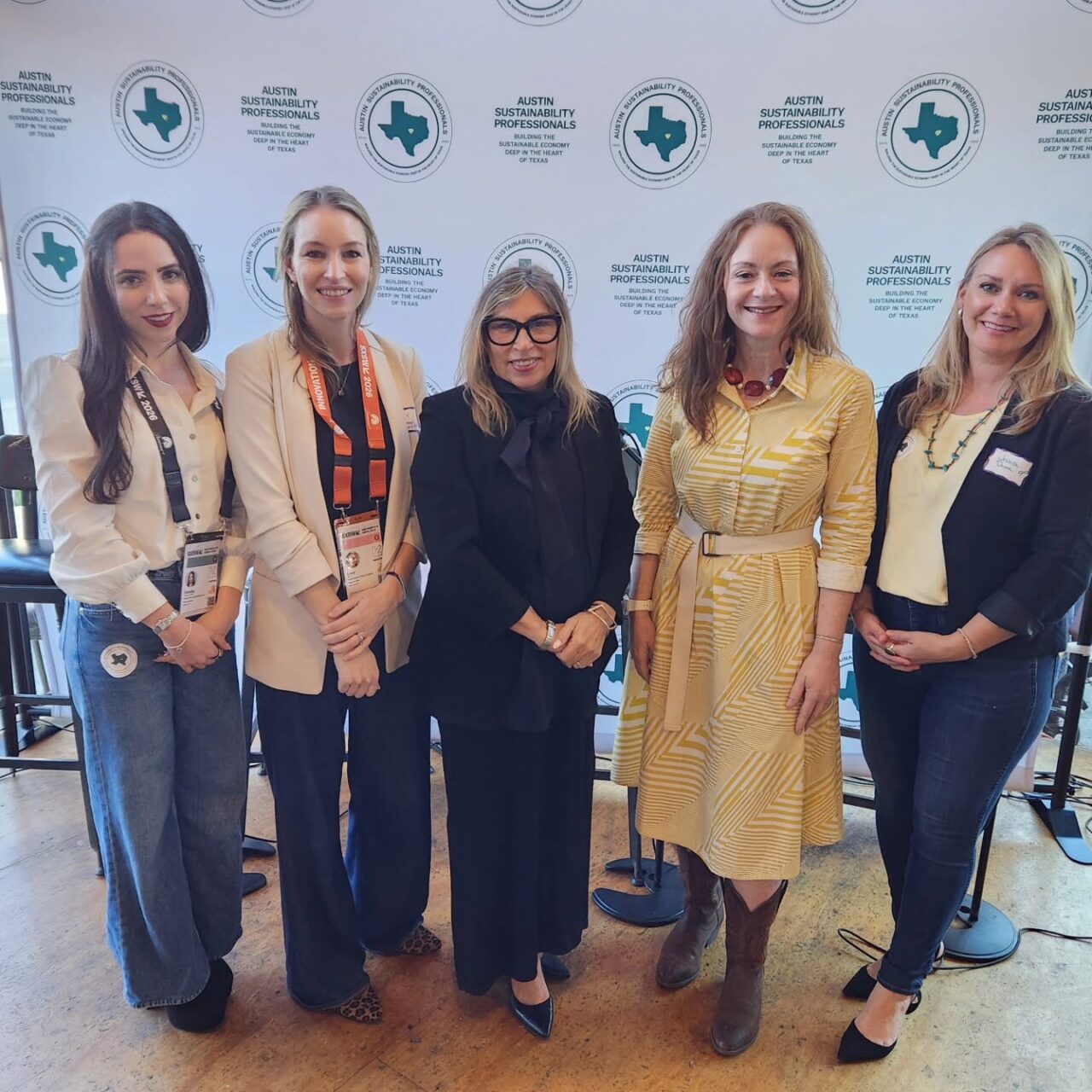
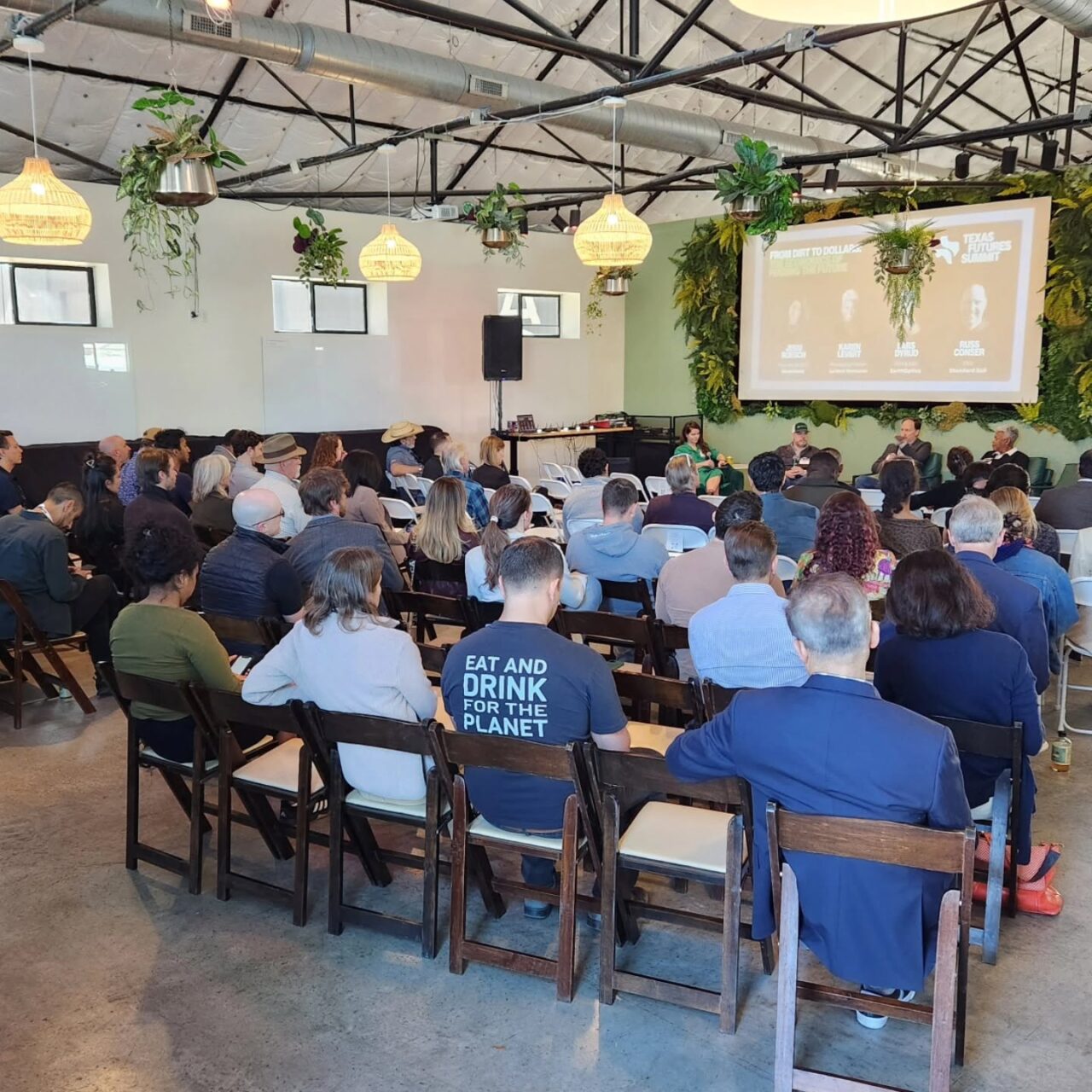
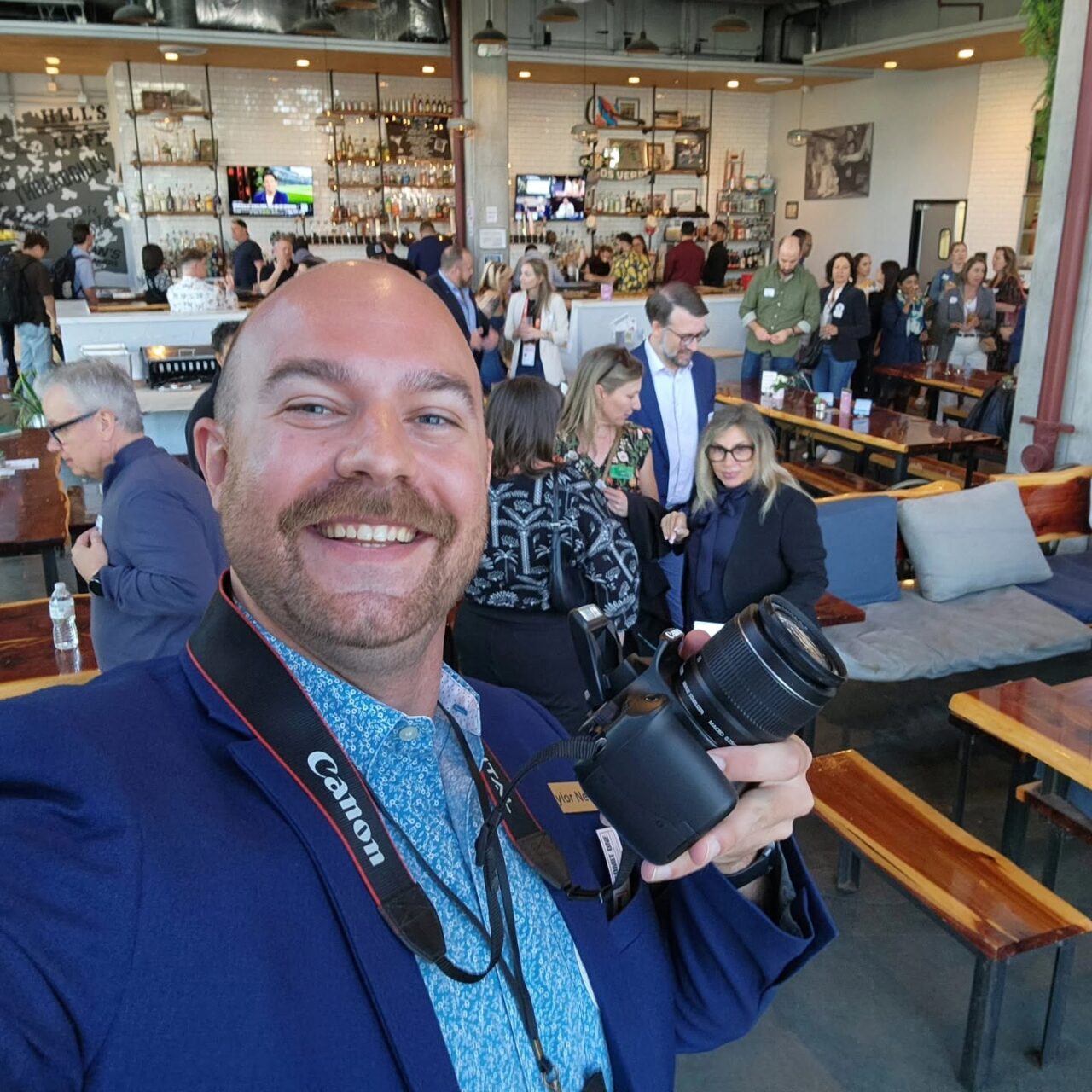
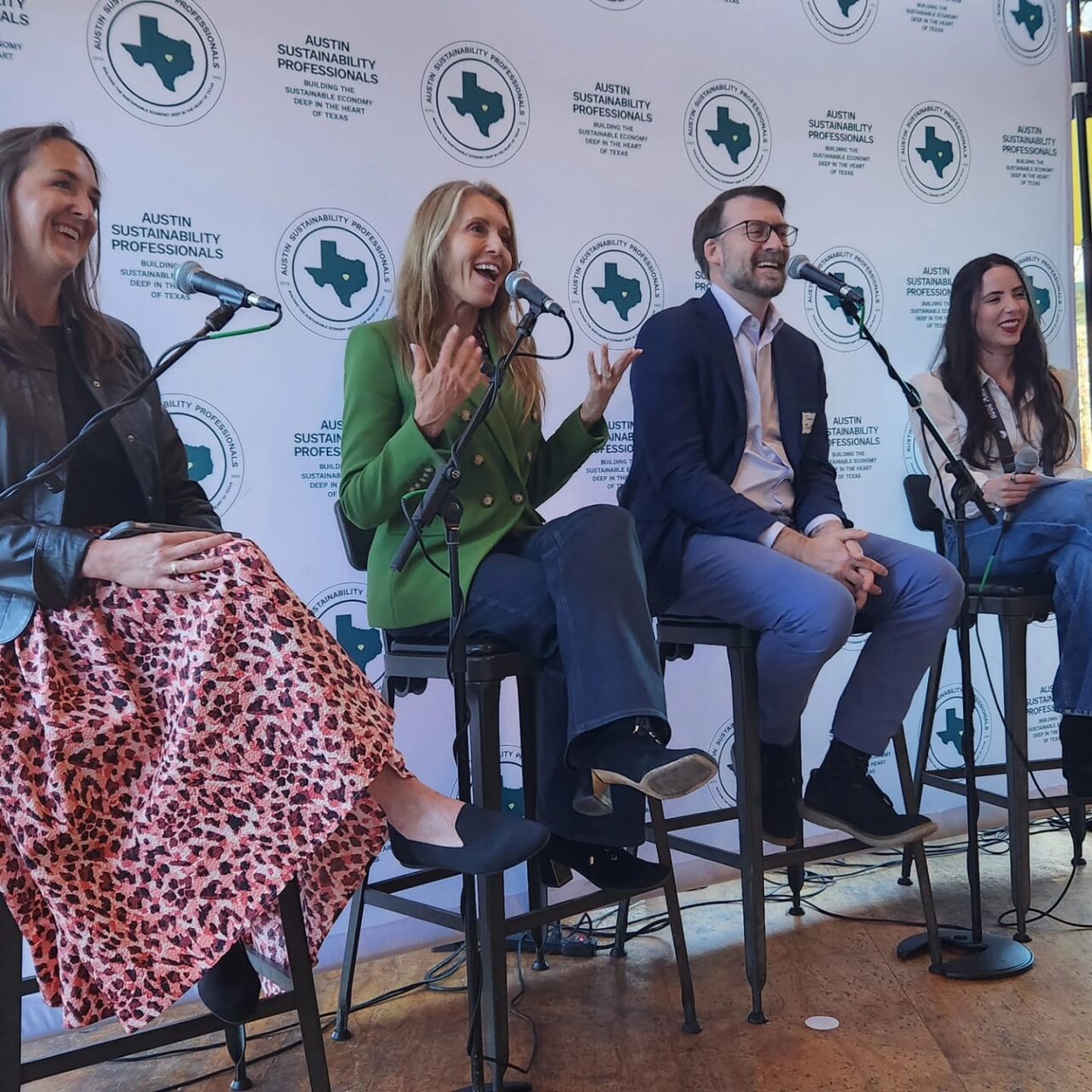
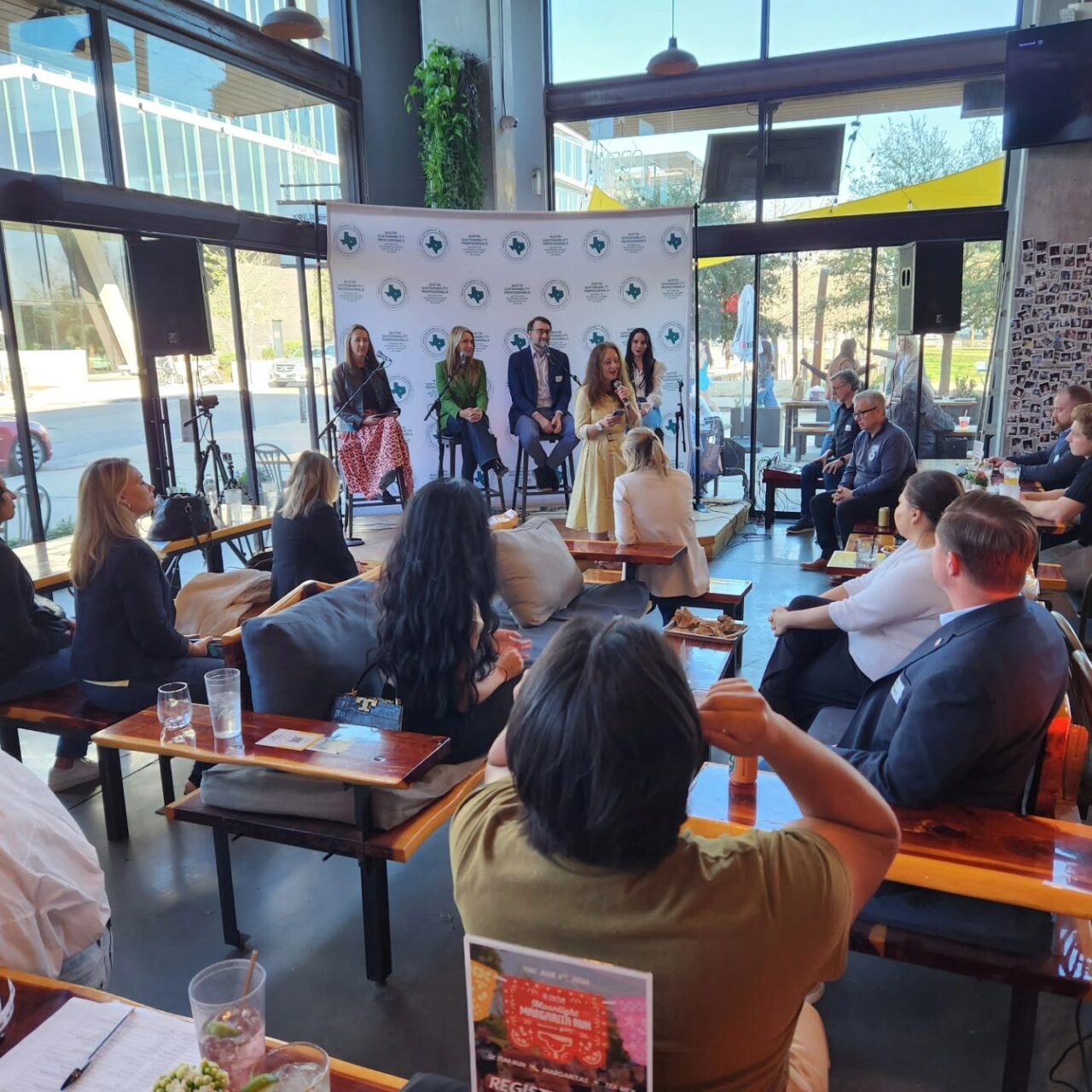
At Climate Tech Innovators hosted by Texas Futures Coalition during Austin Climate Week, the conversation focused on circularity: reducing waste, keeping materials in use longer, and creating economic value without relying on constant disposal.
The event featured perspectives connected to the City of Austin, Upstream, and re:3D. It was especially meaningful to see re:3D represented because I had followed the organization’s work for years.


Circularity Is Bigger Than Recycling
Recycling is one part of a circular economy, but it is not the entire system. A stronger circular model asks how we can:
- Design products that last longer
- Repair items instead of replacing them
- Reuse materials before recycling them
- Recover valuable resources from waste
- Reduce unnecessary packaging
- Build businesses around sharing, resale, and refurbishment
- Keep materials circulating within the economy