Some of the most valuable sustainability work begins with a simple conversation.
During Austin Earth Month, I attended several networking events that brought together people working in climate action, conservation, clean energy, circularity, and community engagement. Each event had a different format, but they shared the same purpose: helping people find one another.
Uncork & Connect
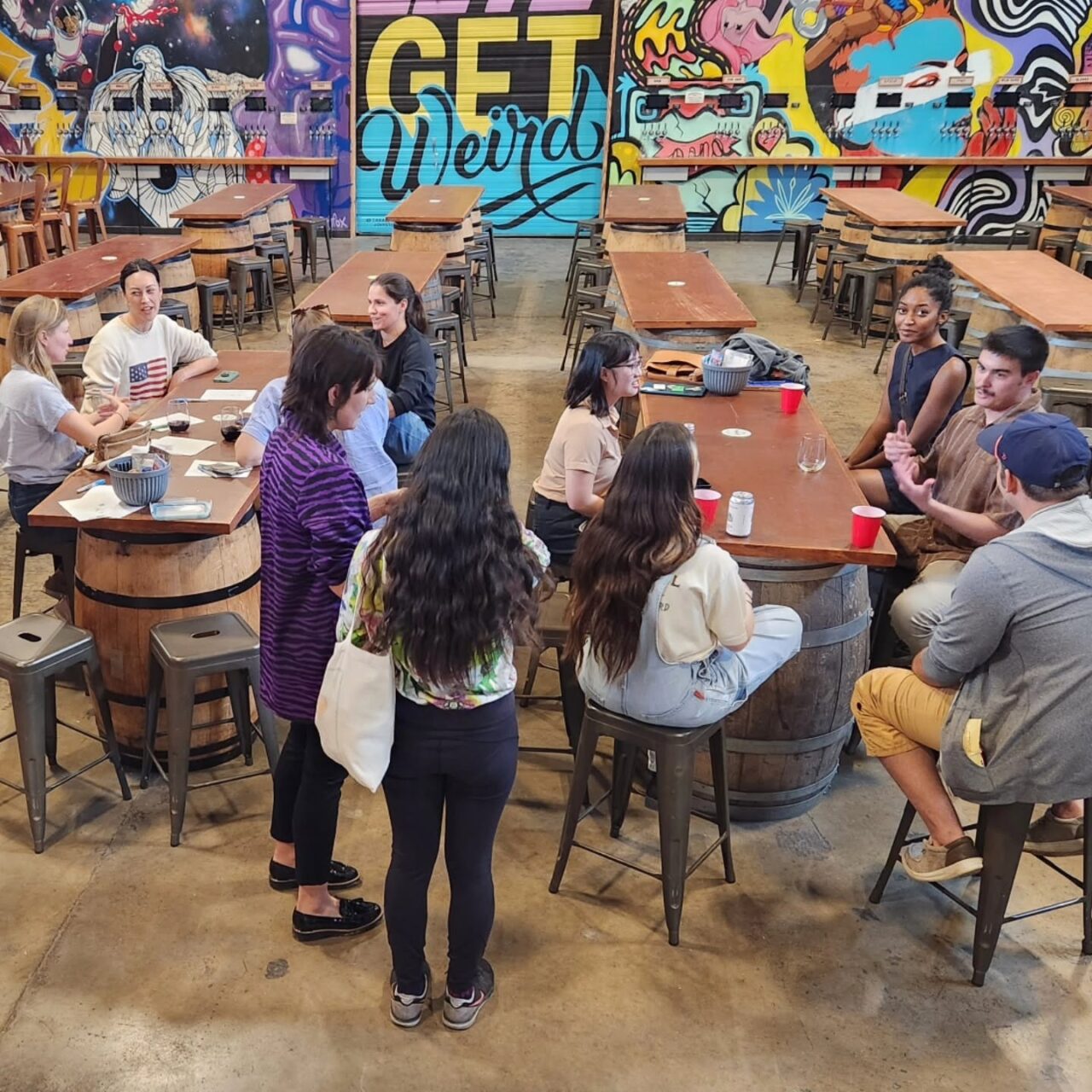
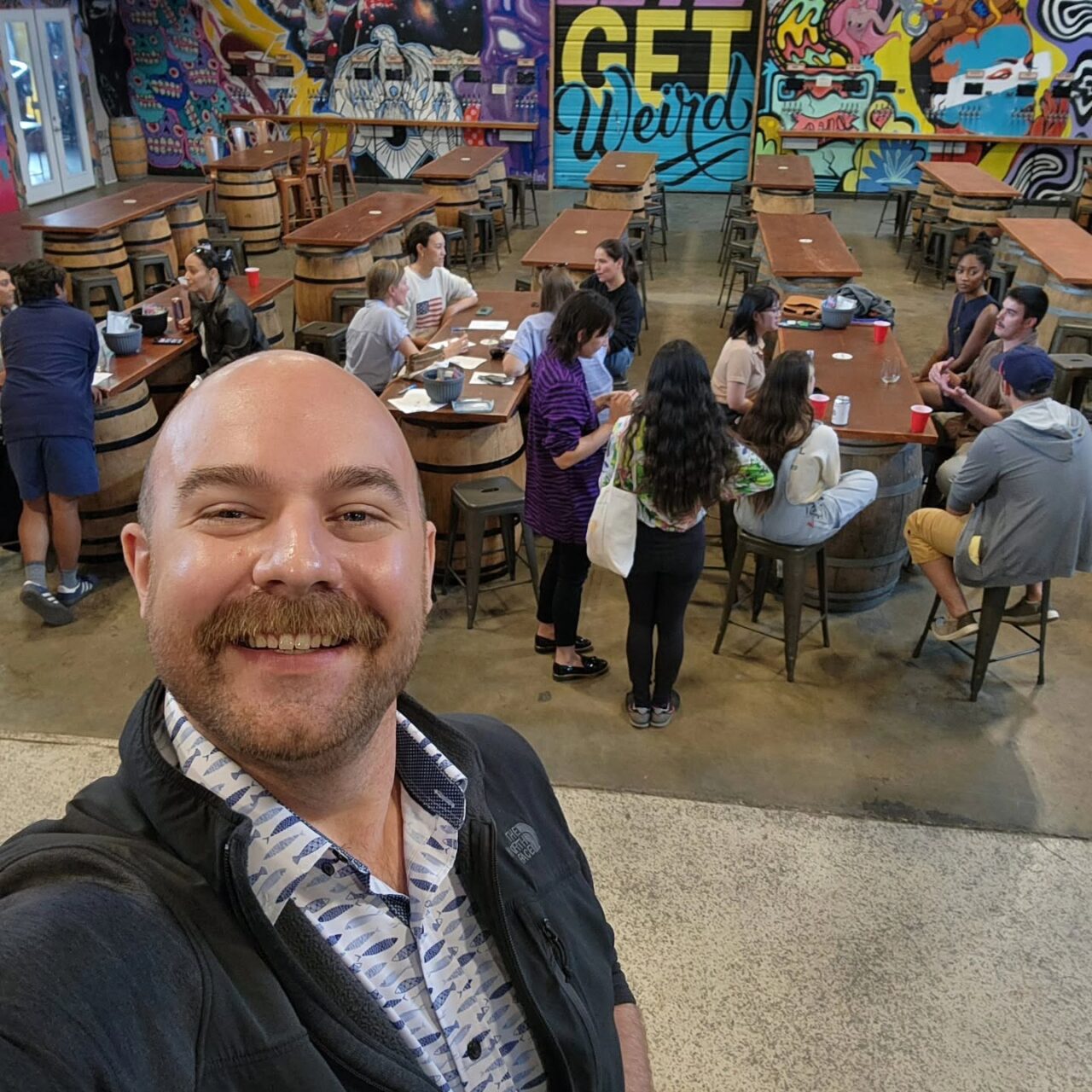
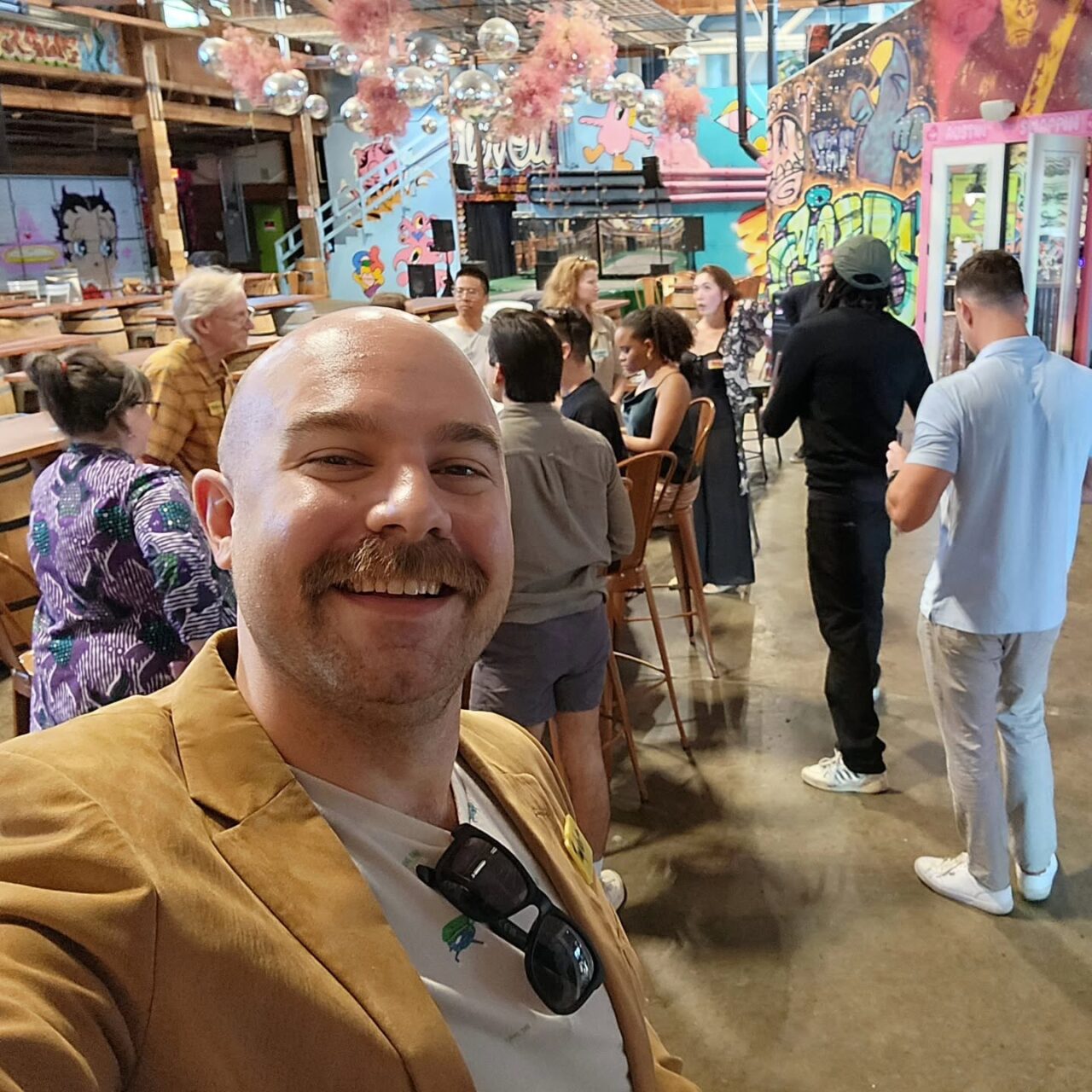
The first event was Uncork & Connect at Wanderlust Wine Co., hosted by Joon Community during Austin Climate Week.
The relaxed environment made it easier for people to move beyond job titles and talk about:
- Sustainability projects happening around Austin
- Climate solutions and emerging ideas
- Career paths in environmental work
- Local organizations and volunteer opportunities
- Ways to collaborate across different professional communities
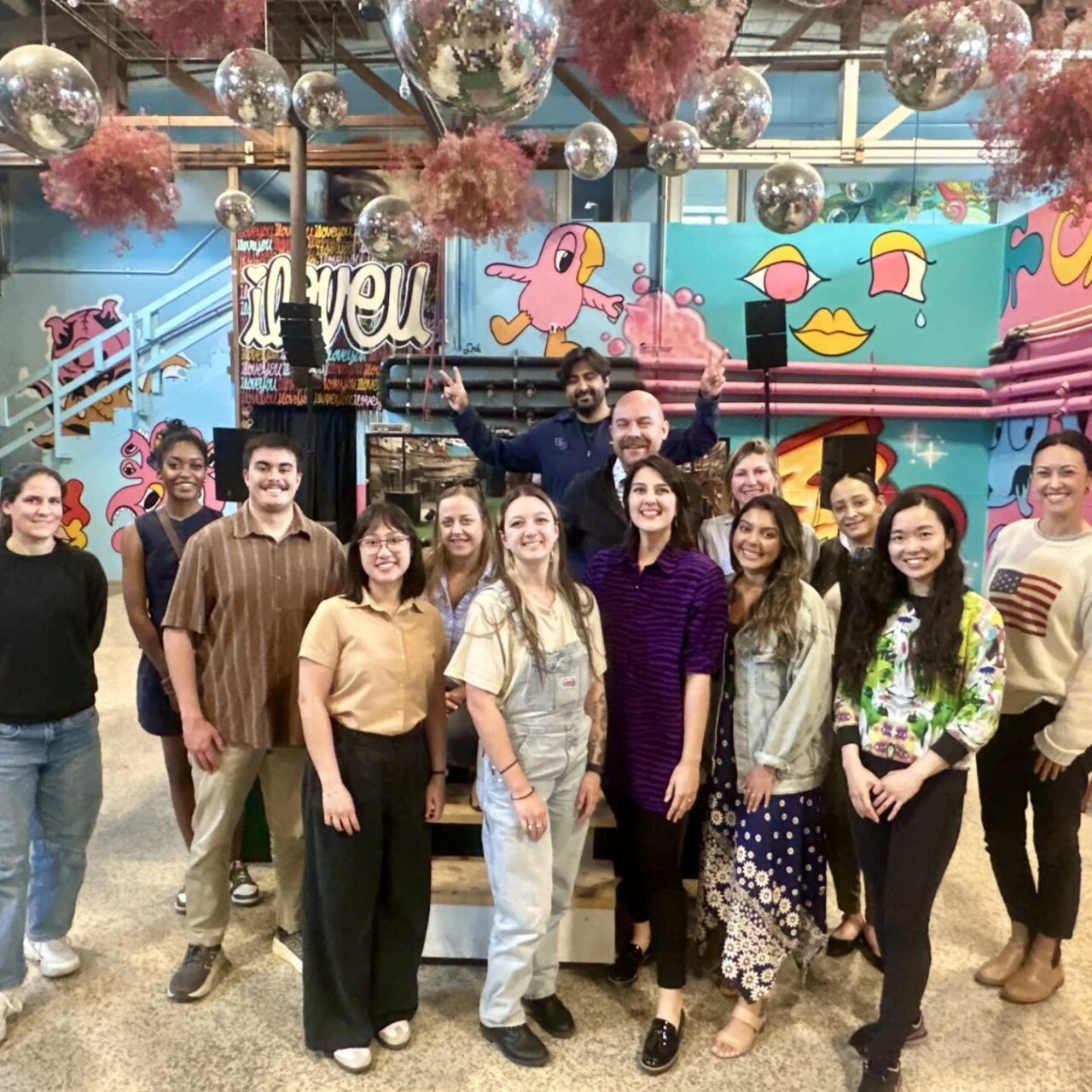
I invited people from several green groups and sustainability communities I participate in. One of the best parts of the evening was watching people who had never met begin forming their own connections.
That is when networking becomes community-building.
Making New Climate Friends
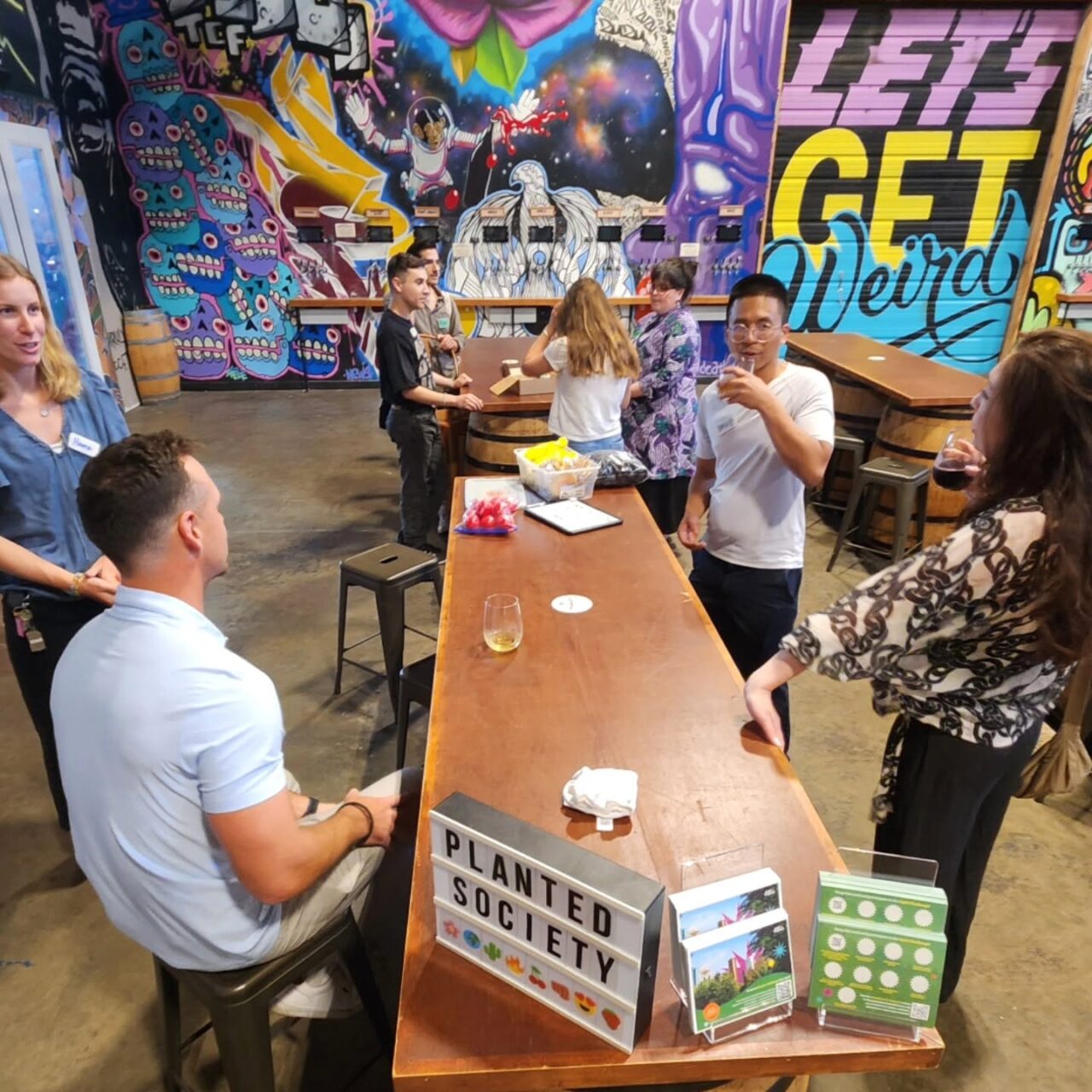
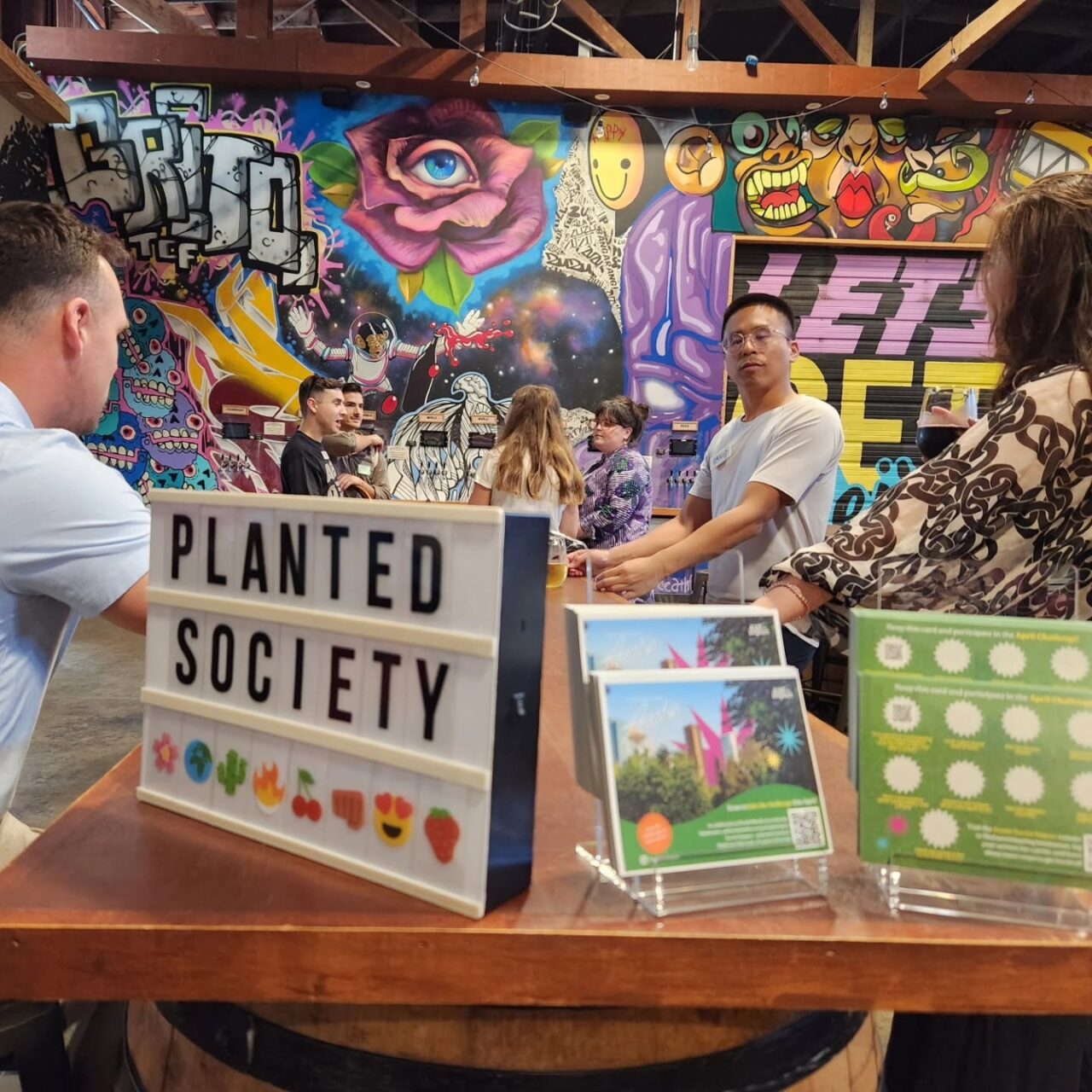
A few days later, I returned to Wanderlust for Earth Night: Meet New Climate Friends.
The event encouraged attendees to bring something to swap or share, such as a recipe, book recommendation, small item, story, or note. I brought a few thrifted items to donate. Nobody ended up taking much, but I still appreciated the idea behind the activity.
It gave people an easy reason to start conversations and share something personal.
The experience reinforced that a networking event does not need an elaborate program. Sometimes the strongest ingredients are:
- A welcoming location
- A shared interest
- A simple conversation starter
- Enough time for people to connect naturally
Closing Out Earth Month
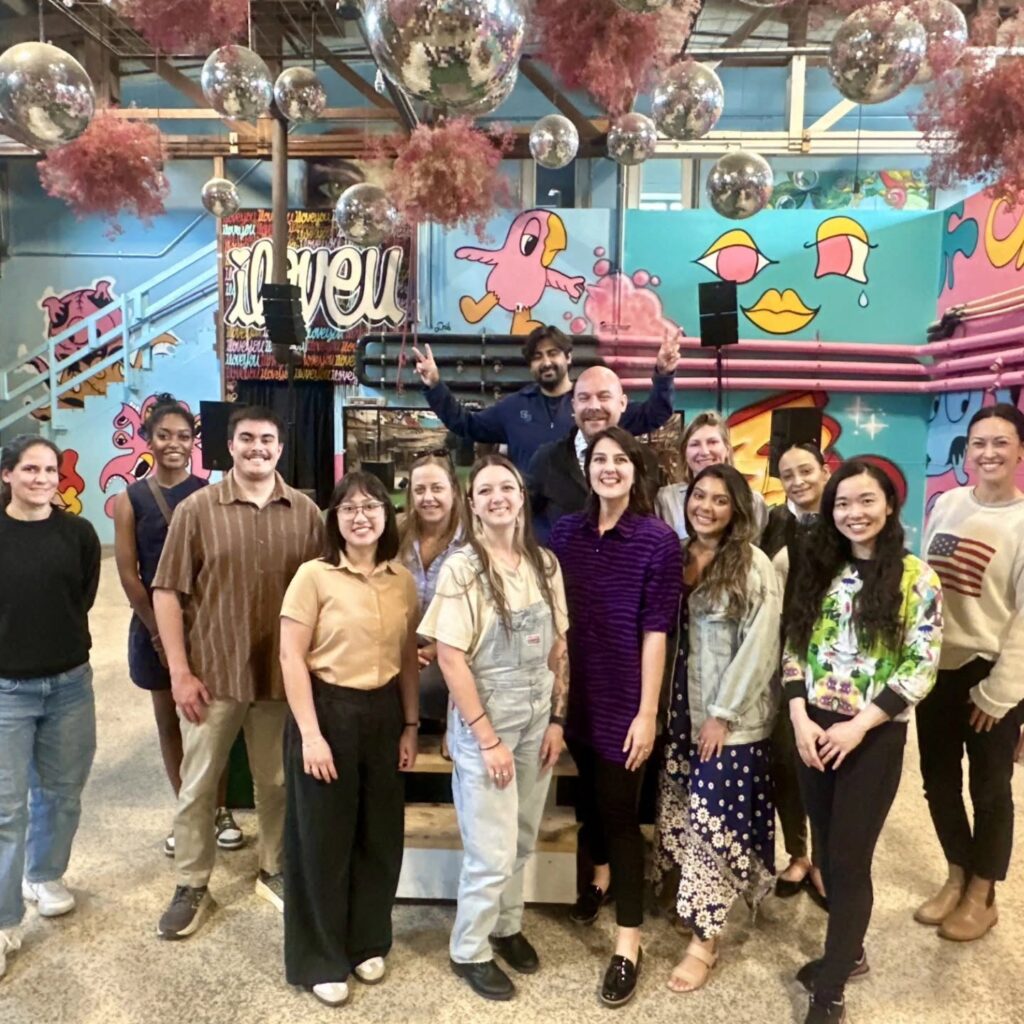
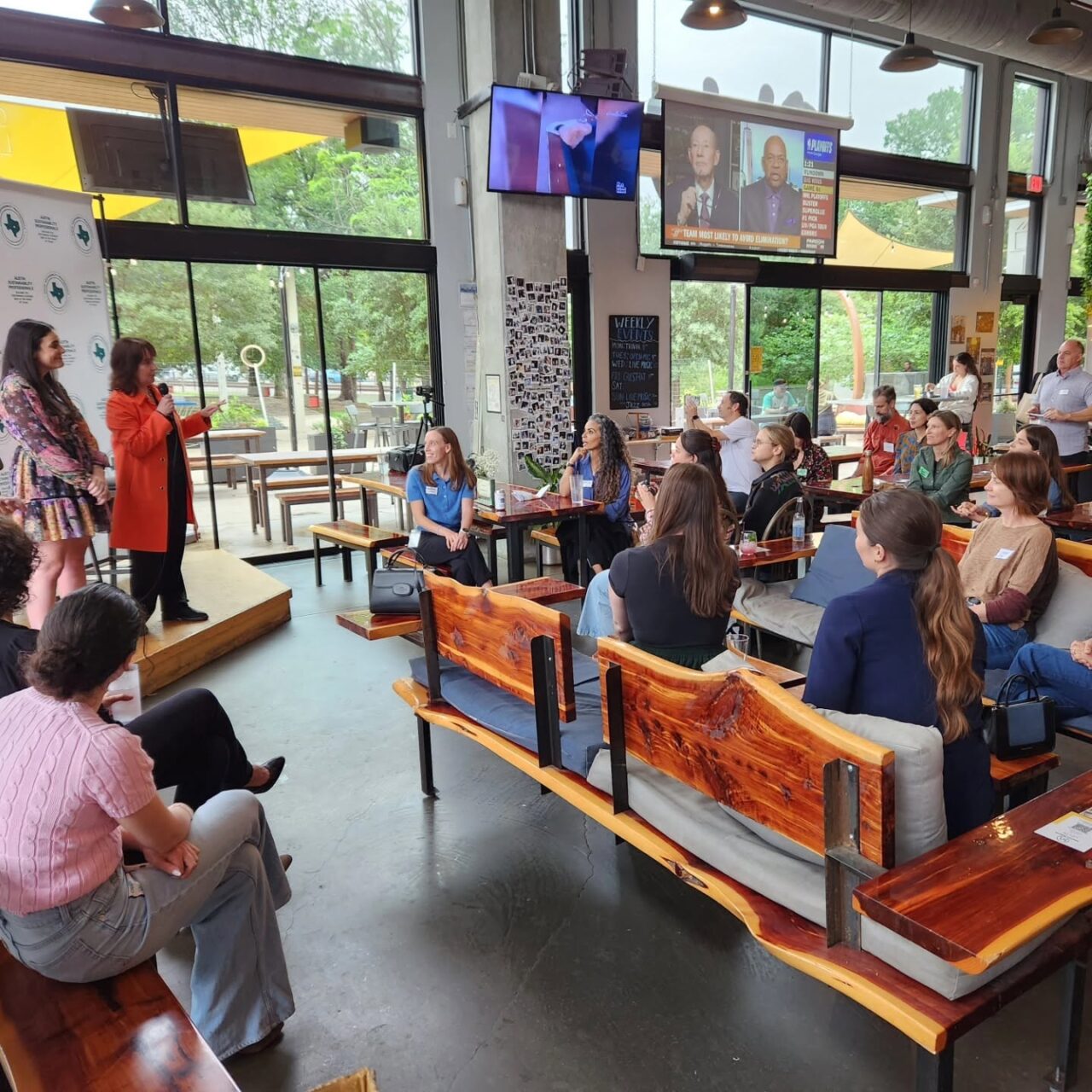
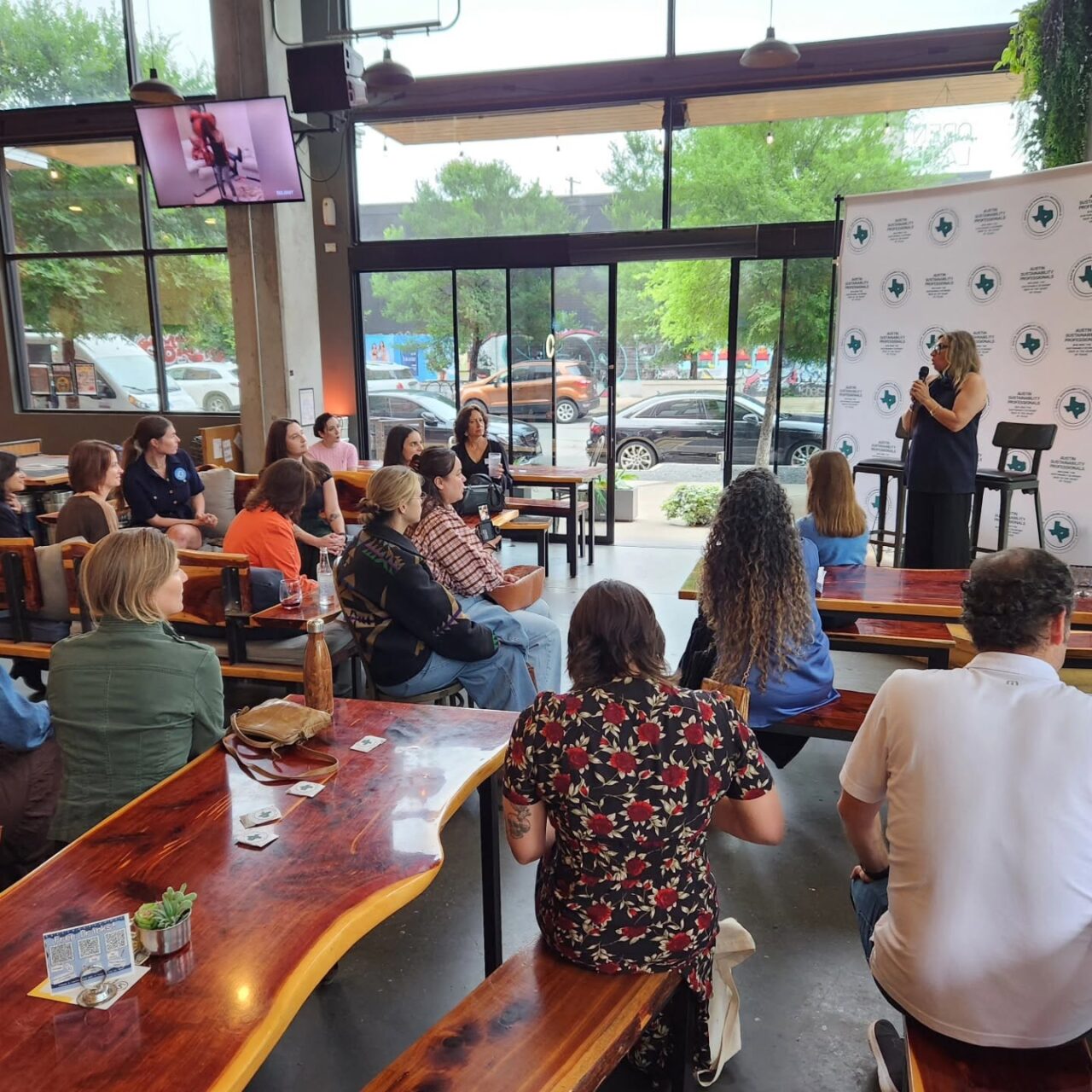
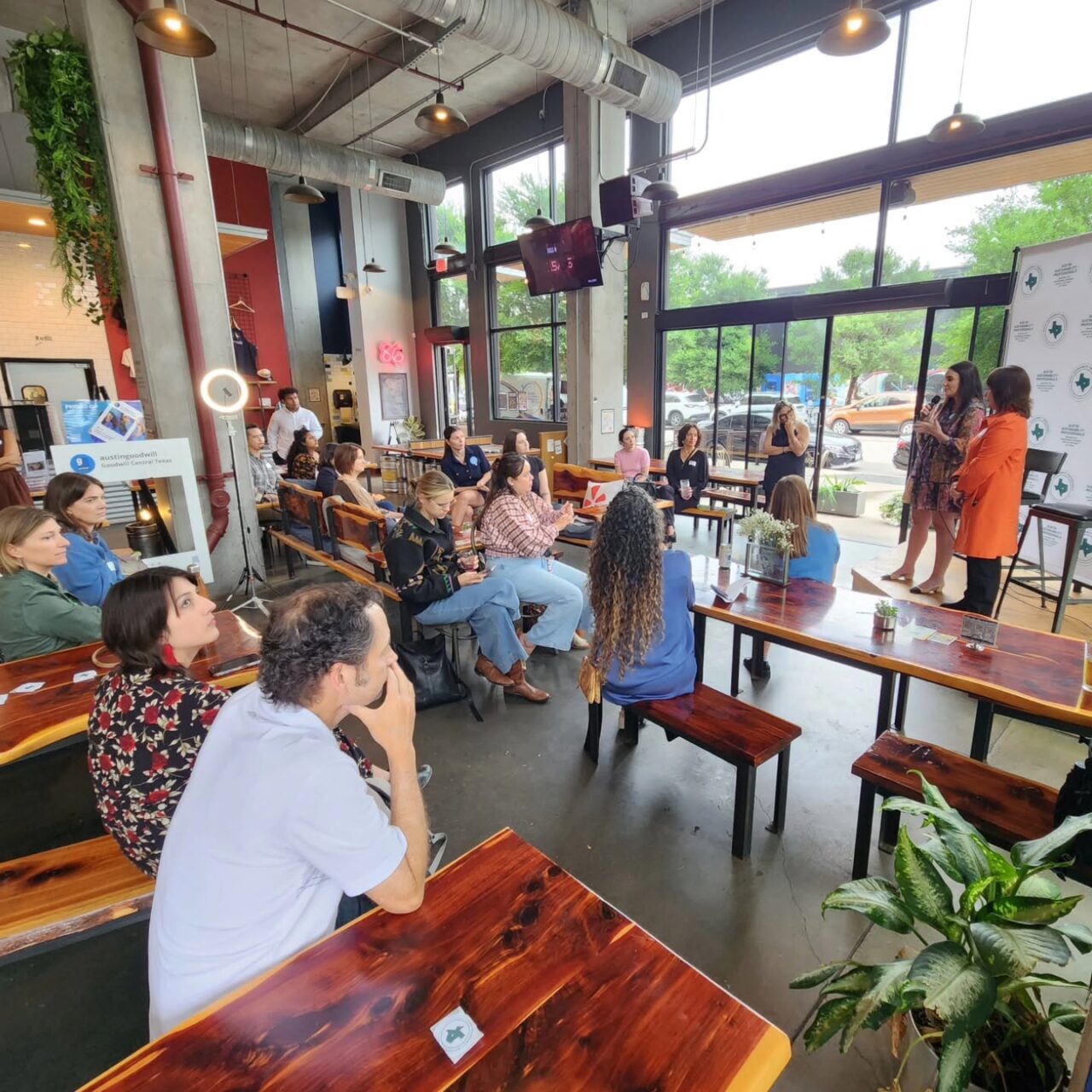
I finished April at the Austin Sustainability Professionals Earth Week Celebration Mixer.
By that point, I had attended enough events that many of the faces were familiar. Instead of repeatedly introducing myself, I was beginning to have longer and more meaningful conversations with people I had met earlier in the month. That progression mattered.
The value of attending community events is not only meeting as many people as possible. It is returning often enough that acquaintances become relationships.
Networking Is More Than Collecting Contacts
Traditional networking can sometimes feel transactional. People exchange information, discuss what they do, and then move on to the next conversation.
The best sustainability gatherings feel different. They create opportunities to:
- Learn what other people are working on
- Introduce people with shared interests
- Discover ways to collaborate
- Strengthen existing relationships
- Help newcomers feel welcome
- Build trust across organizations and industries
That kind of relationship-building is especially important in sustainability because environmental challenges do not fit neatly inside one profession. Progress requires participation from:
- Government agencies
- Businesses and entrepreneurs
- Nonprofits
- Researchers and educators
- Neighborhood leaders
- Communications professionals
- Volunteers and residents
Networking helps those groups understand how their efforts connect.
Showing Up Consistently
One of my biggest lessons from Earth Month was that community is built through consistency.
A single event may lead to a useful introduction. Attending multiple events creates something stronger. People begin recognizing one another, continuing earlier conversations, and making introductions without being asked.
Austin’s sustainability community often feels large because it includes so many different organizations and interests. At the same time, it can feel surprisingly small when familiar faces keep appearing in different spaces.
That familiarity makes collaboration more likely.
From Connections to Community
The most meaningful part of these events was not the number of contacts I added. It was seeing relationships grow in real time.
People exchanged ideas, found shared interests, and learned about projects they might never have encountered otherwise. Some conversations may lead to partnerships. Others may simply make someone feel more connected to the environmental work happening around Austin.
Both outcomes matter.
Sustainability is ultimately about building systems that can last. The same is true for professional communities.
Strong networks are not built from one conversation or one event. They are built when people continue showing up, helping one another, and turning introductions into genuine relationships.
*Content was generated with AI based on my notes and direction, then edited and refined by me for accuracy.