Sports have a unique ability to reach people who may never attend a climate conference, sustainability panel, or environmental workshop.
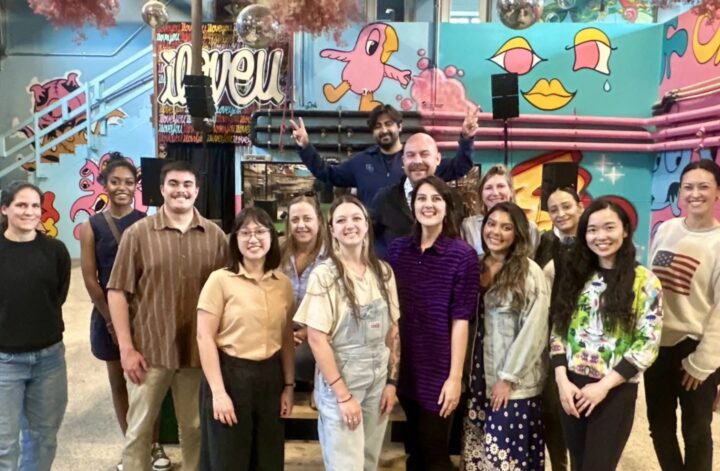
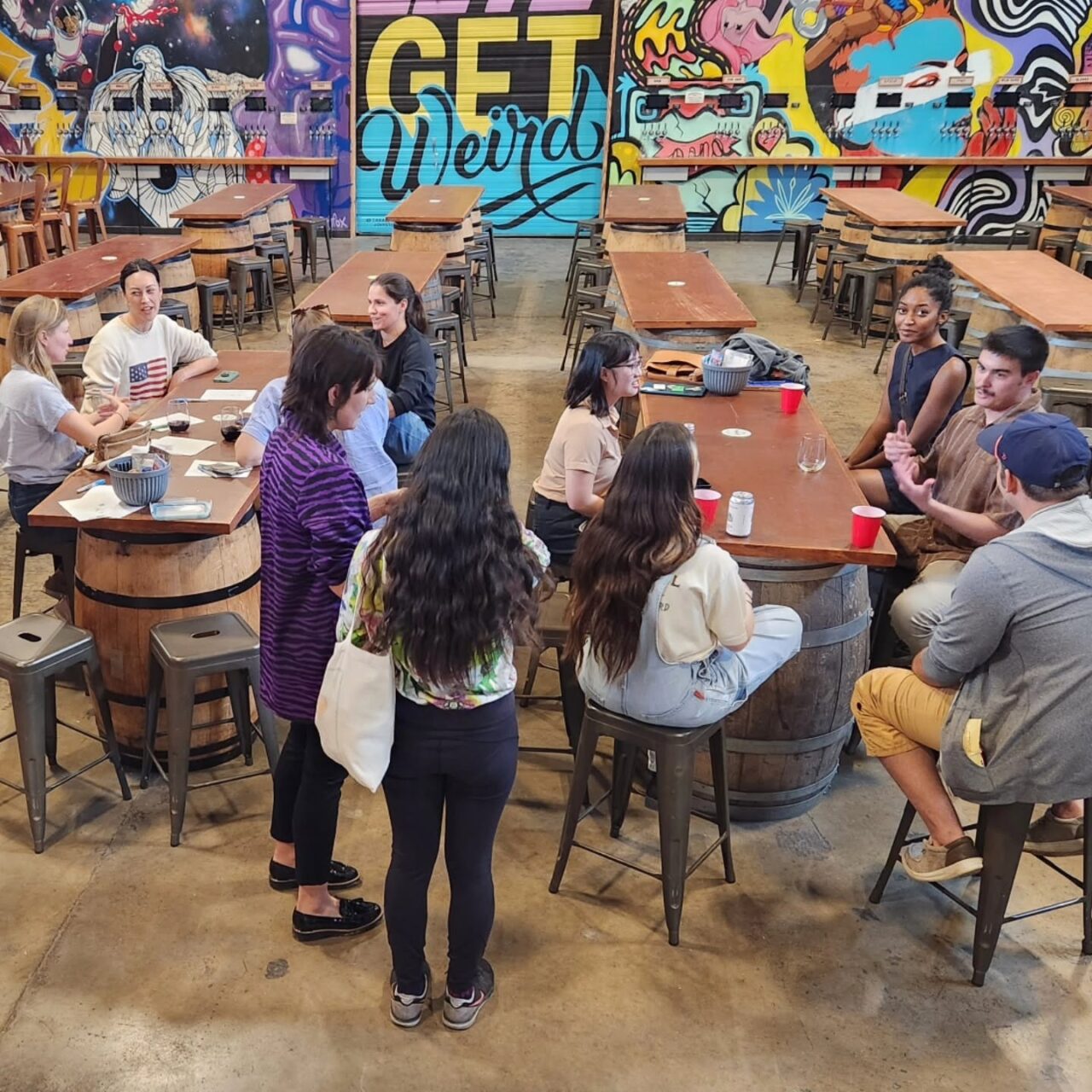
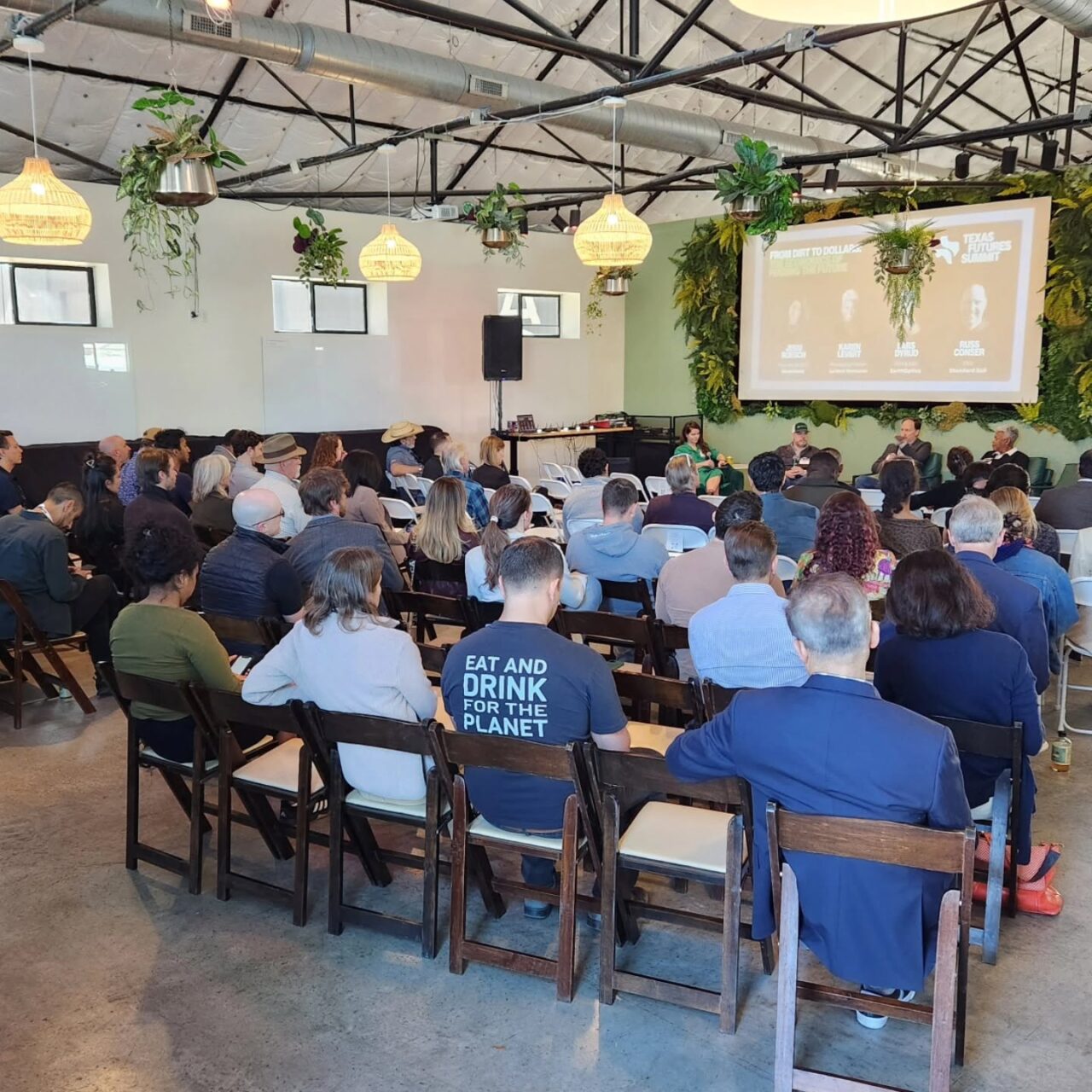
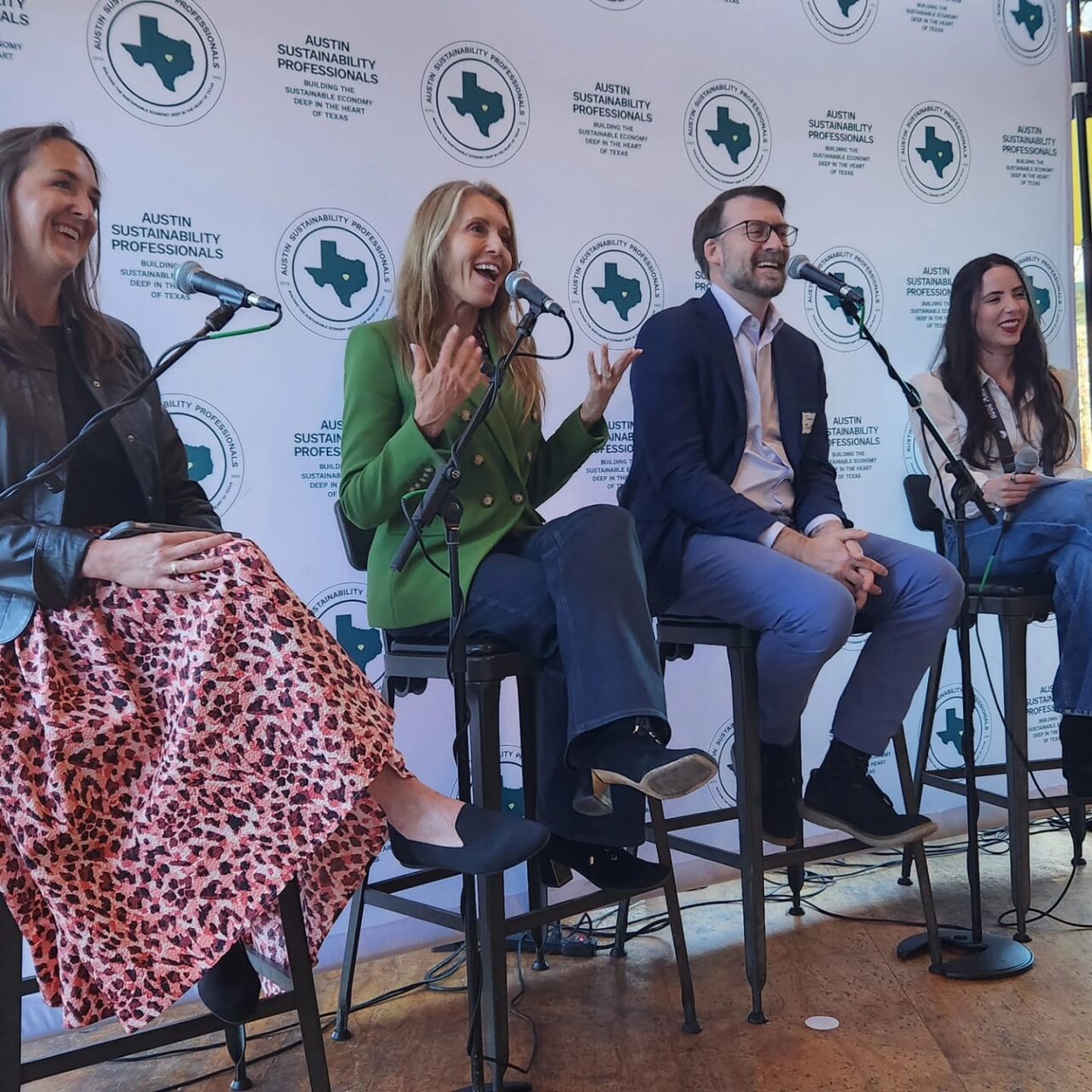
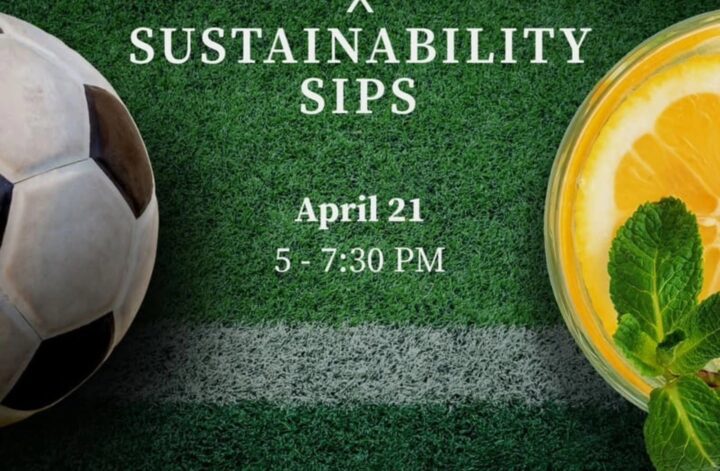
That idea stood out during Sports x Sustainability Sips, an Earth Week event exploring how teams, venues, cities, athletes, and fans can help move sustainability forward.
The discussion showed that sports are not separate from environmental issues. Large events affect transportation, waste, energy use, food systems, water, and local infrastructure. That also means they can become powerful opportunities to model better practices.
Sustainability at Major Sporting Events
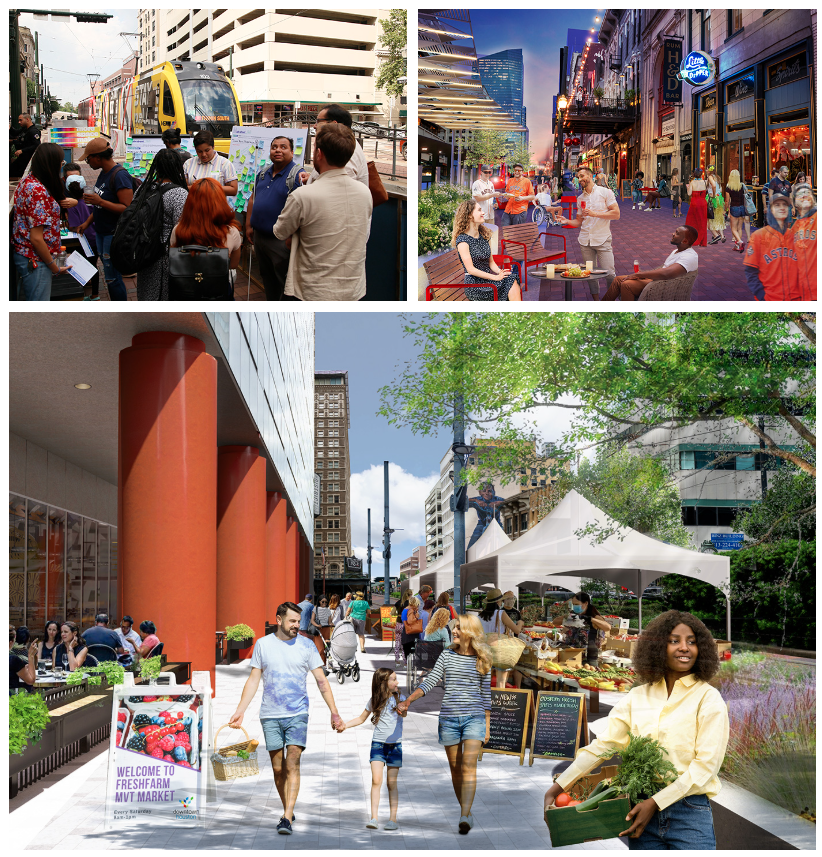
One major topic was how Houston is preparing for the FIFA World Cup (a project we won at Design Workshop) and incorporating citywide sustainability efforts into that planning.
Large sporting events create major logistical challenges, including:
- Increased traffic and transportation demand
- Large amounts of food and packaging waste
- Higher energy and water use
- Temporary infrastructure needs
- Increased pressure on local services
Planning for sustainability early can help cities reduce those impacts instead of trying to solve them after the event begins.
Composting, recycling, public transportation, reusable materials, and smarter venue operations can all contribute to a better experience for residents and visitors.