An Earth Month of Community, Climate, and Connection

Earth Month 2026 was one of the most energizing months I had experienced in a long time.

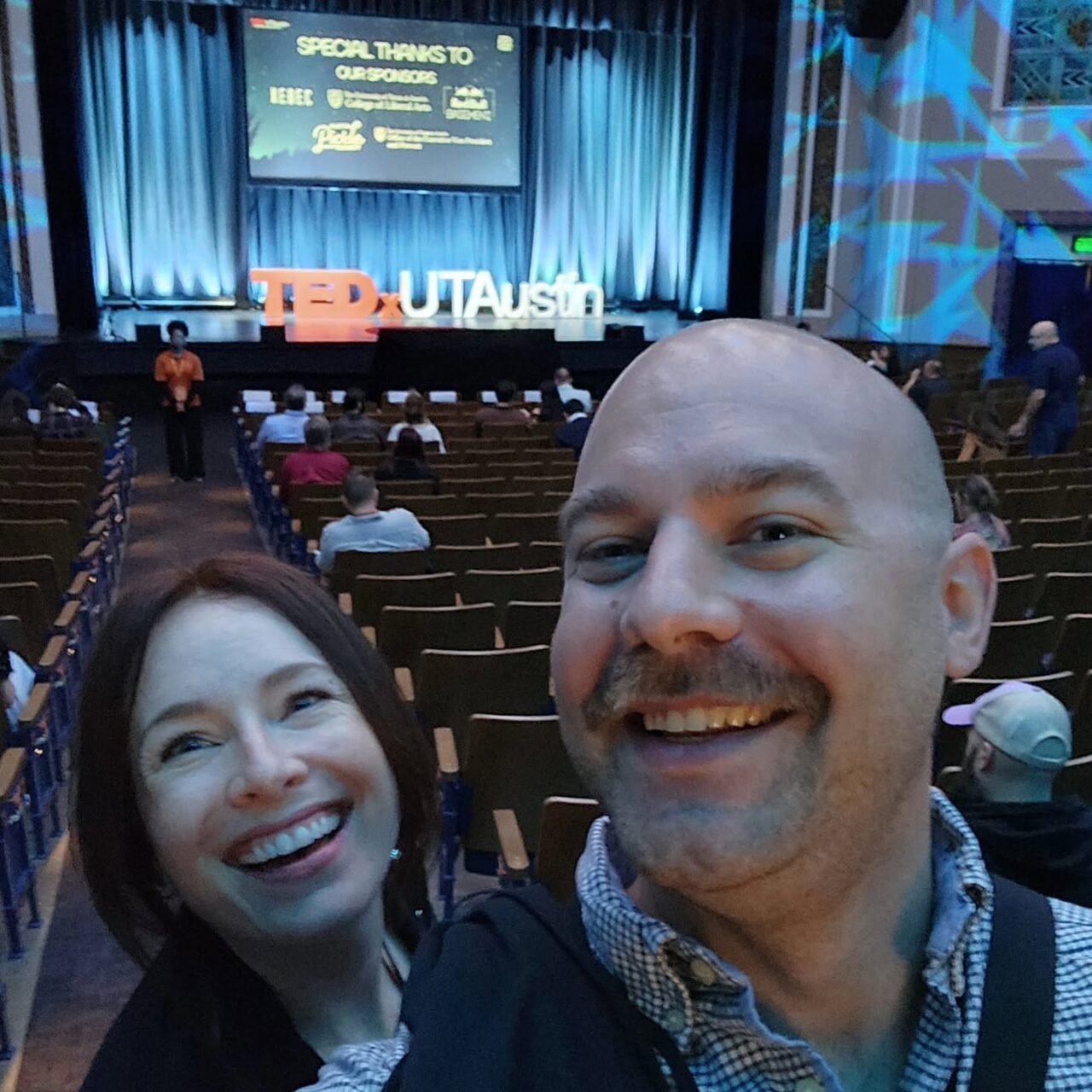
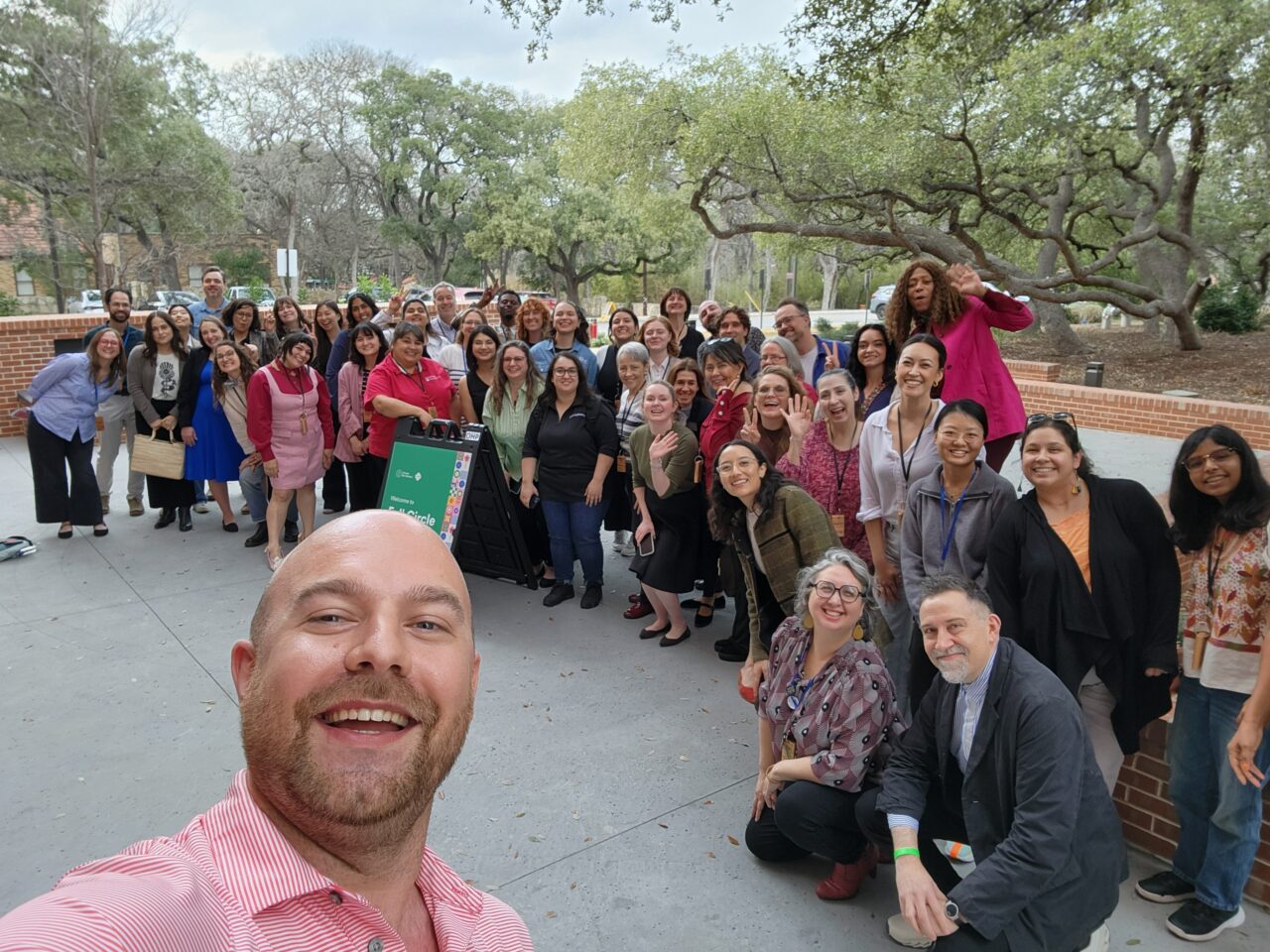
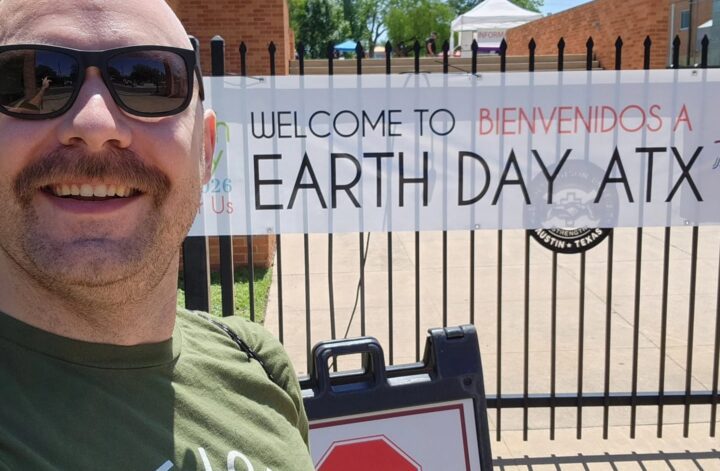
Across April and into early May, I attended sustainability mixers, climate conversations, circular-economy events, and the Earth Day ATX Festival. Each gathering had its own focus, but together they showed how broad and active Austin’s environmental community has become.

The month was not defined by one major moment. It was built through dozens of smaller conversations, introductions, lessons, and reminders that meaningful work is happening throughout the city.

A Month of Different Perspectives

Earth Month gave me opportunities to learn about sustainability from several angles, including:

  • Clean energy and responsible development
  • Climate technology and circularity
  • Sports and large-event sustainability
  • Recycling, reuse, and waste reduction
  • Community engagement and environmental education
  • Professional networking and collaboration

That range was one of the most valuable aspects of the experience.

Sustainability is not one profession, department, or issue. It involves infrastructure, communications, technology, business, policy, education, design, and everyday behavior.

Continue Reading

Beyond Recycling: My Journey Through the Circular Economy

The circular economy has become a recurring theme throughout my career, even before I always had the language to describe it.

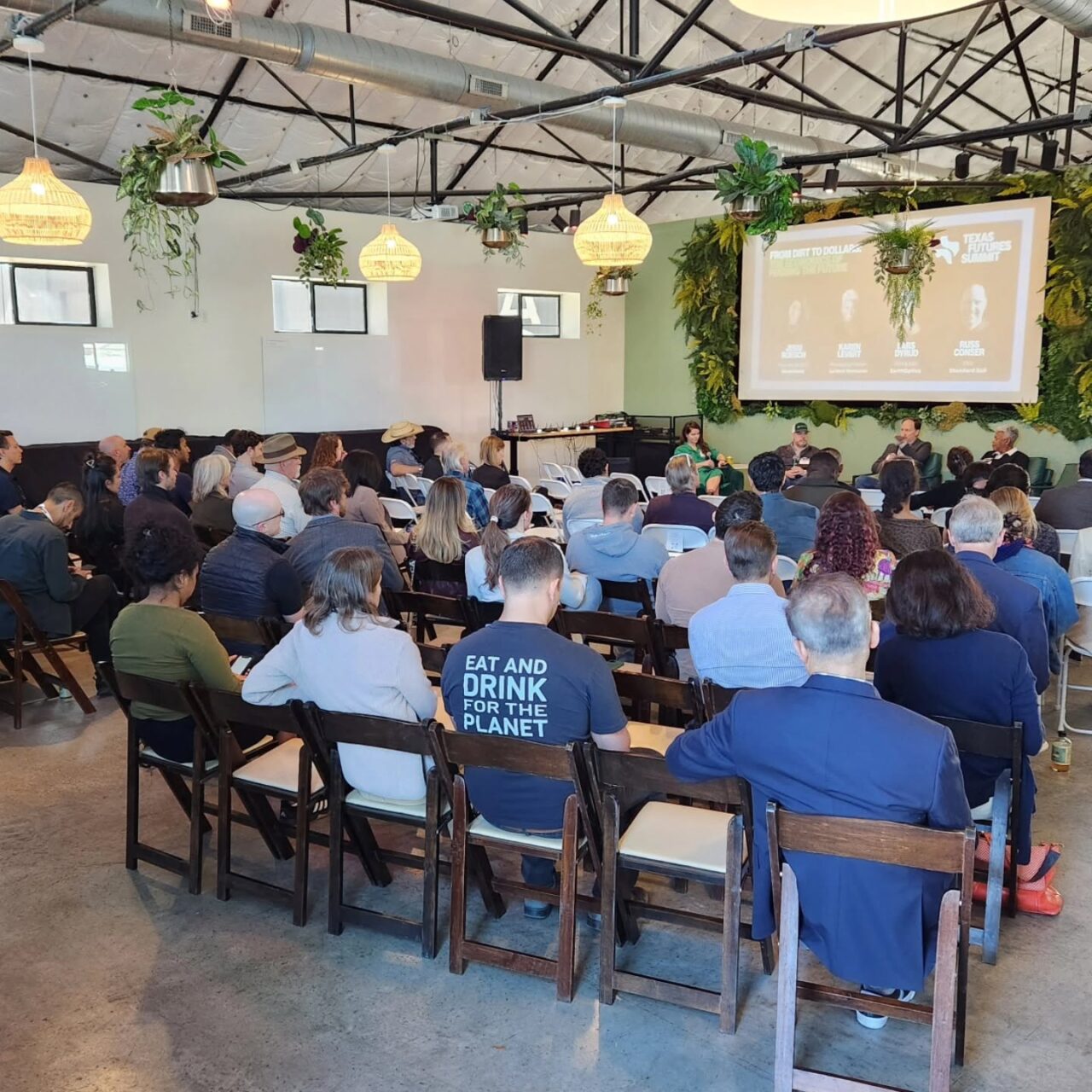
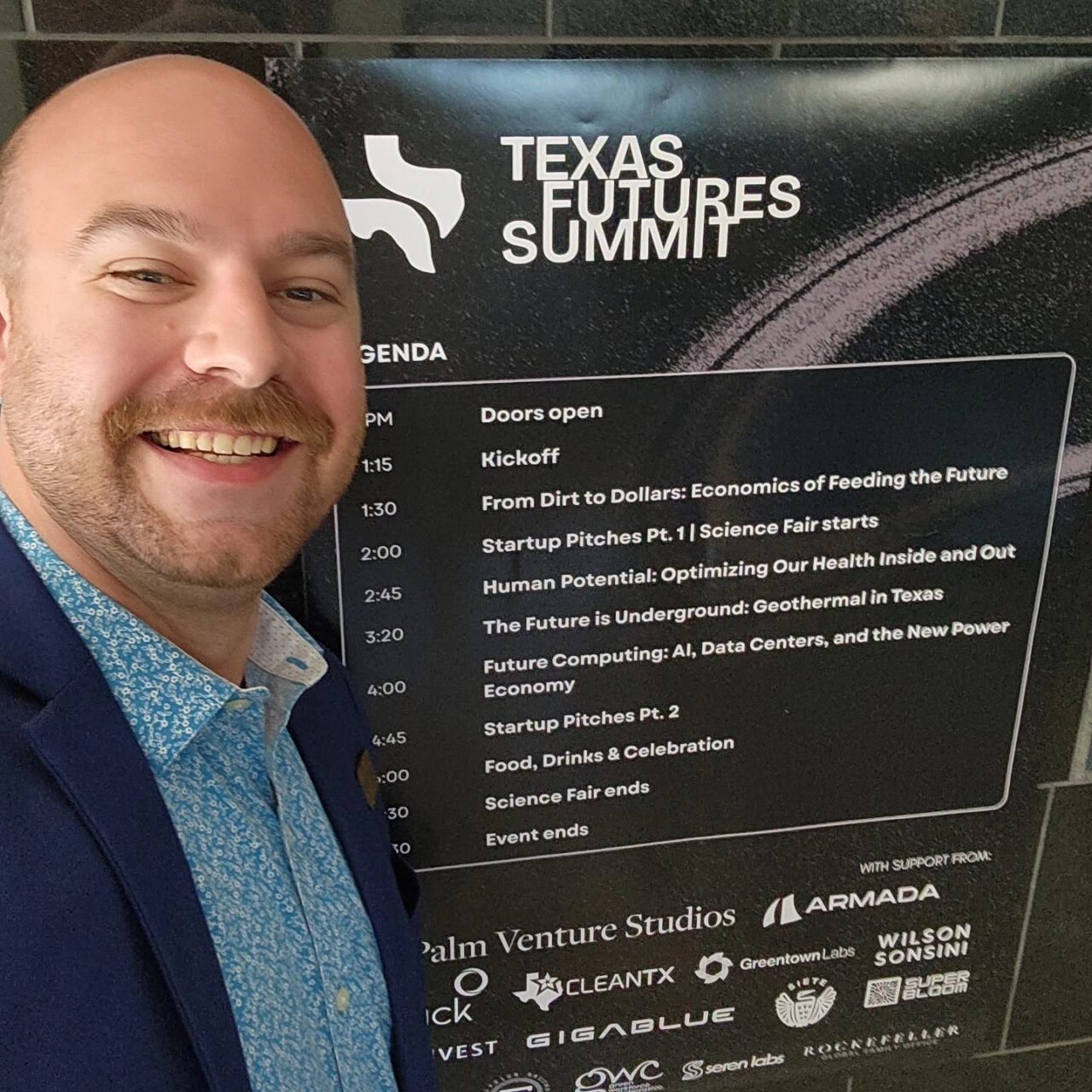
At Climate Tech Innovators hosted by Texas Futures Coalition during Austin Climate Week, the conversation focused on circularity: reducing waste, keeping materials in use longer, and creating economic value without relying on constant disposal.

The event featured perspectives connected to the City of Austin, Upstream, and re:3D. It was especially meaningful to see re:3D represented because I had followed the organization’s work for years.

Circularity Is Bigger Than Recycling

Recycling is one part of a circular economy, but it is not the entire system. A stronger circular model asks how we can:

  • Design products that last longer
  • Repair items instead of replacing them
  • Reuse materials before recycling them
  • Recover valuable resources from waste
  • Reduce unnecessary packaging
  • Build businesses around sharing, resale, and refurbishment
  • Keep materials circulating within the economy
Continue Reading

How Sports Can Make Sustainability Mainstream

Sports have a unique ability to reach people who may never attend a climate conference, sustainability panel, or environmental workshop.

That idea stood out during Sports x Sustainability Sips, an Earth Week event exploring how teams, venues, cities, athletes, and fans can help move sustainability forward.

The discussion showed that sports are not separate from environmental issues. Large events affect transportation, waste, energy use, food systems, water, and local infrastructure. That also means they can become powerful opportunities to model better practices.

Sustainability at Major Sporting Events

One major topic was how Houston is preparing for the FIFA World Cup (a project we won at Design Workshop) and incorporating citywide sustainability efforts into that planning.

Large sporting events create major logistical challenges, including:

  • Increased traffic and transportation demand
  • Large amounts of food and packaging waste
  • Higher energy and water use
  • Temporary infrastructure needs
  • Increased pressure on local services

Planning for sustainability early can help cities reduce those impacts instead of trying to solve them after the event begins.

Composting, recycling, public transportation, reusable materials, and smarter venue operations can all contribute to a better experience for residents and visitors.

Continue Reading

Beyond Business Cards: Creating Real Connections in Sustainability

Some of the most valuable sustainability work begins with a simple conversation.

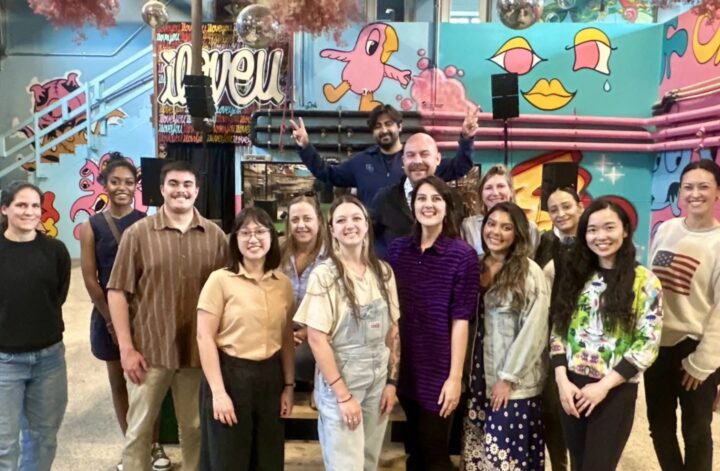
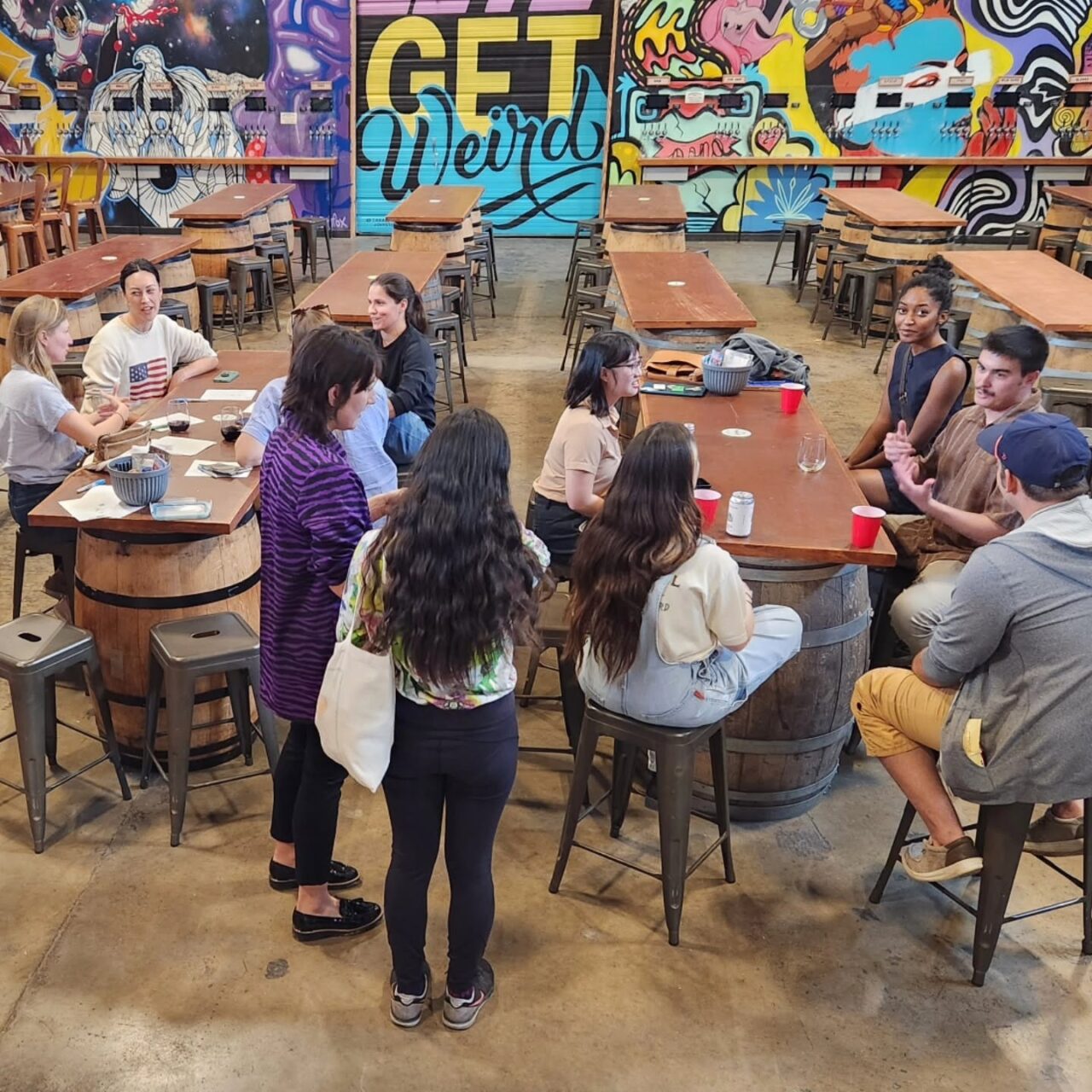
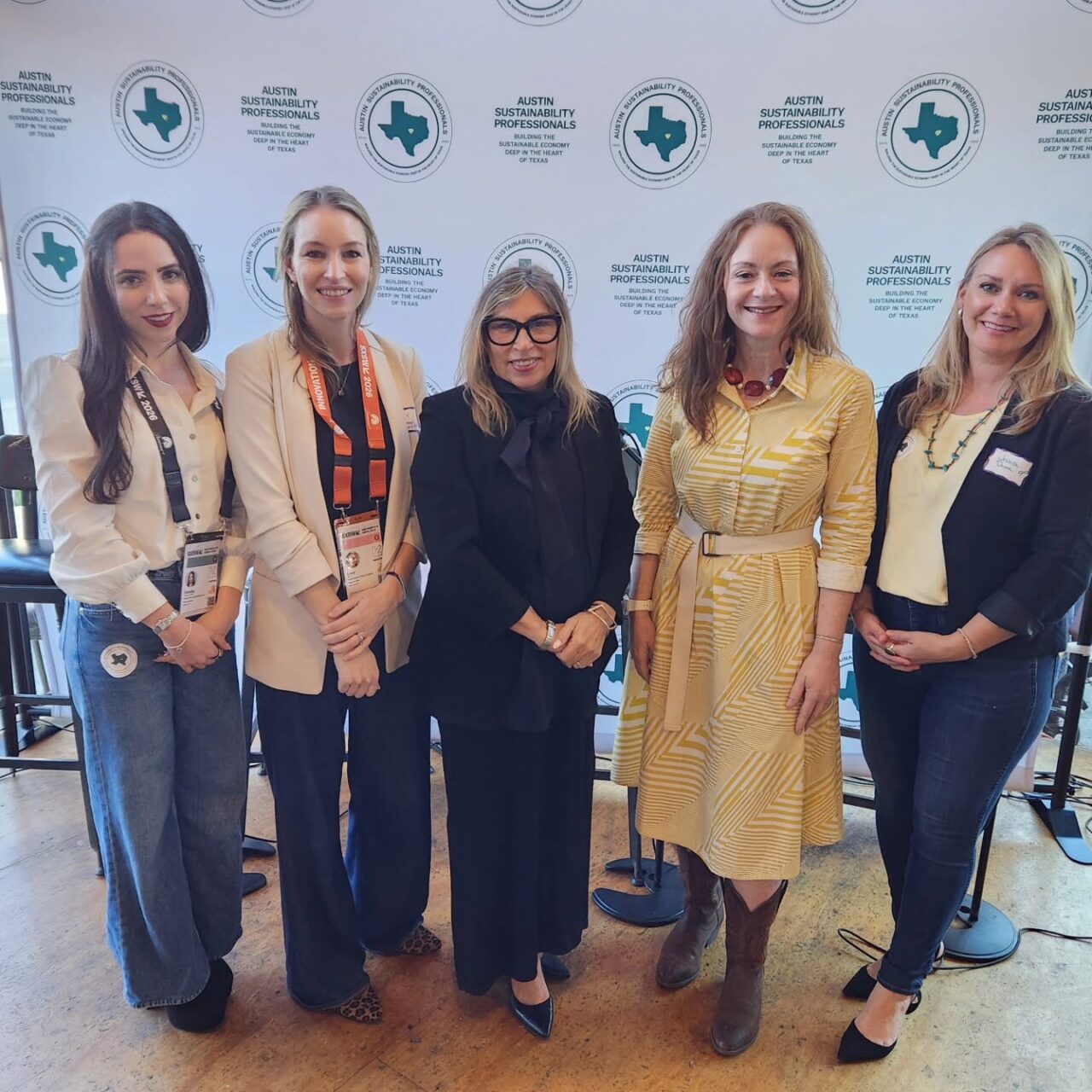
During Austin Earth Month, I attended several networking events that brought together people working in climate action, conservation, clean energy, circularity, and community engagement. Each event had a different format, but they shared the same purpose: helping people find one another.

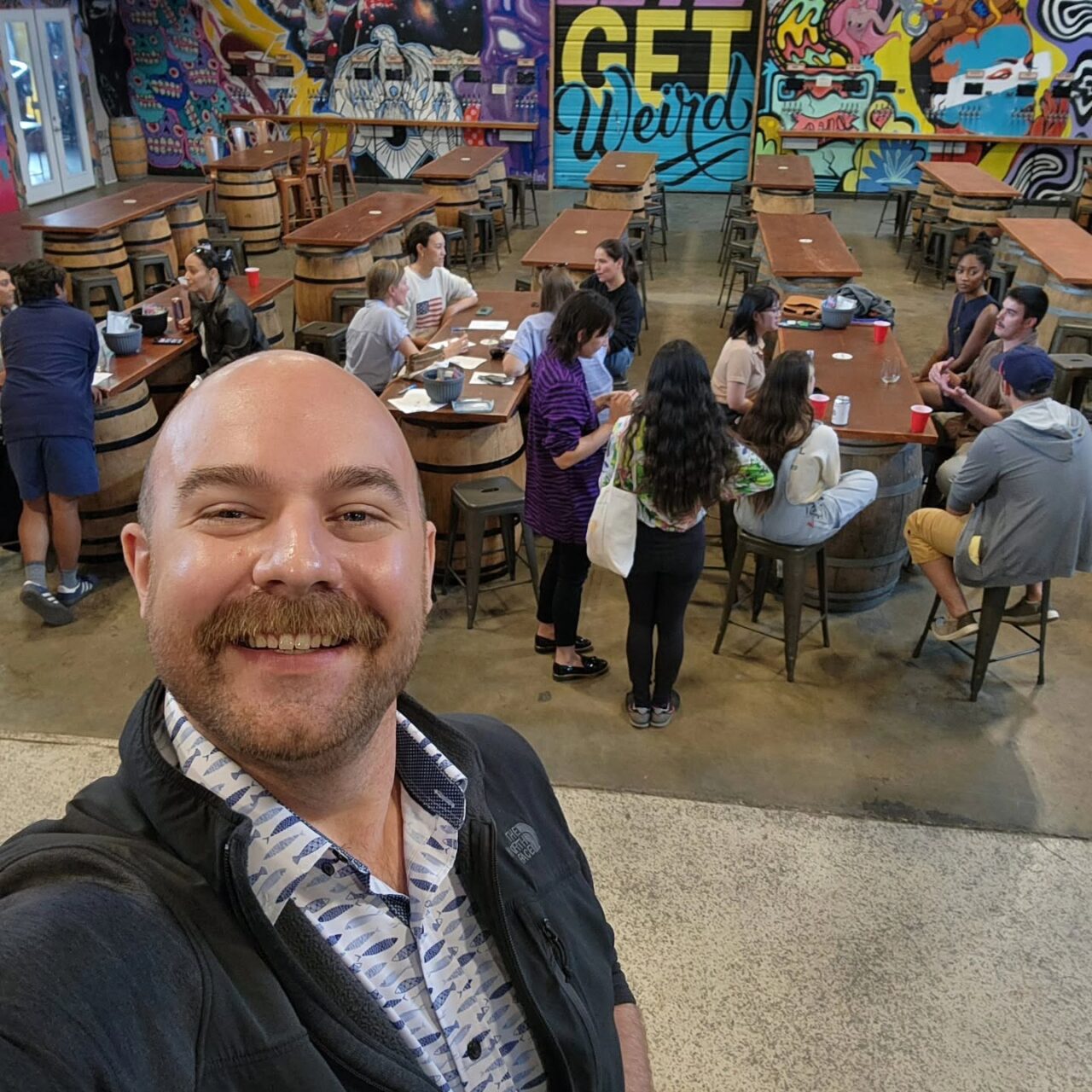
Uncork & Connect

The first event was Uncork & Connect at Wanderlust Wine Co., hosted by Joon Community during Austin Climate Week.

The relaxed environment made it easier for people to move beyond job titles and talk about:

  • Sustainability projects happening around Austin
  • Climate solutions and emerging ideas
  • Career paths in environmental work
  • Local organizations and volunteer opportunities
  • Ways to collaborate across different professional communities

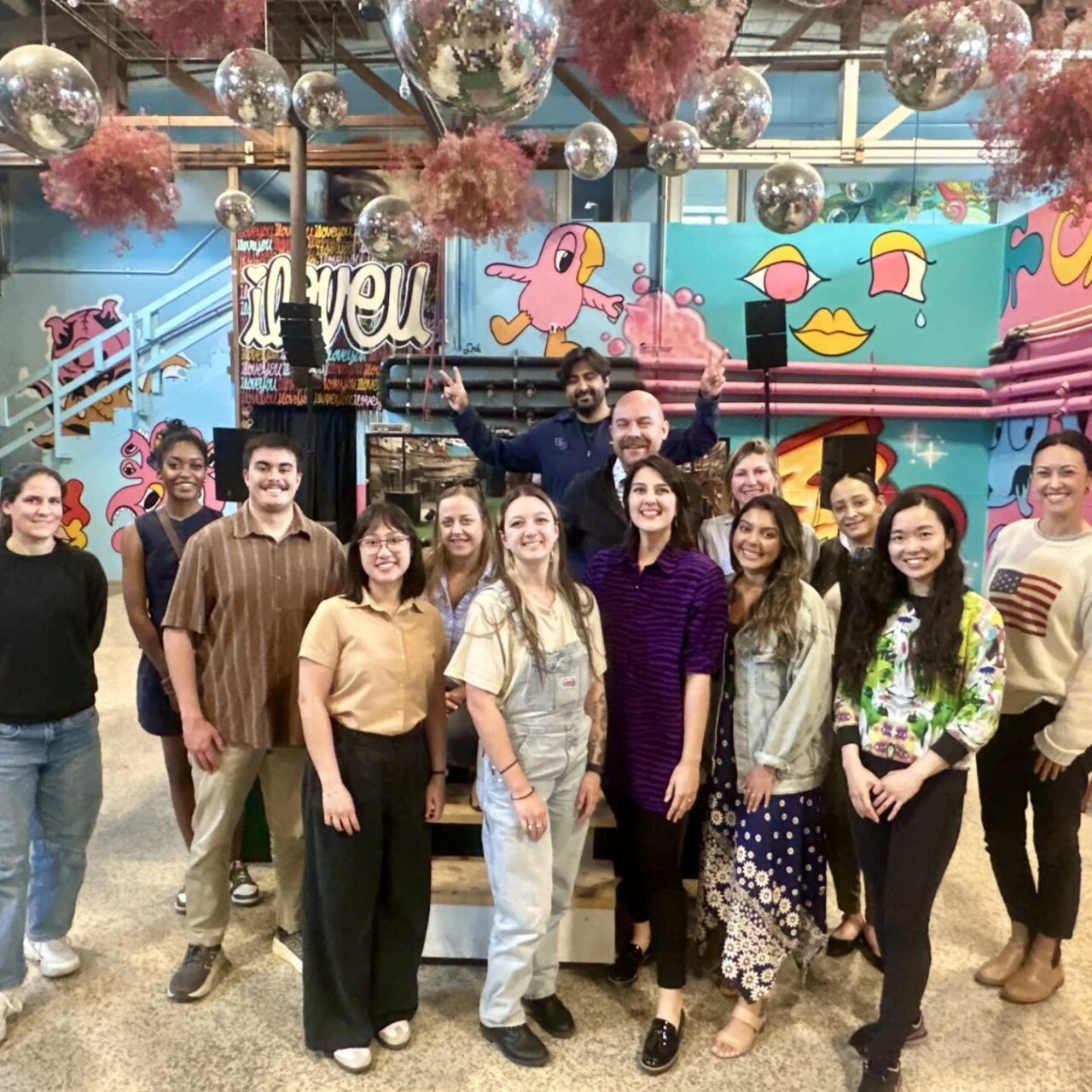
I invited people from several green groups and sustainability communities I participate in. One of the best parts of the evening was watching people who had never met begin forming their own connections.

That is when networking becomes community-building.

Continue Reading

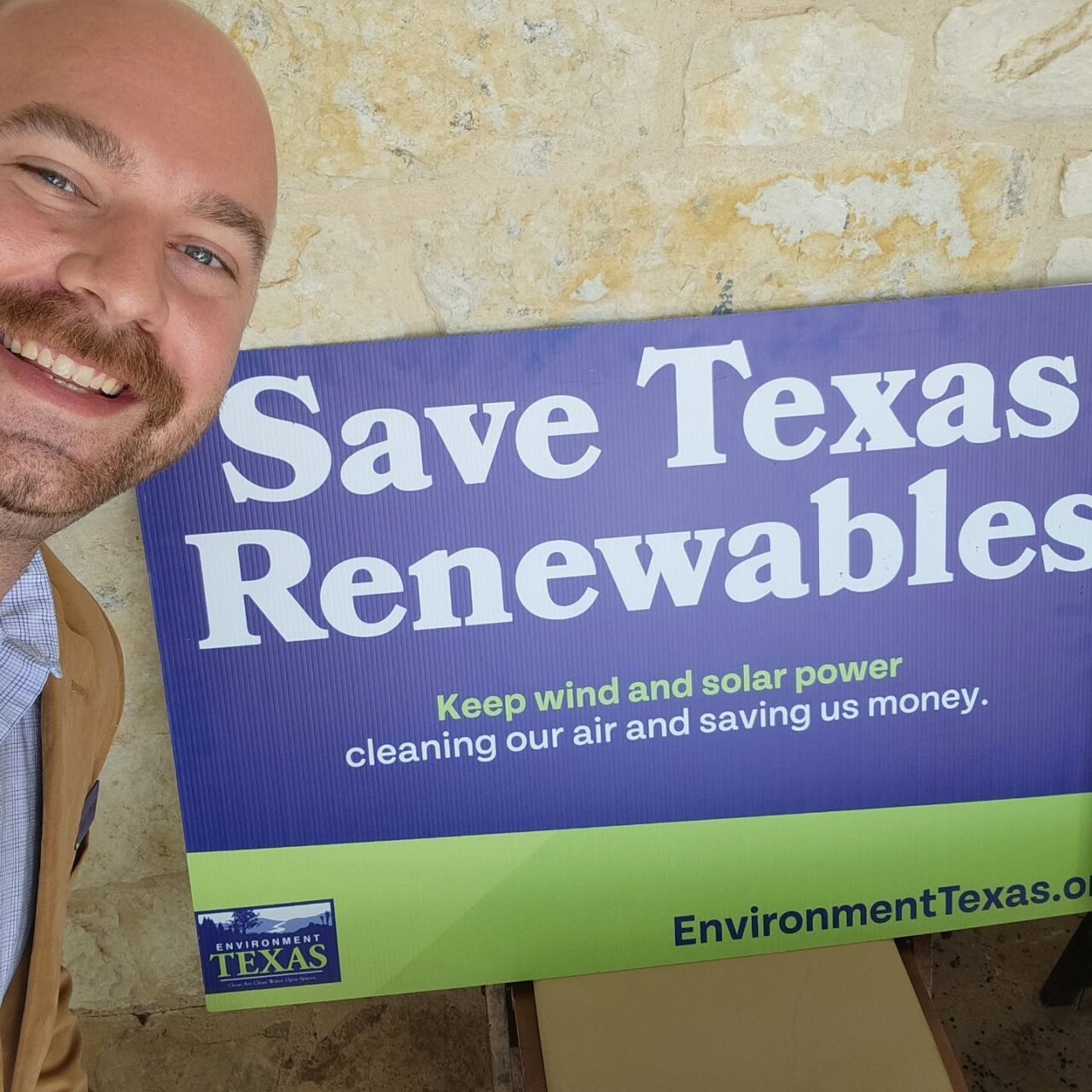
Designing a Texas Energy Future That Works with Nature

Texas needs more energy, but it also needs healthy waterways, productive agricultural land, wildlife habitat, and natural areas that can support communities for generations.

That balance was the focus of the 2026 Texas Nature and Clean Energy Summit at the Lady Bird Johnson Wildflower Center. The event brought together conservation leaders, clean-energy professionals, researchers, and policy experts to discuss how Texas can expand renewable energy without repeating past environmental harms.

The conversation went beyond simply saying clean energy is good. It focused on the harder question: How do we build it responsibly?

Where Energy Projects Go Matters

One of my biggest takeaways was that the location of an energy project can be just as important as the technology itself.

Wind, solar, and battery-storage projects can help meet growing energy needs, but they can still affect ecosystems and communities when they are not carefully planned.

Responsible siting means asking questions such as:

  • Is the project near a sensitive habitat or wildlife corridor?
  • Could construction affect rivers, prairies, wetlands, or farmland?
  • Are there already-disturbed sites that could be used instead?
  • How will nearby communities and landowners be affected?
  • What steps can reduce the project’s ecological footprint?

Asking those questions early can help avoid larger environmental and community conflicts later.

Continue Reading

Exploring Sustainability in Texas: Conferences, Ideas, and Community

A Season of Learning Across Texas

Between 2025 and early 2026, I spent months attending conferences, panel discussions, networking gatherings, volunteer events, and community meetups connected to sustainability and environmental innovation across Central Texas.

Some of these experiences were formal conferences with expert speakers and structured presentations. Others were smaller meetups or volunteer opportunities happening behind the scenes at community events. Each event focused on a different topic: water conservation, circular economy systems, electric mobility, soil ecosystems, climate innovation, and more.

Individually, they were interesting snapshots of specific sustainability challenges. But when viewed together, they formed something bigger: a cross-section of the people, organizations, and ideas shaping the sustainability ecosystem in Texas today.

What struck me most during this stretch of time was the diversity of the sustainability community. The people working on these issues include scientists, engineers, entrepreneurs, nonprofit leaders, policymakers, educators, activists, and volunteers. Each group approaches environmental challenges from a different perspective, yet they often share a common goal: building healthier and more resilient communities.

These experiences also reinforced something that is easy to forget when reading about environmental issues in the news: Sustainability is not just an abstract concept or policy debate. It is a network of real people doing real work in their communities every day.

Continue Reading