Sports have a unique ability to reach people who may never attend a climate conference, sustainability panel, or environmental workshop.
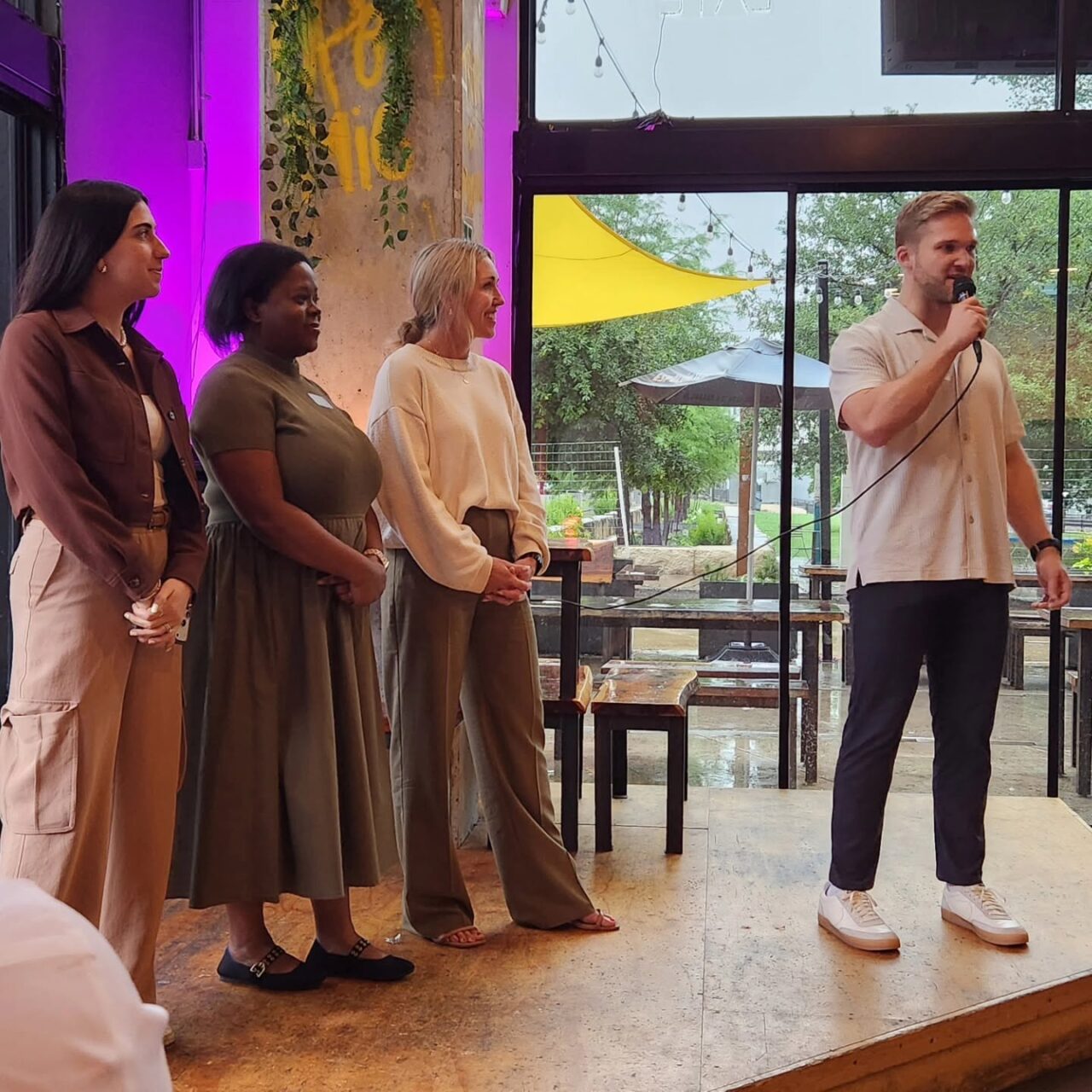
That idea stood out during Sports x Sustainability Sips, an Earth Week event exploring how teams, venues, cities, athletes, and fans can help move sustainability forward.
The discussion showed that sports are not separate from environmental issues. Large events affect transportation, waste, energy use, food systems, water, and local infrastructure. That also means they can become powerful opportunities to model better practices.
Sustainability at Major Sporting Events
One major topic was how Houston is preparing for the FIFA World Cup (a project we won at Design Workshop) and incorporating citywide sustainability efforts into that planning.
Large sporting events create major logistical challenges, including:
- Increased traffic and transportation demand
- Large amounts of food and packaging waste
- Higher energy and water use
- Temporary infrastructure needs
- Increased pressure on local services
Planning for sustainability early can help cities reduce those impacts instead of trying to solve them after the event begins.
Composting, recycling, public transportation, reusable materials, and smarter venue operations can all contribute to a better experience for residents and visitors.
Fans Are Part of the Solution
Teams and venues can improve their operations, but fans also play an important role. (See Austin FC Trash Goalie blog post)
Simple choices can become more meaningful when thousands of people make them at the same time:
- Taking public transportation or shared rides
- Using clearly marked recycling and composting stations
- Bringing or choosing reusable items
- Reducing unnecessary food and packaging waste
- Supporting teams and venues with stronger sustainability practices
Sports make these actions visible. When fans see sustainable behaviors built into the game-day experience, those behaviors can begin to feel normal rather than inconvenient.
Venues Can Lead by Example
Stadiums and arenas function like small cities. They manage crowds, transportation, food service, waste, utilities, safety, and communications all at once. That makes them useful testing grounds for sustainability strategies.
Venues can help by:
- Improving waste-sorting systems
- Reducing single-use materials
- Donating or recovering leftover food
- Installing efficient lighting and water systems
- Providing accessible transit information
- Training employees and vendors on sustainability goals
Clear communication is especially important. Even a well-designed recycling or composting program can fail when signs are confusing or fans do not know what belongs in each container.
Sustainability Also Includes People
The event also addressed the human side of sustainability, including fairness and compensation for college athletes.
That part of the conversation was an important reminder that sustainability is not only about environmental performance. It also involves whether systems are fair, healthy, and capable of supporting people over time.
A program cannot truly be sustainable if it depends on unequal treatment, poor working conditions, or communities carrying an unfair share of the burden.
Environmental, social, and economic issues are often connected, even when they are discussed separately.


Why Sports Matter
Sports can make sustainability feel less abstract.
Fans can see waste diversion happening in the concourse. They can use public transit to reach an event. They can watch athletes and teams promote environmental efforts. They can experience sustainability as part of something they already enjoy.
That visibility matters because sports can reach:
- Families
- Students
- Businesses
- Local governments
- Tourists
- Community organizations
- People from many different backgrounds
Few industries have the same ability to bring such large and varied audiences together.
Making Better Choices Part of the Game
The biggest lesson I took from the event was that sports can help move sustainability from a specialized topic into everyday culture.
When teams, venues, cities, and fans all participate, environmental action becomes part of the shared experience rather than an extra responsibility placed on individuals.
Sports alone will not solve major environmental challenges. However, they can demonstrate better systems, influence public behavior, and introduce sustainability to audiences that other programs may never reach.
That makes the sports world more than a platform for entertainment. It can also become a platform for change.


*Content was generated with AI based on my notes and direction, then edited and refined by me for accuracy.