Introduction: Exploring the Future of Circular Economy in Texas
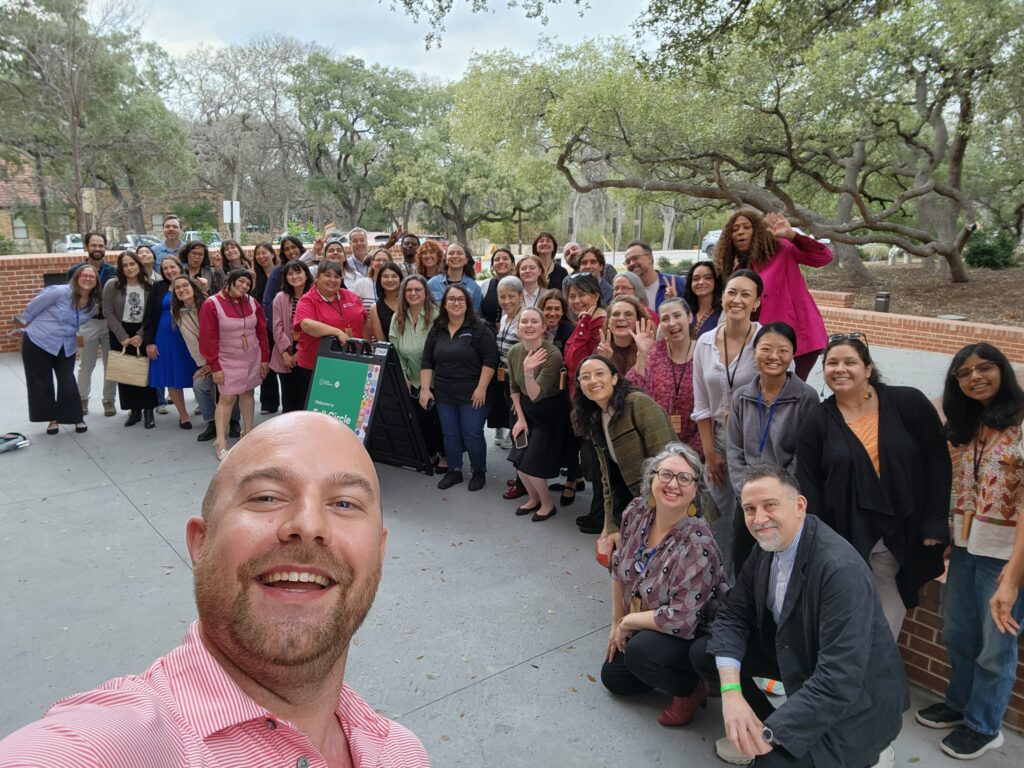
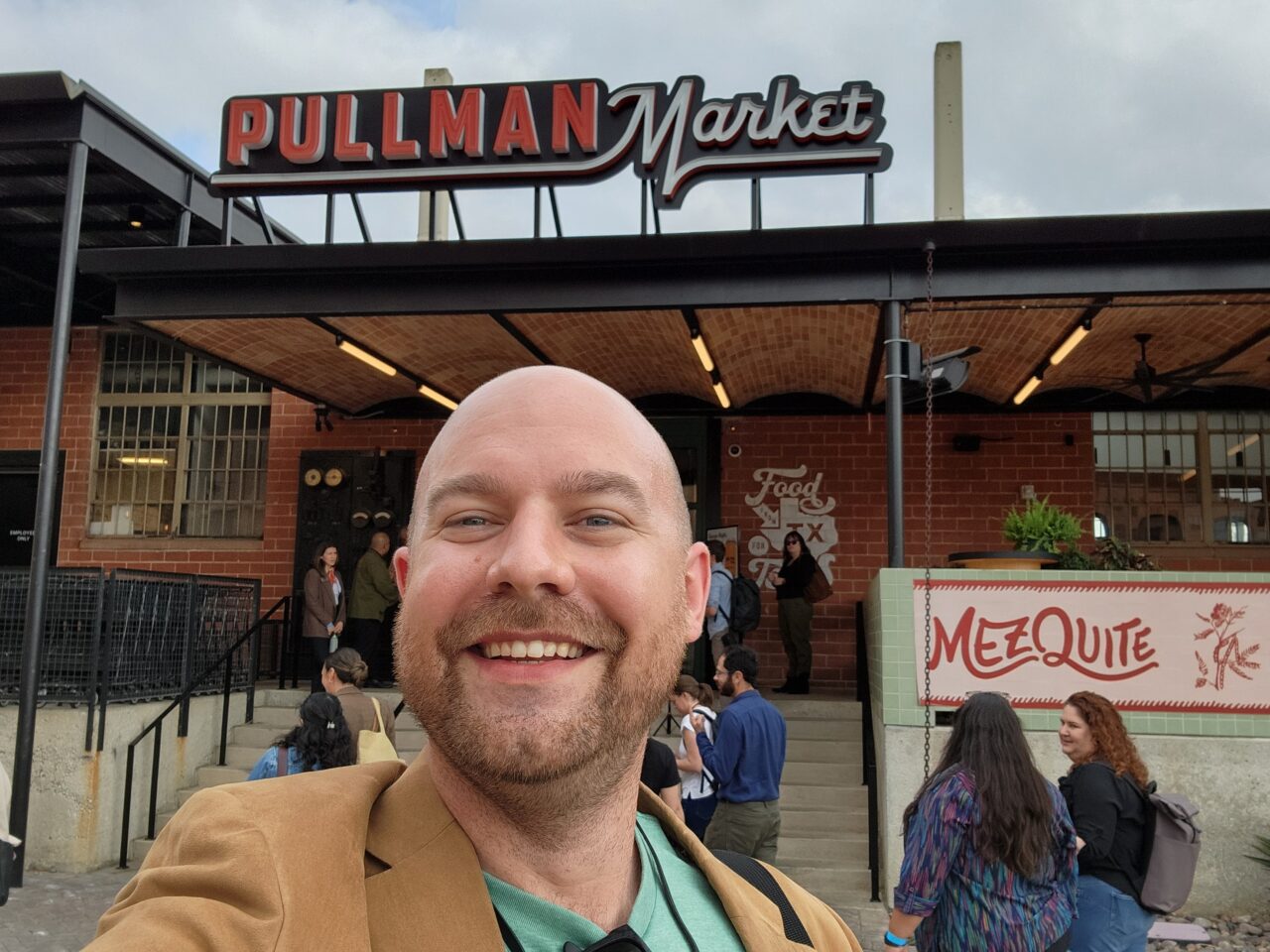
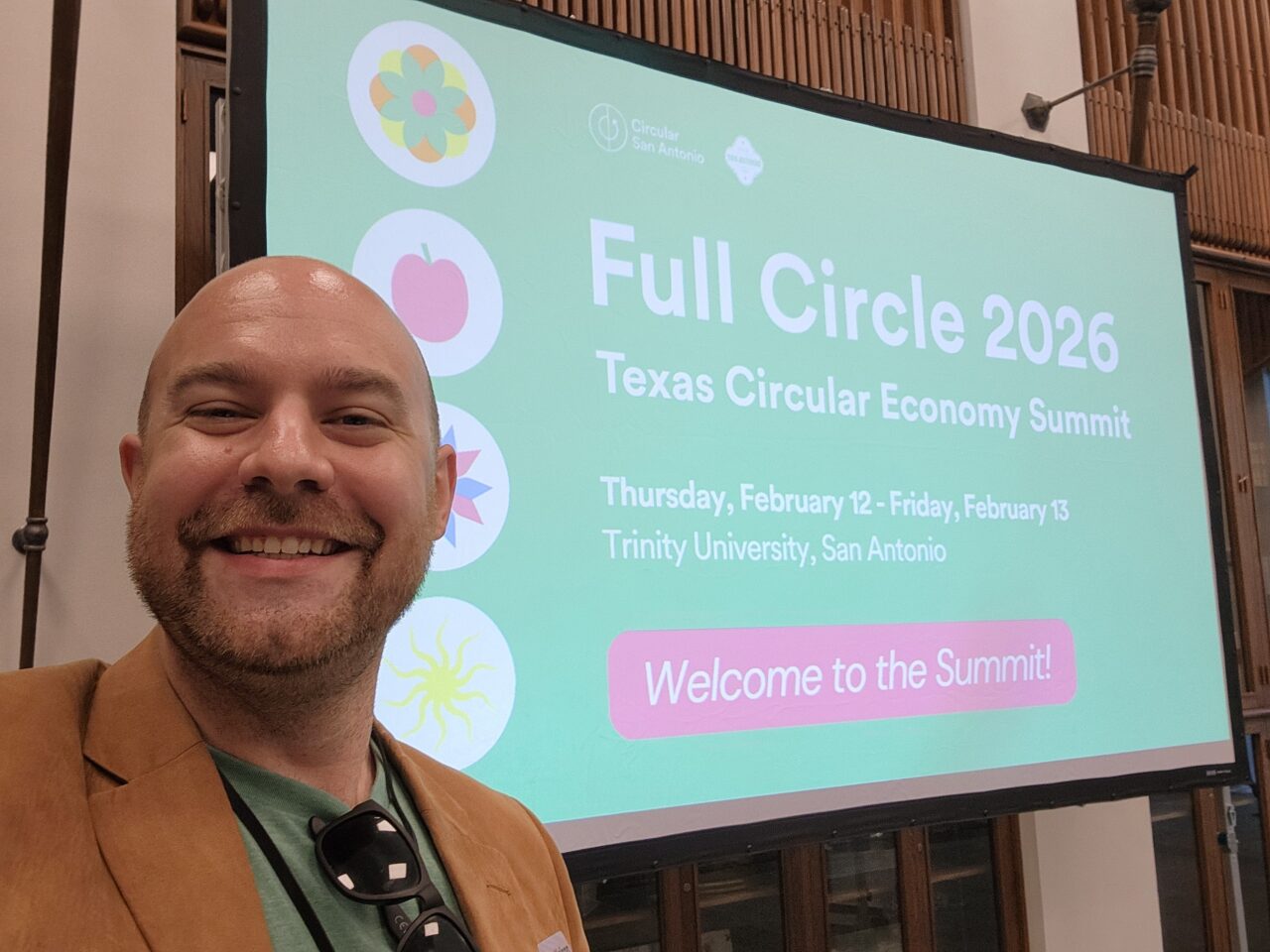
On February 14, 2026, I spent two days in San Antonio attending the Full Circle Summit hosted by Circular San Antonio, an event focused on advancing the circular economy through collaboration between innovators, policymakers, businesses, and community leaders.
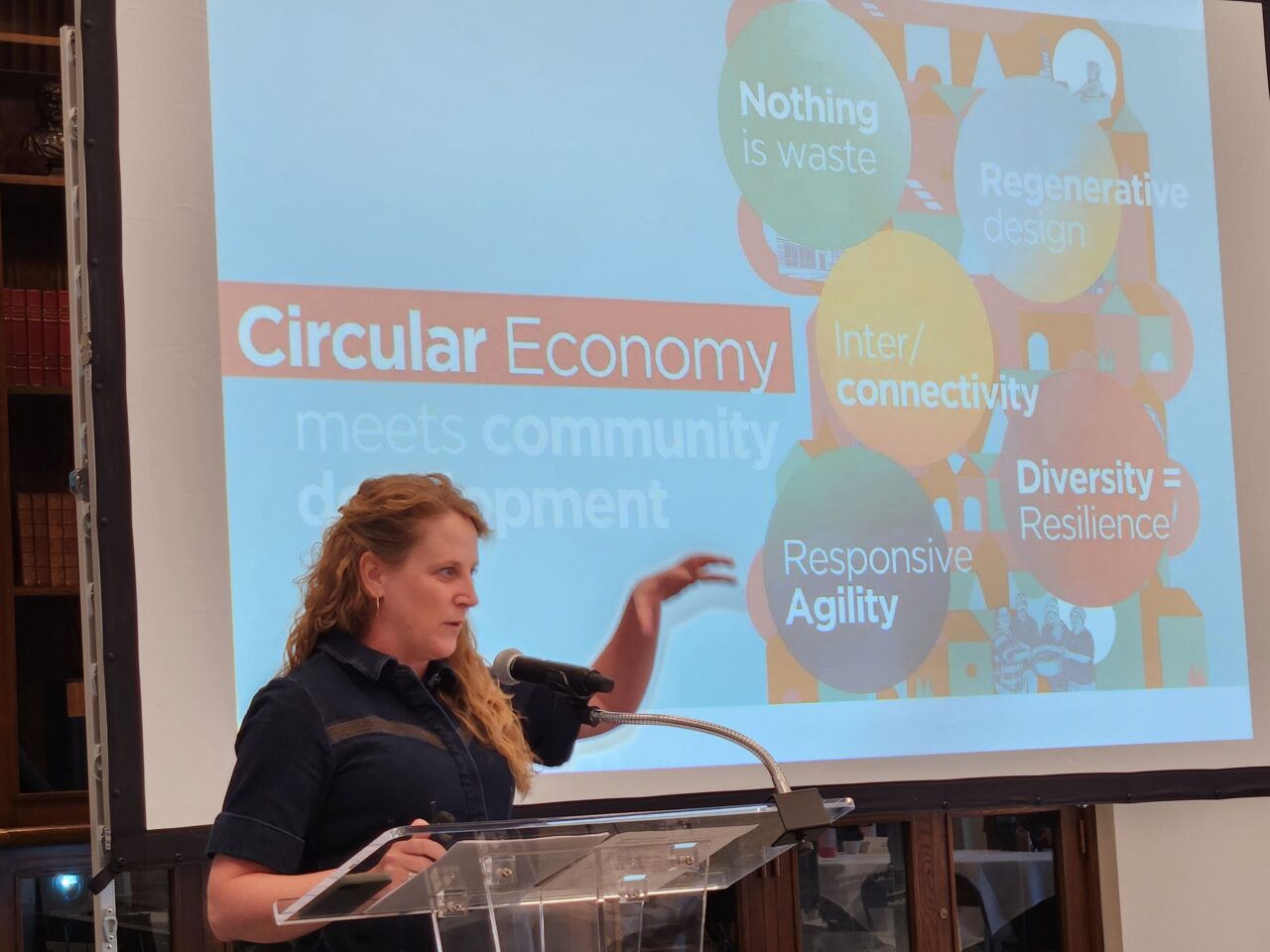
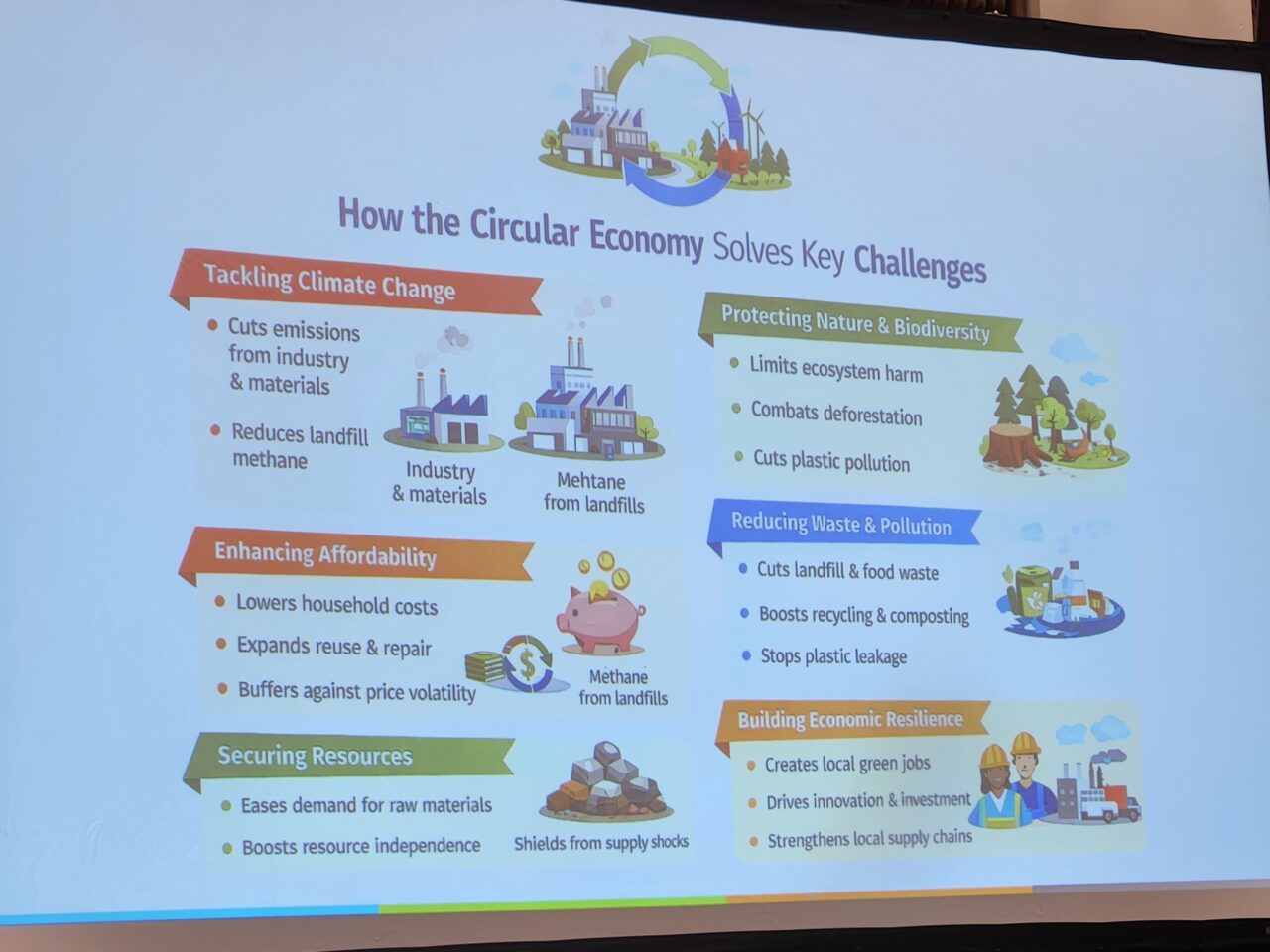
The concept of a circular economy is gaining traction around the world. Instead of the traditional “take, make, dispose” model, circular systems focus on keeping materials in use, reducing waste, and designing systems that regenerate resources rather than deplete them.
What made the summit particularly interesting was how it grounded these ideas in real projects happening across Texas. From adaptive reuse in the built environment to material recovery and new innovation hubs, the conversations emphasized practical strategies for building circular systems at the city and community level.
What I Experienced
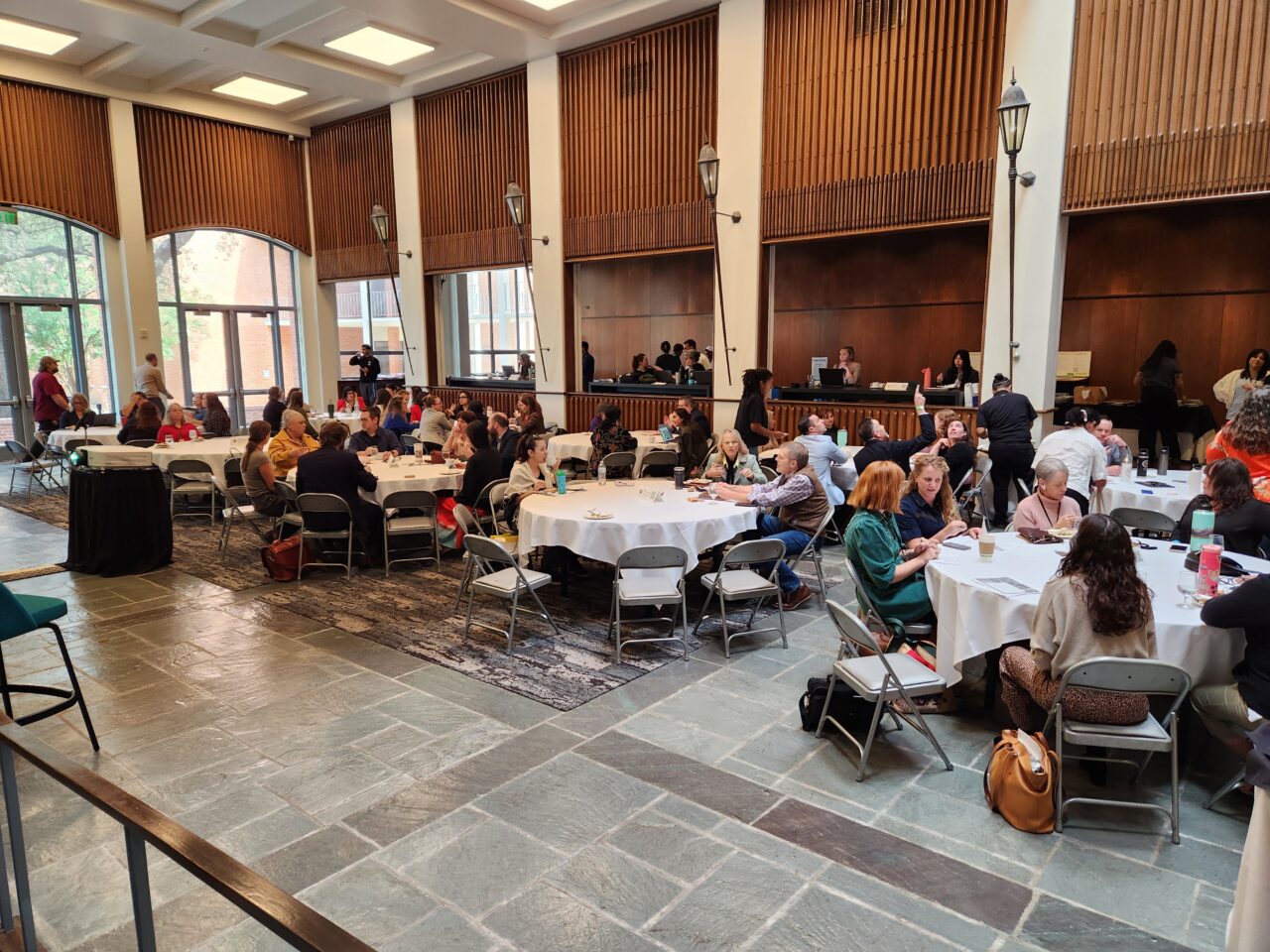
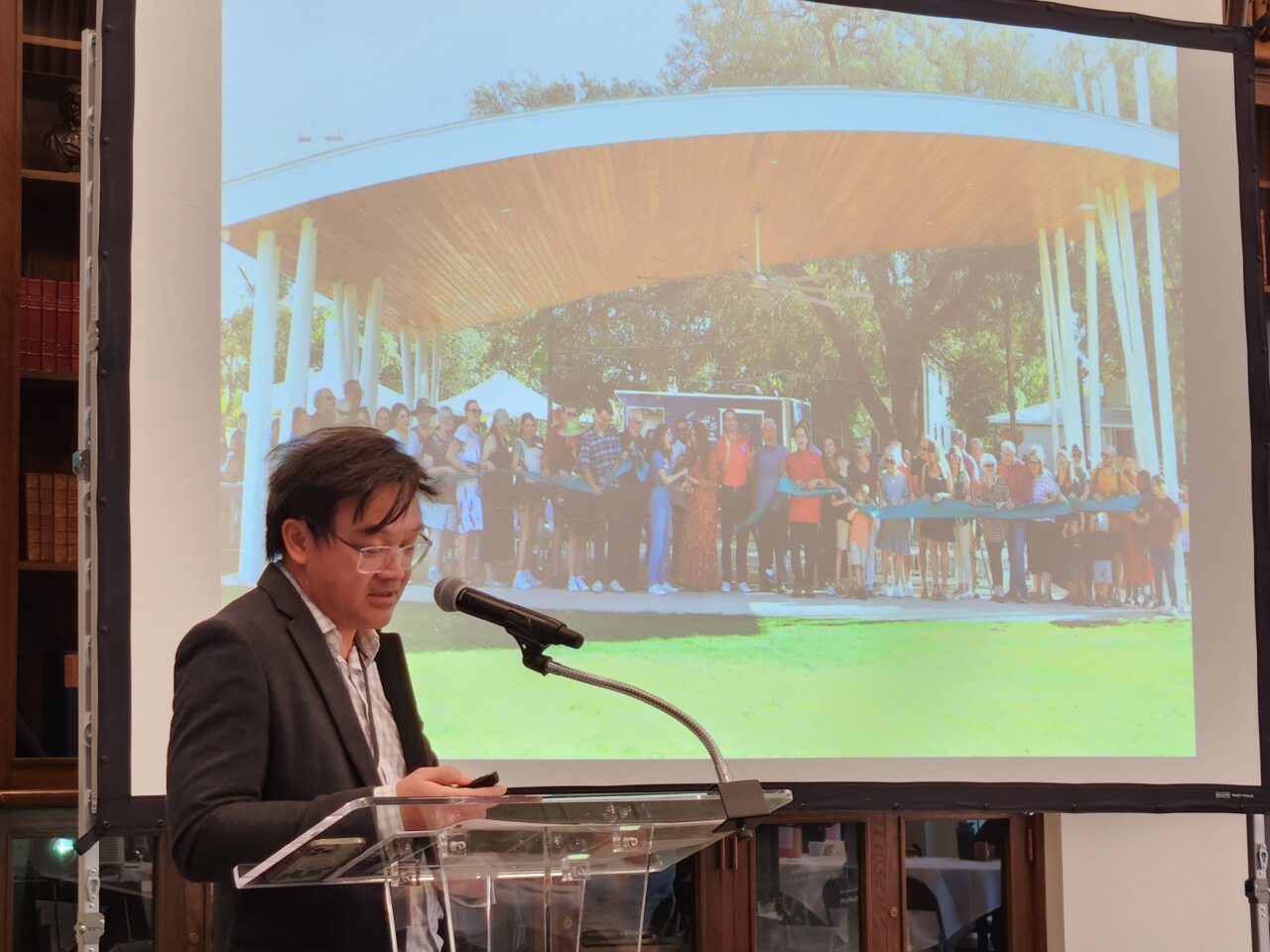
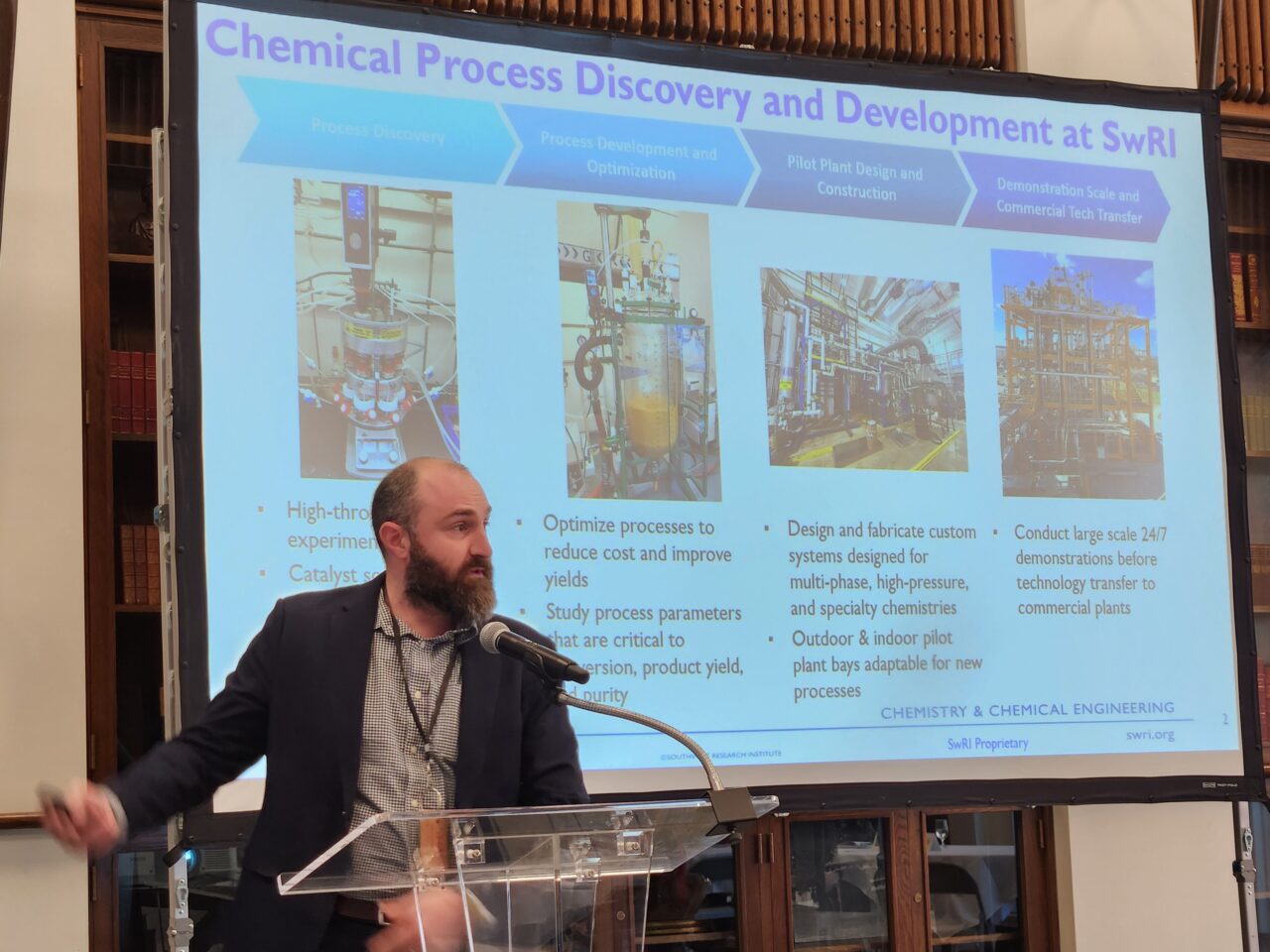
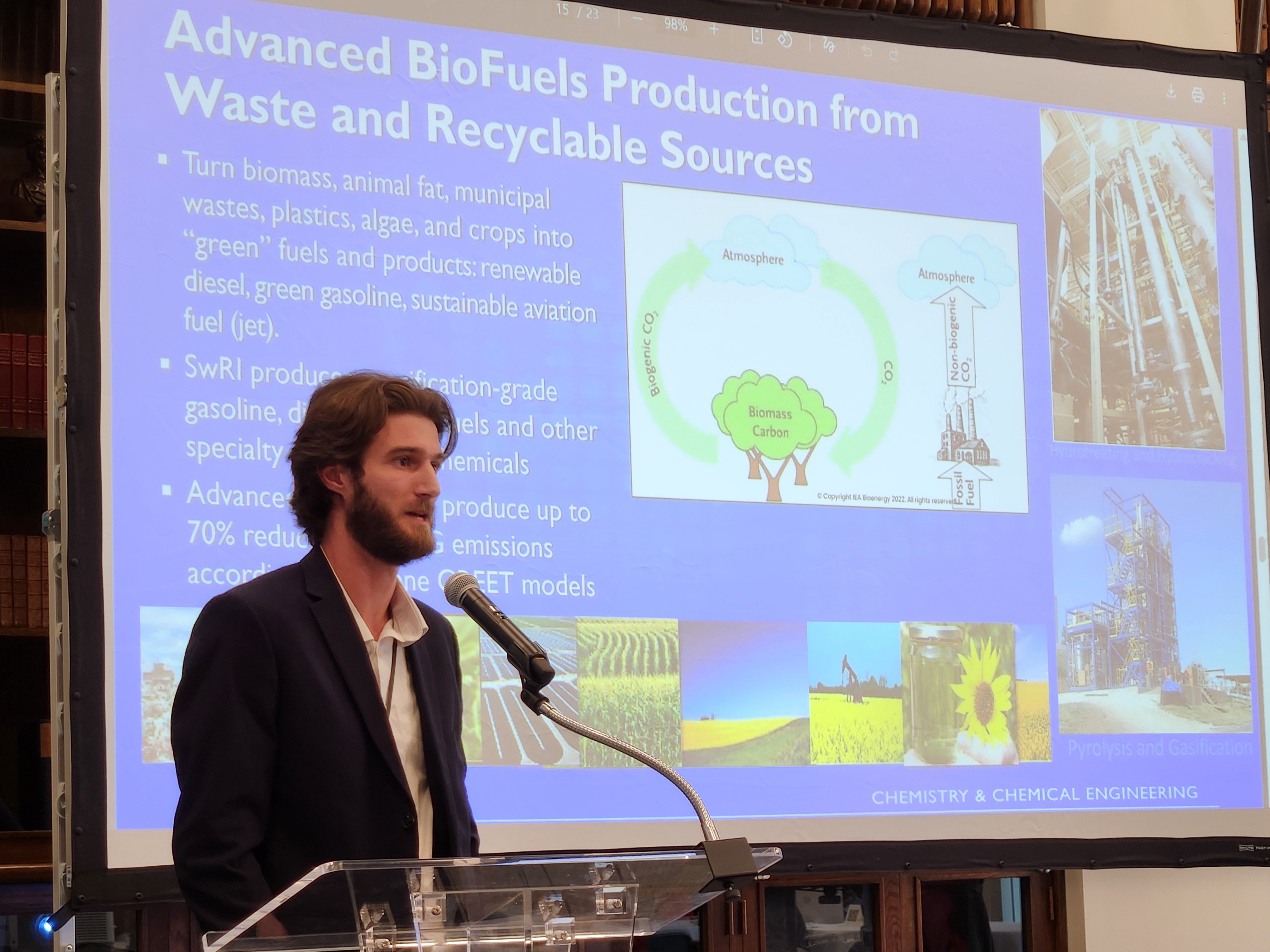
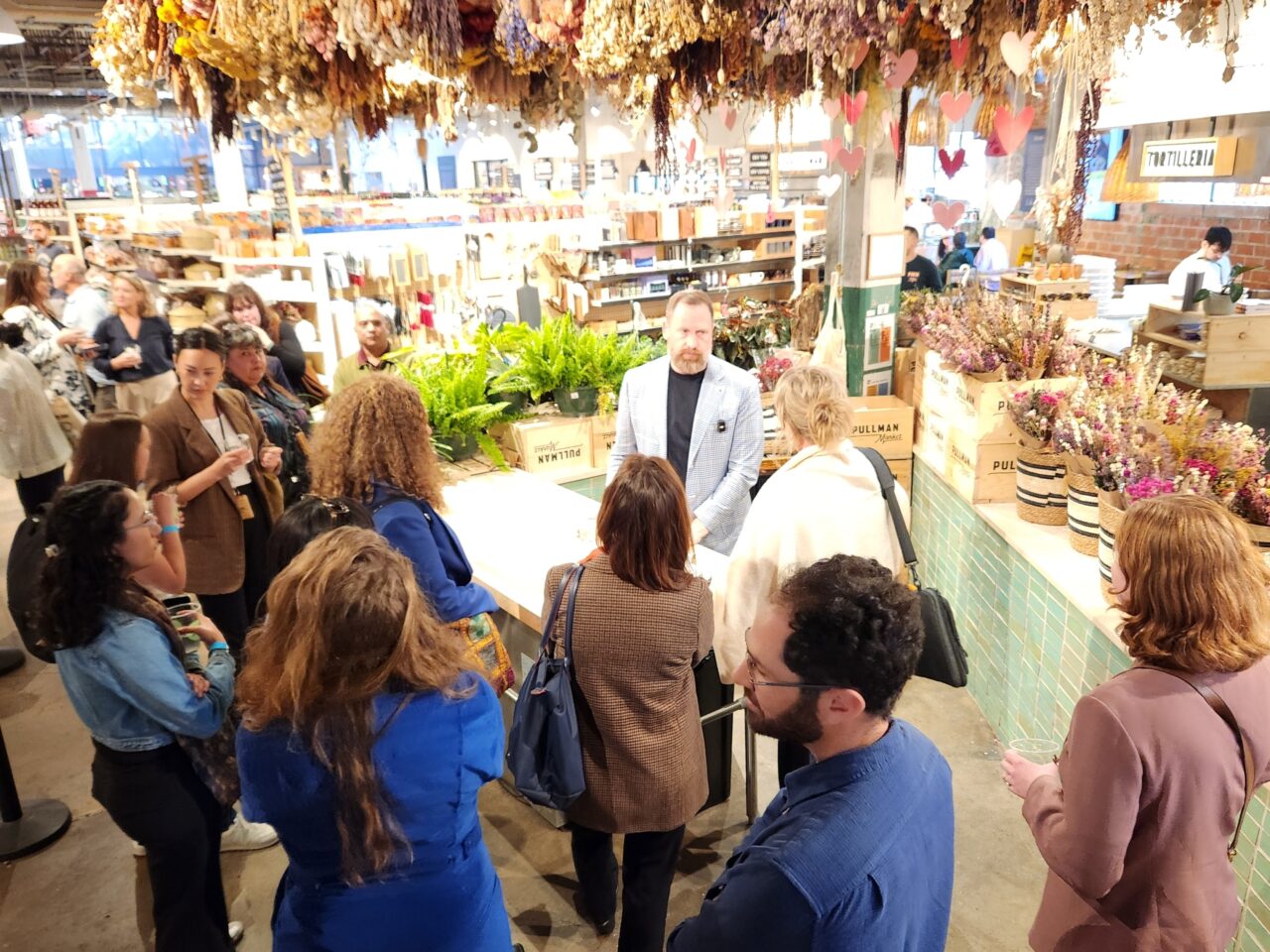
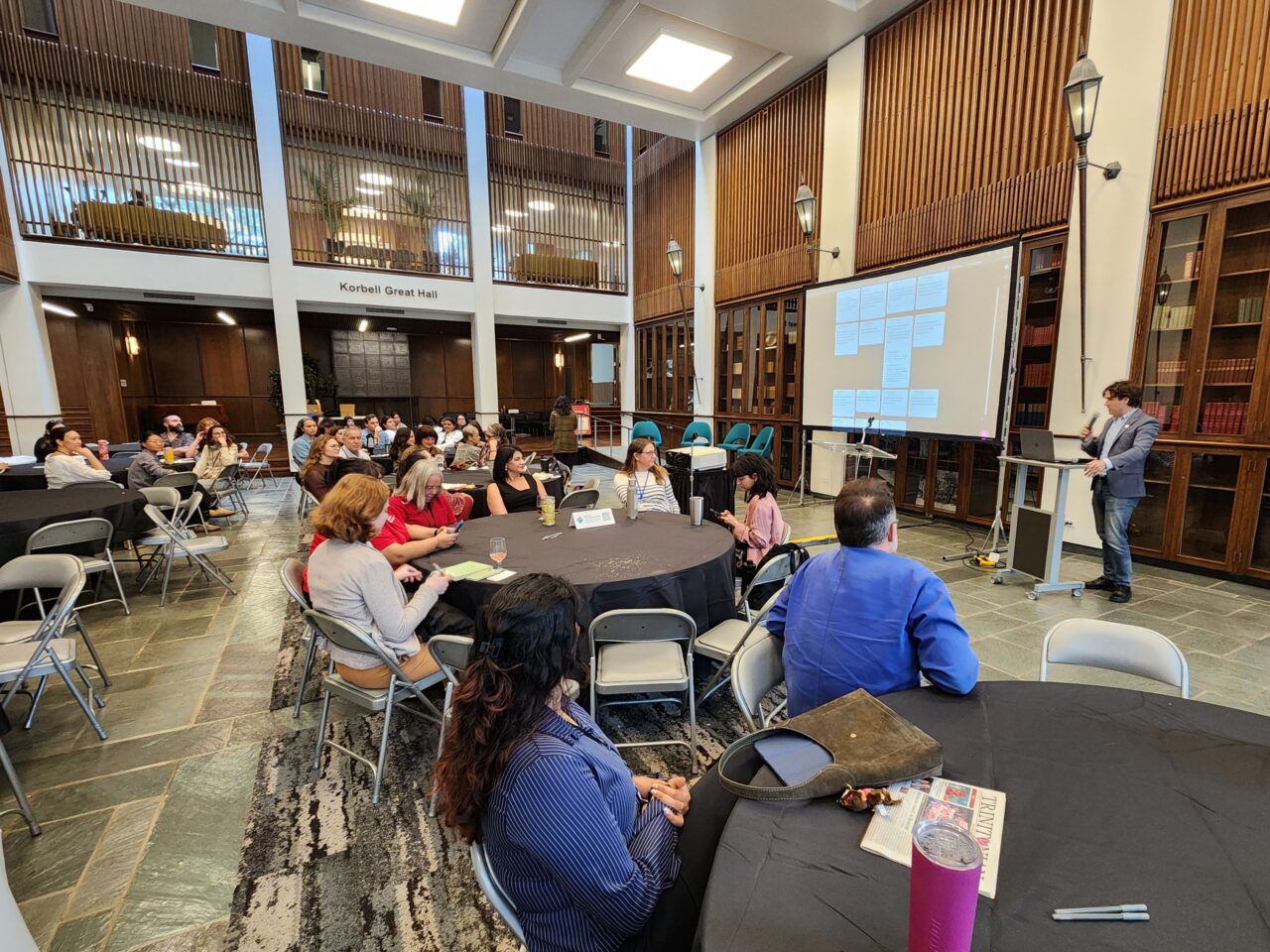
The Full Circle Summit brought together a diverse group of participants working across sustainability, urban planning, technology, architecture, and community development.
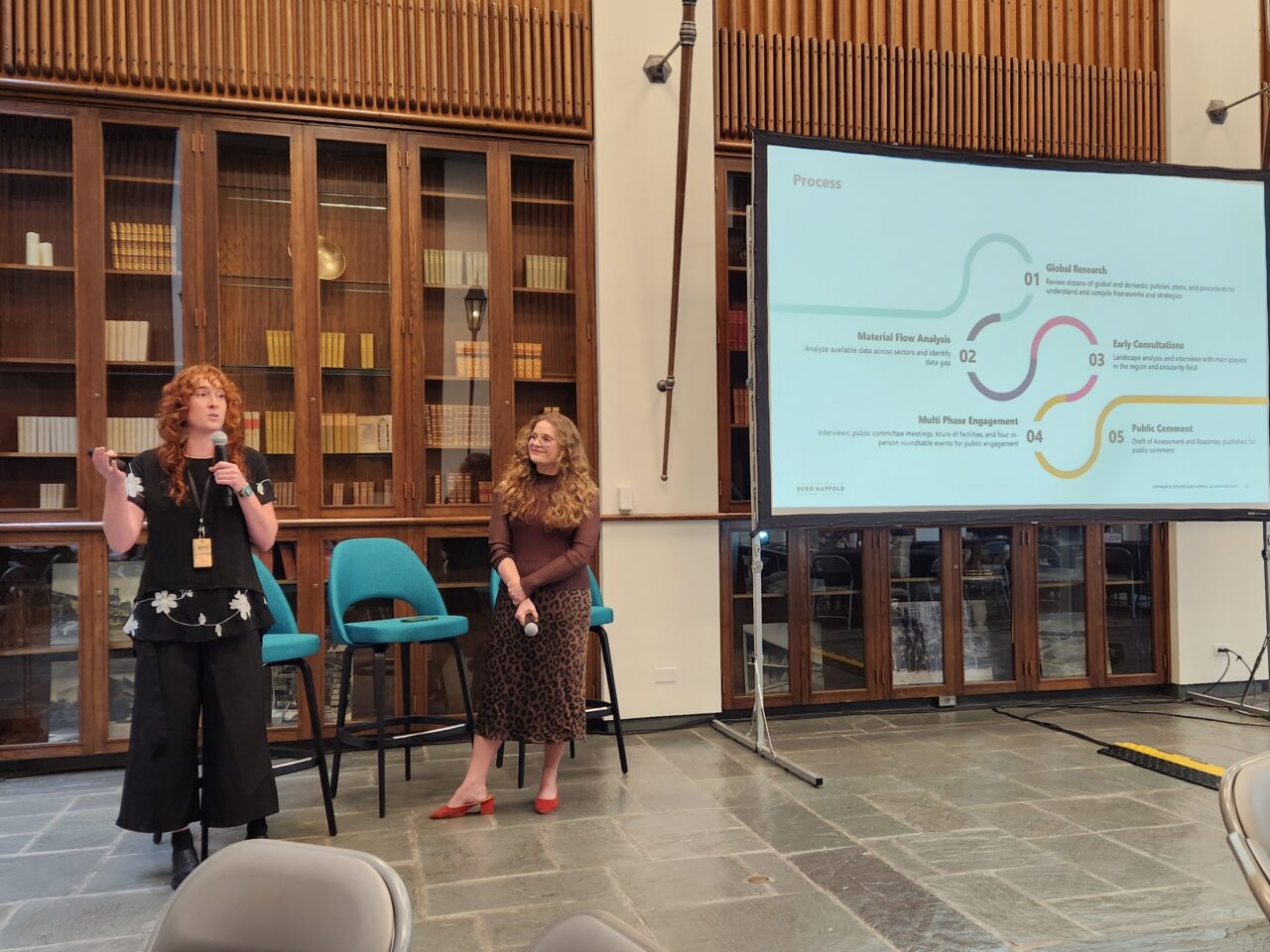
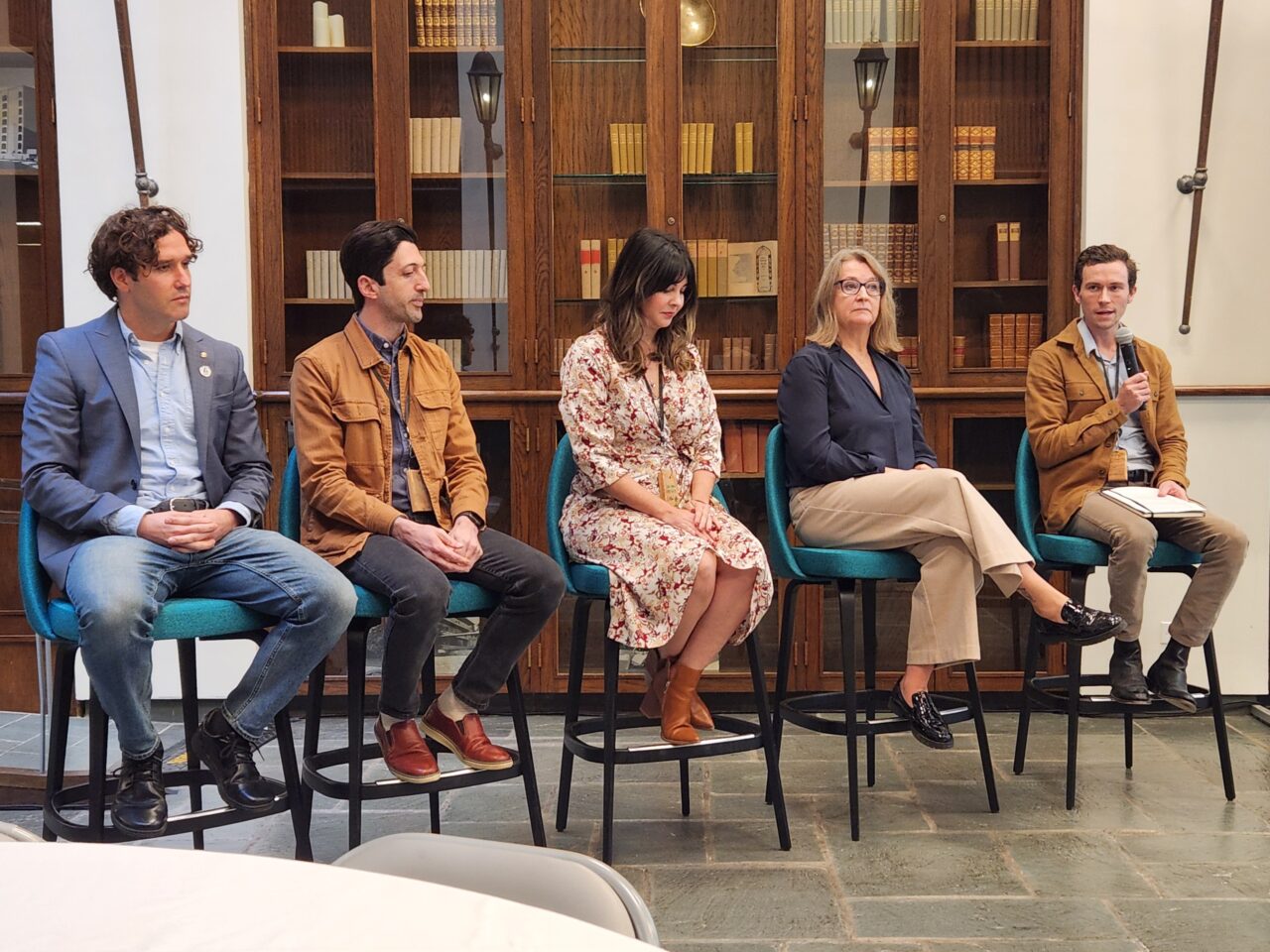
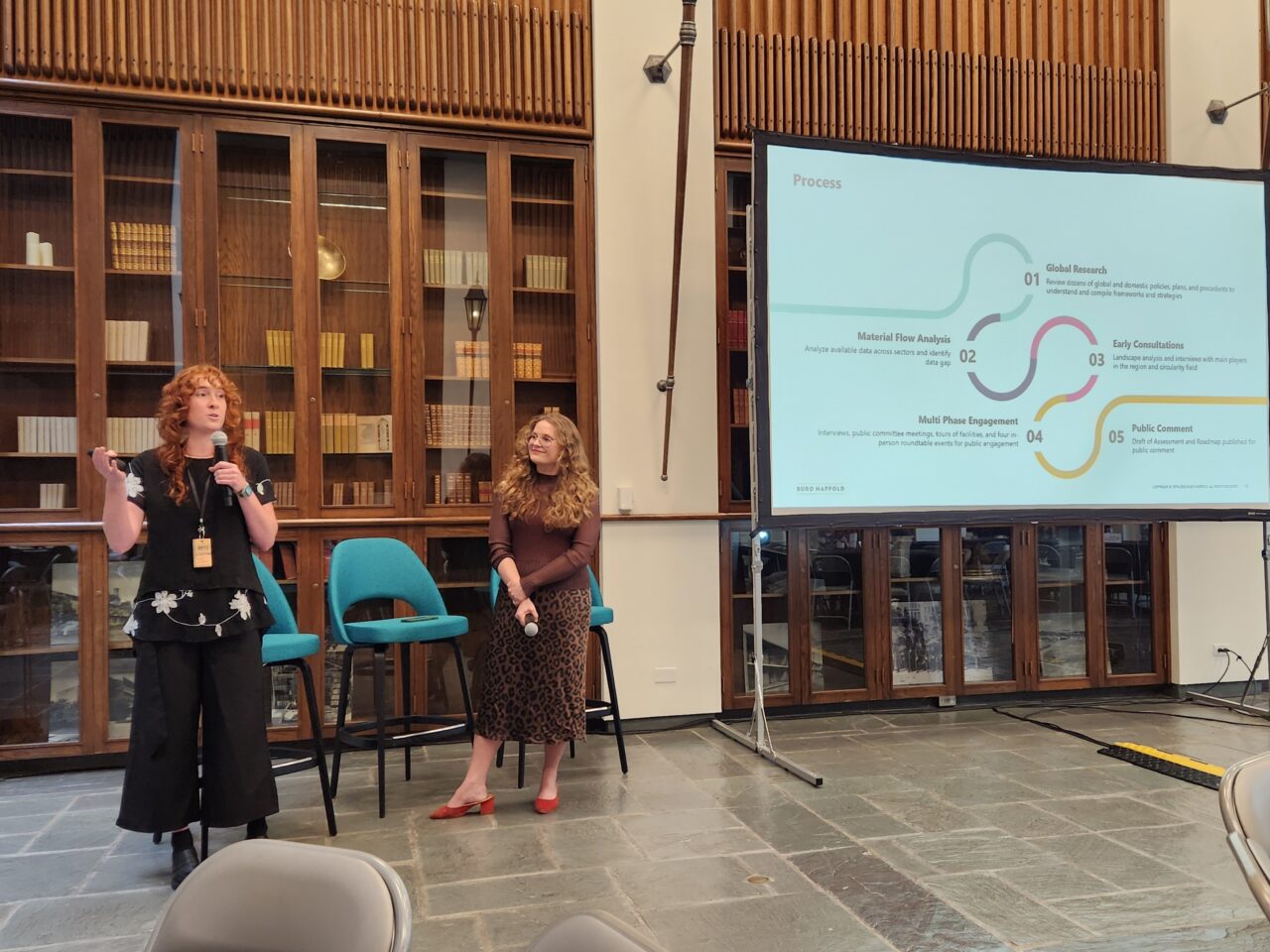
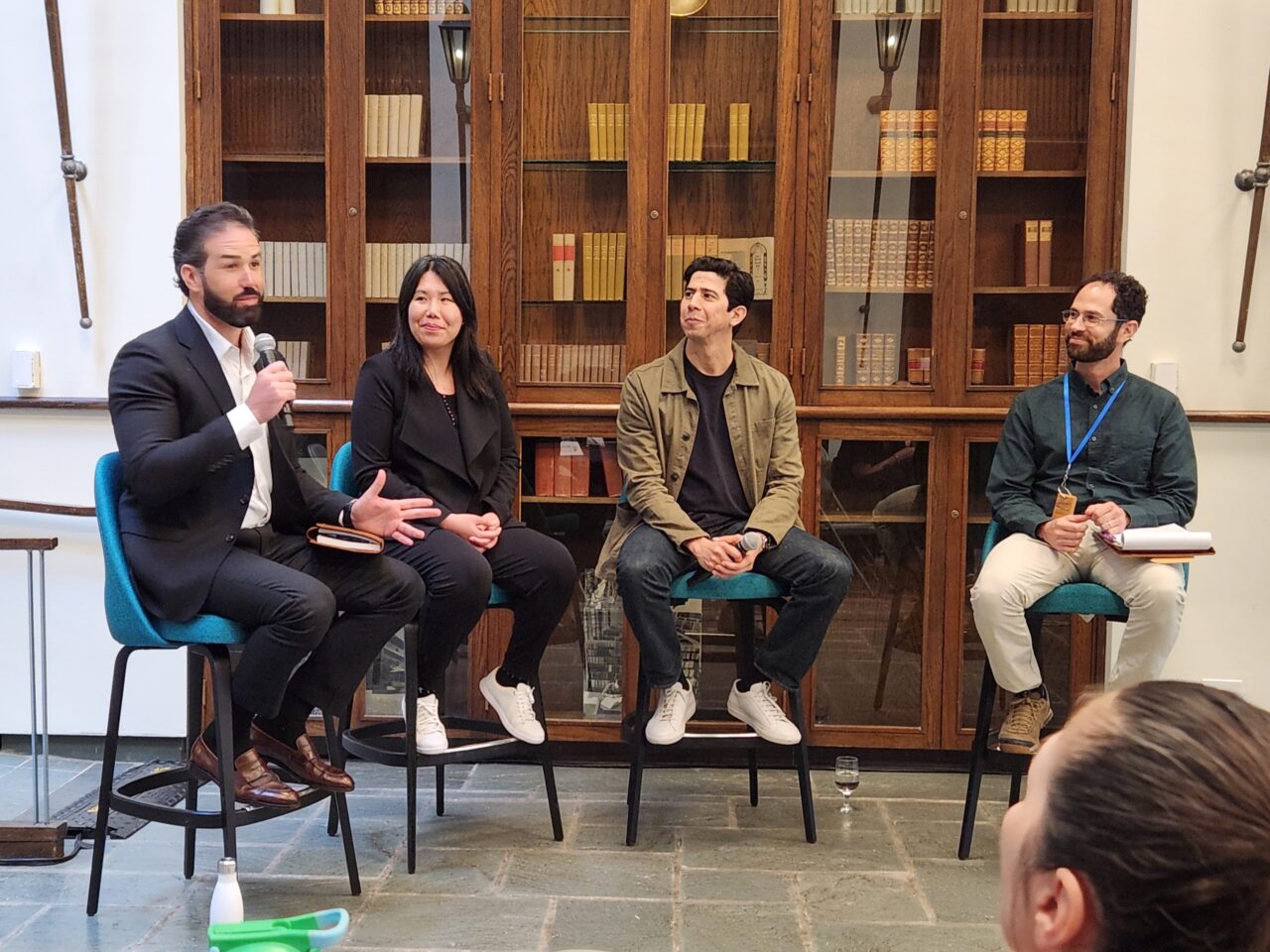
Throughout the event, panels and conversations explored how cities can rethink infrastructure, materials, and economic systems to reduce waste and create more resilient communities. Rather than focusing solely on recycling, speakers emphasized the importance of redesigning entire systems so that materials, products, and buildings are used more efficiently from the start.
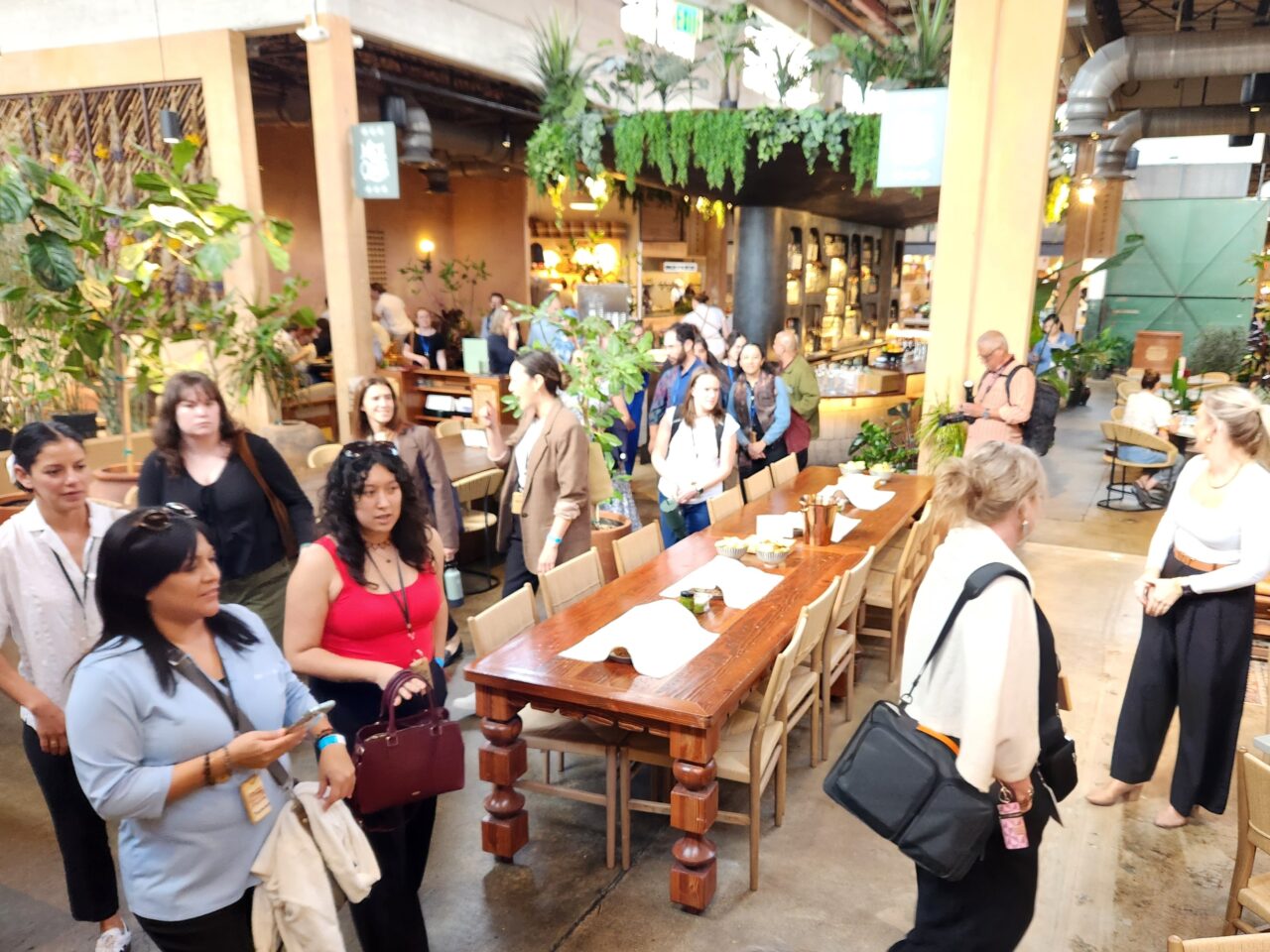
One of the most striking aspects of the summit was the strong sense of collaboration among participants. Conversations extended beyond the formal sessions as people shared ideas, projects, and lessons learned from their own communities.
I also appreciated the opportunity to connect with people working on sustainability initiatives across Texas. While Austin often receives attention for its environmental efforts, the summit highlighted how San Antonio is developing its own innovative approaches to circularity, particularly in areas like construction, deconstruction, and material reuse.
Key Themes and Takeaways
Several major themes emerged from the discussions at the summit.
Circular Economy Is About Systems, Not Just Recycling
One of the most consistent messages from the event was that circular economy thinking goes far beyond improving recycling programs.
Instead, circularity requires rethinking how products, buildings, and supply chains are designed in the first place. When materials are designed to be reused, repaired, or repurposed, waste becomes much less of a problem.
The Built Environment Plays a Major Role
Many sessions focused on how construction and demolition waste represent one of the largest waste streams in cities.
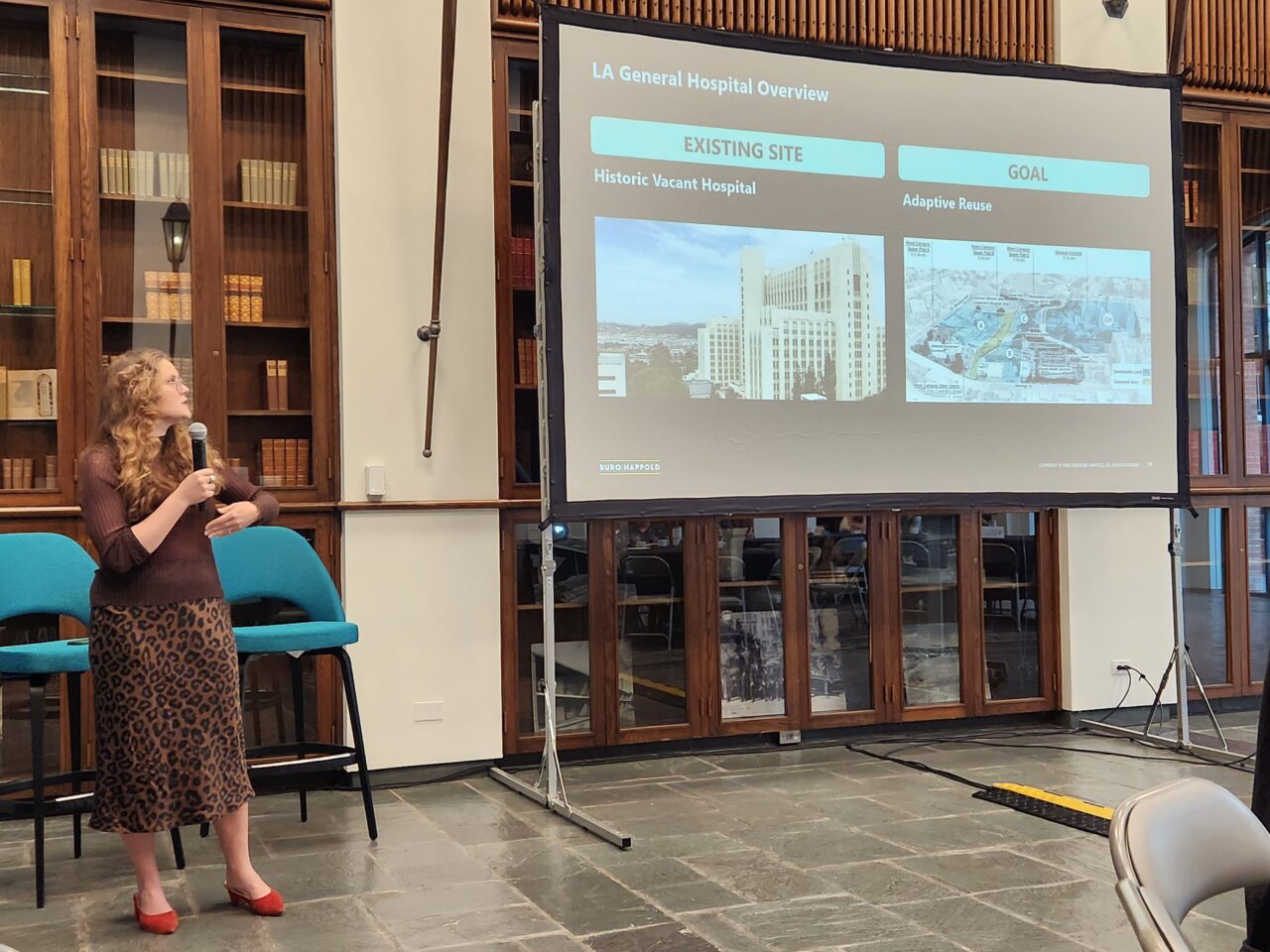
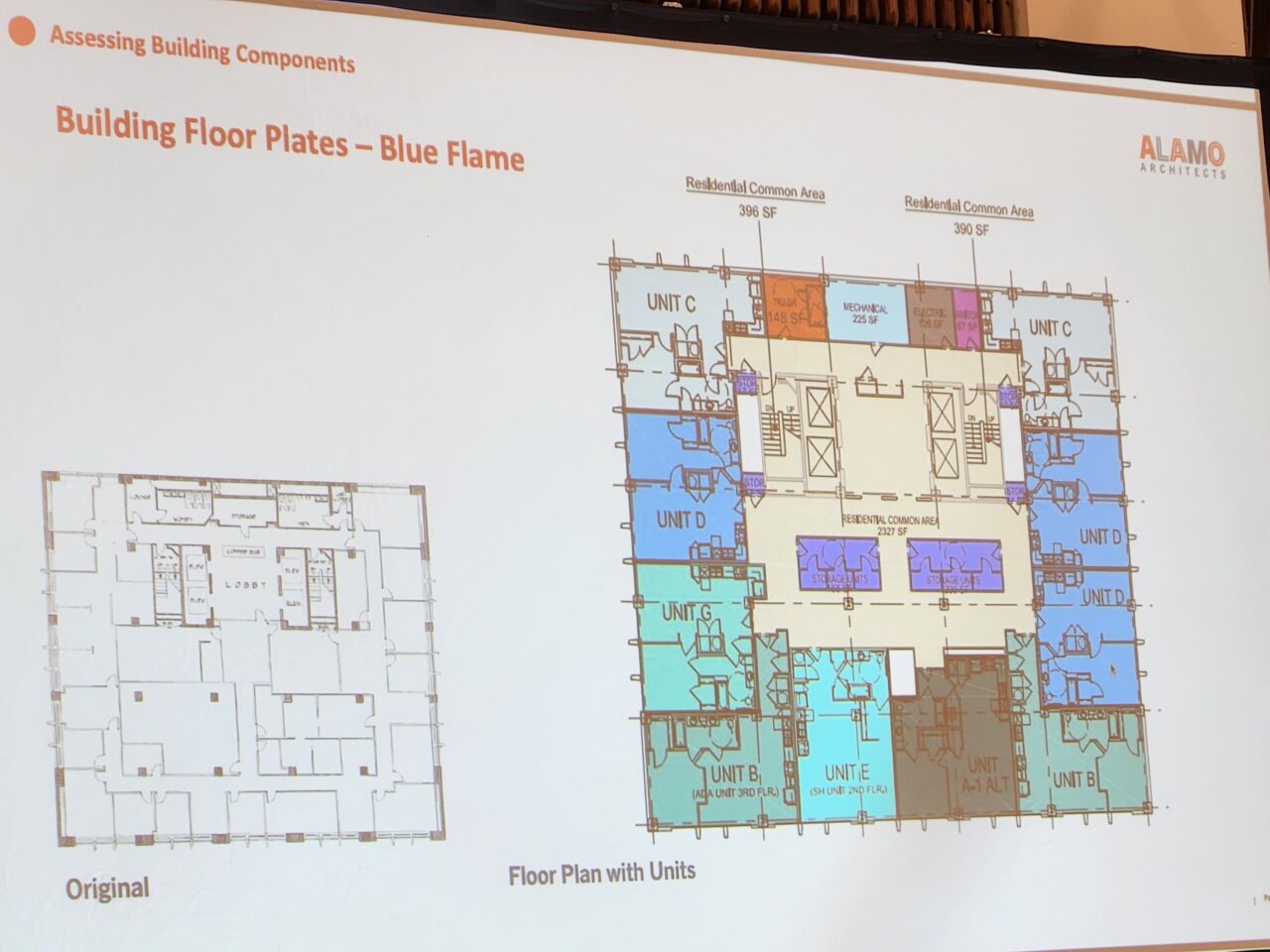
Speakers discussed how strategies like deconstruction, material reuse hubs, and adaptive reuse of existing buildings can significantly reduce environmental impact while also creating economic opportunities.
San Antonio has been actively exploring these approaches, particularly in the context of historic preservation and redevelopment.
Local Solutions Drive Real Change
Another important takeaway was that sustainability solutions are most effective when they are rooted in local communities.
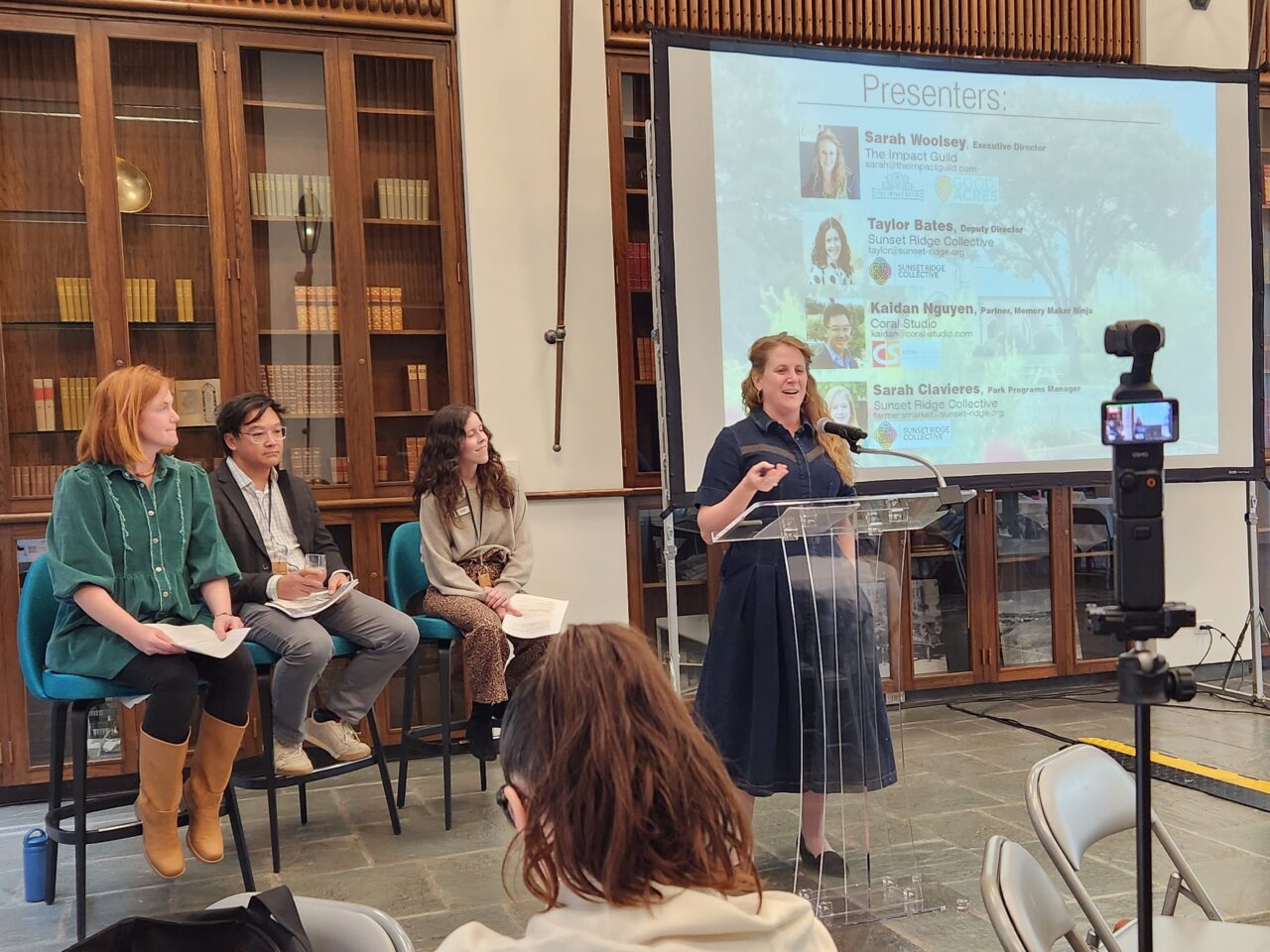
Cities have different infrastructure, economic conditions, and cultural contexts, which means circular economy strategies must be adapted to each place. The summit highlighted how community partnerships, local entrepreneurship, and public-private collaboration can accelerate circular initiatives.
Key Discussions and Perspectives
While the summit featured a variety of speakers and conversations, several areas stood out throughout the event.
Circular Design and Innovation
Participants explored how design principles can extend product lifecycles and reduce waste. This includes designing products that can be repaired, refurbished, or disassembled so that materials can be reused.
Design decisions made early in the process often determine whether materials end up in landfills or remain part of a circular system.
Material Recovery and Reuse
Another area of focus was the development of material recovery hubs, which collect and redistribute usable materials from construction projects, manufacturing, and other industries.
These hubs can help divert valuable materials from landfills while creating new economic opportunities for businesses and builders.
Community-Centered Circularity
Many discussions emphasized that circular economy strategies must ultimately benefit communities.
This can include initiatives such as:
- Affordable housing built with reclaimed materials
- Job training programs focused on deconstruction and material recovery
- Community spaces created through adaptive reuse projects
By focusing on people as well as materials, circular economy initiatives can strengthen both environmental and social outcomes.
About the Full Circle Summit
The Full Circle Summit brings together leaders working to advance circular economy practices in Texas and beyond.
The event focuses on connecting professionals across multiple sectors, including:
- Sustainability and climate innovation
- Urban planning and architecture
- Construction and development
- Policy and public administration
- Entrepreneurship and technology
By fostering collaboration across disciplines, the summit aims to accelerate the transition toward more sustainable and resilient economic systems.
San Antonio has become an increasingly important hub for these conversations, thanks to its strong emphasis on historic preservation, adaptive reuse, and community-centered development.
Why Circular Economy Matters
The circular economy represents a major shift in how societies think about resources.
Rather than treating materials as disposable, circular systems aim to keep them in circulation for as long as possible. This approach reduces environmental impact while also creating economic opportunities and strengthening supply chains.
For rapidly growing cities across Texas, circular strategies could play an important role in addressing issues like construction waste, resource scarcity, and urban development pressures.
Events like the Full Circle Summit show that the conversation is moving beyond theory and into real-world implementation.
Wrap-Up
Attending the Full Circle Summit in San Antonio was a great reminder that sustainability solutions often emerge from collaboration and experimentation at the local level.
The event brought together a wide range of perspectives and demonstrated how circular economy ideas are already shaping projects across Texas. It also reinforced something I strongly believe: sustainability efforts are most effective when they are local, human-centered, and communicated clearly.
I left the summit feeling newly connected to San Antonio’s sustainability ecosystem and excited to continue following the circular economy initiatives developing across the region.
*Content was generated with AI based on my notes and direction, then edited and refined by me for accuracy.