A Day Focused on the Future of Water in Central Texas
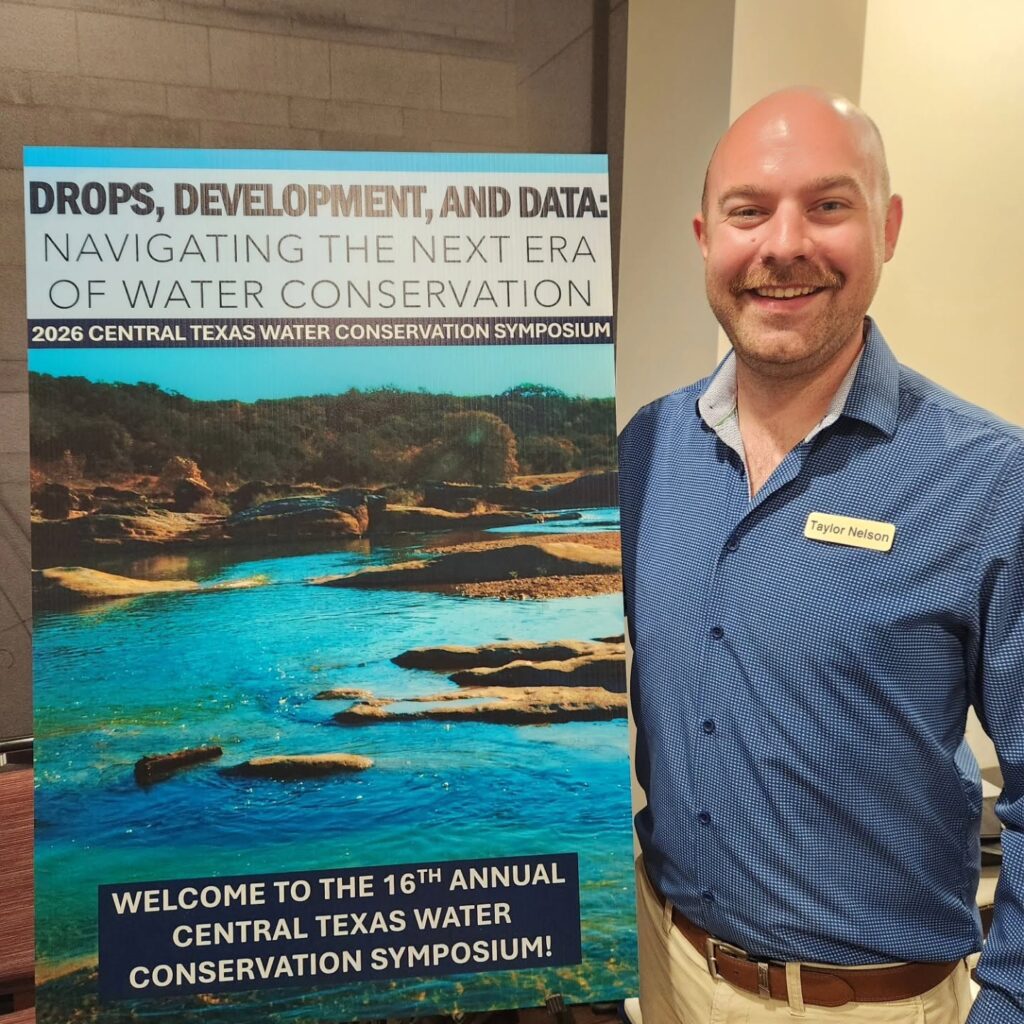
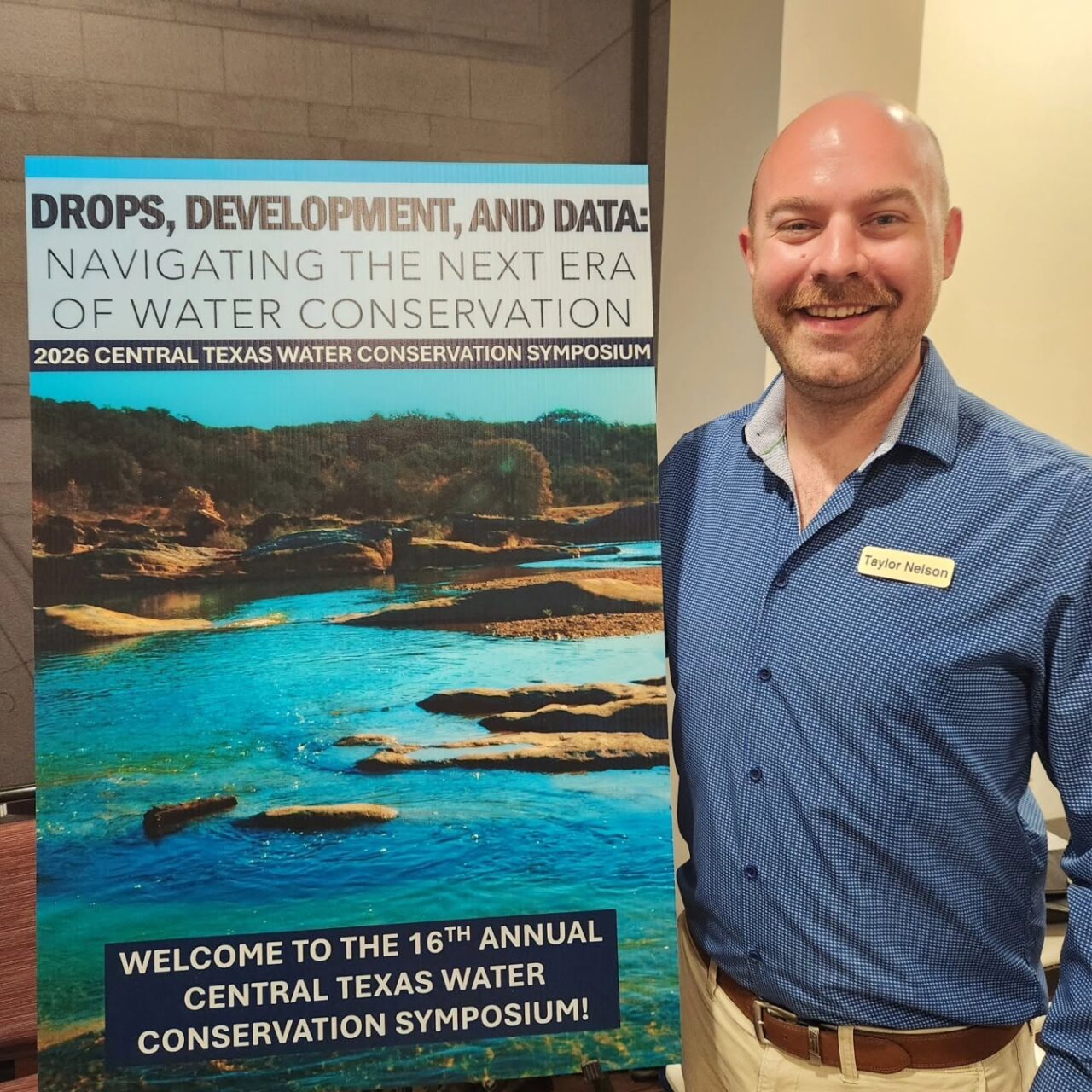
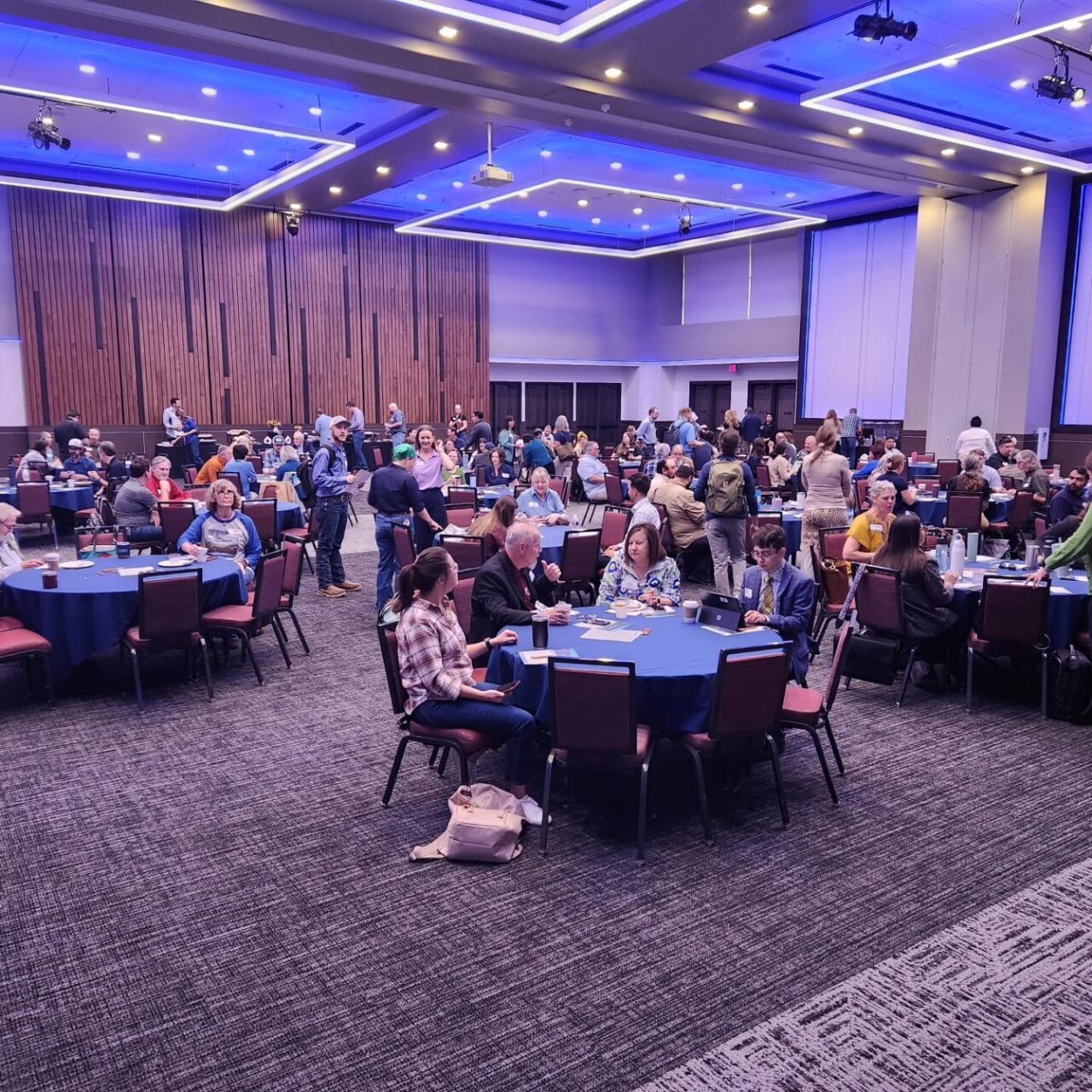
On March 4, 2026, I spent the day attending the Central Texas Water Conservation Symposium, an annual gathering that brings together water utilities, conservation professionals, researchers, policymakers, and community advocates focused on the future of water management in the region.
Central Texas continues to experience rapid population growth, increasing pressure on aquifers, rivers, and springs that sustain both ecosystems and communities. Events like this symposium provide an opportunity for experts and practitioners to share ideas, strategies, and emerging technologies designed to protect water resources while supporting a growing population.
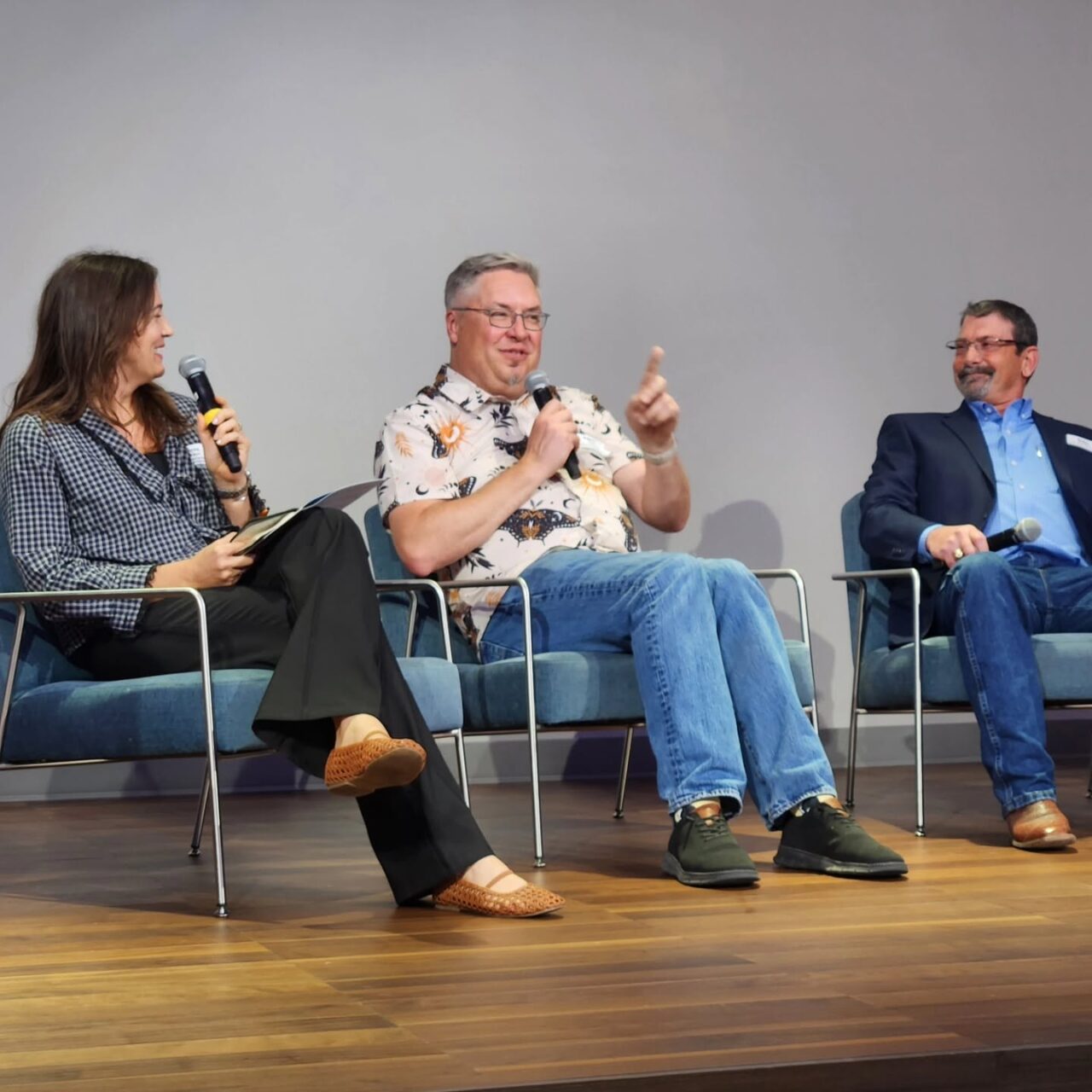
Throughout the day, speakers and panelists explored topics ranging from conservation programs and new water supply strategies to behavioral science and public engagement. What stood out most was how interconnected these issues are = water management isn’t just about infrastructure or engineering, but also about communication, community buy-in, and long-term stewardship.
What I Experienced
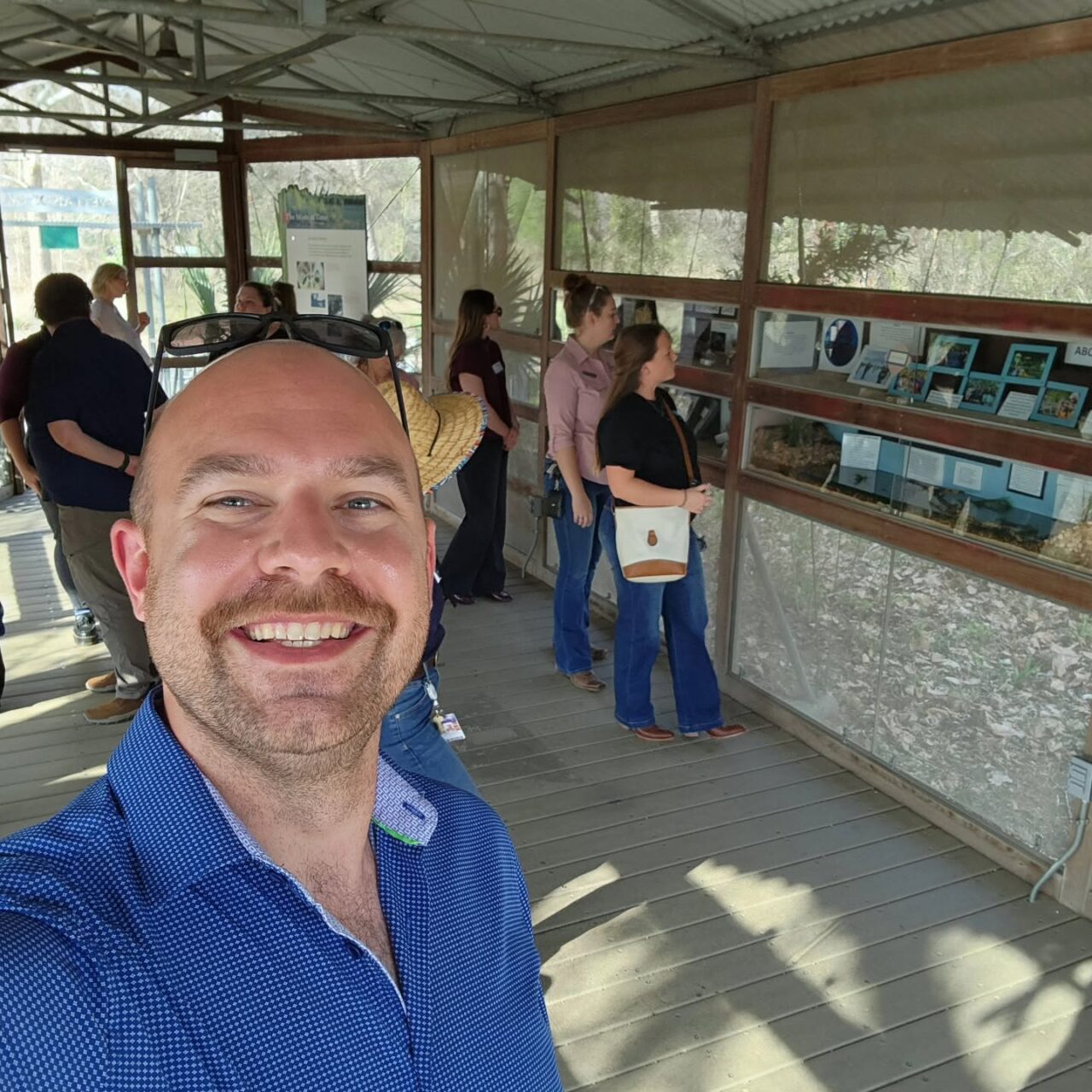
One of the most memorable aspects of the symposium was the opportunity to step outside the conference setting and see the region’s water systems firsthand.
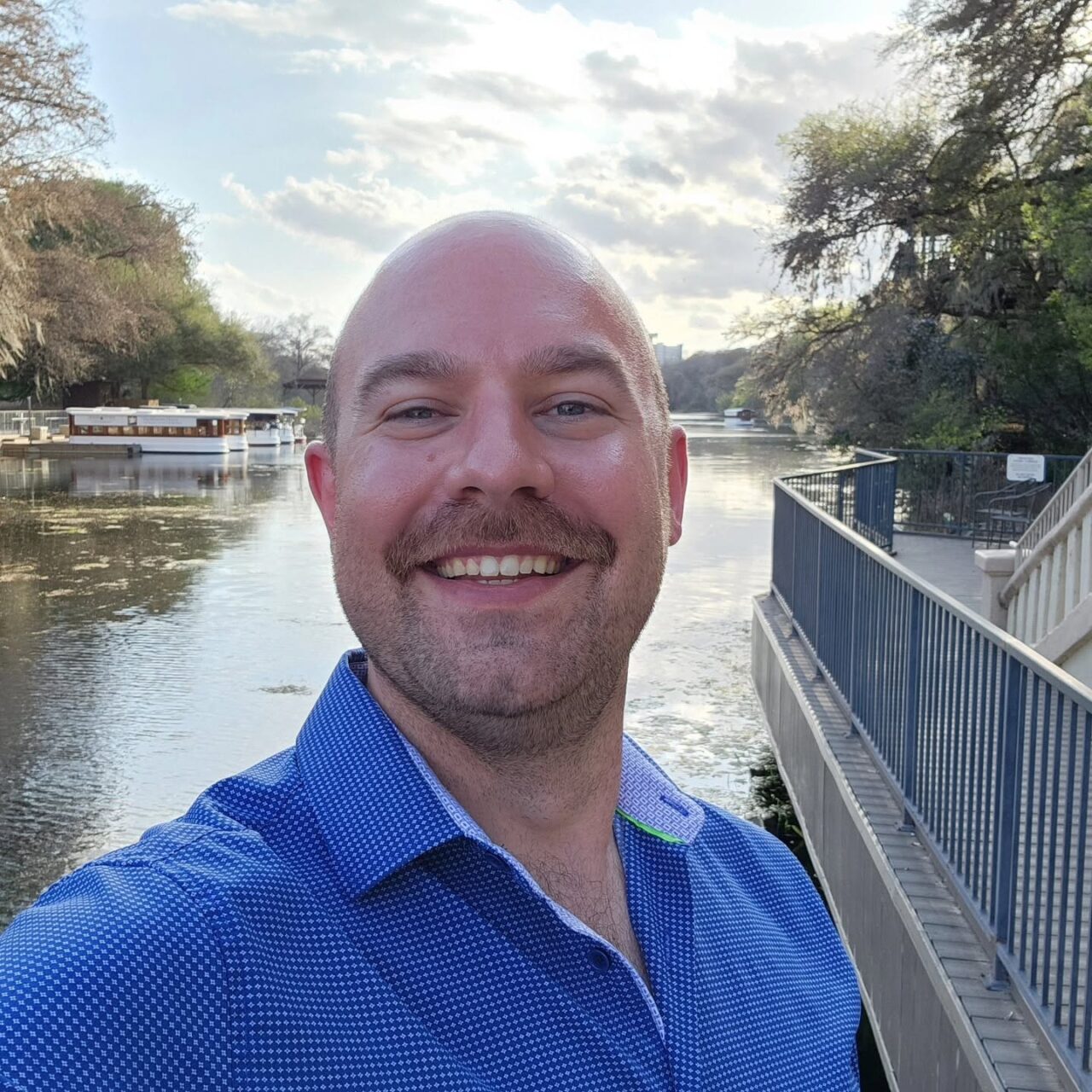
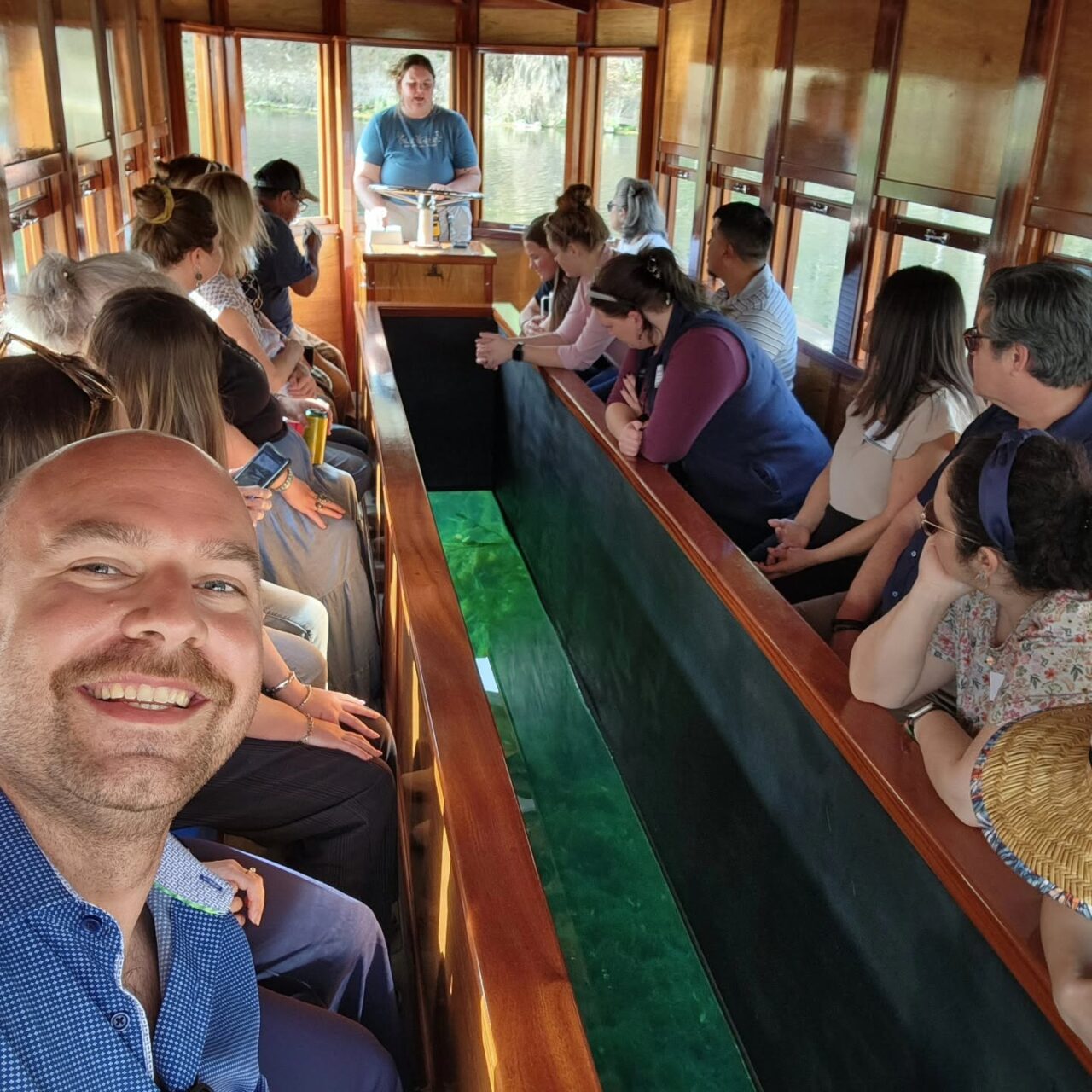
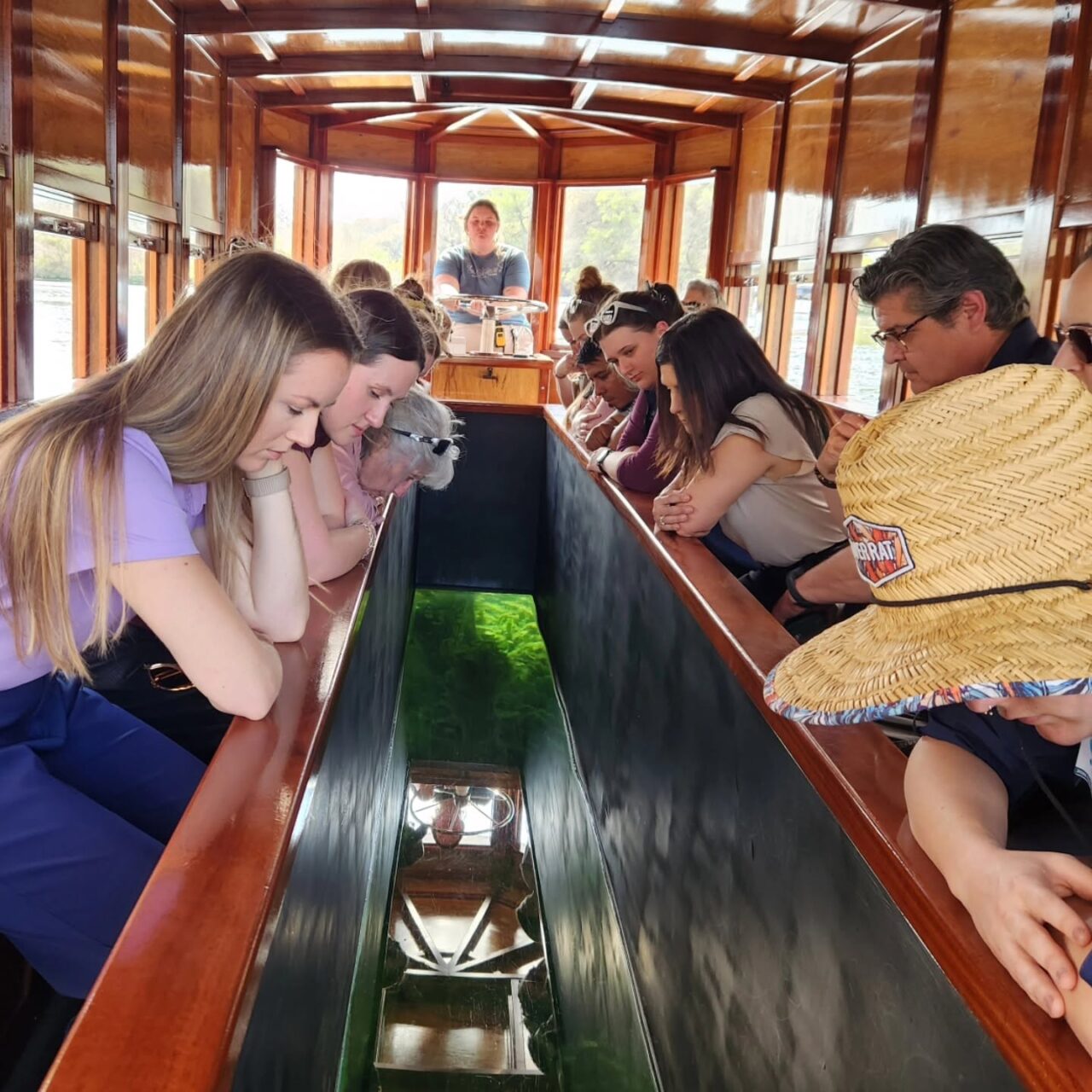
A highlight of the day was a glass-bottom boat tour of the springs, which offered a unique window into the underwater ecosystems that many Central Texans depend on but rarely see up close. Looking through the boat’s viewing panels, we were able to observe the clear spring water, aquatic vegetation, and fish that inhabit these fragile environments.
Our guide provided an engaging explanation of how the spring systems function, describing how groundwater flows through limestone formations before emerging at the surface. She also pointed out the different types of flora and fauna that live within the ecosystem and explained how water quality and flow levels directly affect their survival.
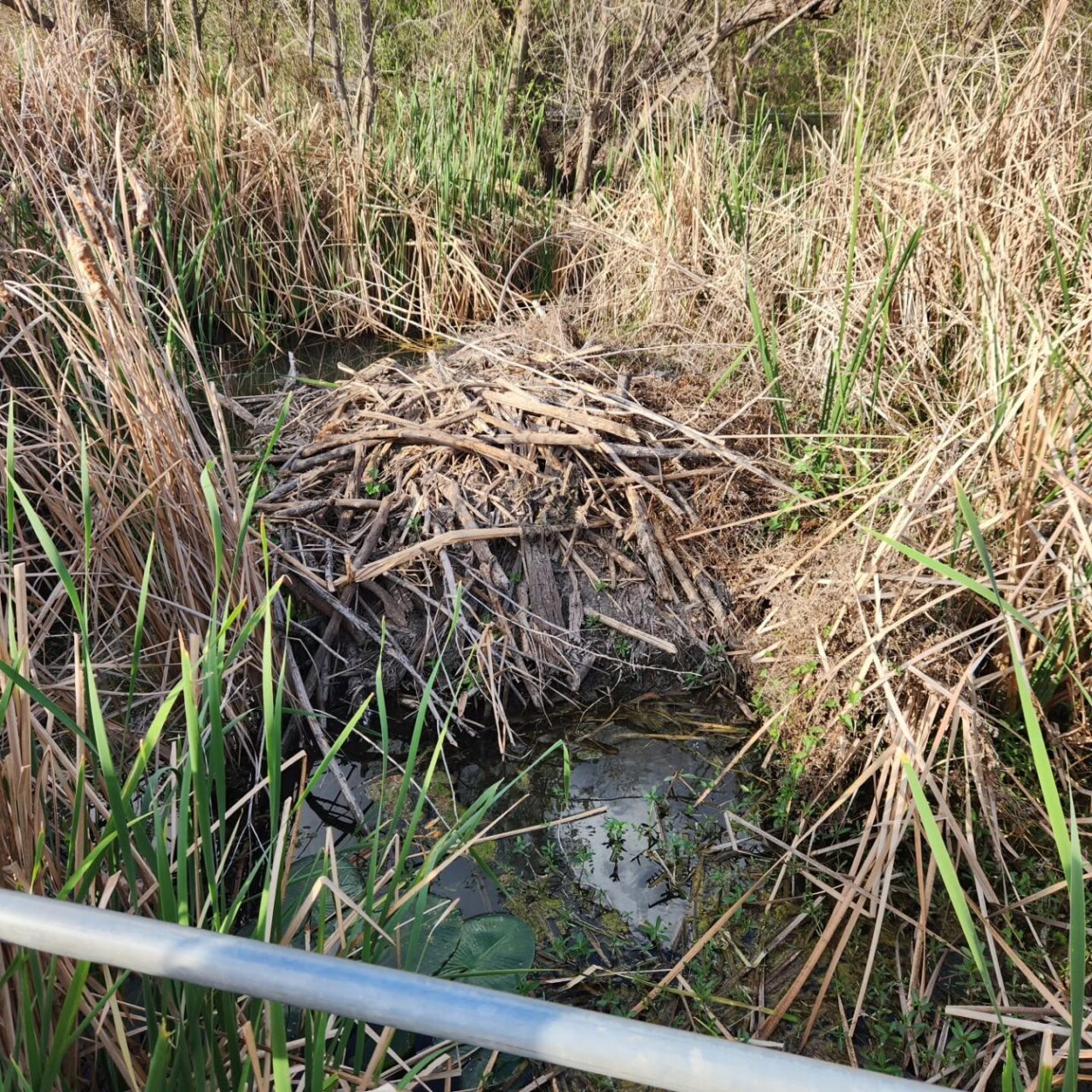
Beyond the aquatic life, the tour also touched on the broader landscape and history of the area. We learned about wildlife that inhabit the surrounding ecosystem, including otters, beavers, birds, and other Central Texas species, and discussed how human activity interacts with these natural systems.
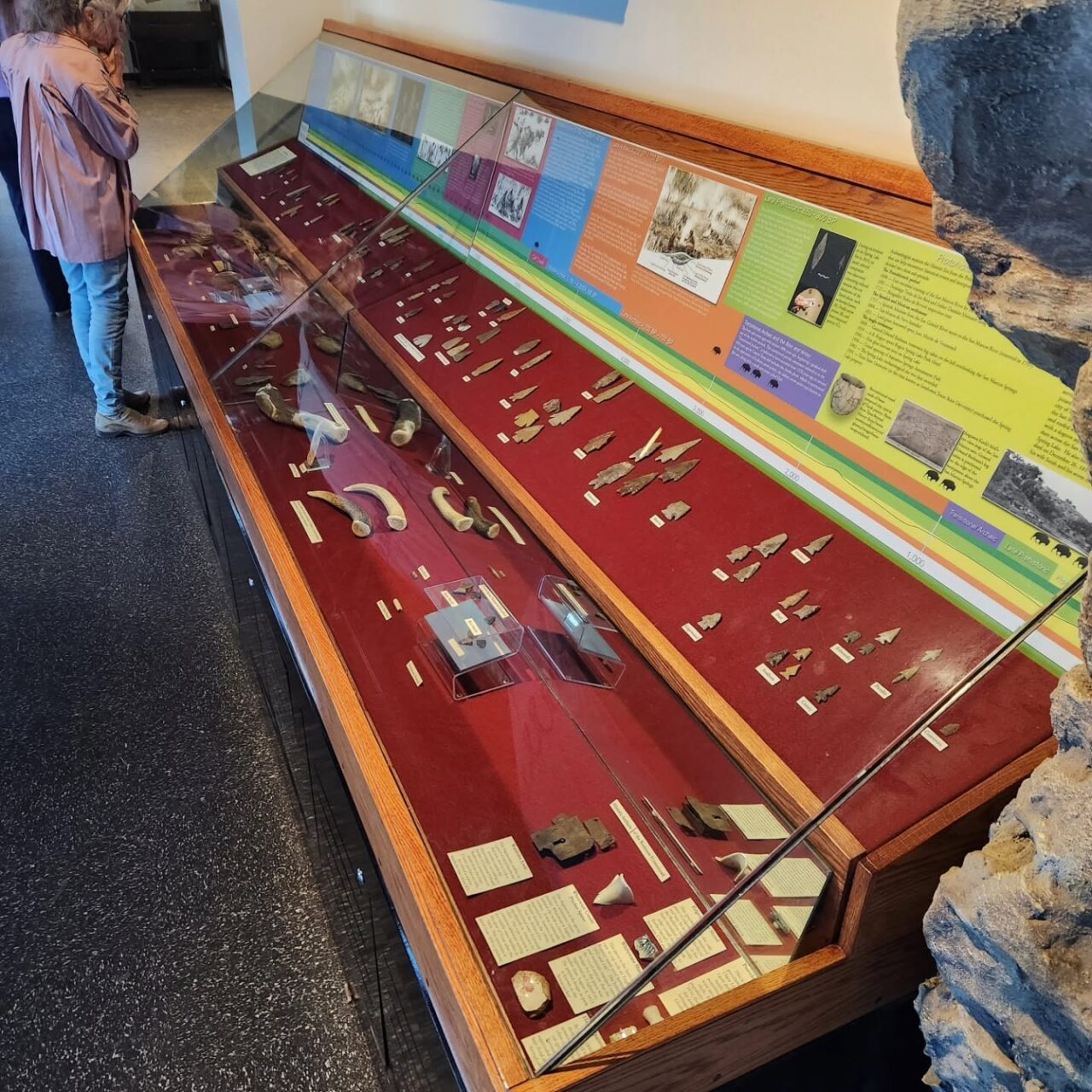
There were also reminders of the region’s cultural history. The springs area once hosted a water-based theme park, and remnants of that past are still visible in parts of the landscape today. Seeing those historical traces alongside the natural environment created an interesting contrast between recreation, conservation, and the evolving ways people interact with these spaces.
After the boat tour, participants also explored the surrounding boardwalk areas and wetlands, walking through cattails and observing the habitat from ground level. It was a powerful reminder that the policy conversations happening inside conference rooms are ultimately connected to very real ecosystems.

Key Themes and Takeaways
Several important themes emerged throughout the symposium.
Rapid Growth Requires Smarter Water Management
Central Texas is one of the fastest-growing regions in the United States. With more people moving to the area each year, demand for water is increasing while natural supplies remain limited.
Speakers emphasized the need to combine traditional conservation efforts with new strategies, including improved infrastructure, reuse systems, and smarter water planning.
Conservation Is Both Technical and Behavioral
While engineering and infrastructure are essential components of water management, many discussions focused on the human side of conservation.
Public education, incentive programs, and clear communication can influence how people use water in their homes and communities. Helping residents understand where their water comes from, and why conservation matters, is a crucial piece of the puzzle.
Connecting Policy to Place
The field trip portion of the symposium reinforced an important point: conversations about water policy become far more meaningful when people can see the ecosystems they are trying to protect.
Seeing the springs, aquatic plants, and wildlife firsthand made it easier to understand why these systems are worth protecting and why long-term stewardship is essential.
About the Central Texas Water Conservation Symposium
The Central Texas Water Conservation Symposium is a regional event that brings together professionals working across the water sector. Attendees typically include:
- Municipal water utilities
- Environmental organizations
- Conservation specialists
- Researchers and scientists
- Policy experts and planners
- Community advocates
The symposium serves as a platform for sharing best practices, emerging technologies, and innovative strategies for protecting water resources throughout Central Texas.
Given the region’s continued growth and climate variability, these conversations are becoming increasingly important as communities work to balance development with environmental sustainability.
Why Conversations About Water Matter
Water is one of the most critical resources shaping the future of Central Texas.
As cities expand and climate patterns shift, the region faces increasing challenges related to drought, aquifer health, and ecosystem preservation. Addressing these issues requires collaboration between scientists, policymakers, utilities, and residents.
Events like the Central Texas Water Conservation Symposium highlight the progress already being made while also reminding participants how much work remains ahead.
For me, the experience reinforced how important it is to connect policy, science, and community engagement when talking about sustainability.
Wrap-Up
Spending the day at the 2026 Central Texas Water Conservation Symposium was both informative and inspiring. From thoughtful discussions inside the conference sessions to the immersive experience of seeing the springs and surrounding ecosystems, the event offered a well-rounded perspective on the challenges and opportunities facing the region’s water systems.
It also reinforced something I’ve come to appreciate through many sustainability events: the most effective solutions often emerge when people from different disciplines come together to share knowledge and collaborate.
As Central Texas continues to grow, conversations like these will play a critical role in shaping how communities protect and manage their water resources for generations to come.
*Content was generated with AI based on my notes and direction, then edited and refined by me for accuracy.