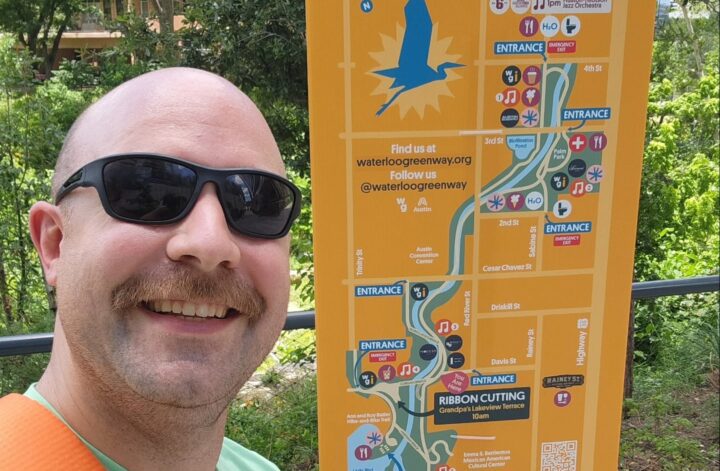
I arrived near the end of the celebration and missed many of the scheduled activities, but I was still glad I made it. Walking through the completed space gave me an opportunity to see how landscape design, ecological restoration, and public access can work together. The Confluence is more than a new trail. It shows how urban parks can serve several purposes at once.
More Than Recreation
Parks are often discussed primarily as places to walk, exercise, gather, or relax. Those benefits are important, but thoughtfully designed green spaces can also support the larger environmental health of a city. The Confluence includes features that can help:
Restore the Waller Creek corridor
Improve habitat for plants and wildlife
Support better water quality
Reduce urban heat
Manage stormwater
Create new pedestrian connections
Provide space for recreation and community gatherings
This year’s Texan by Nature Conservation Summit brought together an inspiring cross-section of scientists, business leaders, nonprofits, and landowners to explore one shared goal: how Texas can balance business and natural resource protection in an era of rapid growth. Attending virtually, I was struck by the consistency of the message – conservation isn’t just an environmental cause anymore; it’s a business strategy, a public health tool, and a foundation for resilience.
The panels revealed that the future of conservation in Texas lies at the intersection of data, collaboration, and storytelling. Below are some of the biggest themes and takeaways that stood out – insights that can guide organizations, communities, and individuals working to make measurable change.
1. Conservation as Core Operations
The first theme was clear and powerful: conservation belongs at the center of how we operate businesses and communities, not on the sidelines. When environmental goals are integrated into financial planning, supply chains, and risk management, sustainability becomes part of an organization’s DNA.
Conservation is no longer optional. The organizations leading the charge, like DFW Airport, Molson Coors, and H-E-B, are showing that sustainability creates operational efficiency and brand strength.
DFW Airport has been carbon-neutral since 2016, diverting over 90% of construction waste and saving airlines millions in fuel and energy costs – proof that conservation can enhance profitability.
Molson Coors’ water stewardship projects in the Richland-Chambers watershed have conserved more than 2 billion gallons of water, underscoring how protecting natural resources directly protects production stability.
H-E-B’s “Trees for Texans” program strategically uses environmental data to guide canopy growth in heat-vulnerable neighborhoods, creating community and ecological benefits while supporting its business footprint.
Key Lesson: Conservation should be built into core operations, with measurable goals and clear ROI, just like any other business initiative.
This year, I had the pleasure of virtually attending the 2025 Texan by Nature Conservation Summit, an annual celebration of the state’s most innovative and impactful conservation work. Though I joined from my desk rather than in person, the experience was deeply meaningful – especially since I first learned about Texan by Nature years ago while working for the Texas Trees Foundation, where we attended this same event as a “conservation wrangler” nominee. Seeing how much the organization has grown since then was both nostalgic and inspiring.
My time as a “Conservation Wrangler” at the summit working at the Texas Trees Foundation.
Founded by former First Lady Laura Bush, Texan by Nature (TxN) continues to lead the way in uniting business, community, and conservation for measurable impact across the state. At the center of this effort is the Conservation Wrangler program, a one-of-a-kind accelerator that identifies, supports, and amplifies the most promising conservation initiatives in Texas.
Each year, up to six projects are selected to receive 12–18 months of tailored support – from strategic planning and marketing to data tracking, partnership building, and Return on Conservation™ analysis. The program’s goal is simple but profound: to strengthen conservation outcomes through collaborative partnerships and business-framed conservation ROI, delivering smart and tangible returns for Texas communities and ecosystems alike.
As Texas continues to face mounting water challenges, from drought-prone climates to water-intensive industries, the conversation around innovative solutions has never been more urgent. I had the opportunity to attend the latest Austin Climate Innovation meetup, where the spotlight was on water access, quality, and sustainability—with a strong focus on Central Texas and its unique regional and growth hurdles.
The event featured two standout companies, Eden Tech and Aquaria, who are developing breakthrough technologies that address water from two very different, but equally important methods. It was a hopeful and thought-provoking night centered around one essential resource: water.
Texas Water ChallengesInnovative Water SolutionsNew Solutions are NeededAI, Data Centers and WaterInnovation Barriers in Water
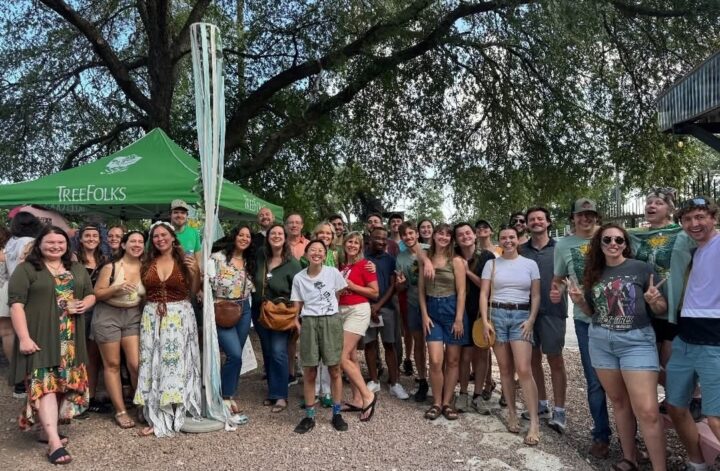
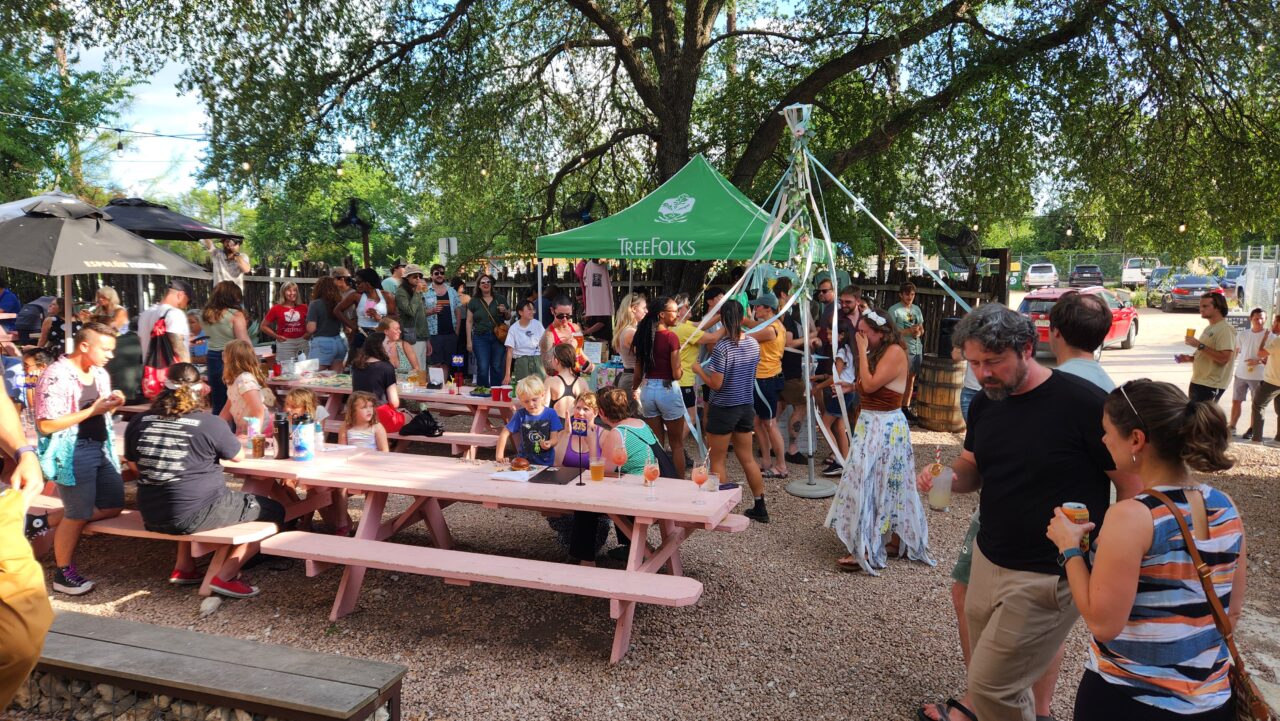
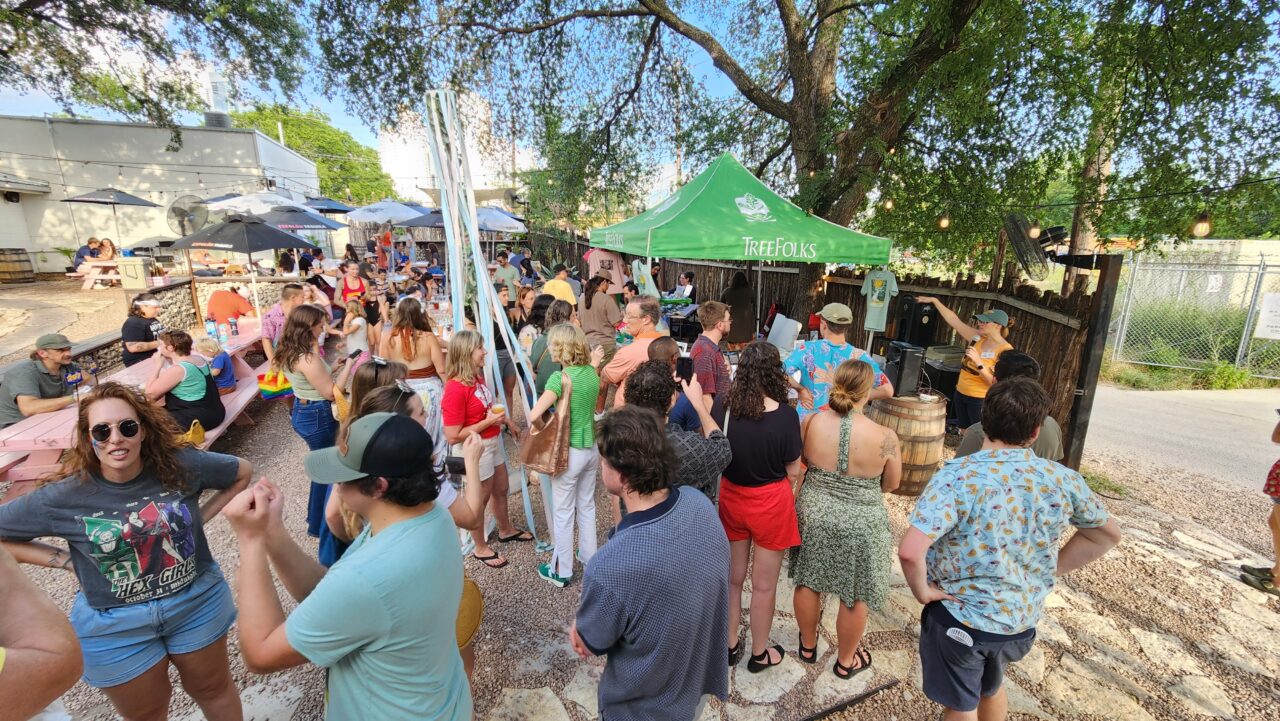
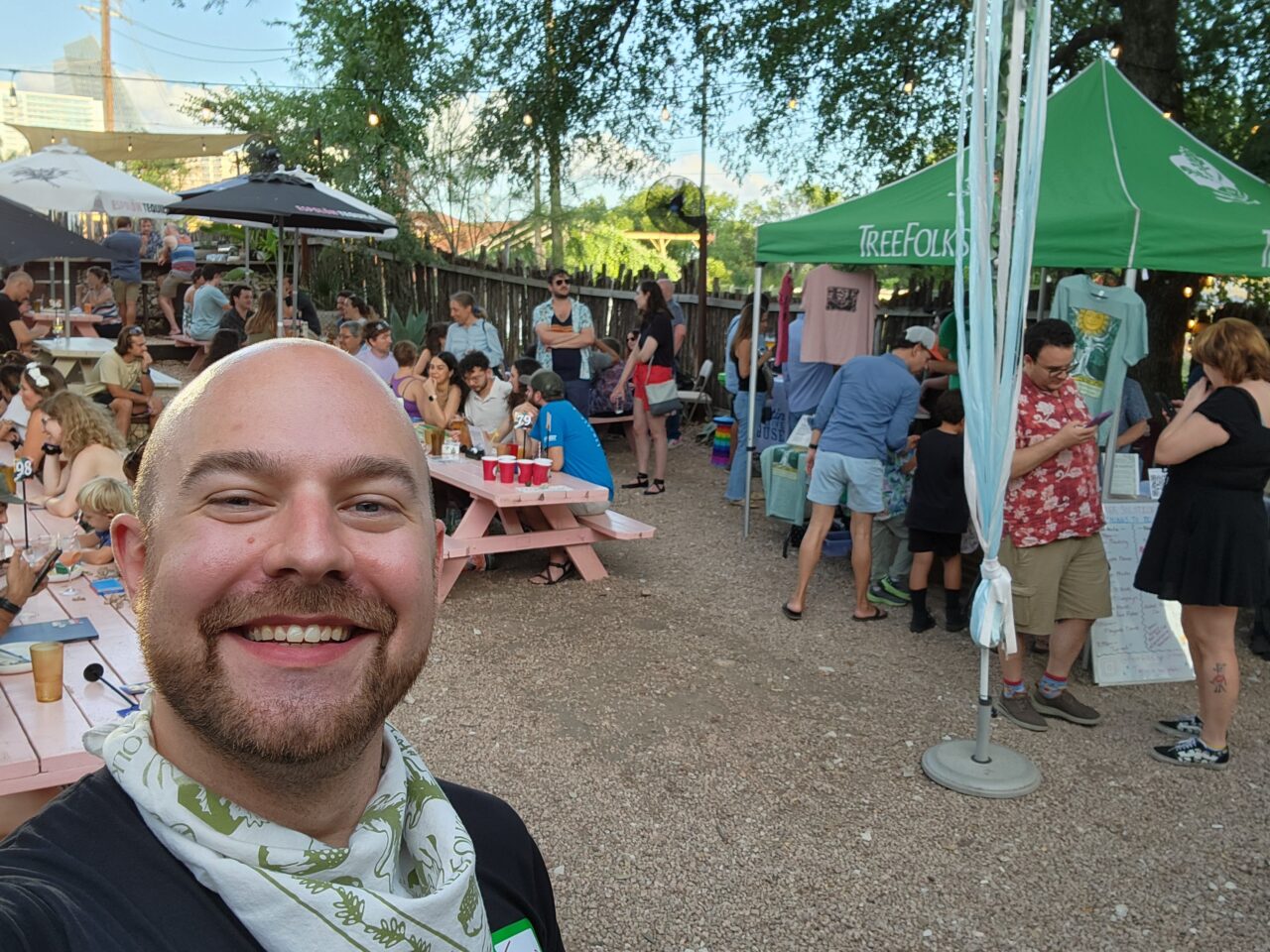
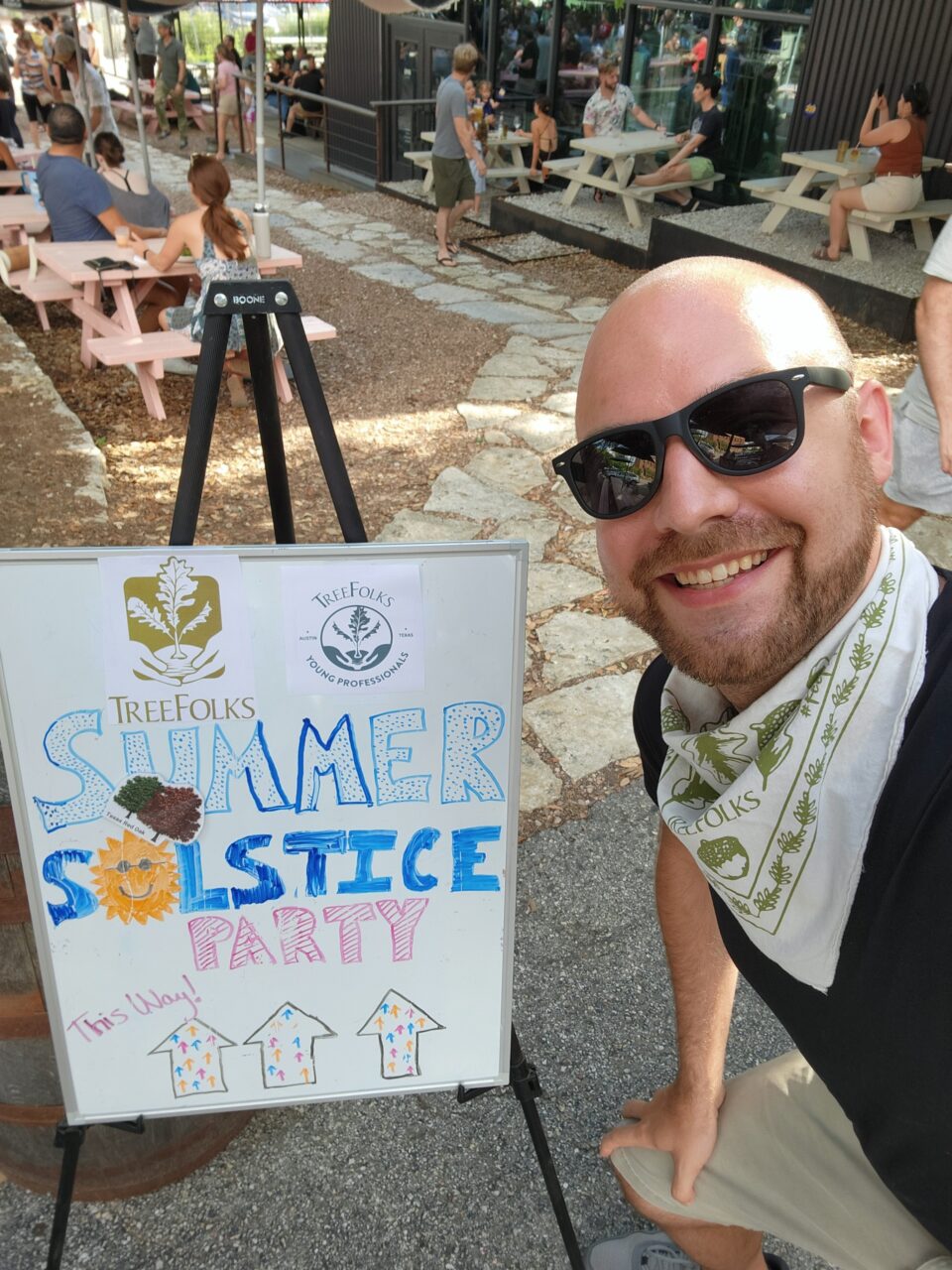
There’s something magical about celebrating the Summer Solstice — the longest day of the year — with a community that cares deeply about the environment. That’s exactly what I experienced once again at the 7th Annual TreeFolks Summer Solstice Party, hosted by TreeFolks and TF Young Professionals in the heart of downtown Austin.
Held at Hold Out Brewing & Better Half Coffee & Cocktails, this year’s event felt like a true celebration of trees, togetherness, and the power of joyful activism. I’ve attended this event several years in a row now, and it’s become one of my favorite annual traditions. Beyond the games and music, what keeps me coming back is the sense of community — a reminder that environmentalism can (and should) be fun, welcoming, and rooted in celebration.
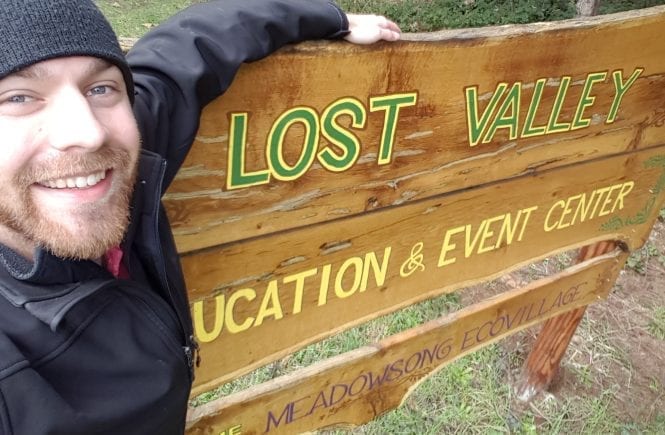
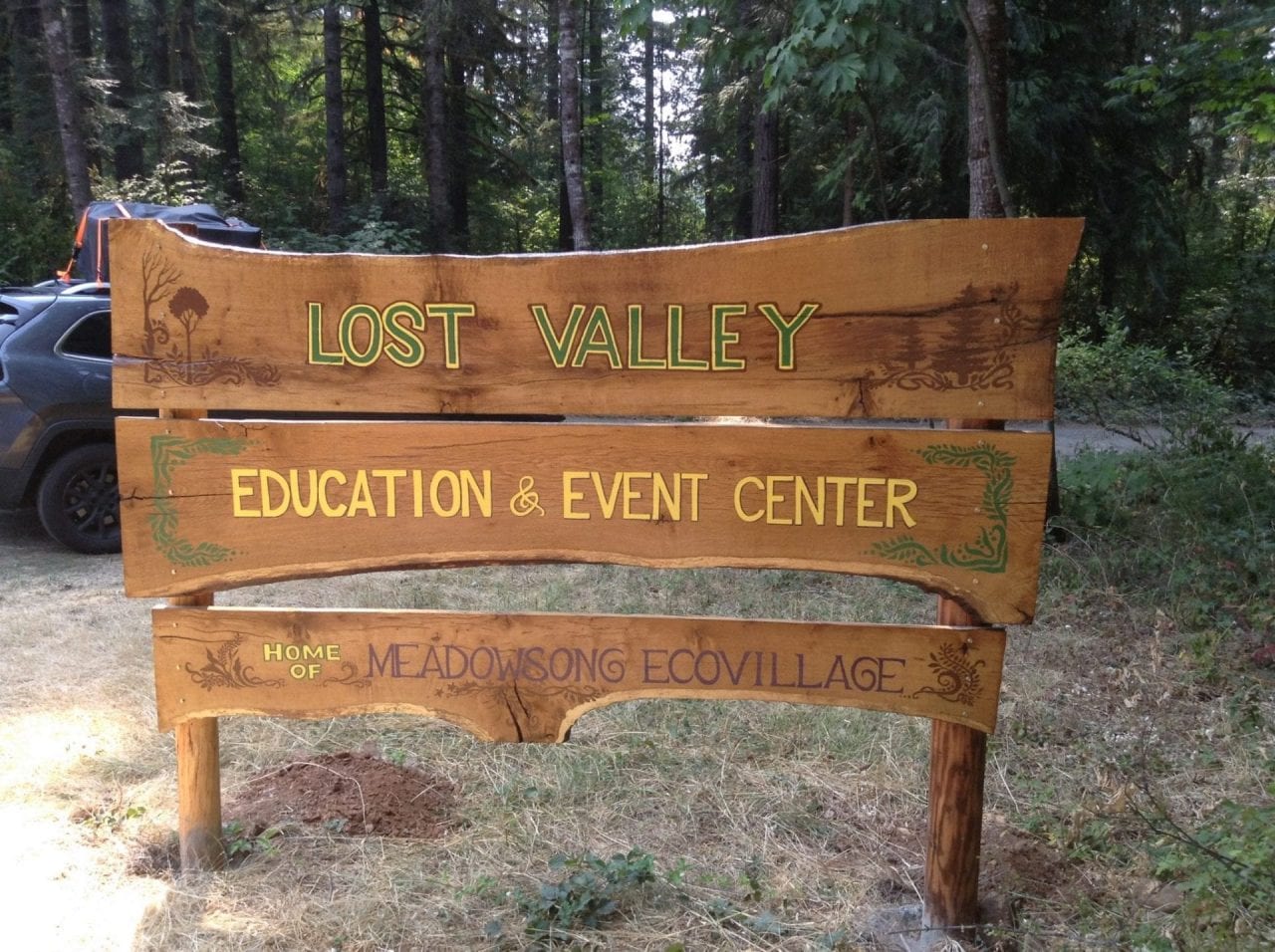
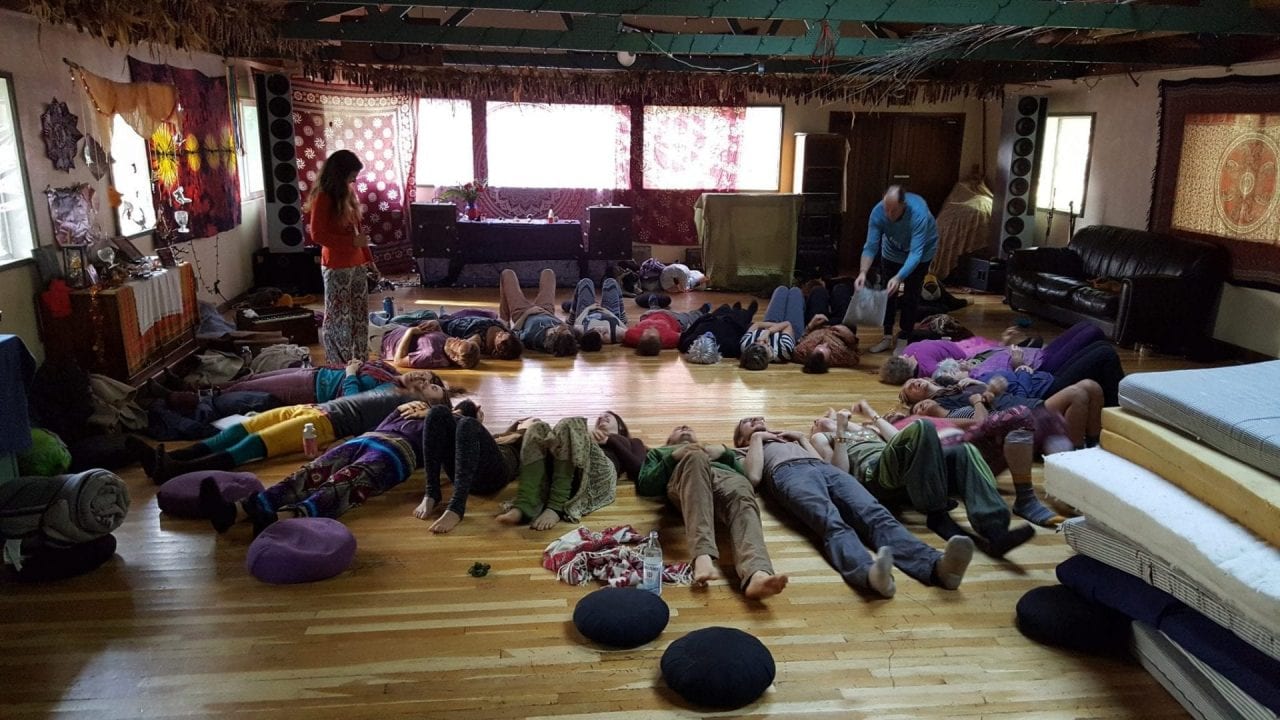
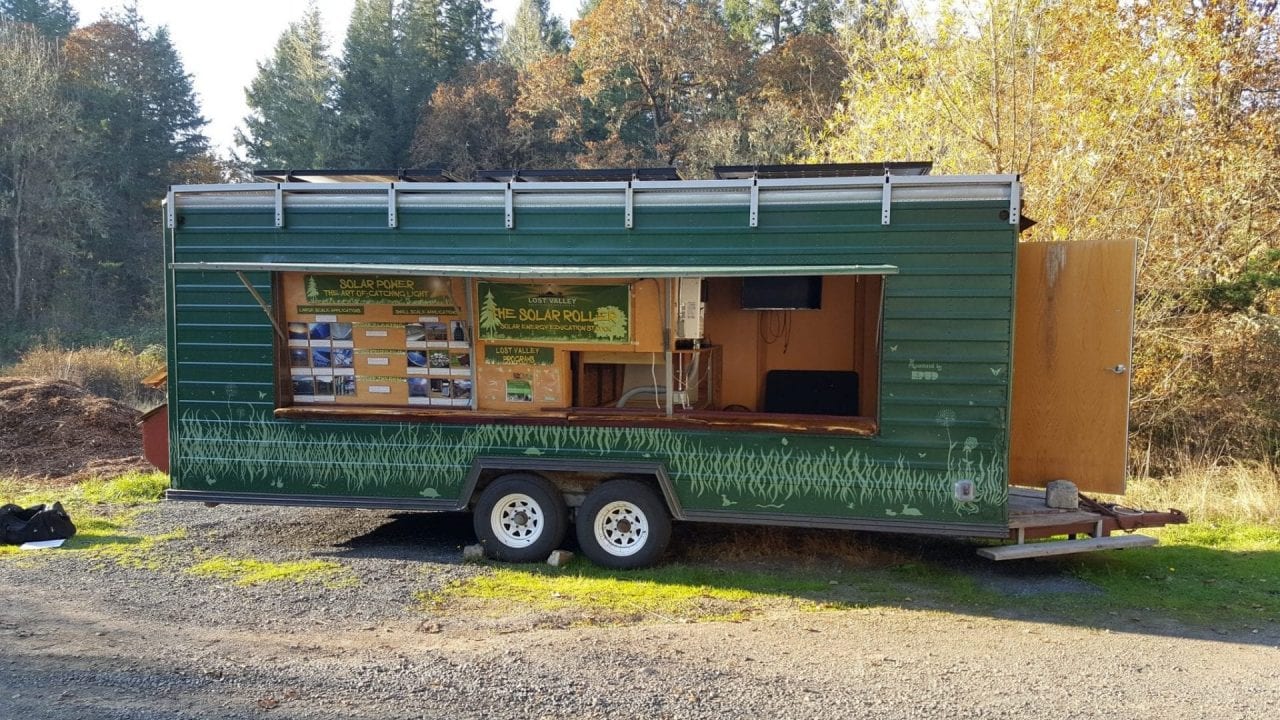
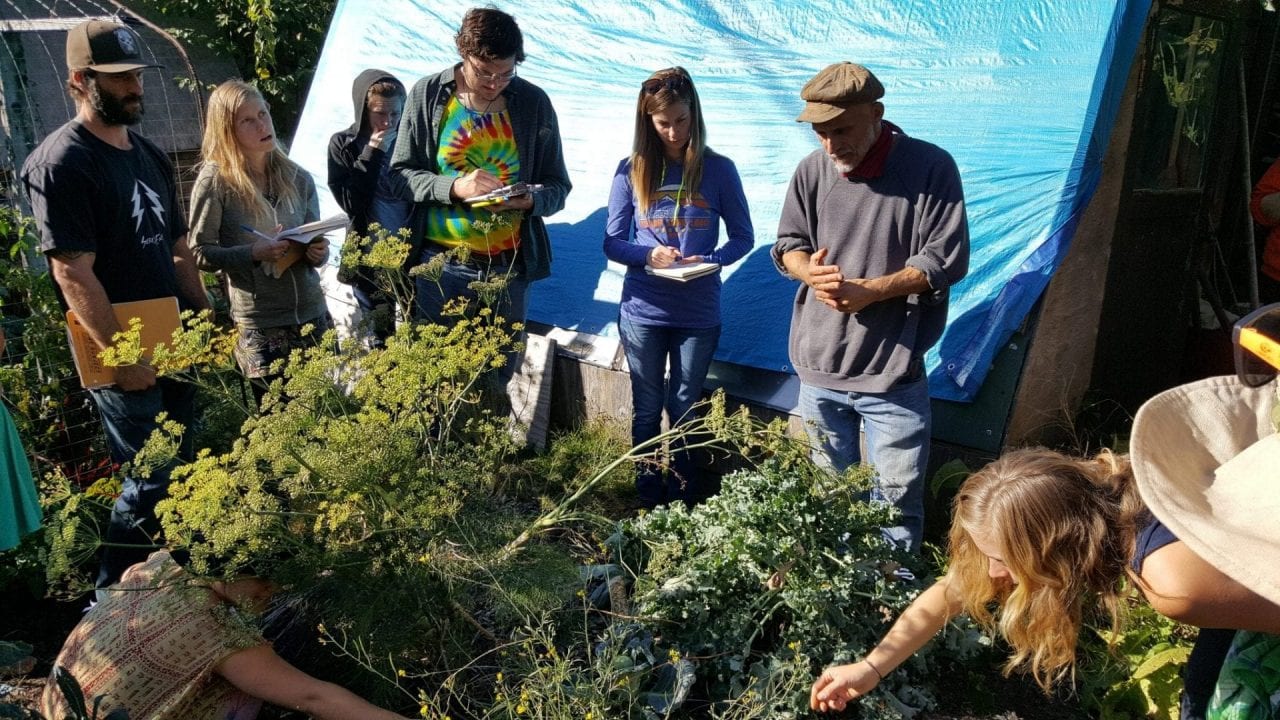
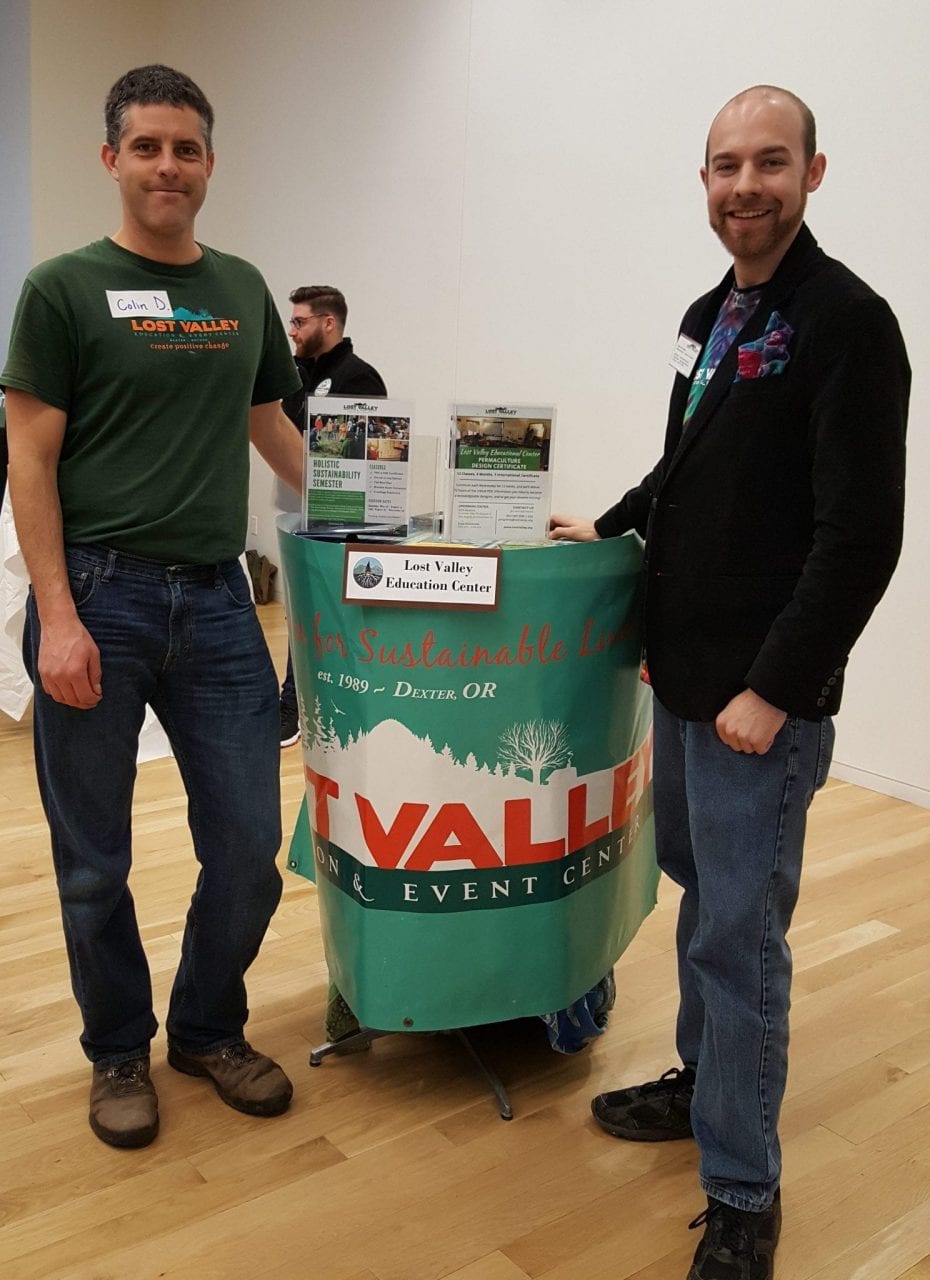
In 2017, I traded concrete for cob, traffic for trees, and deadlines for dandelions. For 7 transformative months, I lived at Lost Valley Educational Center, an ecovillage and educational nonprofit tucked into the lush forest of Dexter, Oregon. I joined their Holistic Sustainability Semester—a unique 3-month, immersive, dual certification program in Permaculture Design and Ecovillage Living—and walked away with more than just certificates. I gained skills, connections, and a whole new lens on what community, sustainability, and “living on purpose” can actually look like.
People often ask me after I tell them my story, my sustainability journey: “So what was it like living in a hippie community?” This post is my attempt to answer that, with honesty, nostalgia, and from my current perspective shaped by this experience.