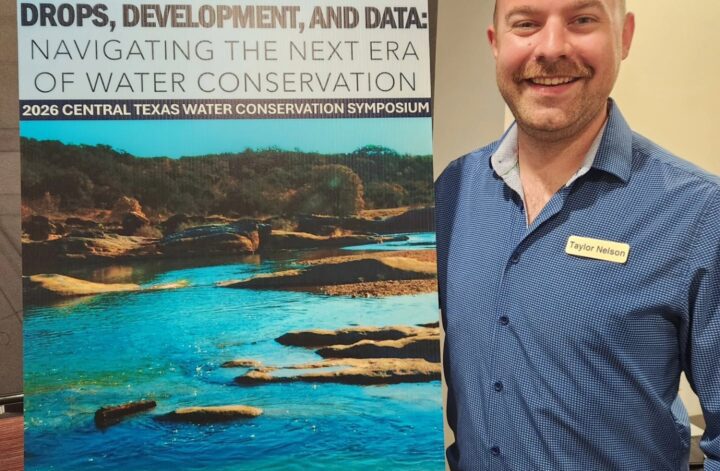
The circular economy has become a recurring theme throughout my career, even before I always had the language to describe it.
At Climate Tech Innovators hosted by Texas Futures Coalition during Austin Climate Week, the conversation focused on circularity: reducing waste, keeping materials in use longer, and creating economic value without relying on constant disposal.
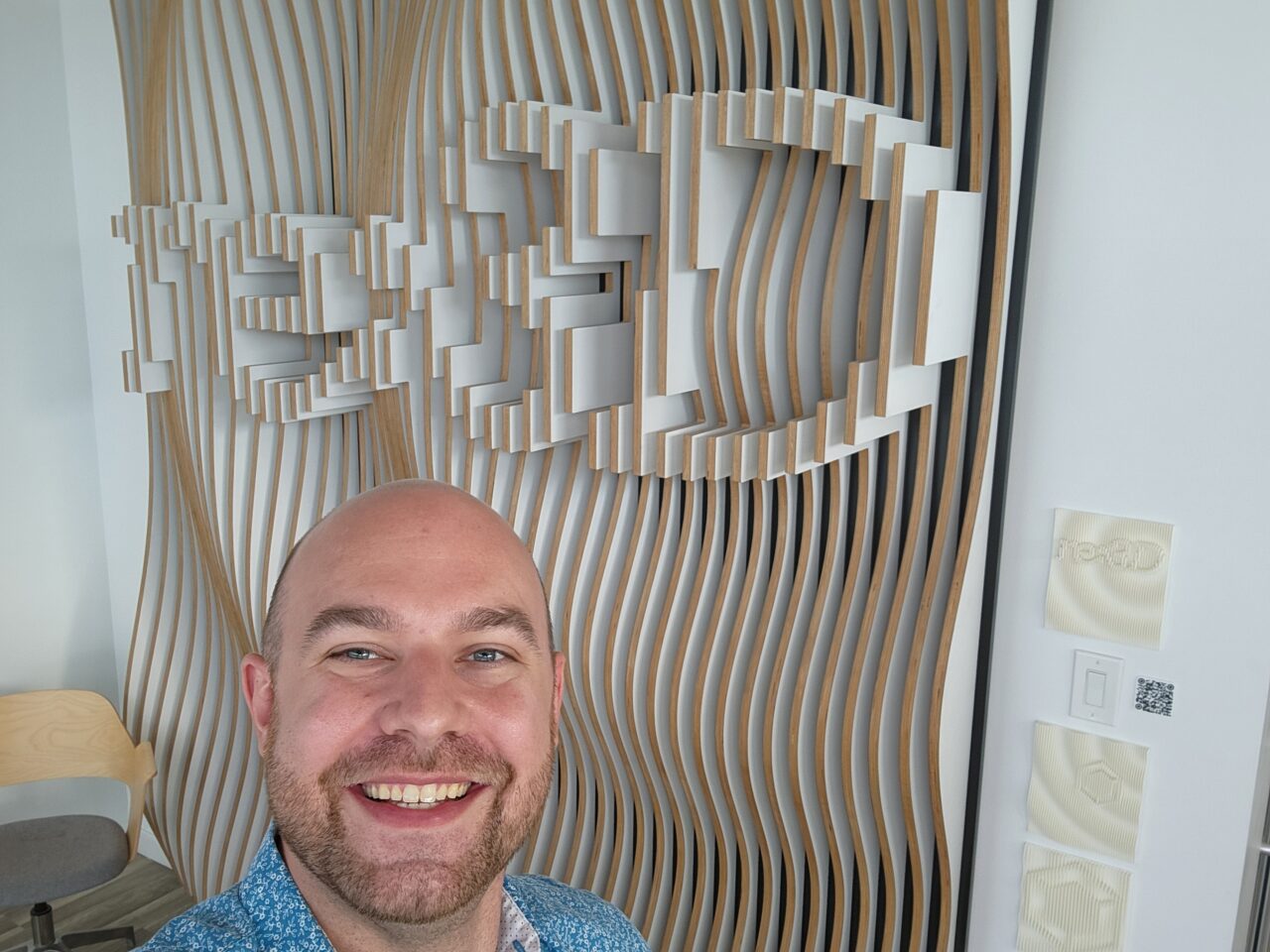
The event featured perspectives connected to the City of Austin, Upstream, and re:3D. It was especially meaningful to see re:3D represented because I had followed the organization’s work for years.


Circularity Is Bigger Than Recycling
Recycling is one part of a circular economy, but it is not the entire system. A stronger circular model asks how we can:
- Design products that last longer
- Repair items instead of replacing them
- Reuse materials before recycling them
- Recover valuable resources from waste
- Reduce unnecessary packaging
- Build businesses around sharing, resale, and refurbishment
- Keep materials circulating within the economy
The goal is to prevent useful materials from becoming waste in the first place.


A Theme Throughout My Career
Looking back, circularity has appeared repeatedly in my professional work.
At the Texas Commission on Environmental Quality, I helped communicate environmental programs and everyday actions residents could take to reduce their impact.
At Texas Disposal Systems, my work included waste education, recycling campaigns, digital tools, and ways to help customers make better decisions about the materials they discarded.
I also encountered circular economy ideas through events and professional communities in Austin and San Antonio.
Those experiences helped me see that waste is not simply an operational issue. It is also a design, communications, behavior, infrastructure, and economic issue.
Turning Waste into a Resource
One of the most exciting parts of circularity is the opportunity to rethink materials that are usually treated as disposable.
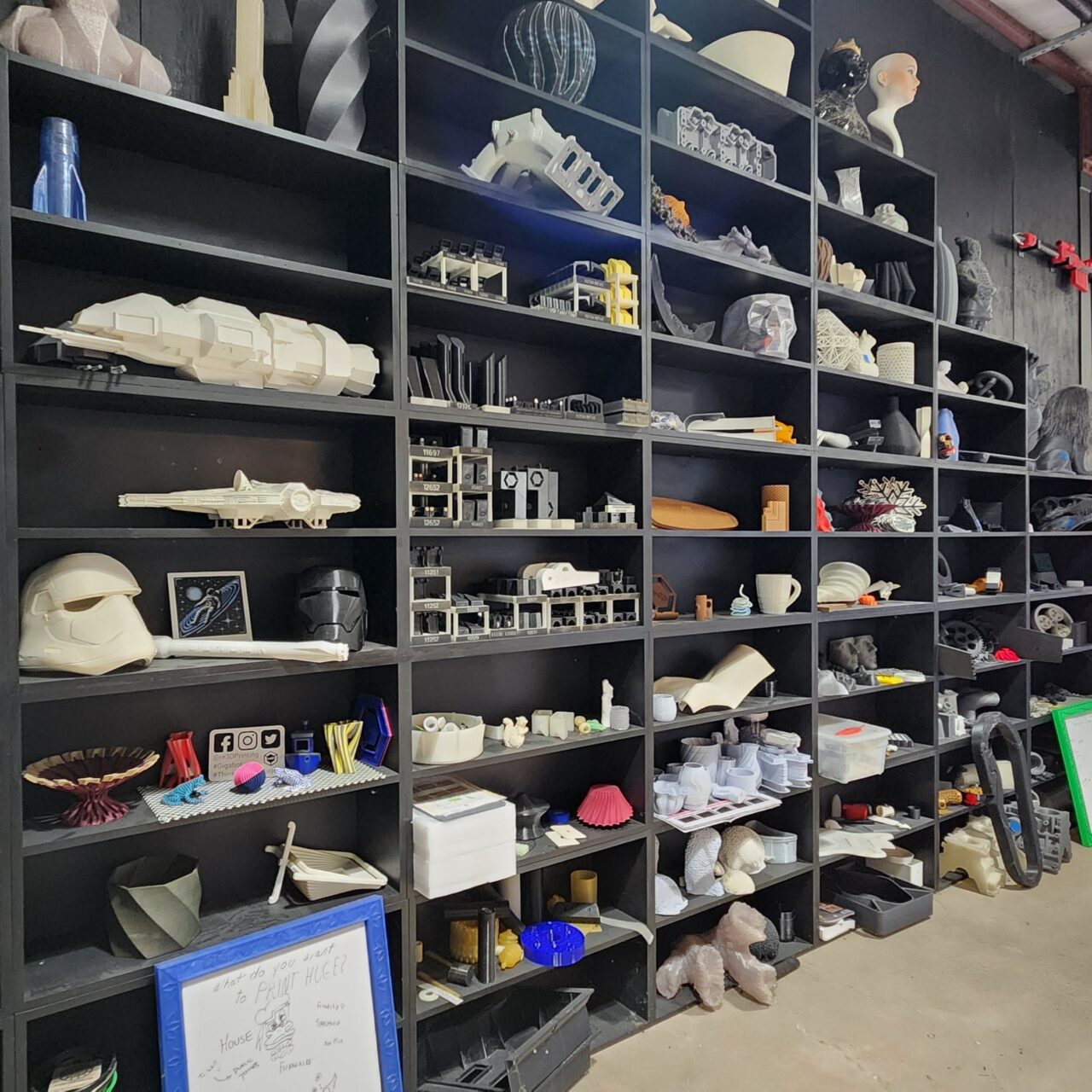
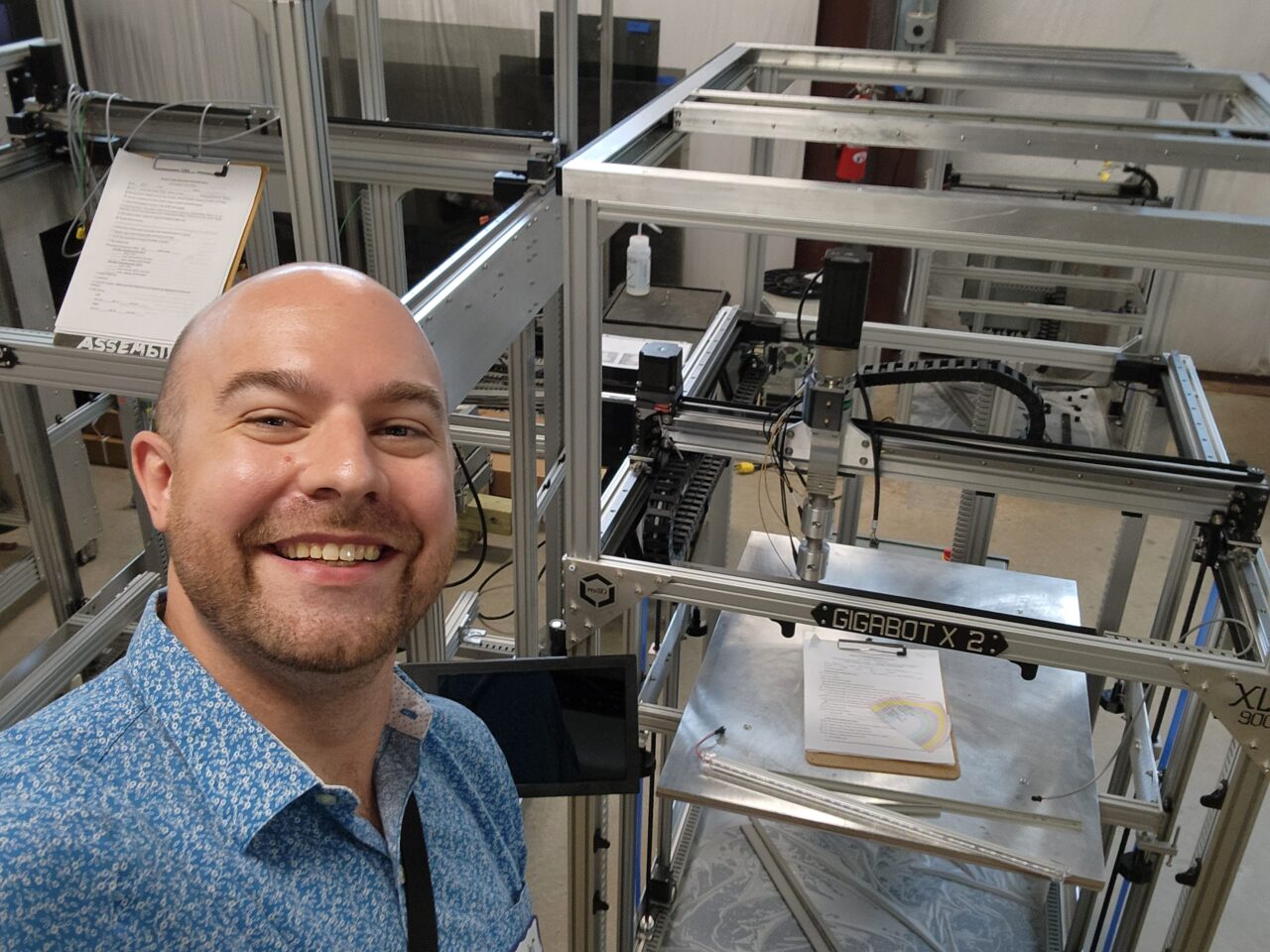
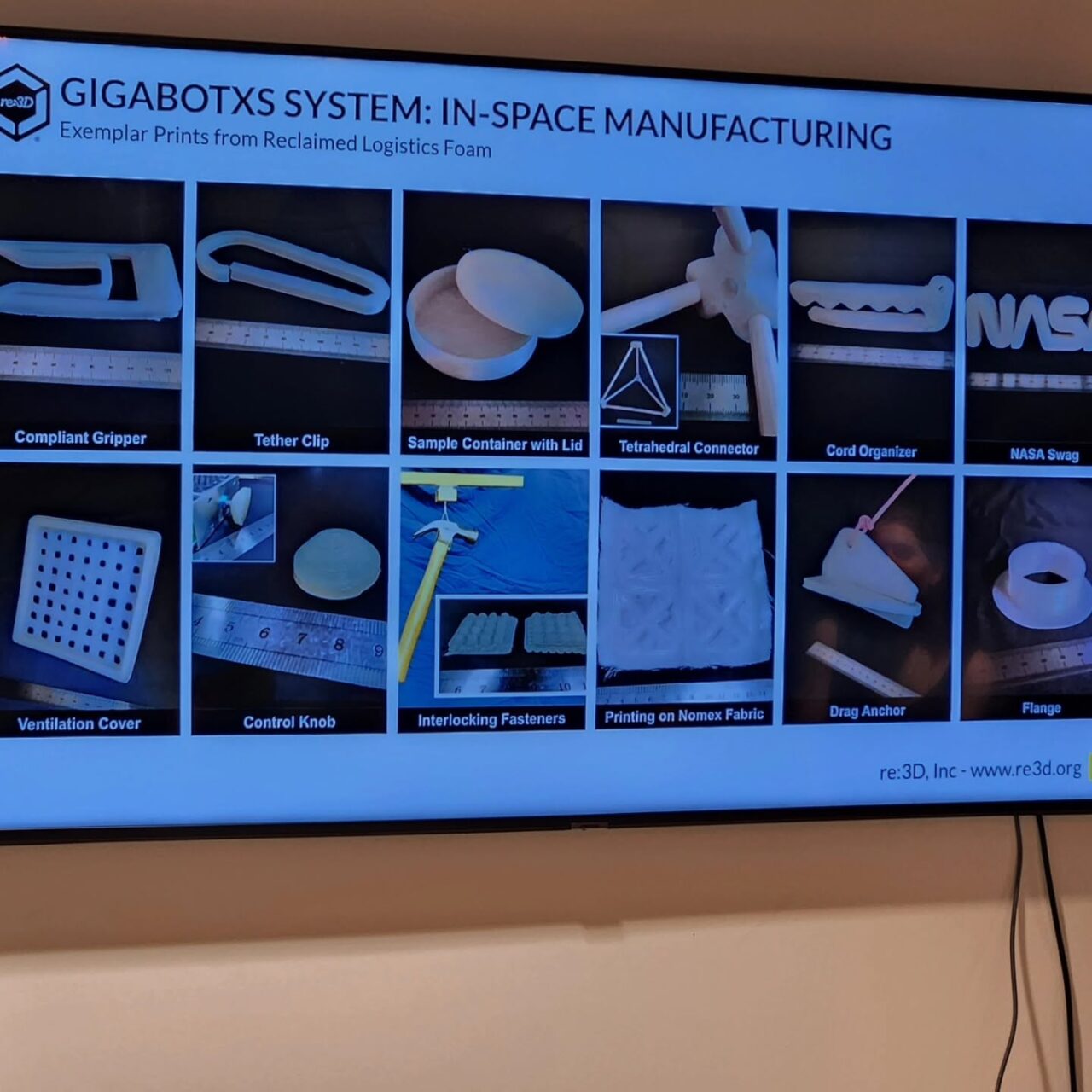
Organizations like re:3D demonstrate how discarded plastic can potentially become feedstock for new products through large-scale additive manufacturing.
Other circular solutions may involve:
- Converting food scraps into compost
- Repairing electronics and household goods
- Reselling or donating usable materials
- Recovering construction materials
- Creating products from recycled feedstocks
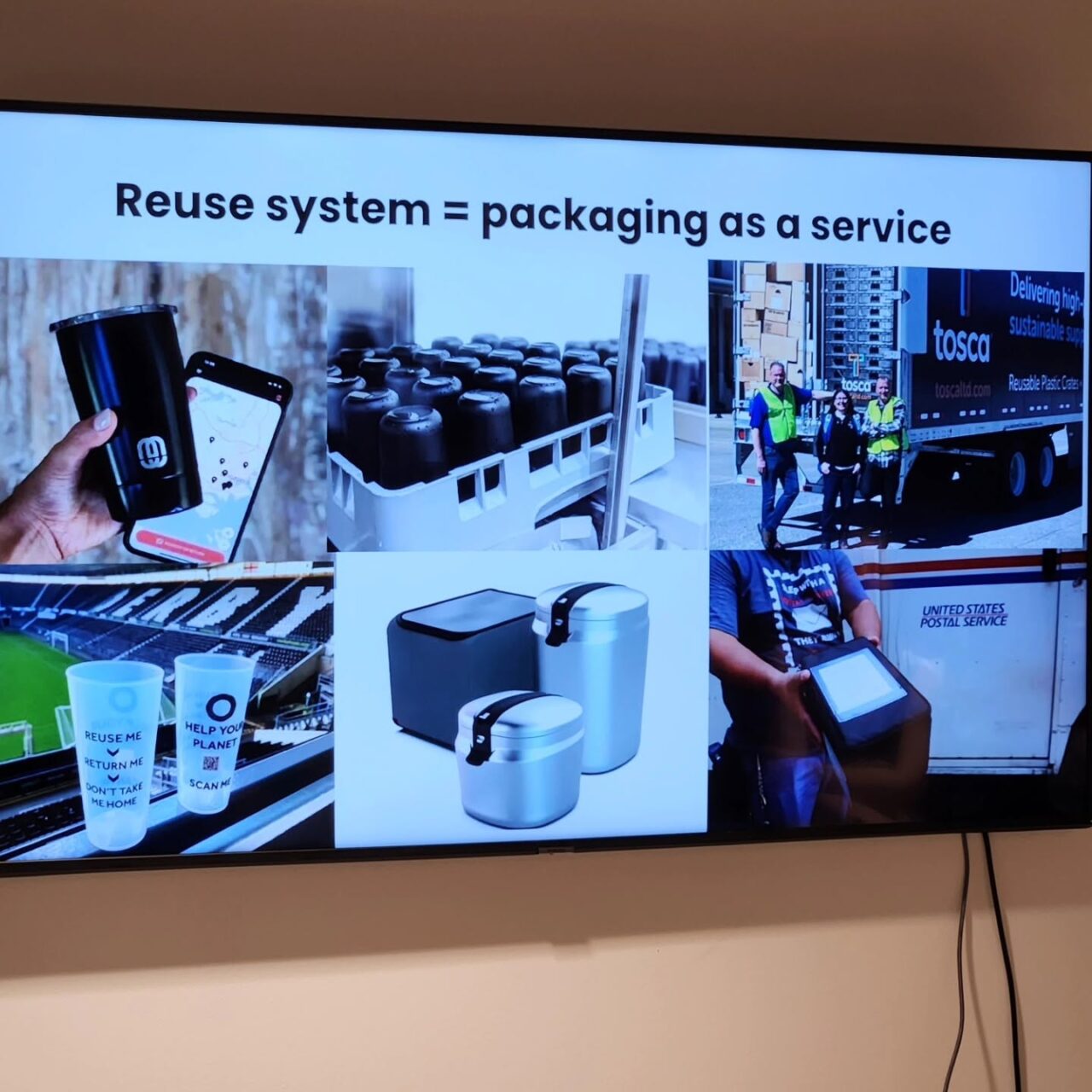
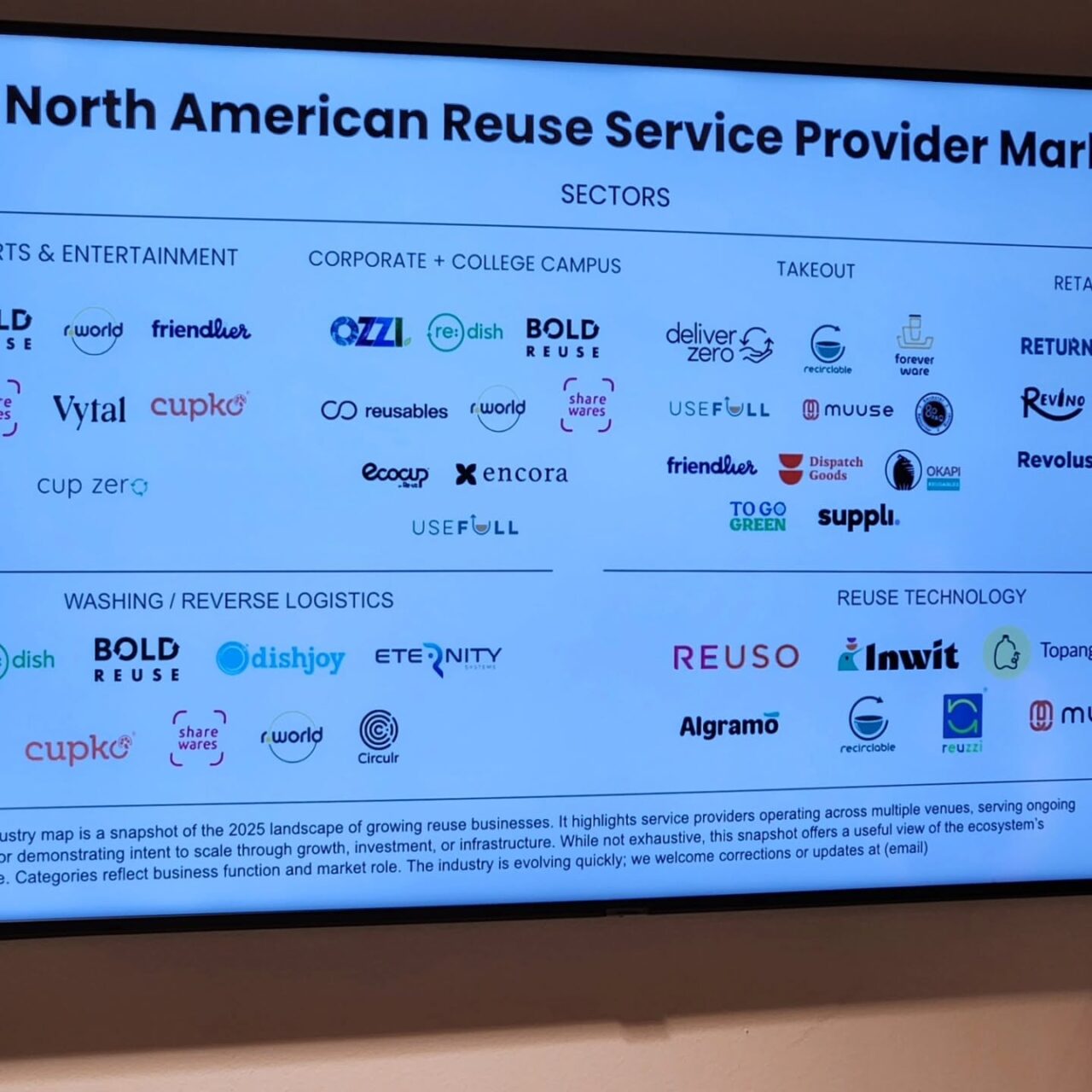
- Developing reusable packaging systems
- Sharing tools, equipment, and other resources
Each solution addresses a different part of the waste stream, but they share a common principle: materials should remain useful for as long as possible.
Circularity Requires Better Systems
Individual choices matter, but consumers cannot build a circular economy alone.
People need access to systems that make reuse, repair, recycling, and responsible disposal convenient. That requires participation from:
- Product designers
- Manufacturers
- Retailers
- Local governments
- Waste and recycling providers
- Entrepreneurs
- Property owners
- Community organizations
- Residents
Communication is also essential. A program may be well designed, but it will not succeed if people do not understand how to participate.


Economic and Environmental Value
Circularity is often presented as an environmental strategy, but it can also support economic development.
Keeping materials in circulation can create opportunities in:
- Repair and maintenance
- Manufacturing
- Logistics
- Resale
- Compost production
- Technology
- Product design
- Material recovery
Instead of paying to bury valuable resources, communities can create jobs and businesses around recovering and reusing them.
That is what makes the circular economy such a compelling idea. It does not only ask people to consume less. It challenges us to build better systems around the resources we already have.
A Continuing Part of My Sustainability Journey
These events reminded me why circularity continues to hold my attention. It connects many of the issues I care about: sustainability, public education, community behavior, economic opportunity, waste reduction, and creative problem-solving.
My work and perspective have continued to evolve, but the central question remains the same: How can we design systems where fewer useful materials are wasted?
The more we treat discarded materials as potential resources, the closer we move toward an economy that is more efficient, resilient, and sustainable.
*Content was generated with AI based on my notes and direction, then edited and refined by me for accuracy.