Rethinking the Ground We Walk On
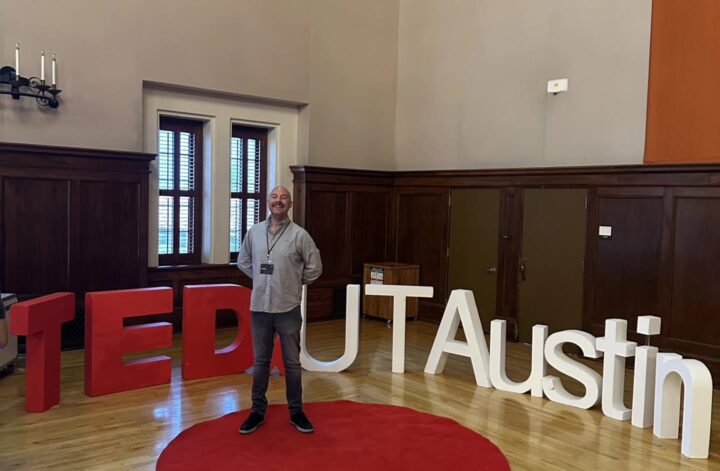
On February 19, 2026, I attended a panel discussion titled “Getting Dirty: The Potential of the Ground We Walk On,” hosted by the Texas Futures Coalition at Palm Venture Studios in Austin.
While climate conversations often focus on renewable energy, transportation, or carbon markets, this event shifted the spotlight to something much closer to home: soil. The panel explored how soil health plays a critical role in climate resilience, water management, agriculture, and ecosystem stability.
For many people, soil is simply the medium plants grow in. But the speakers at this event made it clear that soil is actually a living ecosystem, full of microscopic organisms and complex biological interactions that influence everything from crop productivity to flood prevention.
What I Experienced
The evening brought together sustainability professionals, researchers, and members of Austin’s environmental community for a conversation about how soil systems influence both environmental health and climate resilience.
The discussion was led by two experts working directly in soil science and ecological restoration. They walked the audience through how soil functions as a living system, explaining how microorganisms, fungi, and plant roots work together in ways that many people rarely consider.
One of the things I appreciated about the panel was how the speakers translated complex science into accessible language. Rather than focusing solely on technical details, they emphasized how soil health connects directly to everyday issues like flooding, erosion, food production, and land management.
The conversation also reinforced a broader idea that appears often in sustainability work: many of the most powerful solutions are already present in natural systems, if we understand how to work with them.

Key Themes and Takeaways
Several key ideas emerged during the discussion.
Soil Is a Living Ecosystem
One of the most important takeaways from the panel was that soil is far more complex than it appears.
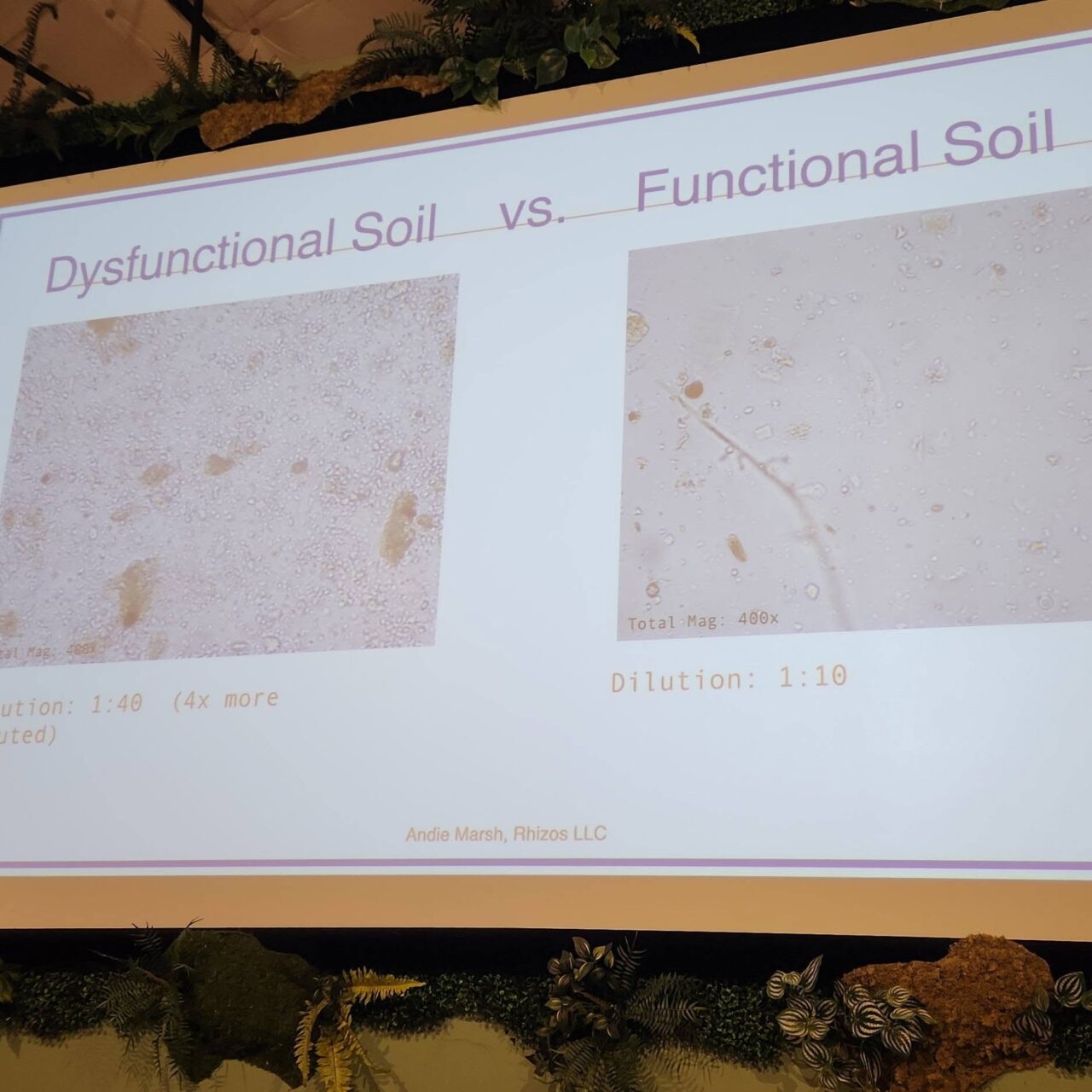
Healthy soil contains a vast network of organisms, including bacteria, fungi, insects, and other microorganisms, that support plant growth and maintain ecological balance. When these systems are disrupted, the entire ecosystem can suffer.
Understanding and protecting these microbial systems is essential for maintaining productive landscapes and resilient ecosystems.
Soil Health Affects Climate and Water Systems
The panel also explored how degraded soil can contribute to larger environmental problems.
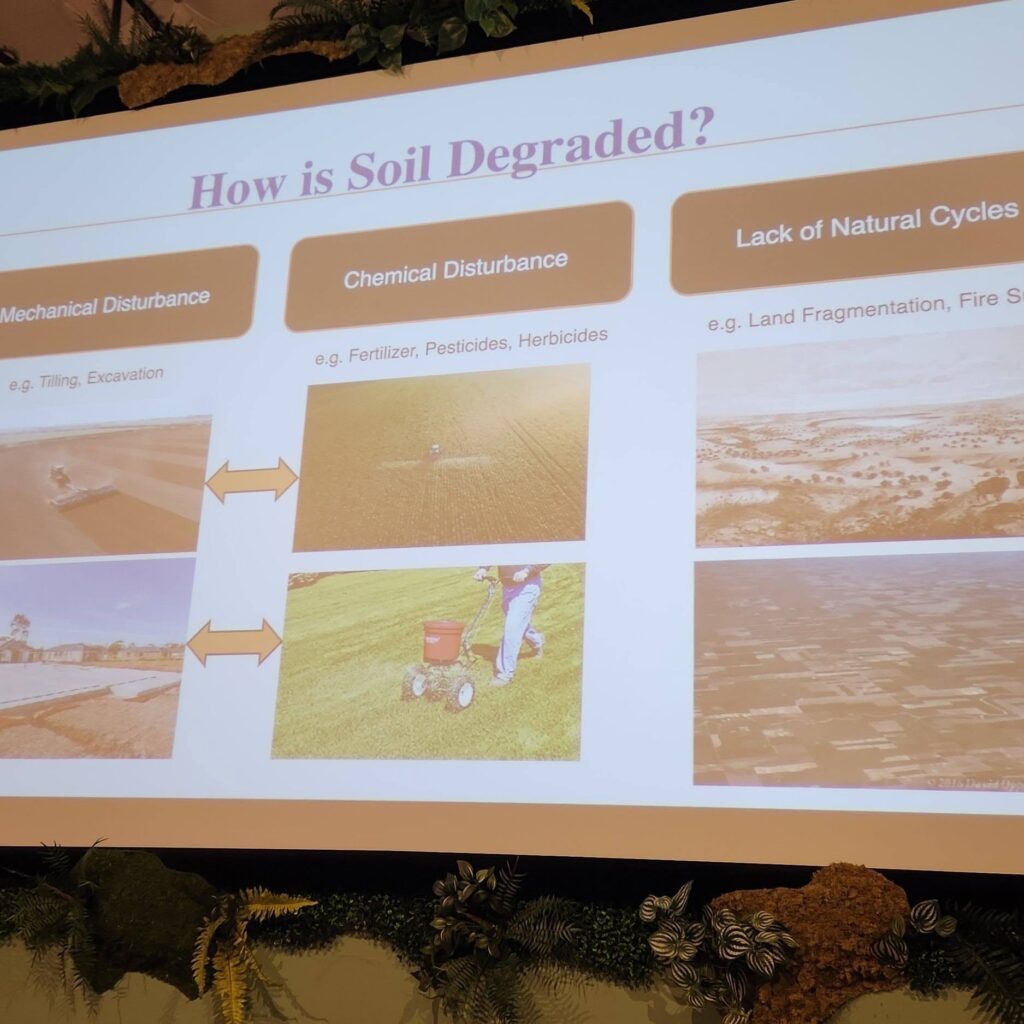
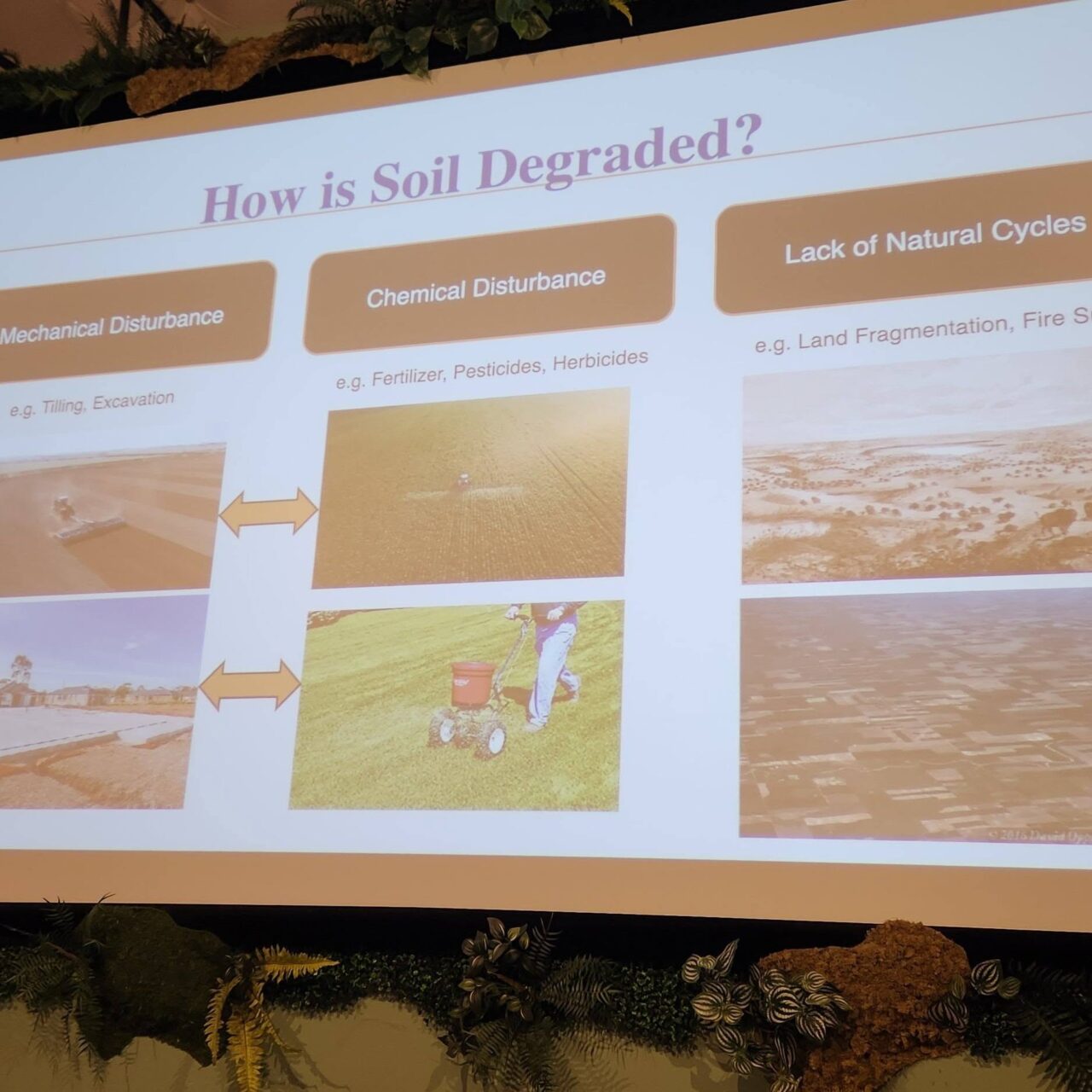
When soil loses its structure and biological diversity, it becomes more vulnerable to erosion and less capable of absorbing water. This can lead to increased flooding, reduced agricultural productivity, and greater environmental instability.
Restoring soil health can improve water retention, reduce runoff, and strengthen ecosystems.
Restoration Is Possible with the Right Approach
Despite the challenges associated with soil degradation, the speakers emphasized that restoration is achievable.
Through scientific approaches that combine biology, ecology, and land management strategies, it is possible to rebuild healthy soil systems faster than many people expect.
This work is already happening in agriculture, land restoration projects, and environmental conservation initiatives.
Panelists and Discussion Topics
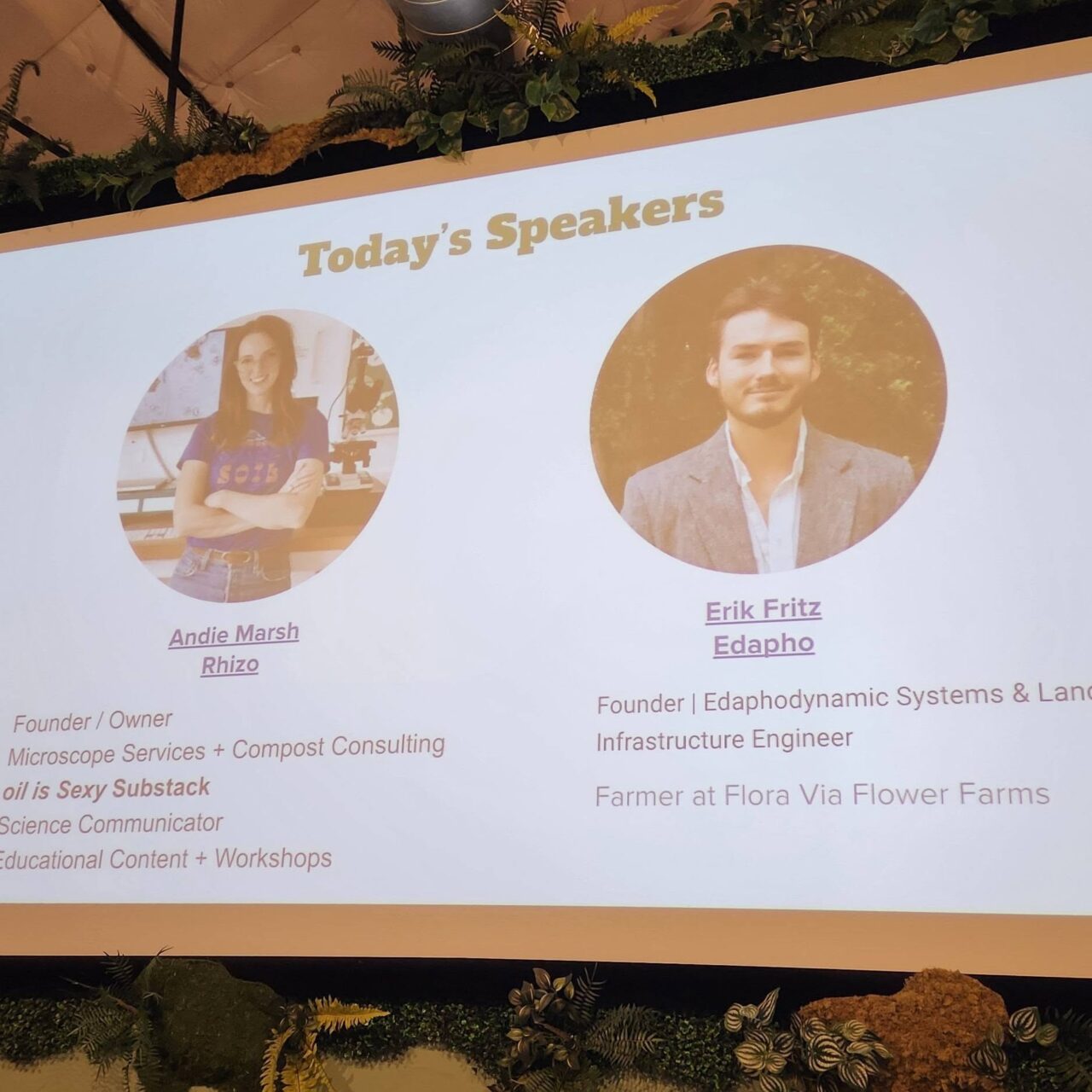
The event featured two experts working in soil science and ecological restoration.
Andie Marsh
Organization: Rhizo
Topic: The living biology of soil ecosystems
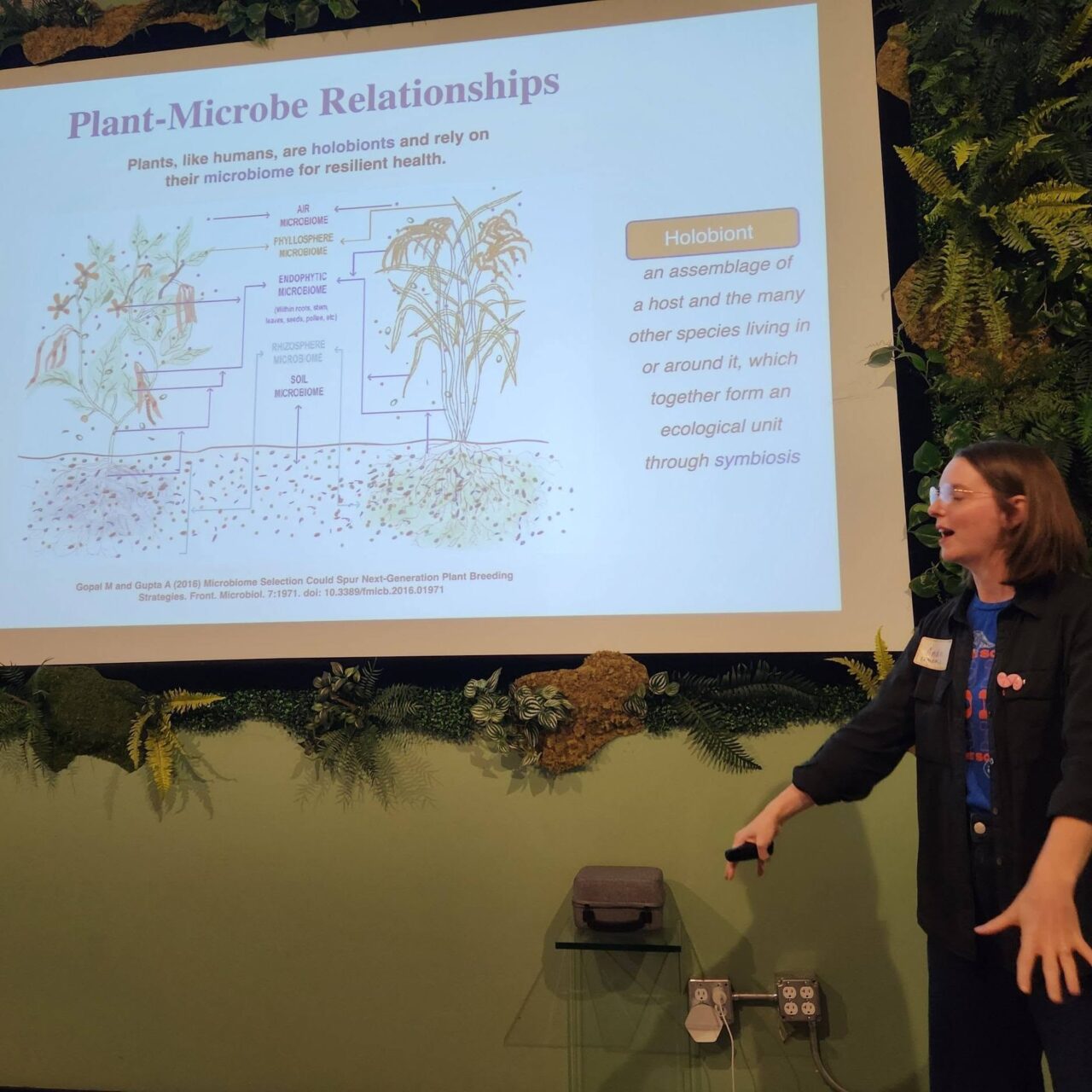
Marsh explained how soil is composed of complex biological networks that support plant health and ecosystem stability. She compared healthy soil systems to natural ecosystems such as Yellowstone National Park, where the removal of a single species can create cascading effects throughout the environment.
Her presentation highlighted how microbial communities, fungi, and plant roots work together to create balanced and productive ecosystems.
Eric Fritz
Organization: Edapho
Topic: Soil restoration and environmental resilience
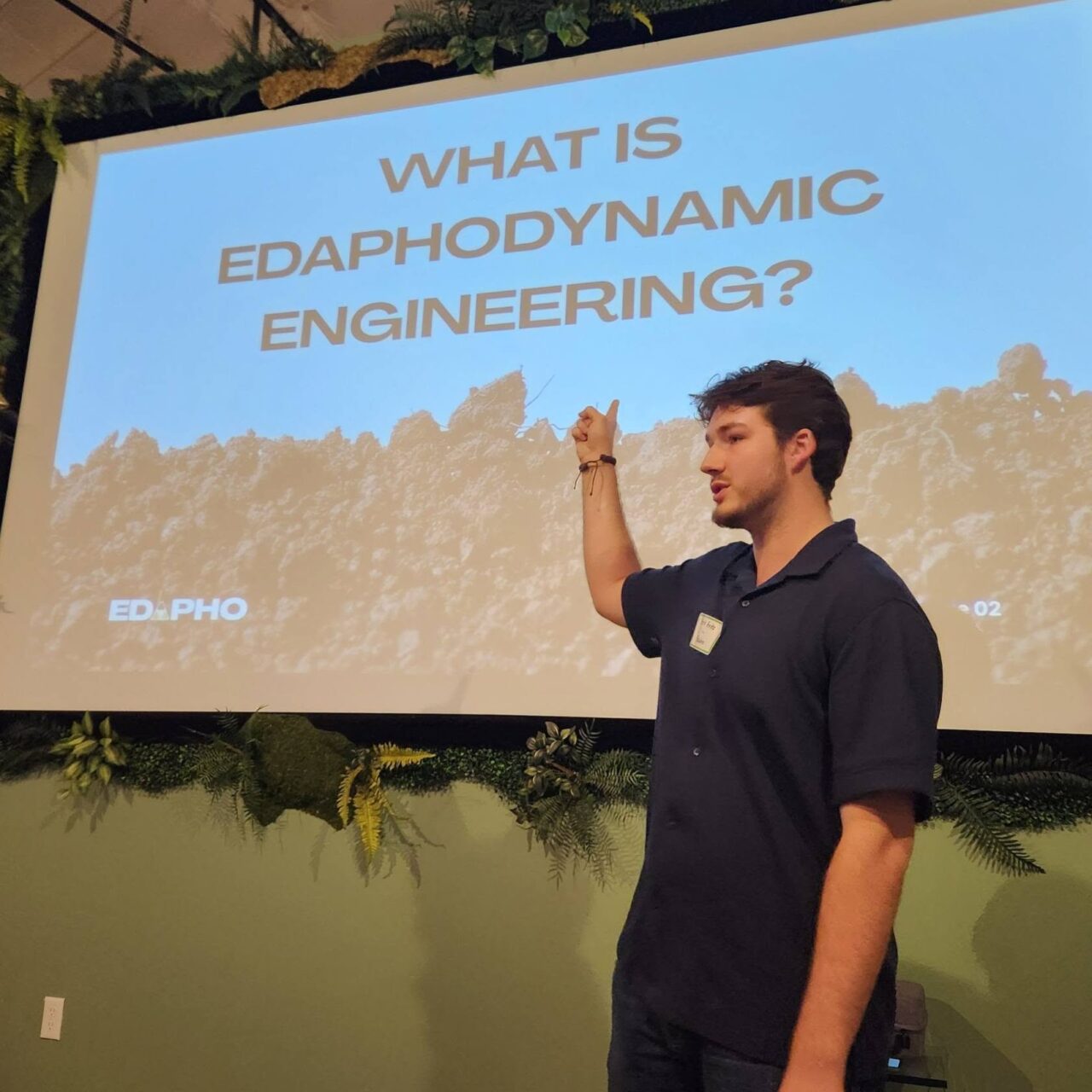
Fritz focused on how damaged soil systems contribute to environmental challenges such as erosion, flooding, and land degradation.
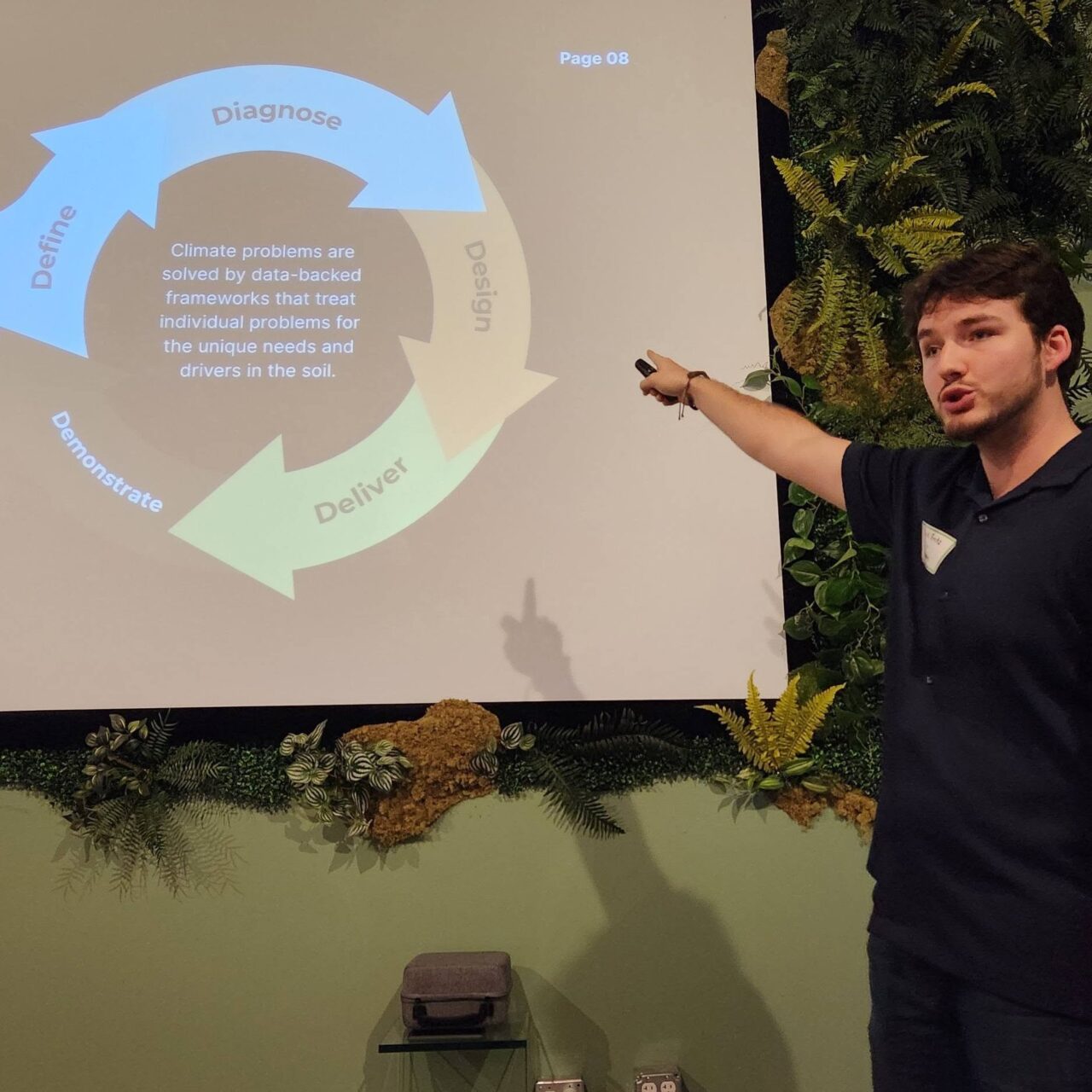
His work explores how science-based restoration strategies can rebuild soil health by restoring biological activity and improving soil structure. By addressing the root causes of soil degradation, these approaches can accelerate ecosystem recovery.
About Texas Futures Coalition
Texas Futures Coalition is a nonprofit organization focused on advancing climate and sustainability conversations across Texas.
The group regularly hosts events that bring together professionals, researchers, and community members to explore topics such as:
- Climate innovation
- Environmental policy
- Sustainable infrastructure
- Circular economy solutions
- Ecosystem restoration
By creating spaces for dialogue and collaboration, the organization helps connect people working on sustainability challenges throughout the region.
Why Soil Matters More Than We Think
Soil rarely receives the same level of attention as other environmental issues, but it plays a foundational role in the health of ecosystems.
Healthy soil supports agriculture, absorbs rainfall, stores carbon, and provides habitat for countless organisms. When soil systems degrade, these functions are compromised, affecting both natural ecosystems and human communities.
Recognizing soil as a living system, rather than simply dirt, is an important step toward more sustainable land management practices.
Events like this panel help expand the conversation about climate solutions by highlighting the critical role soil plays in environmental resilience.
Wrap-Up
Attending the “Getting Dirty: The Potential of the Ground We Walk On” panel was a powerful reminder that some of the most important environmental systems are literally beneath our feet.
The discussion reinforced how interconnected ecological systems are and how soil health influences everything from plant growth to water management and climate resilience.
In many ways, the panel shifted the perspective from looking upward for climate solutions to looking downward = recognizing that the ground we walk on holds enormous potential for restoring and sustaining healthy ecosystems.
*Content was generated with AI based on my notes and direction, then edited and refined by me for accuracy.