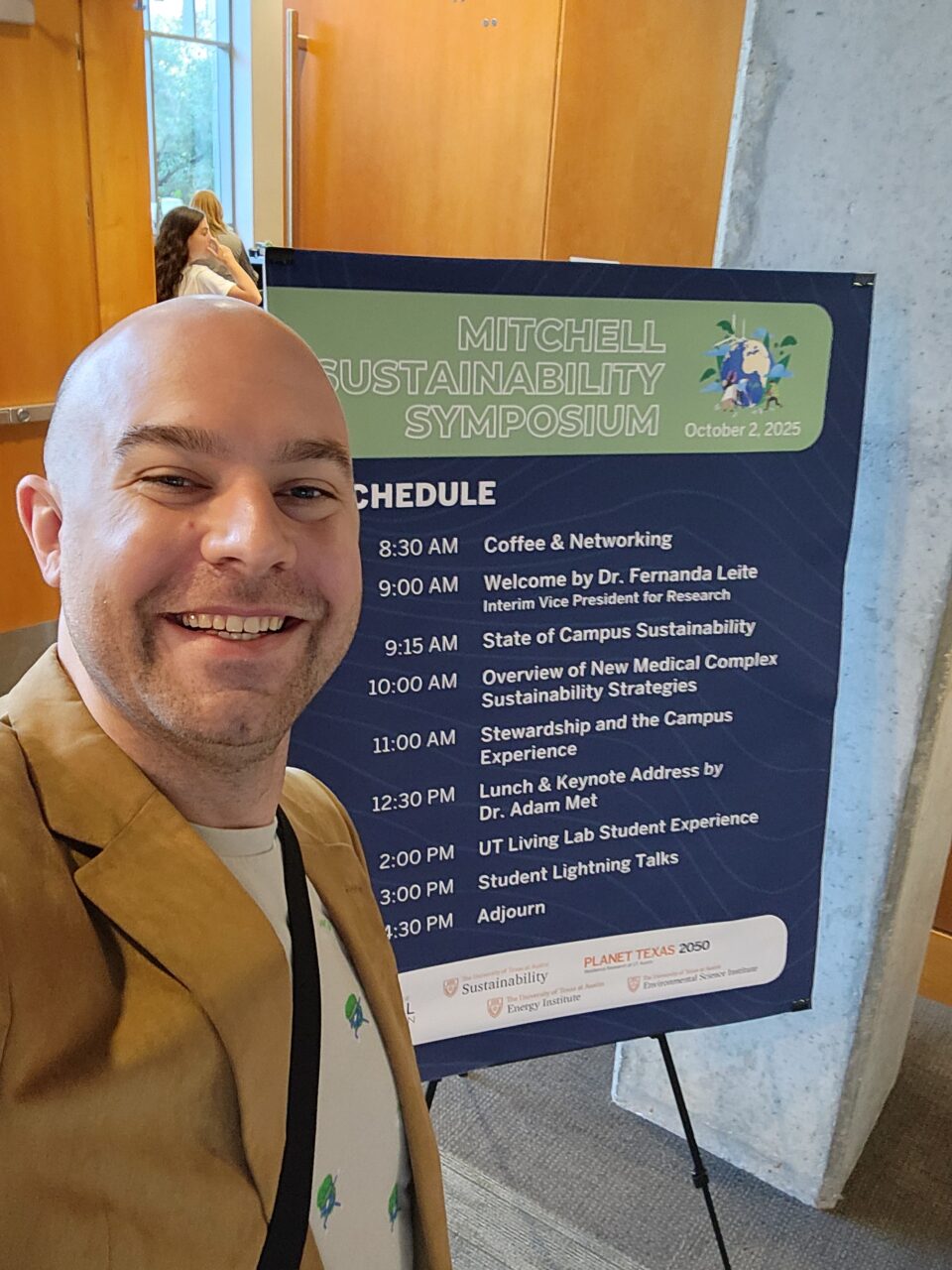
The University of Texas at Austin hosted the 2025 Mitchell Sustainability Symposium at the William C. Powers Student Activity Center. This event brought together faculty, students, sustainability experts, and community members to examine the state of sustainability on campus and explore its broader impact on education, research, and community engagement.
With a packed agenda from morning networking to student lightning talks, the symposium showcased the university’s role as both an innovator and facilitator in the sustainability space. Below is an overview of the key sessions and highlights.
On September 4th, I had the opportunity to attend Austin Climate Hub’s first event of the fall season: “Challenges and Emerging Solutions to Scaling First-of-a-Kind Energy Technologies.” Held at The Sunset Room in downtown Austin, the event brought together an all-star panel of investors, financiers, and cleantech leaders to tackle one of the most persistent challenges in the climate innovation space—how to get bold new ideas off the ground and into the real world.
The evening was packed with insights, networking, and conversations around the nuances of funding and scaling first-of-a-kind (FOAK) energy technologies. These are the game-changing projects that, while promising, often get stuck between R&D and real-world execution. So what’s holding them back and how do we move them forward?
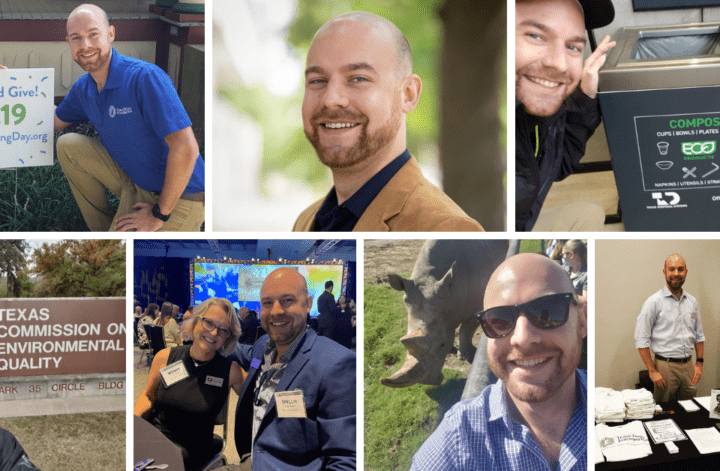
I’ve had a very interesting roller-coaster of a career track, and wouldn’t want it any other way. I began my marketing career at a boutique automotive firm and then worked my way up to larger communications agencies. While I learned and my skills grew, I felt like there was still something missing. Passion. So I took a step back from a traditional path to find it. Through environmental education and adventures in sustainability, I found a career track I’m passionate about using my seasoned marketing skills.
The list below starts with my most recent job and goes back in sequence below:
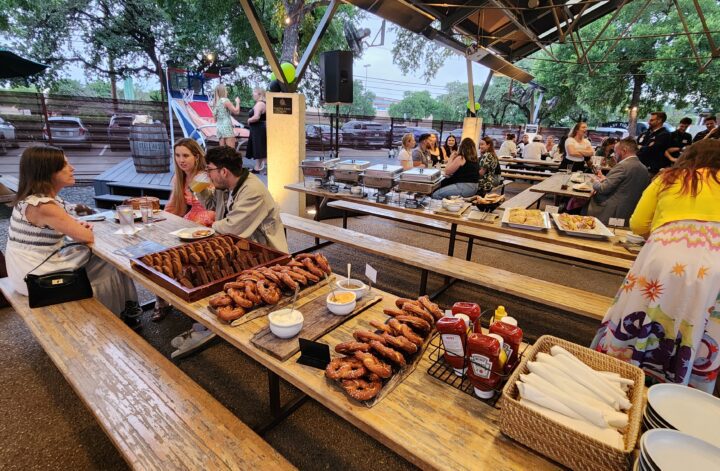
Lately, Easy Tiger North has become more than just a great spot for pastries and coffee—it’s become the backdrop for some of my most valuable networking experiences in Austin. From marketing mixers to sustainability meetups, this laid-back location has offered countless opportunities to connect with brilliant minds and inspiring peers across industries. Let’s take a quick walk back through a few recent events that have made a big impact on me.
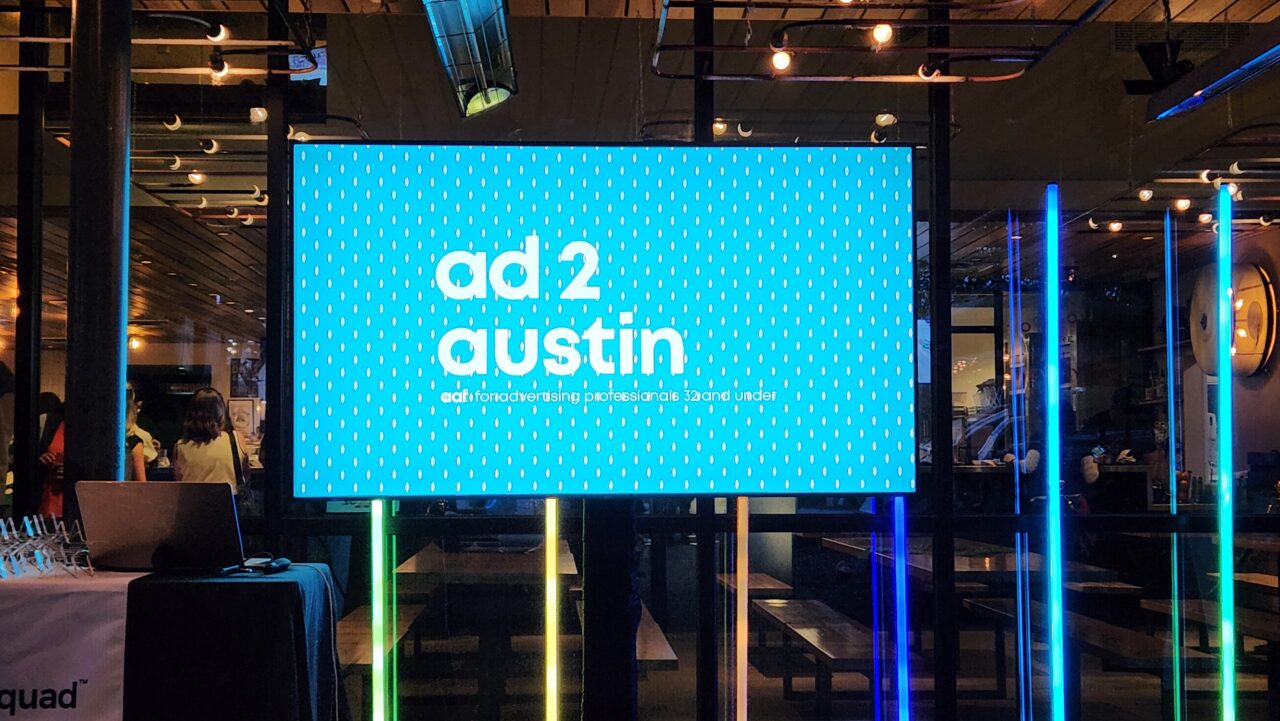
Ad 2 Austin’s 32 Under 32 Awards (May 8)
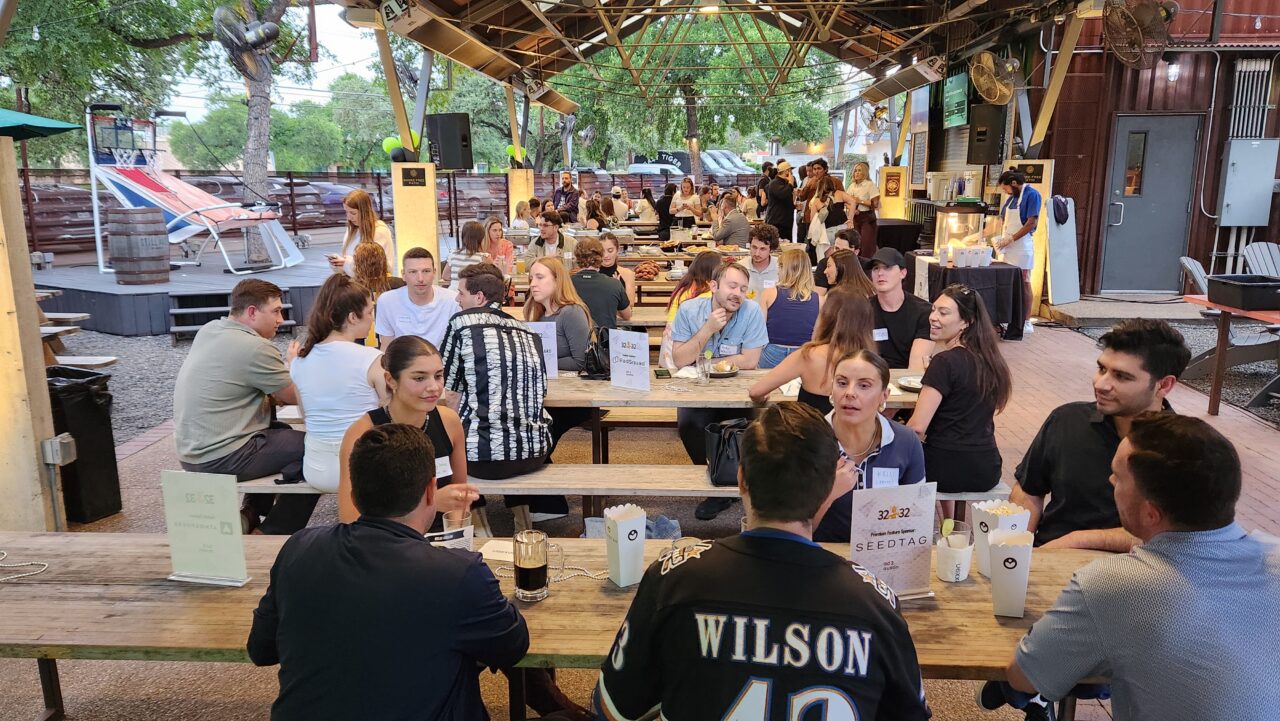
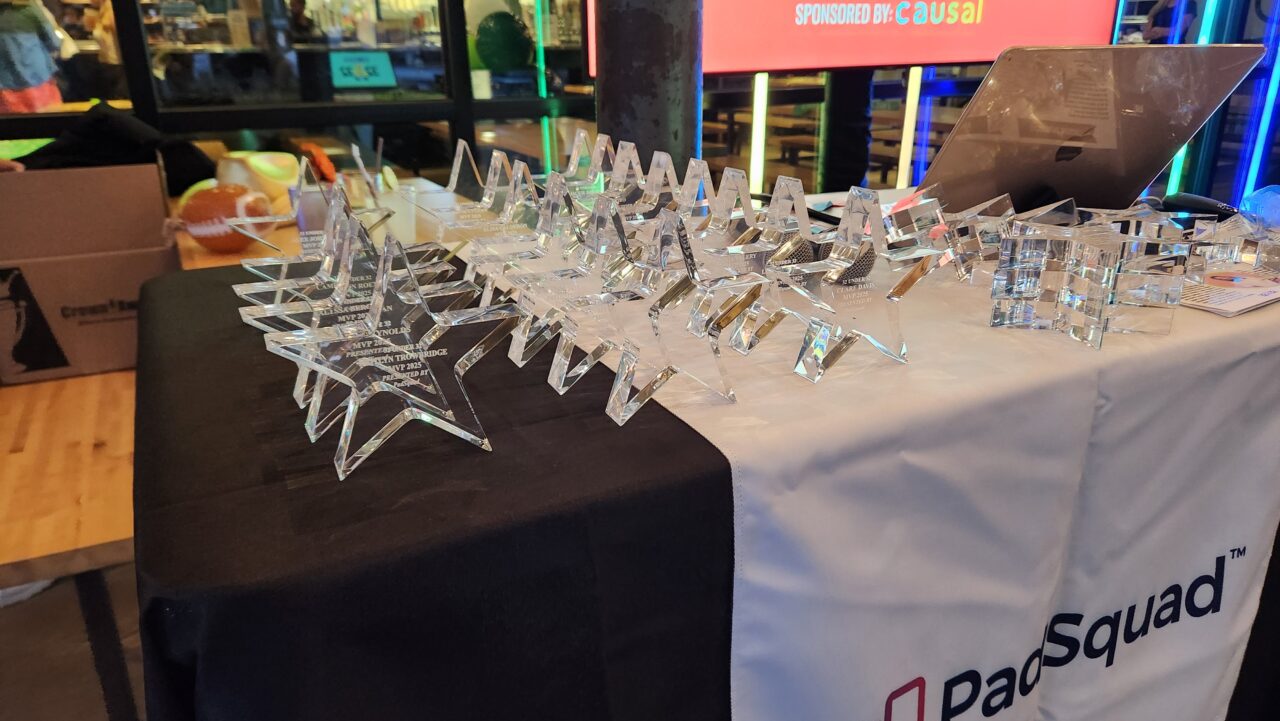
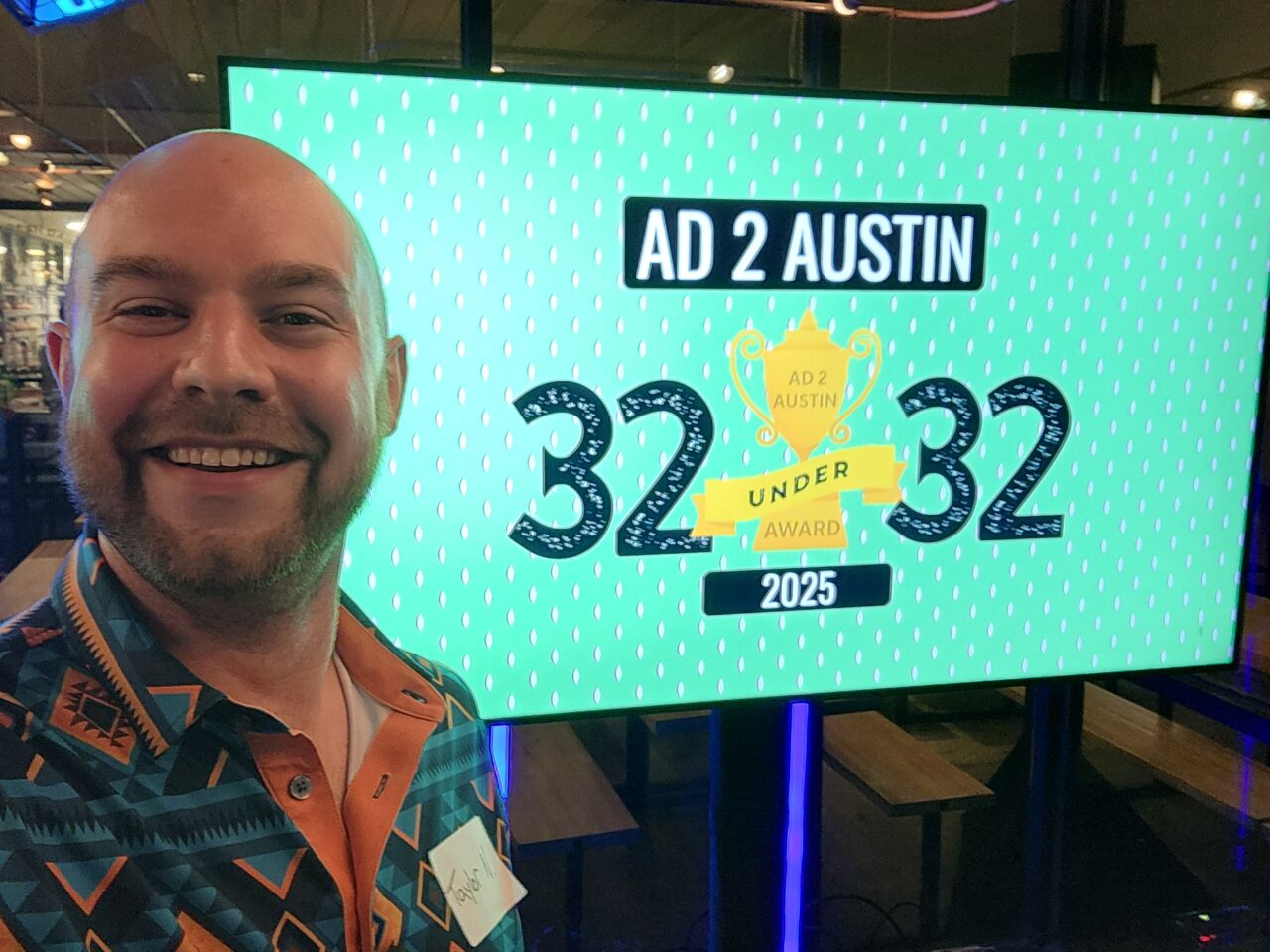
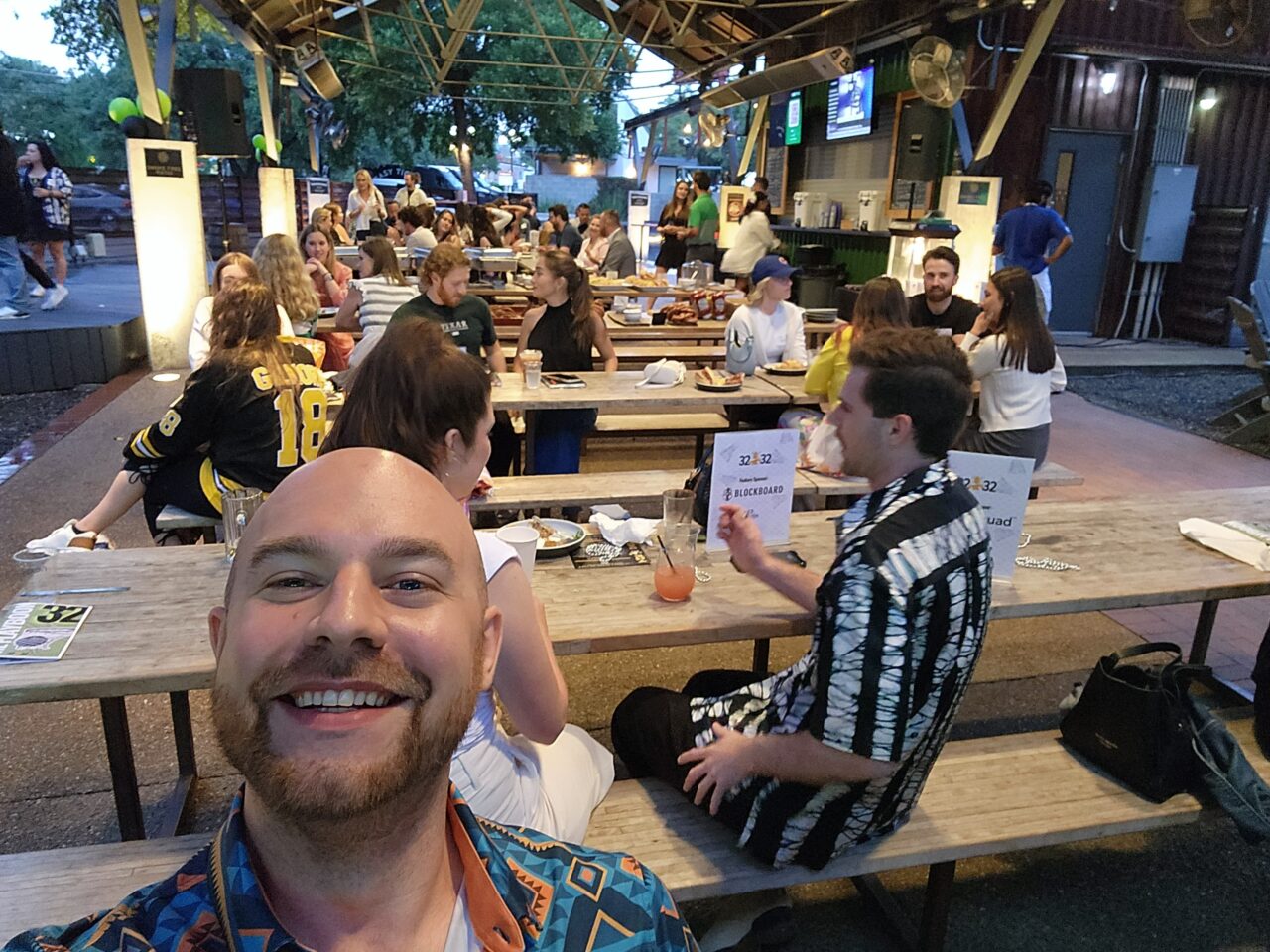
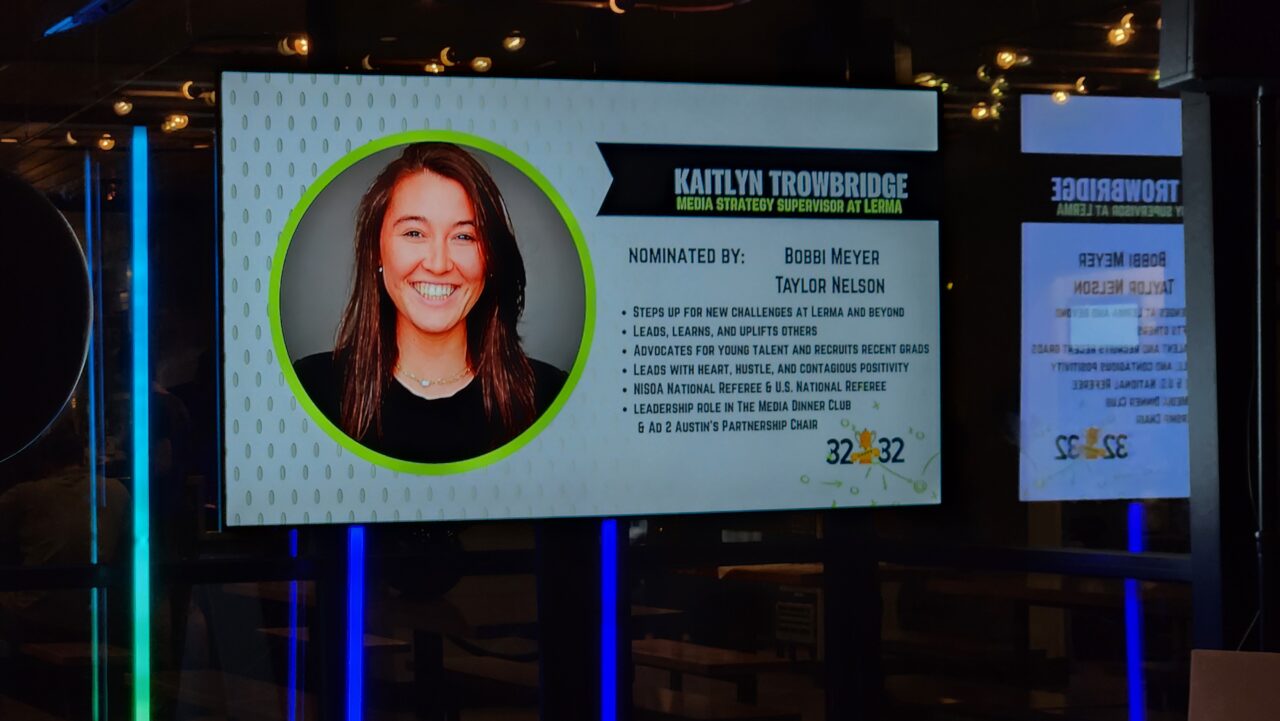
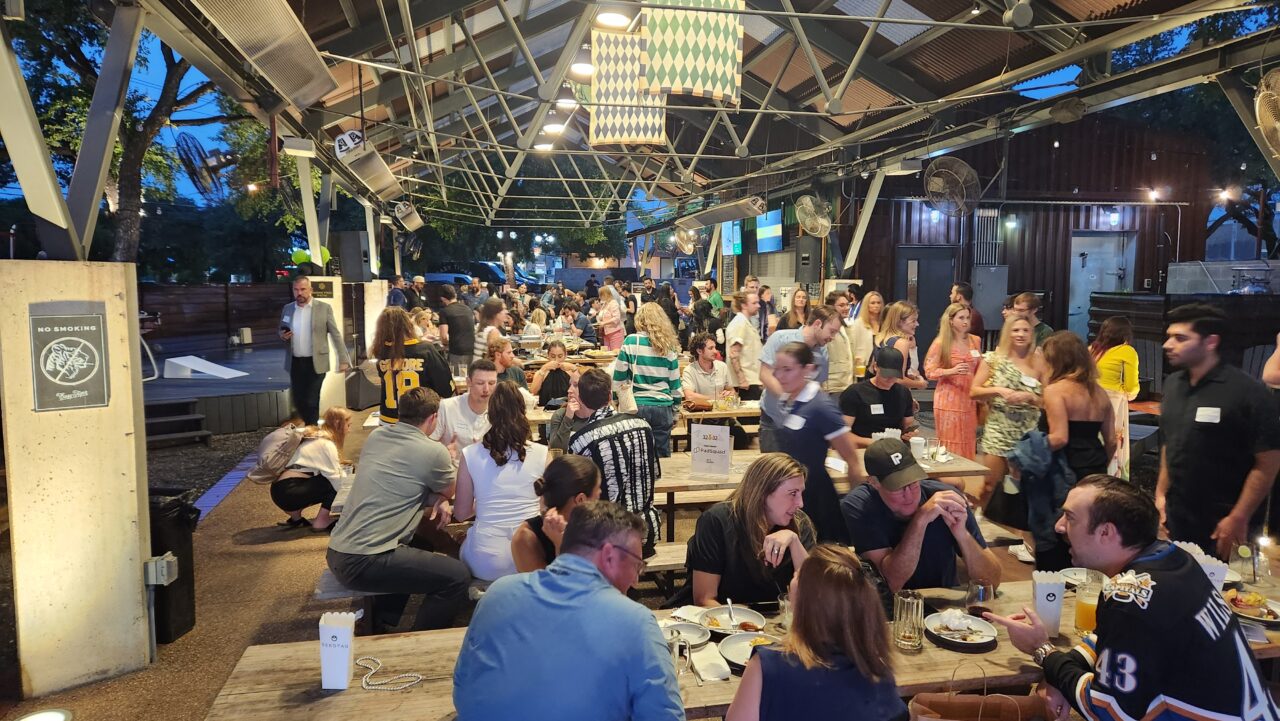
Most recently, I had the honor of volunteering at the check-in table for Ad 2 Austin‘s 32 Under 32 Awards, celebrating the city’s top young professionals in marketing and advertising. Held at Easy Tiger North with an MVP-themed flair, the event buzzed with creativity and camaraderie.
Welcoming each nominee gave me a front-row seat to the incredible work being done in this industry—from strategic brand launches to innovative digital campaigns. It was equal parts inspiring and energizing to meet so many trailblazers under 32 who are already reshaping the marketing landscape.
Shoutout to Ad 2 Austin, the event sponsors, and Easy Tiger for making the night a celebration to remember—complete with delicious food and meaningful conversation. The future of marketing in Austin looks bright, and I’m grateful to have played a small part in recognizing those leading the way.
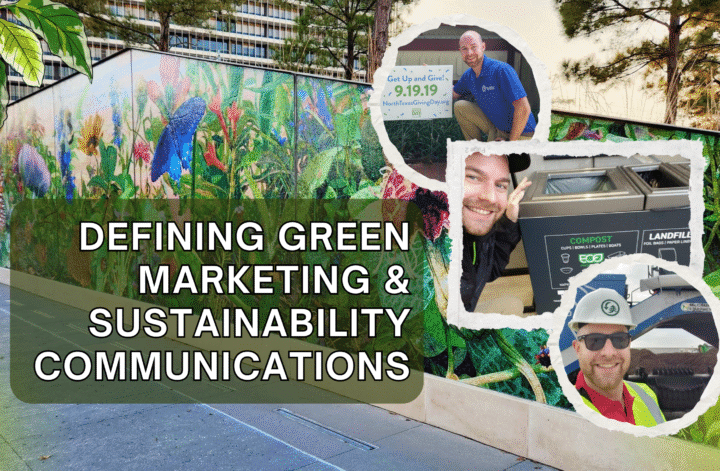
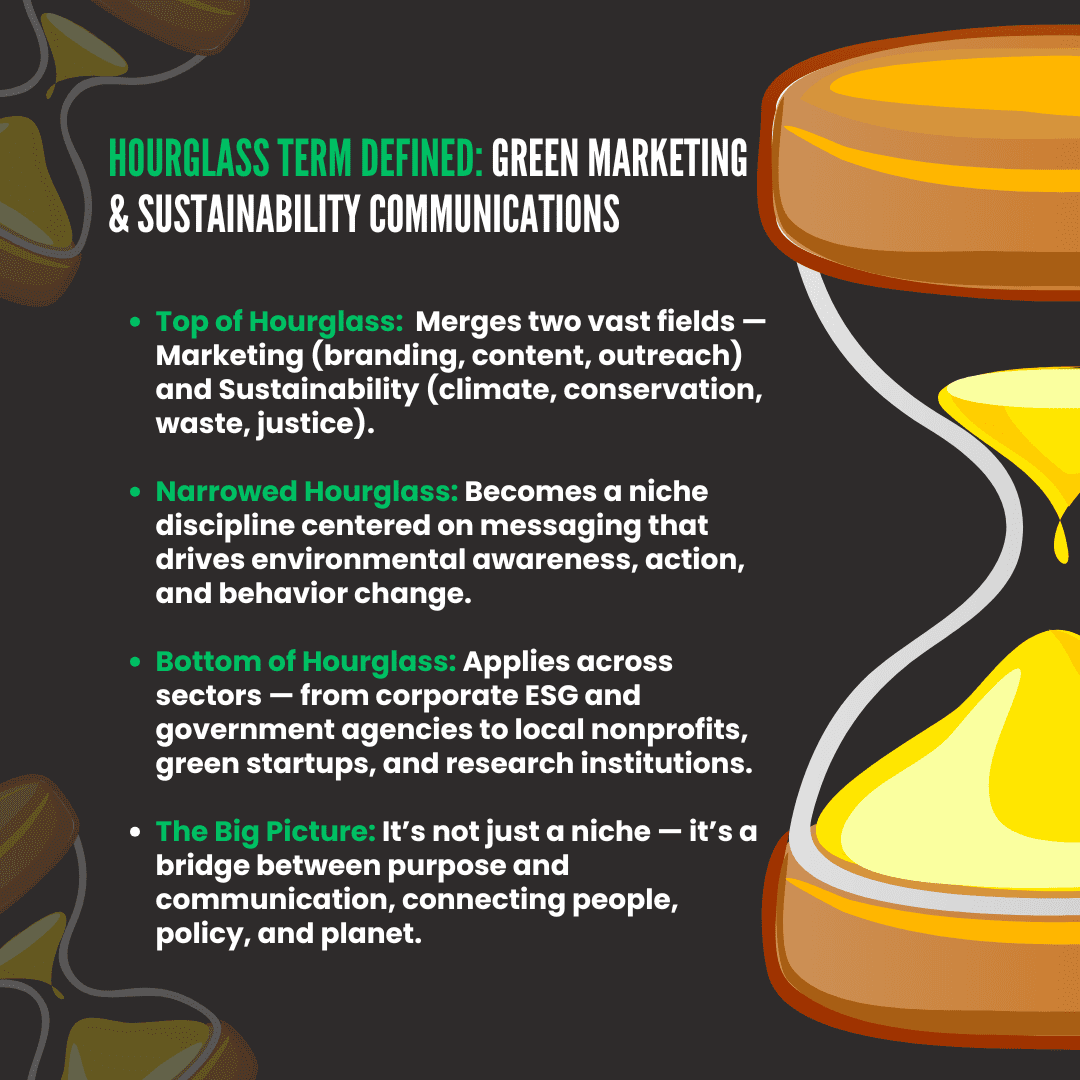
In the world of marketing, buzzwords come and go — but “green marketing” and “sustainability communications” are terms that have stuck with me, not just as trends, but as defining themes throughout my career. They’re what I call hourglass terms — concepts that begin broadly, narrow into a specialized niche, and then fan out again to influence a wide range of industries, sectors, and communication needs.
Let me explain — and take you on a journey through how I came to specialize in this growing, evolving, and deeply meaningful space.
What Is Green Marketing, Exactly?
At its core, green marketing refers to promoting products, services, or practices that are environmentally friendly. It’s about more than slapping a green label on a package — it’s a commitment to transparency, sustainability, and often, behavioral change. Green marketing focuses on aligning brand values with environmental ethics, creating campaigns that both inform and inspire.
Sustainability communications, meanwhile, goes beyond the consumer angle. It encompasses the storytelling, messaging, and strategic outreach that organizations use to engage stakeholders — from the public to policymakers — on environmental initiatives, sustainable practices, climate resilience, and more.
Together, these two disciplines span a massive spectrum — from technical communications about carbon reporting to grassroots storytelling about tree planting or water conservation. Hence the hourglass.
A Fresh Perspective: How Google Career Dreamer helped me with my Career Possibilities
Lately, I’ve been undergoing career evaluation—taking stock of my experiences, skills, and interests as I navigate my next professional chapter. With a background in marketing and communications, much of it focused on sustainability and public outreach, I know I had a wide-ranging skill set. But translating that into a clear path forward? That’s what I’ve been trying to figure out.
Then a friend in a networking group recommended Google Career Dreamer—an AI-powered career exploration tool that genuinely helped me shine light on potential career options.
I was curious and slightly skeptical, but once I got started, I realized this was more than just a job-matching tool. Career Dreamer helped me articulate my value, identify where my skills shine, and—most importantly—imagine new career directions I hadn’t seriously considered before.
A Clearer Career Identity
One of the first steps in the Dreamer experience is shaping your Career Identity Statement—a concise, personalized summary of your strengths where you enter previous roles and skills to inform the AI. Here’s what mine looks like now: